
INTRODUCTION
The increasingly complex therapeutic regimens used in veterinary medicine, often in animals with species- or breed-specific susceptibilities, include antiparasitic macrocyclic lactones, chemotherapy agents, antimicrobials, analgesics, and supportive treatments. Drug-drug interactions (DDIs), altered pharmacokinetics, and unanticipated toxicity are all made more likely by this complexity. Understanding these risks is especially important because many drugs used in veterinary practice have narrow therapeutic indices or are used in extra-label settings, where standard safety data may be scarce or species-specific metabolism is poorly characterized.
A methodical approach is necessary in light of these realities. This chapter highlights known species- and breed-specific vulnerabilities, examines the primary pathways and mechanisms underlying drug interactions in veterinary species, and offers practical advice for clinicians to reduce unfavorable outcomes. The chapter lays the groundwork for safer, better-informed therapeutic decision-making in veterinary care by combining pharmacogenetic insights, enzyme/transporter biology, and clinical experience.
TRANSPORTER-MEDIATED INTERACTIONS: P-GLYCOPROTEIN (P-gp)
Physiological Role of P-gp in Drug Disposition
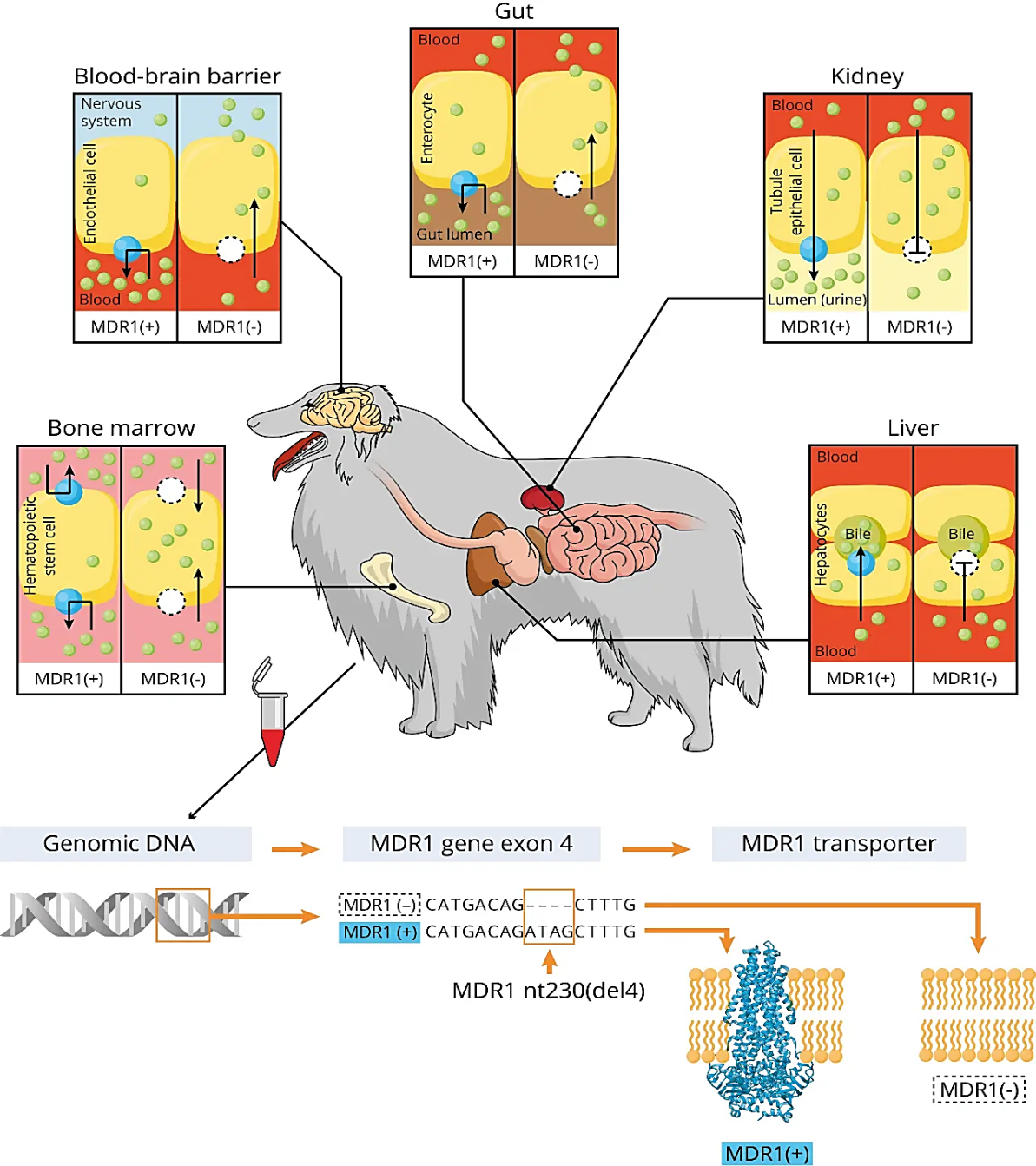
P-glycoprotein (P-gp), which is encoded by the ABCB1 gene (formerly known as "MDR1"), is one of the key factors that determines drug disposition in animals. The intestinal epithelium, biliary canaliculi of the liver, renal tubular cells, and capillary endothelium of the blood-brain barrier are among the tissues that express P-gp, a membrane-bound ATP-dependent efflux pump (Mealey, 2008). P-gp controls oral absorption, restricts entry into the central nervous system (CNS), and encourages excretion through bile and urine (Mealey et al., 2017; 2023). As a result, this transporter serves as a protective "gatekeeper," lowering systemic exposure and avoiding the build-up of potentially dangerous substances.
Many veterinary medications are susceptible to P-gp-mediated disposition due to P-gp's wide substrate specificity, which includes macrocyclic lactones, some chemotherapeutic agents, opioids, cardiac medications, and immunosuppressants (Mealey, 2008). This promotes safer pharmacokinetics in healthy animals with fully functional P-gp by preventing excessive CNS exposure, facilitating elimination, and limiting the oral bioavailability of some medications (thus lowering systemic levels) (Mealey et al., 2023).
Clinical Relevance of P-gp Modulation
Modulation of P-gp activity, whether by using P-gp substrates, co-administration of inhibitors, or accidental transporter saturation, has important clinical implications in veterinary practice. Increased absorption, decreased excretion, and improved tissue (including central nervous system) exposure of the P-gp substrate drug can occur when it is used in conjunction with a P-gp inhibitor (or in an animal with decreased P-gp function) (Mealey et al., 2017).
Understanding a drug's P-gp status and anticipating interactions are critical from a clinical perspective. Veterinarians should check for possible co-treatments that could inhibit P-gp before prescribing a P-gp substrate. If risk is high, they should also think about changing the dosage or using a different medication. This is particularly important in multi-drug regimens (such as immunosuppressive + antiparasitic or chemotherapy combinations) where drug accumulation may be made worse by overlapping P-gp substrate or inhibitor properties (Mealey et al., 2023; Mealey & Burke, 2025).
Genetic Deficiency and Breed Sensitivity (MDR1 Mutation)
One of the most clinically significant findings in veterinary pharmacogenetics is the discovery of a 4-base pair deletion mutation in the ABCB1 gene (ABCB1-1Δ), most commonly identified in herding-breed dogs such as collies (Fig. 1), Australian shepherds, and Shetland sheepdogs (Mealey, 2008; Geyer & Janko, 2012). This mutation leads to production of a truncated, non-functional P-gp protein, resulting in impaired drug efflux across key physiological barriers, including the blood–brain barrier, intestinal epithelium, liver, and kidneys (Nürnberger et al., 2021). These results highlight the significance of careful medication selection and genetic testing (when practical) for veterinary patients, especially in breeds known to have ABCB1 mutations, as summarized in Table 1.
CYTOCHROME P450 (CYP) ENZYME INDUCTION AND INHIBITION
CYP Isoenzymes in Veterinary Species
Animal phase I drug-metabolizing systems are largely composed of the cytochrome P450 (CYP) superfamily. Several CYP isoforms that resemble human CYP functionality have been found in veterinary species, especially dogs and cats, though they differ significantly. For example, it has been demonstrated that cats express CYP1A1/2, 2D6, 3A131, and 3A132, whereas dogs express isoforms like CYP1A1/2, 2C21, 2D15, and 3A12 (Antonovic & Martinez, 2011; Sasaki & Shimoda, 2015). Direct extrapolation of drug metabolism or interaction data from humans to veterinary species is frequently unreliable due to these species-specific CYP expression patterns and inter-individual variability. Therefore, when prescribing for companion animals, metabolism-dependent interactions need to be carefully considered (or avoided) (Antonovic & Martinez, 2011; Court, 2013).
| Drug (or drug class) | P-gp status | Species | Clinical Implication |
|---|---|---|---|
| Ivermectin (and other macrocyclic lactones) | Substrate | Dogs (especially with ABCB1-1Δ / “MDR1 mutation”); cats also reported. | Risk of neurotoxicity (CNS build-up) or other toxicity in P-gp deficient animals or with co-administered P-gp inhibitors. |
| Doxorubicin (anticancer agent) | Substrate (chemotherapy drug) | Dogs, documented in genotyped dogs | P-gp status may influence drug resistance, distribution, toxicity; critical in oncology. |
| Vincristine / Vinblastine | Substrate | Dogs (especially in oncology) | Risk of toxicity (e.g. neutropenia, neurotoxicity) if P-gp activity impaired. |
| Maropitant (anti-emetic) | Substrate (in vitro + some dog data) | Dogs (genotyped) | Potential for altered drug distribution / increased sensitivity in P-gp deficient dogs. |
| Acepromazine (sedative / tranquilizer) | Substrate (some evidence) | Dogs (genotyped) | Risk of exaggerated sedation or adverse effects in P-gp compromised animals. |
| Ketoconazole (azole antifungal) | P-gp inhibitor (and substrate in some contexts) | Dogs, used as inhibitor in P-gp interaction studies | Inhibits P-gp → co-administered P-gp substrates may accumulate, increasing risk of toxicity. |
| Diltiazem / Verapamil / calcium-channel blockers | Substrates (and/or P-gp ligands) | Dogs (and potentially other species) | P-gp modulation may affect pharmacokinetics, especially for co-administered substrates. |
| Erythromycin / fluoroquinolones / tetracyclines | Substrate (or P-gp-interacting) in some data sets | Dogs (and possibly other species) | Potential for altered absorption / excretion; in P-gp dysfunction risk of increased drug exposure. |
Inducers and Inhibitors of CYP Pathways
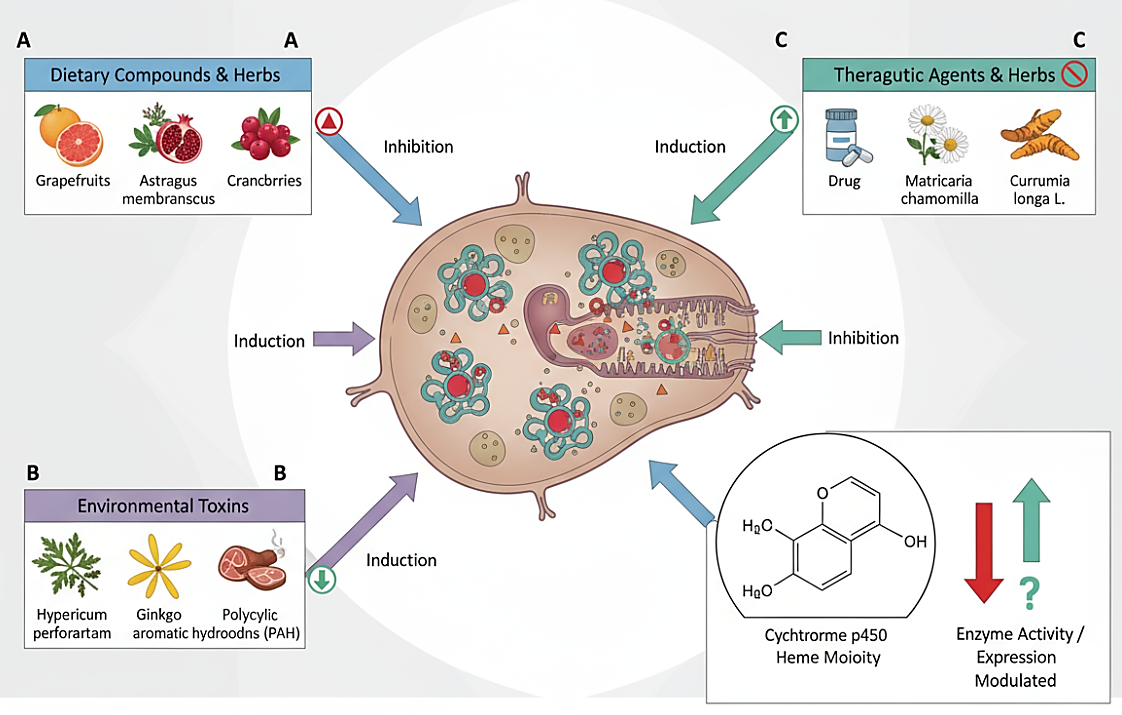
In veterinary medicine, CYP-mediated interactions frequently result from these enzymes' induction or inhibition (Fig. 2). By activating nuclear receptors like the constitutive androstane receptor (CAR), pregnane X receptor (PXR), or aryl hydrocarbon receptor (AhR), enzyme inducers raise the expression of CYPs and improve the metabolism of co-administered drugs (Antonovic & Martinez, 2011; Sasaki & Shimoda, 2015). On the other hand, CYP activity can be suppressed by inhibitors like ketoconazole or some fluoroquinolones, which lowers drug clearance, raises parent drug plasma levels, and increases the risk of toxicity (Sasaki & Shimoda, 2015; Flockhart & Oesterheld, 2000).
Species-Specific Variations in CYP Activity
These interactions may have serious clinical repercussions. For instance, co-administration of a medication metabolized by a CYP isoform with a strong inhibitor may cause the parent drug to accumulate, which could result in organ toxicity, increased side effects, or overdose. On the other hand, induction can decrease the effectiveness of a treatment by increasing the production of potentially harmful metabolites or speeding up clearance (Flockhart & Oesterheld, 2000; Sasaki & Shimoda, 2015).
ABSORPTION INTERACTIONS
The pH of the gastrointestinal tract, the presence of chelating agents, and competition for binding or transport mechanisms are some of the factors that affect drug absorption from the gastrointestinal tract. Although they can significantly affect bioavailability and therapeutic outcomes, absorption interactions in veterinary patients are frequently overlooked.
Chelation and Reduced Bioavailability
Chelation between drug molecules and divalent or trivalent cations (such as calcium, magnesium, or iron) or other binding agents found in feed, antacids, mineral supplements, or GI-protectant drugs (sucralfate) is a frequent mechanism of
absorption-based interaction. When an antibiotic, like a tetracycline or fluoroquinolone, is bound by a chelating agent, the resulting complex may not be absorbed, decreasing oral bioavailability and therapeutic efficacy. This mechanism is especially important for veterinary species that are given oral antimicrobials along with diets high in minerals, supplements, or antacids (Koch et al., 2012).
pH-Dependent Absorption Interference
Drug absorption and dissolution are significantly influenced by the pH of the gastrointestinal tract. When administered in conjunction with antacids, GI-protectants, or acid-suppressive medications, drugs whose solubility or ionization is highly pH-dependent may have altered absorption. Changes in pH have the potential to decrease drug absorption, postpone the onset of action, or result in irregular plasma levels. Predicting absorption may be made more difficult in veterinary practice by differences in gastric pH between species (or individual animals), such as between monogastric companion animals, ruminants, or hindgut fermenters. In order to reduce absorption interference, medications that need acidic dissolution or that are sensitive to ionization states should be administered with consideration for timing, formulation, and concurrent medications (Flood & Stewart, 2022).
PHARMACODYNAMICAL INTERACTIONS AND COMBINED TOXICITY
When medications work either antagonistically or synergistically at their targets, pharmacodynamic interactions take place, as summarized in Table 2. Several commonly used drug combinations carry an elevated risk of GI, renal, hematologic or CNS toxicity.
Additive and Synergistic Toxicities
Drugs may interact at the level of their pharmacodynamic effects, which go beyond pharmacokinetic mechanisms (transporters, enzymes, absorption). Additive or even synergistic toxicity may result from the combined use of two or more medications that have similar or overlapping effects (e.g., on the GI tract, kidney, CNS, or cardiovascular system). For instance, the risk of gastrointestinal ulceration, bleeding, or perforation may be significantly increased when a corticosteroid and a non-steroidal anti-inflammatory drug are taken together.
Renal and Gastrointestinal Adverse Outcomes
The gastrointestinal or renal systems are particularly vulnerable to certain drug combinations. For example, combinations of NSAIDs, diuretics, and medications that affect renal perfusion (like ACE-inhibitors) can reduce glomerular filtration, impair renal blood flow, and cause acute kidney injury, particularly in animals that are dehydrated or have lost volume. In other situations, medications that irritate the gastrointestinal mucosa in combination with medications that prevent mucosal protection (such as corticosteroids) may cause bleeding, ulcers, or a decrease in the ability of the mucosa to heal (Lucas et al., 2018).
Pharmacogenetics and Species Vulnerability
Drug reaction is greatly impacted by genetic differences. Pharmacogenetic testing is essential for precision veterinary medication since these genetic characteristics alter metabolism, transporter activity, and clearance rates (Mealey et al., 2023).
Animal drug disposition and safety are significantly influenced by genetic polymorphisms in drug-handling genes. One well-known example is a deletion change in the ABCB1 gene that causes P-glycoprotein (P-gp) to be either non-functional or deficient in some dog breeds, particularly herding breeds like Collies and Australian Shepherds (Gupta, 2012; Mealey et al., 2023). Even at standard dosages, medications that are P-gp substrates, such as macrocyclic lactones, some chemotherapeutics, opioids, and other agents, may build up to toxic levels in these dogs, potentially causing neurotoxicity, GI toxicity, or other serious side effects (Mealey et al., 2003; Mealey & Fidel, 2015).
Pharmacovigilance and Monitoring
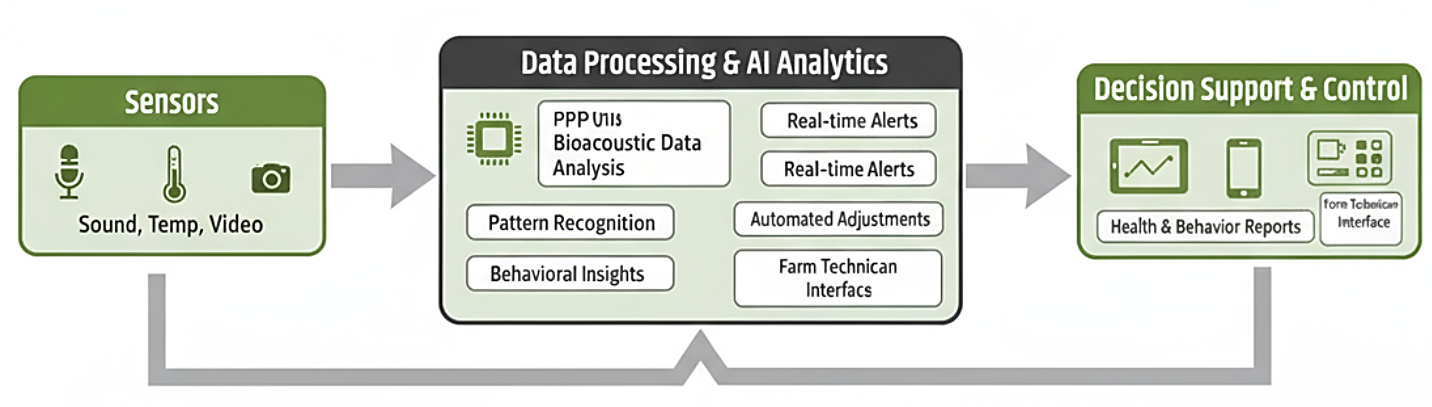
Underreporting and a lack of organized surveillance, however, continue to be worldwide issues (Fig. 3). Systems for active monitoring and reporting should be put in place to raise practitioners' awareness of drug safety (Mekasha et al., 2024).
Current Global Veterinary ADR Reporting Systems
The systematic examination of adverse drug reactions (ADRs) and other unforeseen effects of drugs is known as pharmacovigilance, and it is becoming more widely acknowledged as an essential part of veterinary medicine. To protect animal health and public safety, regulatory bodies around the world have set up frameworks for post-market surveillance of veterinary medications (Bataller & Keller, 1999). Pharmacovigilance systems are maintained in Europe by regulatory bodies like the Veterinary Medicines Department and similar organizations in EU member states to gather, assess, and respond to reports of suspected adverse events (Mekasha et al., 2024).
Monitoring is aided by certain academic and surveillance networks in addition to spontaneous reporting motivated by regulations. For instance, the Small Animal Veterinary Surveillance Network (SAVSNET) looks for suspected adverse drug reactions (ADRs) in small-animal practices using data from electronic health records and free-text analysis (Radford et al., 2011; Davies et al., 2024).
Challenges in Data Collection and Reporting
Widespread underreporting of suspected adverse drug reactions is a significant barrier to veterinary pharmacovigilance. Approximately 90% of the 827 suspected adverse drug reactions found in the most recent review of 10,565 clinical records in smaller-animal practice were not reported to regulatory authorities (Davies et al., 2024). Data quality and standardization present significant challenges in addition to quantity (Mouiche et al., 2019).
Veterinary pharmacovigilance must operate across a broad range of species, breeds, and each of which has a unique physiology, drug use, and management context. In contrast to human medicine, where established standards facilitate data harmonization, this species diversity makes it more difficult to develop uniform phrases and classification systems. Mobile-based reporting app adoption is a new trend. Furthermore, fragmentation is caused by disparate reporting requirements and regulatory frameworks across nations. In certain areas, pharmacovigilance laws are well-established and reporting is required; in other areas, formal systems are absent or reporting is only loosely enforced (Mouiche et al., 2019).
FACTORS MAKING ANIMALS MORE VULNERABLE TO DRUG INTERACTIONS AND SIDE EFFECTS
Species and Inter-Species Metabolic Differences
The ability of various animal species (and even breeds within species) to absorb, distribute, metabolize, and excrete drugs varies significantly. For instance, companion species display significant hepatic enzyme variation, whereas ruminants display considerable ruminal metabolism and hepatic first-pass differences. Recent comparative in-vitro and in-vivo research shows that glucuronidation and other phase II processes differ significantly between species and tissues; these variations directly affect drug clearance and interaction potential (Curry & Whelpton, 2022; Asare et al., 2024).
| Drug Combination | Interaction Type | Outcome / Risk |
|---|---|---|
| NSAID + Corticosteroid | Additive / synergistic damage to gastrointestinal (GI) mucosa | Gastrointestinal ulceration, bleeding, perforation (especially in chronic use) |
| NSAID + other nephrotoxic drug (e.g. aminoglycoside) | Additive nephrotoxicity / reduced renal reserve | Increased risk of renal damage / failure (depending on dose, hydration, comorbidities) |
| NSAID + Anticoagulant (or anti-platelet) (e.g. warfarin, aspirin/clopidogrel) | Additive effect on clotting/hemostasis + mucosal irritation/bleeding risk | Increased risk of serious GI bleeding or hemorrhage |
| Antidepressant / serotonergic drug + other serotonergic/MAOI / serotonergic-acting drug | Additive / synergistic serotonergic effect | Risk of serotonin syndrome (e.g. with MAO inhibitors + SSRIs/triptans, or multiple serotonergic agents) |
| Opioid (or CNS-depressant) + Another CNS depressant (benzodiazepines / sedatives / antihistamines) | Additive CNS depressant / respiratory depressant effect | Increased risk of profound sedation, respiratory depression, overdose, falls, especially in vulnerable patients or with high doses |
| Beta-blocker (or other rate-slowing drug) + Calcium-channel blocker (or other cardiac depressant) | Additive negative chronotropic / inotropic effect | Bradycardia, hypotension, AV block, risk of hemodynamic instability |
| Statin (or drug metabolized by CYP / hepatic route) + Potent CYP inhibitor / interacting drug (e.g. certain antifungals, macrolides) | Reduced metabolism, increased drug levels / toxicity risk | Myopathy/rhabdomyolysis, other dose-dependent adverse effects |
Breed-Specific Genetic Polymorphisms (Pharmacogenetics)
Dramatic drug sensitivity can result from genetic variations. The MDR1/ABCB1 (P-glycoprotein) deletion, which is present in Collies, Australian Shepherds, and allied herding breeds, is a well-known example. Affected animals are vulnerable to neurotoxicity from macrocyclic lactones (ivermectin, moxidectin) and other P-gp substrates. These mutations are therapeutically relevant for routine parasiticide administration and for choosing safe medication combinations, as demonstrated by recent reviews and prevalence investigations (Barroso et al., 2022; Mealey et al., 2023).
Disease States: Hepatic And Renal Impairment, Inflammatory Conditions
Drug exposure and the likelihood of clinically significant interactions are both increased by active disease that compromises liver or kidney function, which lowers metabolic capacity and excretion. Pharmacokinetics can be unpredictably altered by changes in drug-binding proteins and enzyme expression brought on by critical illness and systemic inflammation. When accessible, clinicians should use TDM or dose-adjust and prioritize medications with non-hepatic/renal clearance (Mekasha et al., 2024).
Polypharmacy and Off-Label Use / Extra-Label Dosing
Extra-label usage, which is common in veterinary practice when species-specific licensed medications are not accessible, increases risk because there is frequently insufficient data regarding interactions. The necessity of routinely reviewing prescription lists and de-prescribing when feasible is emphasized in recent reviews on polypharmacy (Hunter & Isaza, 2017; Alhumaidi et al., 2023).
Owner and Clinical-Related Factors
Post-marketing detection of interaction hazards is hampered by medication errors (incorrect drug, dosage, or frequency) and failure to notify pharmacovigilance systems of suspected adverse drug reactions. Improving reporting rates is crucial to developing the evidence foundation for safe veterinary medication, as recent real-world studies reveal significant underreporting of suspected adverse drug reactions in small-animal practice (Davies et al., 2024).
COMMON DRUG INTERACTIONS IN VETERINARY PRACTICE
Antibiotic Interactions
Penicillins and aminoglycosides: it has long been a clinical practice to combine a β-lactam with an aminoglycoside (gentamicin, amikacin, etc.) in order to expand the spectrum and perhaps achieve synergistic bactericidal effect against specific Gram-negative and enterococcal infections. However, recent studies highlight the subtlety: synergy depends on the organism and circumstances, and if exposure is extended, the combination also raises the risk of aminoglycoside nephrotoxicity and ototoxicity (Deja, 2024; Wale et al., 2024). Obtain baseline renal function and track creatinine/urine output; save β-lactam + aminoglycoside for severe systemic infections or when culture/AST indicates additional benefit; once cultures and susceptibilities allow for de-escalation, stop aminoglycoside early (Deja, 2024).
Tetracyclines with dairy/calcium: When administered with milk, milk-based feeds, or high-mineral rations, tetracyclines form insoluble chelates with divalent cations, significantly decreasing oral bioavailability. This interaction may change residue profiles in milk and cause therapeutic failure in production and companion animals (Deng et al., 2017; Dluhošová et al., 2024). Give oral tetracyclines to nursing animals when they are not being milked or given calcium-rich supplements; note the timing to prevent decreased effectiveness and unanticipated residues (Dluhošová et al., 2024).
Macrolides and cyclosporine interactions: Because they block CYP3A enzymes, macrolide antibiotics, particularly erythromycin and clarithromycin, can raise blood levels of medications that CYP3A metabolizes, most notably cyclosporine. Clinically significant increases in cyclosporine exposure and an increased risk of cyclosporine-associated nephrotoxicity or other side effects are reported in veterinary dermatology and transplant literature when powerful azole antifungals or macrolides are taken together. Strong CYP3A inhibitors should be avoided whenever possible, according to recent veterinary pharmacokinetic research and clinical evaluations (Ebner, 2003). If a cyclosporine-treated patient requires a macrolide, anticipate higher cyclosporine exposure, regularly evaluate trough levels and renal panel, and be ready to lower the cyclosporine dosage.
NSAIDs and Corticosteroids - GI Toxicity and Nephrotoxicity
Systemic corticosteroids and NSAIDs both raise the risk of renal side effects and gastrointestinal (GI) ulcers on their own; when taken together, these risks are additive (and often synergistic). While corticosteroids can raise gastric acid secretion, weaken mucosal defenses, and encourage protein catabolism, NSAIDs decrease the synthesis of renal prostaglandins, which are vasodilatory prostaglandins crucial for sustaining renal perfusion, particularly in hypovolemic or hypotensive animals. Concurrent use of systemic corticosteroids and NSAIDs significantly increases the incidence of GI ulceration, GI hemorrhage, and acute kidney injury in dogs and cats, especially in older animals, dehydrated patients, animals with pre-existing renal or hepatic disease, or those receiving other nephrotoxic drugs (De Santis et al., 2022; Wun et al., 2025). Avoid routinely co-prescribing NSAIDs and systemic corticosteroids; if necessary, use the lowest effective dosages, conduct baseline hepatic and renal testing, stay hydrated, and keep a close eye on renal panels, fecal occult blood, or symptoms of GI bleeding. When possible, switch to alternate analgesia or think about topical or local treatments (De Santis et al., 2022).
Sedatives and Anesthetics
Injectable/inhalational anesthetics and sedatives have synergistic or additive effects on the central nervous system (CNS) and frequently cause dose-dependent cardiopulmonary depression (bradycardia, hypotension, respiratory depression). These effects can be made worse by co-administration of other medications, such as sedative tranquilizers, antiarrhythmics, or some antibiotics that extend QT. Pre-anesthetic risk assessment, titration to effect, invasive/noninvasive monitoring during anesthesia (ECG, blood pressure, pulse oximetry, capnography), and preparedness to offer cardiovascular support (atropine/anticholinergics, fluids, inotropes/vasopressors) are all highlighted in current guidelines (Fernández et al., 2023; Creighton & Lamont, 2024). Review concomitant drugs at all times. Pre-anesthesia (including owner-administered sedatives and herbal supplements), lower dosages when mixing sedatives, minimize inhalant concentrations with multimodal analgesia, and maintain careful cardiac monitoring (Creighton & Lamont, 2024).
Antiparasitic combinations - ivermectin and other P-gp substrates (toxicity risk)
P-glycoprotein substrates include macrocyclic lactones and a number of other medications. Dogs with ABCB1/MDR1 loss-of-function mutations, common in Collies, Australian Shepherds, and other herding breeds, are more vulnerable to severe neurologic toxicity at levels that breeds may tolerate because of decreased efflux of P-gp substrates at the blood–brain barrier. The frequency of MDR1 variations, clinical indicators of toxicity, and drug-drug interactions that potentially exacerbate exposure are reviewed in recent veterinary genetic and pharmacovigilance literature (Mealey et al., 2001; 2023). Search for MDR1 risk breeds in the herd history; if therapy calls for a P-gp substrate, select substitute medications or use lower dosages under careful neurologic observation; Avoid giving P-gp inhibitors at the same time (Mealey et al., 2023).
FUTURE DIRECTIONS
In veterinary pharmacology, drug interactions and adverse effects continue to be major problems. Safe dosage options are complicated by species genetics, concomitant illnesses, and interactions between transporters and enzymes. Pharmacodynamic synergy, absorption interference, and transporter or enzyme regulation are the main causes of veterinary medication interactions. Better prediction and prevention of ADRs are made possible by knowledge of these mechanisms (Lee et al., 2024). To describe species-specific interactions, improvements in comparative metabolomics and PK/PD modeling are required. Pharmacologists, geneticists, and doctors working together will expedite the development of safe drugs (Mekasha et al., 2024). Veterinarians should check for drug interactions, take genetic profiles into account, keep a constant eye on therapy, and report any suspected adverse drug reactions. Animal welfare and therapeutic success will be improved by integrating pharmacogenetics and pharmacovigilance into routine practice (Mealey et al., 2023).
References
- Alhumaidi RM, GA Bamagous, SM Alsanosi et al., 2023. Risk of polypharmacy and its outcome in terms of drug interaction in an elderly population: a retrospective cross-sectional study. Journal of Clinical Medicine 12:3960.
- Antonovic L & M Martinez, 2011. Role of the cytochrome P450 enzyme system in veterinary pharmacokinetics: where are we now? Where are we going? Future Medicinal Chemistry 3:855-79.
- Asare E, S Emmanuel, T Du et al., 2024. Impact of species and tissue differences on in vitro glucuronidation of diclofenac. Molecules 29:5867.
- Barroso MC, A Grilo, S Aguiar et al., 2022. Occurrence of MDR1 1-delta mutation in herding dog breeds in Portugal. Frontiers in Veterinary Science 9:990884.
- Bataller N & WC Keller, 1999. Monitoring adverse reactions to veterinary drugs: pharmacovigilance. Veterinary Clinics of North America: Food Animal Practice 15:13-30.
- Court MH, 2013. Feline drug metabolism and disposition: pharmacokinetic evidence for species differences and molecular mechanisms. The Veterinary Clinics of North America. Small Animal Practice 43:1039-54.
- Creighton CM & LA Lamont, 2024. Sedatives and tranquilizers. In: Veterinary Anesthesia and Analgesia (Lamont LA, KA Grimm, S Robertson et al., Eds.): Wiley-Blackwell, Hoboken, USA, pp: 333-54.
- Curry SH & R Whelpton, 2022. Drug disposition and pharmacokinetics: principles and applications for medicine, toxicology and biotechnology. 2nd Ed: John Wiley and Sons, Hoboken, USA.
- Davies H, Blackwell E, IS Fins et al., 2024. Recording of suspected adverse drug reaction reporting in veterinary free‐text clinical narratives. Journal of Small Animal Practice 65: 361-7.
- De Santis F, A Boari, F Dondi et al., 2022. Drug-dosing adjustment in dogs and cats with chronic kidney disease. Animals 12:262.
- Deja EN, 2024. Aminoglycoside antibiotics: Trying to find a place in this world. Clinical Microbiology Newsletter 46:4-10.
- Deng J, X Zhu, Z Chen et al., 2017. A review of food-drug interactions on oral drug absorption. Drugs 77:1833-55.
- Dluhošová S, K Bartáková, L Vorlová et al., 2024. Dairy chain safety in the context of antibiotic residues current status of confirmatory liquid chromatography methods: a review. Antibiotics 13:1038.
- Ebner PD, 2003. Integrons: Antibiotic resistance gene capturing systems and their prevalence in bacteria associated with animals. PhD Dissertation, The University of Tennessee, Knoxville, TN, USA, pp. 112.
- Fernández CJ, SQ Carmona, CM Bernal et al., 2023. Sedation quality and cardiorespiratory, echocardiographic, radiographic and electrocardiographic effects of intramuscular alfaxalone and butorphanol in Spanish greyhound dogs. Animals 13:2937.
- Flockhart DA & JR Oesterheld, 2000. Cytochrome P450-mediated drug interactions. Child and Adolescent Psychiatric Clinics of North America 9:43-76.
- Flood J & AJ Stewart, 2022. Non-steroidal anti-inflammatory drugs and associated toxicities in horses. Animals 12:2939.
- Geyer J & C Janko, 2012. Treatment of MDR1 mutant dogs with macrocyclic lactones. Current Pharmaceutical Biotechnology 13:969-86.
- Gupta RC, 2012. Veterinary toxicology: basic and clinical principles, Second Edition. Academic Press, Boston, USA.
- Hunter RP & R Isaza, 2017. Polypharmacy in zoological medicine. Pharmaceutics 9:10.
- Koch SN, MF Sheila, DC Plumb et al., 2012. Canine and feline dermatology drug handbook, First Edition. John Wiley and Sons, Ames, IA, USA.
- Lee J, JL Beers, RM Geffert et al., 2024. A review of CYP-mediated drug interactions: mechanisms and in vitro drug-drug interaction assessment. Biomolecules 14:99.
- Lucas GNC, ACC Leitao, RL Alencar et al., 2018. Pathophysiological aspects of nephropathy caused by non-steroidal anti-inflammatory drugs. Brazilian Journal of Nephrology 41:124-30.
- Mealey K, S Dassanayake & NS Burke et al., 2017. Establishment of a cell line for assessing drugs as canine P‐glycoprotein substrates: Proof of principle. Journal of Veterinary Pharmacology and Therapeutics 40:545-51.
- Mealey K & J Fidel, 2015. P‐glycoprotein mediated drug interactions in animals and humans with cancer. Journal of Veterinary Internal Medicine 29:1-6.
- Mealey KL, 2008. Canine ABCB1 and macrocyclic lactones: heartworm prevention and pharmacogenetics. Veterinary Parasitology 158:215-22.
- Mealey KL, SA Bentjen, JM Gay et al., 2001. Ivermectin sensitivity in collies is associated with a deletion mutation of the mdr1 gene. Pharmacogenetics and Genomics 11:727-33.
- Mealey KL & NS Burke, 2025. Assessment of clinically relevant drugs as feline P-glycoprotein substrates. Frontiers in Veterinary Science 12:1668282.
- Mealey KL, JG Owens & E Freeman et al., 2023. Canine and feline P‐glycoprotein deficiency: What we know and where we need to go. Journal of Veterinary Pharmacology and Therapeutics 46:1-16.
- Mouiche MMM, BZN Njingou, F Moffo, et al., 2019. Veterinary pharmacovigilance in sub-Sahara Africa context: a pilot study of adverse reactions to veterinary medicine in Cameroon. BMC Veterinary Research 15:301.
- Nürnberger D, SF Muller, M Hamann et al., 2021. First sequencing of caprine Mdr1 (Abcb1) mRNA due to suspected neurological adverse drug reaction in a Thuringian goat following extra-label use of doramectin. Frontiers in Veterinary Science 8:682393.
- Radford A, PJ Noble, KP Coyne et al., 2011. Antibacterial prescribing patterns in small animal veterinary practice identified via SAVSNET: the small animal veterinary surveillance network. Veterinary Record. 169:310.
- Sasaki K & M Shimoda, 2015. Possible drug-drug interaction in dogs and cats resulted from alteration in drug metabolism: A mini review. Journal of Advanced Research 6:383-92.
- Mekasha YT, S Nigussie, AW Mekonen et al., 2024. A narrative review of veterinary pharmacovigilance situations and prospects in East African countries. Frontiers in Veterinary Science 11:1430587.
- Wale YM, JA Roberts, ZT Wolie et al., 2024. Is there evidence on the optimal duration of aminoglycoside therapy in ß-lactam/aminoglycoside combination regimens used for the treatment of gram-negative bacterial infections? A systematic review. International Journal of Antimicrobial Agents 64:107297.
- Wun MK, MH Court, NF Villarino et al., 2025. The association between injectable non-steroidal anti-inflammatory drugs and acute kidney injury in dogs and cats. Veterinary Anaesthesia and Analgesia 52:730-6.