
INTRODUCTION
Poultry diseases are a major public health problem worldwide, affecting millions of people every year (Ullah et al., 2024). The poultry industry has suffered a range of public health calamities over the years, from ongoing threats including Salmonellosis and E. coli infection, to outbreaks of bird flu and other viruses infecting meat-plant workers. It was the early 1990s when there were severe episodes of hydropericardium syndrome and infectious bursal disease. Additionally, before the industry could regain its position, disaster struck in the form of an Apocalyptic avian influenza outbreak in 1994, which resulted in an enormous mortality rate of up to 80% in parent flocks across certain areas of Pakistan (Moryani et al., 2020). The widespread application of allopathic antibiotic growth promoters (AGPs) over the past five decades has substantially improved poultry productivity; however, it has also accelerated the emergence of antimicrobial resistance (AMR), a critical global health issue recognized by the World Health Organization (WHO). This escalating challenge has driven intensive research toward the development of safe, sustainable, and environmentally sound alternatives to conventional AGPs (Rafiq et al., 2022). Thus, the demand for alternative medicines to counteract the therapeutic limitations has given rise to widespread interest in eco-friendly feed supplements that proved as highly efficient as AGPs in broiler chicken (Salim and Khalleduzzaman, 2021).
Treating diseases through medicinal plants is an ancient and worldwide practice which currently has been validated by scientific research. Even though it is believed that there are approximately 20,000 higher plant species utilized worldwide in traditional therapy, their safety and efficacy in use are not fully understood. Importantly, the pharmacological and apparent physiological properties of these herbs are closely related to the multi-ingredient profiling of extracted bioactive compounds (Ullah et al., 2024). Herbal medicines (herbs) and products of herbs like extracts and essential oils are being used as dietary supplements to replace the conventional allopathic drugs. As natural phytogenic feed additives (PFAs) in poultry diets, these constituents have an important role in the improvement of broilers' meat production (Franz et al., 2020). These herbs improve the health and productivity of layers by stabilizing the effect on poultry intestinal microflora to avoid pathogen development, also enhances in activity and production of endogenous digestive enzymes (Jamil et al., 2024). A wide variety of commonly known herbs and plant extracts are used as natural antimicrobial agents in poultry; aloe vera, garlic, wild mint, thyme, cinnamon, chestnut leaves and cloves have been the most commonly reported (Aroche et al., 2019). Besides these various botanicals like alfalfa, turmeric, sumac powder, mushroom to grape seed are other alternatives for treatment of some ailments and live weight gain in poultry (Hajati et al., 2014).
In addition, giloy, tabasheer vaghayani, anwara gadamri, black cuminbfonium and goldthread mulberry leaf Honey suckle are considered as spice/fodder/trees/toxic plants which have used against diseases. The bioactive constituents contained in the extracts and essential oils of these medicinal herbs above contribute to the wide range of properties. As phytogenic feed additives, these substances exert a multi‐faceted effect, including growth promotion and appetite stimulation, along with strong antimicrobial (antibacterial and antifungal), diuretic, anthelmintic, and alkaline phosphatase stimulating effects (Hajati et al., 2014; Moryani et al., 2020). Similarly, medicinal plants of Pakistan are used in traditional medicine for the treatment of different infections (Jamil et al., 2022). Natural products serve as one of the most valuable sources for new drugs, since their derivatives are of great value for further synthetic manipulation and bioactive improvement (Majeed et al., 2021). Agricultural natural products constitute valuable sources of bioactive phytochemicals capable of enhancing broiler growth performance and overall health status. In view of the well-established roles of medicinal plants in promoting growth and alleviating disease conditions, and considering the paucity of local scientific investigations in Pakistan, the present study was designed to systematically evaluate selected traditional herbal formulations for their potential effects on the productive performance of broiler chickens.
MANAGEMENT OF POULTRY DISEASES WITH BOTANICALS
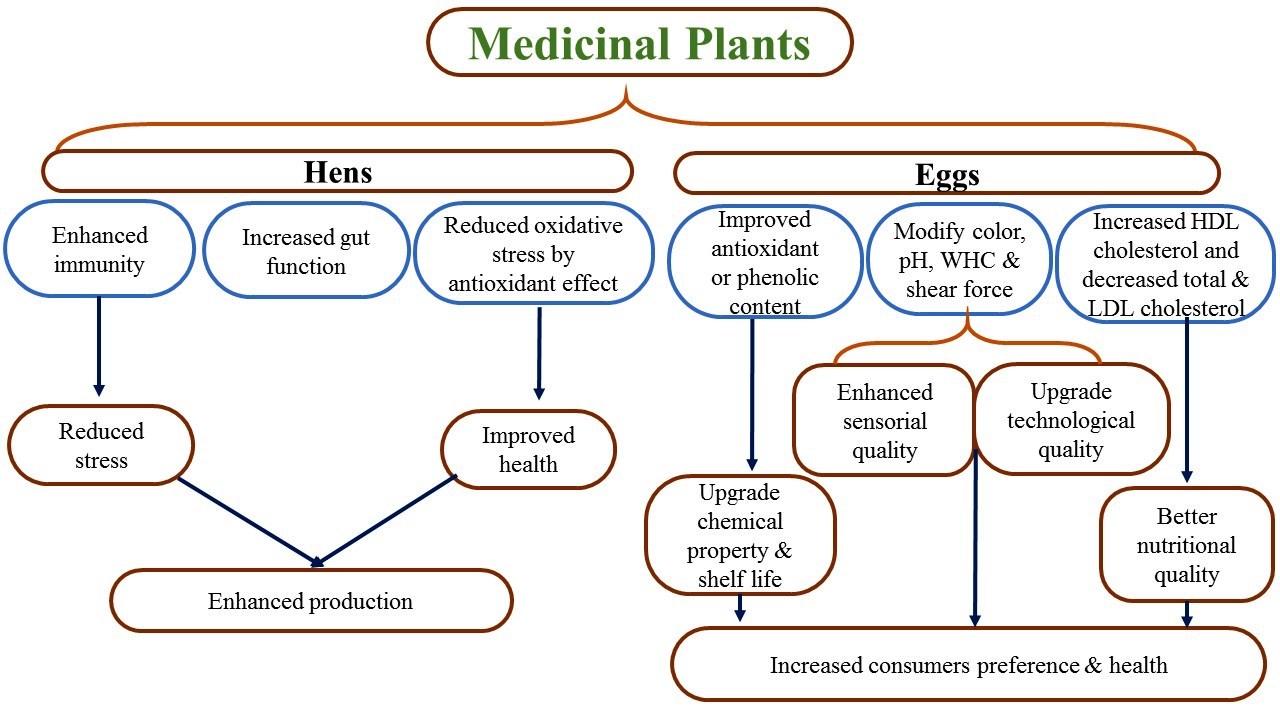
Some of the most important bacterial diseases that are responsible for huge economic losses in poultry include Salmonellosis, Colibacillosis and Clostridiosis. The pathogenesis of these diseases, overprinted by worldwide coccidial infections such as coccidiosis, invariably leads to severe clinical symptoms [anorexia, diarrhea, apathy, and poor performance (e.g., decreased weight gain and feed conversion) and increased mortality] (Farinacci et al., 2022). Coccidiosis, a debilitating intestinal disease caused by Apicomplexa parasites, is closely linked to enhanced colonization of pathogenic gut bacteria. Among the causative agents, Eimeria tenella is considered the most virulent and economically significant species in chickens (Ojimelukwe et al., 2018). These protozoan parasites invade and multiply within intestinal epithelial cells, causing cell lysis and subsequent tissue damage that leads to reduced feed intake, dehydration, intestinal hemorrhage, poor performance, and increased mortality (Noack et al., 2019). Therefore, efficient therapeutic and prophylactic solutions against avian diseases induced by bacterial and protozoal pathogens must present a broad spectrum (antibacterial, antiprotozoal, antidiarrheal, anti-inflammatory effects), ability to reduce adherence of pathogen to gastrointestinal mucosa and analgesic properties. Fig. 1 demonstrates the functional pathways of medicinal plants in enhancing poultry health and performance.
Farmers throughout Europe have traditionally used many plant species for Poultry disease prophylaxis and treatment, as shown by the 13 individual plant species reported in Switzerland (Mertenat et al., 2020). In a recent investigation of European ethnoveterinary knowledge, references were found on the traditional use in poultry from across Europe of 63 plant species associated with more than 25 uses, most of them related to diseases such as parasitosis and gastrointestinal disorders (Mayer et al., 2017). The use of numerous medicinal plants for the treatment of gastrointestinal inflammation and digestive disorders was recently described by German veterinary herbal medicine references. Consistent with this common or traditional use, several in vitro and in vivo studies, as well as clinical trials, have shown the corresponding effectiveness of numerous herbs and their compounds to support their utility for modern dietary supplements to maintain gut health (Gadde et al., 2017). A recent systematic review, with the main objective of analyzing medicinal plants as a source of treatment for gastrointestinal and respiratory diseases in livestock production systems, calls attention to the high number of studies that were carried out in vivo, especially focusing on poultry (Farinacci et al., 2022). These findings highlight the growing scientific interest in plant-based alternatives that can enhance animal health while reducing reliance on conventional antibiotics.
VIRAL DISEASES
Newcastle Disease
Many medicinal plants have powerful antiviral and immune stimulant activity against the devastating Newcastle disease (ND). These naturally occurring compounds offer an important solution to both the conventional synthetics, combating the challenge of drug-resistance in pathogens, as well as chemical residues in meat. Hence, to achieve a chemoprophylaxis-free farming, the active molecules of these pharmacologically‐proved plants are required to be extracted and formulated for their efficient incorporation in practice with poultry diet (Shakir et al., 2025). Compounds of Artemisia annua were obtained by the decoction method and tested in chicken embryos for their potential to inhibit NDV (Raza et al., 2015). Thus, the extracts were observed to effectively suppress the growth of NDV.
Adenovirus
Adenoviruses can cause various diseases in humans and animals, generally following a pattern of persistent asymptomatic infection with occasional viral shedding. Adenoviruses lead to gastroenteritis (stomach lining) and conjunctivitis (eyes), by infecting the epithelial lining of these organs, as well as colonizing the mucous membranes of the respiratory and urinary tract, with several additional symptoms being manifest (Fitzgerald et al., 2020). It is known that green tea catechins, especially Epigallocatechin Gallate (EGCG), inhibit adenovirus proteases correlated to cancer metastasis. EGCG has potent intracellular activity that acts on one or more late-stage viral entry steps. Importantly, fowl adenovirus type-4 (FAdV-4), was shown in both in vitro and in vivo studies against an inclusion body hepatitis-hydropericardium syndrome (IBH-HPS) virus challenge in broiler chickens to have its activity tested for green tea and pure catechins confirmed (Zhang et al., 2024).
Avian Infectious Bronchitis Virus (IBV)
The infectious bronchitis virus (IBV) is a member of the Gammacoronavirus and was first isolated in chickens in 1931. It became an important animal virus. Despite extensive vaccination, this avian coronavirus continues to be a serious global economic threat to the domestic poultry industry, causing high rates of morbidity and mortality combined with a severe decline in eggs and meat production worldwide (Parvin et al., 2021). Live attenuated vaccines are still the norm for protection and control against infectious brain disease, but the increasing genetic diversity of these viruses - compounded by the frequent appearance of new strains - is negatively affecting vaccine efficacy.
Several plant extracts demonstrated potent antiviral activity against infectious bronchitis virus, with Mentha piperita, Desmodium canadense and Thymus vulgaris proving effective during both pre- and post-infection stages (Lelesius et al., 2019). Drugs like Saint John's Wort (Hypericum perforatum L.) have been investigated for their pharmacological profile; its extracts containing compounds (hypericin (HY), quercetin, pseudo hypericin and quercitrin) were tested for anti-IBV activity. The mechanism is to elevate type I IFN by the direction of MDA5, but downregulate pro-inflammatory cytokines' mRNA (TNF-α and IL-6) expression through the NF-KB signaling pathway (Rao et al., 2025).
Avian Influenza Virus (AIV)
Moreover, avian influzenza virus (AIV), an important pathogen of the family Orthomyxoviridae causing huge economic losses worldwide in the poultry industry (Parvin et al., 2018), is also a major global threat to the poultry industry. The AIV genome is composed of 8 single-stranded, negative-sense RNA segments which encode approximately 11 proteins. Subtyping refers to the surface proteins hemagglutinin (HA), which mediates viral attachment, and neuraminidase (NA), which facilitates viral release. Thus, in line with these observations, a polyphenol-enriched extract from Rumex acetosa suppresses AIV replication by downregulating viral particle attachment to the target cells (Abbas et al., 2022). Psoraleae semen water extract (WPS), as an antiviral reagent with potent efficacy, has potential as a new anti-influenza agent. In a previous study, reported that 100 μg/mL of WPS was able to significantly reduce influenza virus in RAW (Murine macrophage-like cell line) 264.7 and MDCK (Madin-Darby canine kidney) cells Choi et al., 2016). The results of their studies confirmed WPS to be both an immunomodulator and inhibitor for HA and NA in influenza. They also suggested that WPS could be a promising antiviral therapeutic candidate, based on the findings that disrupted infection through the Type I Interferon (IFN)-mediated signaling pathway in RAW 264.7 cells when being treated with WPS, which was also consistent with previous reports of its direct anti-HA and NA activities.
Bacterial Infections
Bacterial contamination of poultry by Salmonella represents a significant threat to poultry-based food products, as this common food-borne pathogen easily contaminates carcasses from the crop or cloaca of infected chickens at slaughterhouses. Salmonellosis, linked to the ingestion of tainted meat and eggs, is a significant global public health challenge; it causes an approximate 1.4 million cases of disease, ~ 20,000 hospitalizations and more than 500 deaths annually in the US (Olawuwo et al., 2022). Worries that there is a subtherapeutic use of antibiotics for enteric and similar diseases in chickens have increased the interest in alternative effective treatments with antibacterial activity. Given the historical importance of plants as medicine, a study by Patil et al. (2019) investigated the antibacterial potential of rhizome extracts from Curcuma aromatica and Curcuma longa against enteric infections in chicken and their principal phytochemical compounds. It has been reported that the extracts of C. longa and C. aromatica contain significant amounts of pharmacologically important phytochemicals, including alkaloids, flavonoids, terpenoids, steroids, saponins, phenols, and glucosides. Although C. aromatica extracts had a significant inhibition zone of both Escherichia coli and Salmonella enteritidis, C. longa extracts showed only a zone of inhibition against E. coli (Hochma et al., 2021). This study provides valuable insights into the medicinal potential of Curcuma spp. for managing enteric diseases in poultry, highlighting its promise as a natural antibiotic alternative and a functional feed additive to enhance gut health and production performance.
PARASITIC INFECTIONS
To cure parasitic infection, the use of herbs for both control and management of GIT parasites treatment has been a long traditional associated with ethnoveterinary medince that is practice globally (Jamil et al., 2022). Based on ancient practices, ethnoveterinary medicine provides several plant extracts- for instance from onion, garlic and mint seeds to control the parasitic gastroenteritis in cattle and poultry. The neem tree (Azadirachta indica) is a traditional plant from around the world with similar medicinal properties against nematodes. Apart from that, the black seed (Nigella sativa) extract has demonstrated potent anthelmintic activity against poultry helminth by virtue of the phytochemical thymoquinone supplemented with other bioactive compounds which enhances the nutritional and immune host status (Ishaq et al., 2023).
KEY BIOACTIVE PHYTOCHEMICAL CLASSES AND MECHANISMS
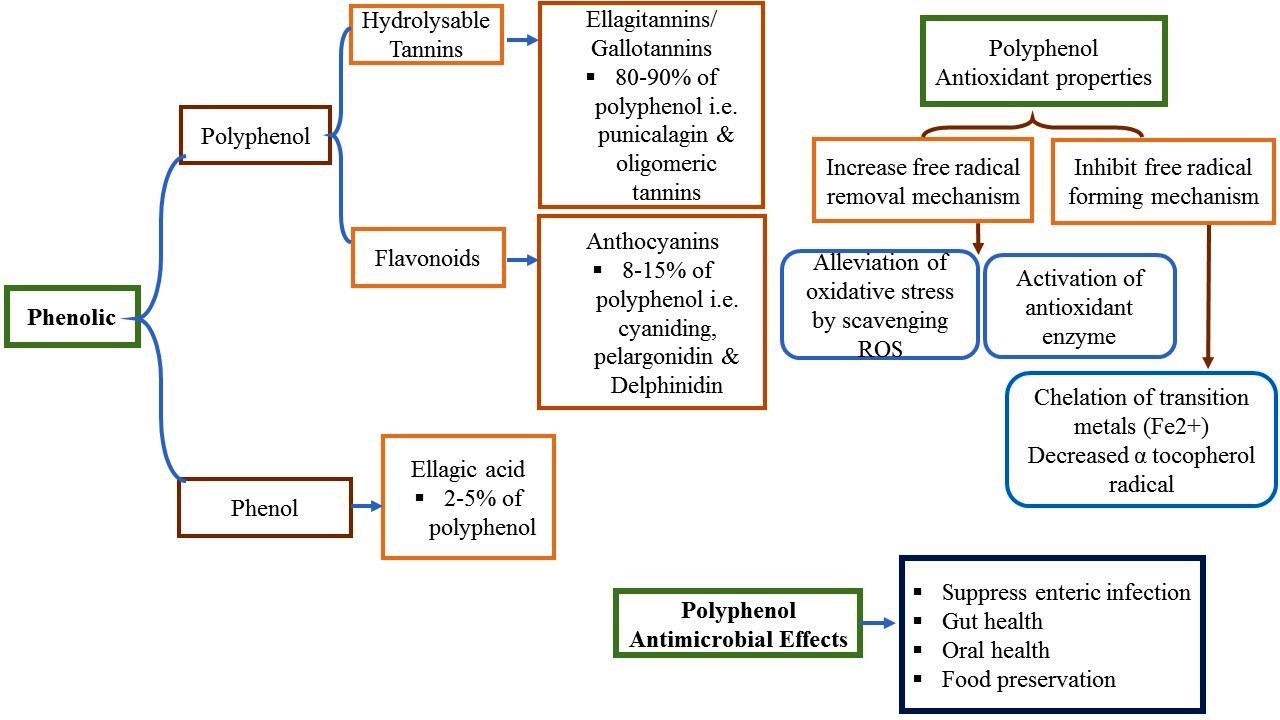
Phytochemicals, also called phytonutrients, are naturally occurring bioactive compounds that are abundant in such foods as fruits and vegetables, whole grains, nuts and seeds, legumes and tea and even dark chocolate. Although there are tens of thousands of these compounds, so far only a few have been discovered that are isolated mainly from the plants (Singh and Chaudhuri, 2018; Xiao and Bai, 2019). Food phytochemicals: commonly includes polyphenols, carotenoids, flavonoids, coumarins, indoles, isoflavones, lignans organosulfures catechins phenolic acids stilbenoids isothiocyanates, saponins, procyanidin, phenylpropanoids, anthraquinones and ginsenosides (Xiao, 2017; Zhao et al., 2019). The diverse phytonutrient sources of biological interest are an exclusive and sustainable resource: important for exploration of novel bioactivities and development of effective functional foods (Chen et al., 2018; Benelli et al., 2019). This is because medicinal plants owe their pharmacological activities to secondary metabolites, and the subsequent activity depends largely on the concentration, composition and level of inclusion into animal diets. Consequentially, even in small quantities secondary metabolite-rich medicinal herbs (flavonoids, tannins, alkaloids, coumarins and triterpenoids) can be effective in modifying animal response for their antifree radical, antimicrobial and anti-parasite as well as anti-inflammatory and astringent properties (Sobhy et al., 2021). When incorporated into poultry diets, these phytochemicals especially phenolics, flavonoids, terpenoids, alkaloids and saponins exert beneficial effects on health and production via multiple biological actions. Their modes of action are anti-microbial, immunomodulation, free radicals scavenging and gut mucosa refreshing. Trees containing phenolics and flavonoids have a better medicinal value by acting as antioxidants; cellulose terpenoid inhibit C. perfringens by destroying the cell membrane and other compounds e.g. alkaloids, tannins and saponins, exhibit mixed antimicrobials, antiparasitic and nutrient absorption potentials (Rudrapal et al., 2024). Polyphenols antimicrobial and antioxidant effects have been demonstrated in fig. 2.
Tannins
Tannins, commonly referred to as tannic acids, constitute a large category of molecules manufactured by plants for use as a defense compound (Kumar et al., 2020; Fabbrini et al., 2022). Chemically, tannins are phenolic compounds and are based their structure on the presence of functional groups (Hayat et al., 2020; Bigham et al., 2021). They are pesticides that protect plants from invading pests and microorganisms (Abubakar et al., 2020; Pratyusha, 2022). In addition, they also regulate plant growth by protecting plants from infectious agents, in addition to their defensive functions (Baldwin and Booth, 2022). The chemical structure of condensed tannins. Tannins have the potential to coalesce bacterial cell membranes by binding with their peptides (Wang et al., 2022; Ahmadian et al., 2022). Importantly, peptide units are also a major component of the oocyst wall of these Eimeria (Olajide et al., 2022). It follows then that polyphenol protein interactions make it possible for tannins to cross-permeate the oocyst wall of Eimeria (Wiedmer et al., 2020). Tannins also protect epithelial cells from injury and nucleic acid integrity during microbial infection (Kaewkod et al., 2021; Chen et al., 2021). Tannins also exhibit immunomodulatory properties that strengthen the immune response and help control infection (Nassar, 2022). Tannins function as strong antioxidants, and play a role in reducing oxidative stress a factor often linked with the onset of many diseases especially cecal coccidiosis (Kumar et al., 2022). Several plants with high tannin content have been used for the treatment and control of coccidiosis (Rodríguez-Hernández et al., 2023). The power of these plants to control the cecal coccidiosis is also involved in their medicated effect; they have a powerful relative combined impacts such as immune-stimulatory, antioxidant and direct anticoccidial (Khorrami et al., 2022).
Saponins
Saponins are a large group of phytochemical compounds, so named because they're able to foam up when combined with water ("like soap"). These molecules are considered to possess antimicrobial, antioxidant and anticoccidial activities. The activity against both Eimeria sporozoites and merozoites is attributed to the interaction with cholesterol being as it is part of the main structure unit of parasite cell membrane, which results in perforation (Felici et al., 2020). Saponins have a direct effect on the reproduction of sporozoite and possess strong antioxidant activity, which can eliminate ROS and reduce oxidative stress pathologies induced by cecal coccidiosis. This immune stimulant characteristic also renders botanical saponins as the remarkable vaccine adjuvants (Oakenfull and Sidhu, 2023). Numerous studies have proven that saponin-containing plants can affect immune function by promoting the maturation of immune organs and increasing the level of antibodies, providing better protection against cecal coccidiosis. Moreover, these plants are astringent, which effects to reduce the surface tension, allowing better penetration of nutrients on cell level. These dual activities make most saponin-containing plants interesting for coccidiosis control (El Amine Benarbia et al., 2022).
Flavonoids
Flavonoids, a large ubiquitous family of plant phenolic compounds (including flavonols, flavanols, flavanones and flavones) could represent promising alternatives for the control of coccidiosis. The mechanism of action is by strong reduction in oxidative stress and penetration of parasite cell membranes leading to sporozoite and oocyst death. This effect has been observed in flavonoid-containing plants such as Moringa oleifera and Syzygium aromaticum, both of which demonstrate a substantial anticoccidial activity (Ullah et al., 2020).
Essential oils
Essential oils (EOs) are volatile, low molecular weight, lipophilic plant secondary metabolites that are prepared by hydro or steam distillation. Chemically, these products are predominantly composed of terpene, terpene derivatives and aldehyde (Thangaleela et al., 2022). EOs are known for their antioxidant and immunomodulatory potential. They kill Eimeria oocysts effectively and suppress the sporulation process by which they penetrate the walls of oocysts. In view of such direct and indirect anticoccidial effects, EOs constitute an attractive natural treatment option for controlling the clinical coccidiosis signs, especially cecal type (Puvaca et al., 2020).
Mechanism of Action of Botanicals
The antimicrobial properties of plants are the result of their secondary metabolites. Phytobiotic antimicrobials have great potential considering that their bactericidal effects are comparable with those of the synthetic antibiotics, although a majority of side effects are allergic reactions. The exact modes of action are yet to be fully investigated; they are reputed to work via disruption of the pathogen cell membrane, modification of the cell surface virulence, stimulation of critical immune cells (including lymphocytes, macrophages, and NK cells), and protection of intestinal cells. The real potential of plant extracts like garlic, cinnamon, Tulsi, and ginger lies in their bioactive compounds that are less toxic and eco-friendly. These extracts have demonstrated effectiveness against several pathogens, such as Methicillin-resistant Staphylococcus aureus (MRSA), E. coli, Klebsiella pneumoniae and Pseudomonas aeruginosa. Although global awareness of the issue continues to rise, numerous medicinal plants remain underexplored in the critical efforts to address one of the world’s most pressing health crises. Botanicals (phytobiotics) are chemically diverse and consist of macronutrients (proteins, fats and carbohydrates) in addition to some important secondary substances such as essential oils, bitter chemicals, colorants and phenolic compounds (Ullah et al., 2024).
MEDICINAL PLANTS USED IN POULTRY AS FEED SUPPLEMENTS
Varying phytobiotics such as Camellia sinensis (Abbas et al., 2017), Argyreia speciosa (Gokhale et al., 2003), Piper sarmentosum (Wang et al., 2016), Bidens pilosa (Chang et al., 2016), Saccharum officinarum (Abbas et al., 2015) and Beta vulgaris were found to have promising pharmacological response and immune-modulatory activity against coccidiosis (Table 1). It is well-established that botanicals have therapeutic and/or immunomodulatory value in the management of a broad range of diseases in animal and human populations (Shalaby et al., 2022).
Carica papaya is a well-known plant possessing powerful antioxidants and reported treatment against numerous human and animal diseases. It has the advantages of anti-inflammatory, defence for cecal epithelial cells and inhibition to coccidial reproduction. This plant is a member of the Caricaceae family and has been reported to possess anti-poultry coccidiosis in Africa due to its high antioxidant and polyphenol content (Abbas and Alkheraije, 2023).
The leaves of Anacardium occidentale were crushed to obtain their powdered form, as this is necessary for a high polyphenol content, particularly tannins, since they are present at high levels and perform well in the intestine. These secondary metabolites are known to be astringent in nature, attributed to their binding with saliva lubricating proteins via hydrogen bonding (Jamil et al., 2022). As a result, increased levels of these metabolites in the diet may retard digesta transit through the gut and decrease feed intake, perhaps as a reflection of an increased magnitude of satiety. Tannins also contribute to the overall anti-bacterial effect against Escherichia coli, Staphylococcus aureus and other pathogenic bacteria abundant in the poultry GIT, resulting in reduction of these bacterial populations, leading to improvement of gut health (Sarwar et al., 2021). Nevertheless, an excess of tannin might exacerbate the metabolic antagonism, leading to anti-nutritional effects; in particular, it harms the absorption of sulfur-based amino acids and iron content, followed by decreased growth and anaemia, respectively (Morshdy et al., 2021).
Ficus exasperata Vahl (Moraceae), Sandpaper leaf, locally called "Ewe Ipin" (although some call it "Eepin") and also Baure and Asesa are fresh leaves that are used traditionally in the treatment of several disease conditions including hypertension, rheumatism, arthritis, diarrhea, dysentery, constipation, colic pain or intestinal problem(s), epilepsy/joint pains/swelling/inflammatory condition as a poultice/ bandage/gauze soaked with decoction/infusion or paste; oedema/burning urethra or urinary system disorder/scoliosis as enema/a specific body transplantation ritual; gout and leprosy as local bath; bleeding wounds/malaria/toothache to threaten an ear drum and eye infection. The aqueous leaf extract of the plant showed MIC values of 10, 20 and 10 mg/ml against E. coli, S. aureus and E. faecalis, respectively, when the extract was assayed using macrobroth dilution methods (Akinjogunla and Fatunla, 2017; Olawuwo et al., 2021). Morinda lucida L. (Rubiaceae), known as Brimstone tree, is a species of tropical rainforest plant of West Africa and it is commonly used medicinally for the management of infected wounds, diarrhoea, malaria, diabetes, fever from typhoid infection, abscesses and chancres. Furthermore, Jatropha gossypiifolia L. (Euphorbiaceae) grows in the tropical, subtropical and semi-arid regions of Africa and the Americas; its leaves and bark have been used for their antimicrobial, antihypertensive, anti-inflammatory, analgesic, and haemostatic properties as well as their use against diabetes (Sabandar et al., 2013; Félix-Silva et al., 2014). Ocimum gratissimum L. (Labiatae) is widely distributed in the tropics and subtropics, and its highest diversity is found in tropical Africa and India. The leaves or whole plant extracts are common remedies for diarrhea and cold infusions of the leaves are used to alleviate stomach upset and hemorrhoids (Ugbogu et al., 2021). Its leaves are said to contain thymol, which has been described as a very potent antimicrobial compound (Benelli et al., 2019). Acalypha wilkesiana (Euphorbiaceae) is common to several countries and across the tropics of Africa, the Americas, and Asia. The plant is highly reputed for its naturally-occurring antibacterial and antifungal properties. Ethnomedically, the leaves of A. wilkesiana are applied in the treatment of different ailments such as malaria and several dermatologic or gastrointestinal problems (Haruna et al., 2013).
Thyme (Thymus vulgaris) is a useful antibiotic alternative in animal production because of its antioxidant, antibacterial and therapeutic effects, which have been attributed to the essential oil components such as thymol and carvacrol. Its phenolic compounds increase the activity of catalase, and its extracts are fed to laying hens to improve egg quality with particular attention paid to the fatty acid profile in yolk (Miraj and Kiani, 2016). Dietary chicory powder improves growth performance and modulates microbial community composition in broiler chickens (Khoobani et al. 2020). The leaves of chicory possess phosphorus, magnesium and potassium and are the source of bitter glucoside shikurin, while roots have inulin (Seidavi et al., 2021).
Coriander (Coriandrum sativum L.) is an essential medicinal spice that provides important health benefits since its parts (leaves, seeds and fruits) have antioxidant, antimicrobial and anti-diabetic activities. Notably, coriander seed extract or powder is a potent natural antibiotic substitute in poultry feed against Newcastle and infectious bronchitis (Hosseinzadeh et al., 2014). Aloe vera has been credited with various therapeutic effects such as an antimicrobial, anti-inflammatory, antioxidant, immunomodulator and antiprotozoal agent. Further, it being mixed with garlic (Allium sativum) in an aqueous extract can be used to control coccidiosis in poultry as a natural antibacterial, anticoccidial and immunomodulatory properties of Aloe vera have been shown to enhance gut health and function (Jalal et al., 2019).
Hogweed (Heracleum persicum) is commonly used to treat gastrointestinal problems (flatulence and bloating), infection, as a spice, and as a disinfectant. In poultry, it offers advantages by enhancing feed efficiency and redox balance. Bioactive compounds, particularly furanocoumarins and flavonoids, act by modulating gut microbiota, improving digestive enzyme activity, and enhancing antioxidant defense pathways, which together support better nutrient utilization and gastrointestinal health (Changxing et al., 2019).
Turmeric (Curcuma longa L.) is an important tropical plant due to its curative capabilities. Like other medicinal plants, it has been used in powder form in broiler diets to control coccidiosis new born nations such as Pakistan. The principal bioactive compound, curcumin, is a phenolic molecule with well-established immunomodulatory, anti-inflammatory and antioxidant properties (Memarzia et al., 2021). The rhizomes and roots of turmeric were first used as a feed additive for animal preservation and palatability. Now becoming a successful phytobiotic, turmeric is recommended for poultry diet due to its impact in promoting intestinal health, gut functions and the growth rate of chickens (Patil et al., 2019). A study demonstrated that the addition of 1% curcumin to the diet of hens had anticoccidial activity against Eimeria maxima and Eimeria tenella infection (Chen et al., 2024).
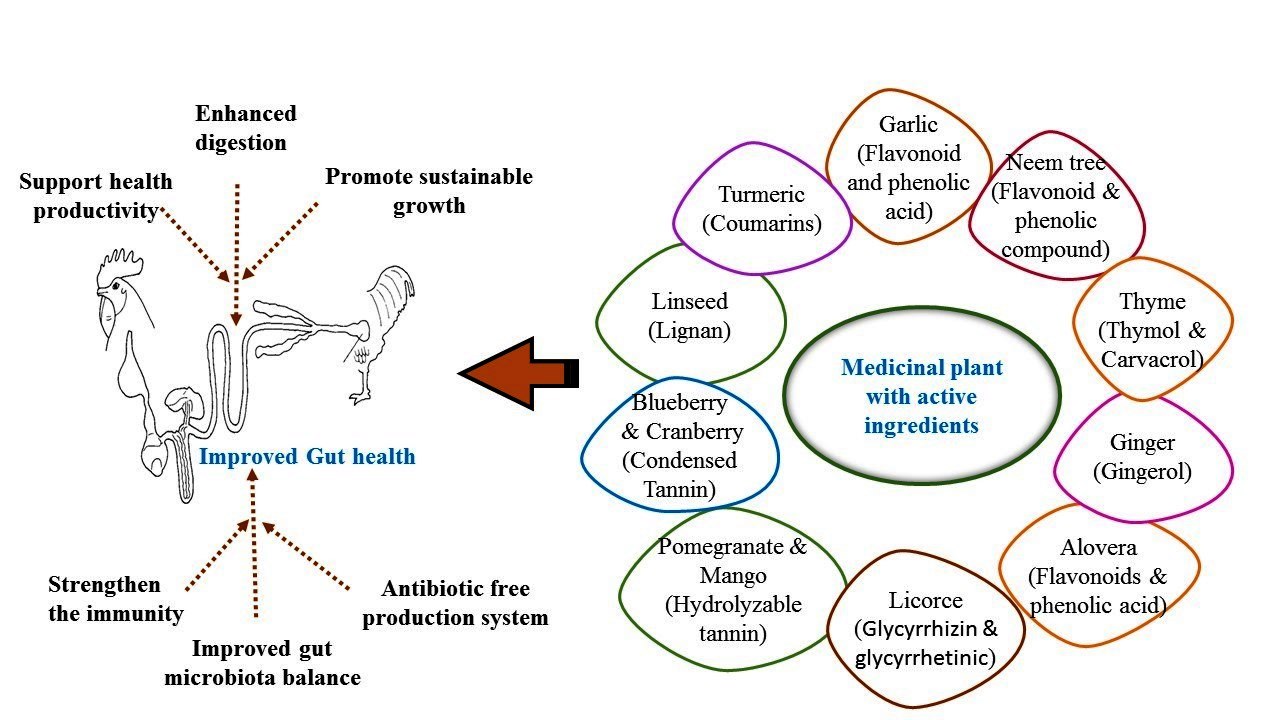
Licorice (Glycyrrhiza glabra L.) is an edible and medicinal plant belonging to the family Leguminosae, whose root is recognized by its high nutritional and therapeutic properties, such as antibacterial, antioxidant, anti-inflammatory and antiviral activities involving a range of phytochemicals has been demonstrated (Bayati Zadeh et al., 2013; Seidavi et al., 2021). Bioactive substances in licorice, glycyrrhizin and flavonoids, have therapeutic effects. Dietary supplementation in poultry enhances performance by promoting organ development, stimulating digestion and appetite, and providing antioxidant, antimicrobial and anti-inflammatory effects (Alagawany et al., 2019). This review gives an insight into spice crops as potent antibiotic substitutes for organic poultry farming. The beneficial impact of medicinal plants on poultry health has been shown in Fig. 3.
Garlic (Allium sativum), a perennial bulbous herb in the family Amaryllidaceae, is native to Central Asia. Cooked garlic and raw garlic are also found to possess multiple health benefits (Kovarovic et al., 2019). The ancients also knew the value of Garlic, and it was used by the Chinese, Egyptians and Romans. Its healthful properties derive from sulfur compounds, essential oils and polyphenols. A research study showed that garlic oil (5 mlɉ⁄kg/day) administration decreased NaNO2 toxicity and oxidative stress in rats (Hassan et al., 2010). Garlic is armed with sulphur compounds such as ACSO and L-gamma-Glutamyl-(S)-Allyl-Cysteine, in addition to being a powerful antimicrobial supplement and antioxidant. The synthesized compound propyl propane thiosulfonate (PTS-O) has been shown to efficiently eliminate S. typhimurium, E. coli and C. jejuni at dietetically levels of 45, 90 and 135 mg/kg, respectively via its antibacterial activity, which could be attributed to thiosulfinate and allicin (Ullah et al., 2024).
| Plant / Product | Major Active Compounds | Reported Effects | References |
|---|---|---|---|
| Butcher’s broom, knee holly or piaranthus (Ruscus aculeatus) | Ruscogenin, steroid sapogenin | Anti-inflammatory and anti-thrombotic properties | Sun et al., 2012 |
| Liquorice or Sweetwood (Glycyrrhiza glabra) | Glycoside known as LicoA | In vivo anti-inflammatory e_ect in the lungs | Chu et al., 2012 |
| Korean ginseng (Panax ginseng) | Ginsenosides and polyphenols | Antiviral effect effective against newcastle and avian influenza disease | Yu et al., 2015 |
| Pumpkin seed (Cucurbita pepo) | p-hydroxybenzoic acid, p-coumaric, ferulic and sinapic acids | Effective gainst gastrointestinal helminths, and antioxidant effects | Acorda et al., 2019 |
| Alfala (Medicago sativa) | Saponins, flavonoids, and polysaccharides | Reduce cholesterol in meat and egg yolks, antioxidant and anti-inflammatory effects | Yıldız et al., 2020 |
| Jamun (Eugenia jambolana Lam) | Anthocyanins, flavonoids, quercetin and ellagic acid | antioxidant and antiviral effects | Yasmin et al., 2020 |
| Baikal skullcap root and Chinese skullcap root (Scutellaria baicalensis root) | baicalin is a flavone (flavonoid) | Antioxidant, anti-inflammatory, and neuroprotective effects | Boukhatem et al., 2020 |
| Anwara (Fruit) (Emblica officinalis) | vitamin C, gallic acid, and ellagic acid, tannin, flavonoid | potent antioxidant, anti-inflammatory, and antimicrobial effects | Moryani et al., 2020 |
| Hing/Vaghyani (Gum resin) (Ferula foetida regel) | Gallic acid, ellagic acid, and emblicanins A and B, tannin, flavonoids and vitamin C | Antioxidant, anti-inflammatory, antimicrobial effects | Moryani et al., 2020 |
| Chestnut (Castanea sativa Mill) | Tannins (both hydrolysable and condensed types) and polyphenols | Antioxidants and antimicrobials, potentially improving feed efficiency | Casanova et al., 2021 |
| Honeysuckle (Lonicera japonica Thunb) | chlorogenic acid and various flavonoids like luteolin and quercetin | Antiviral effect effective against newcastle disease | Lu et al., 2022 |
| Oregano (Origanum vulgare) | Carvacrol, Thymol | Antimicrobial, improved gut health, better FCR | El-Sabrout, 2023 |
| Mint (Mentha) | Menthol, menthone, and eucalyptol | Antioxidant, anti-inflammatory and antimicrobial properties | Akter and Asaduzzaman, 2023 |
| Melon tree or pawpaw (Carica papaya) | Enzyme papain, a protease | Immunomodulatory Effects | Abbas and Alkheraije, 2023 |
| Neem (Azadirachta indica) | Azadirachtin, quercetin, kaempferol, gallic acid, and ferulic acid | Antiparasitic, antiviral, antioxidant, anti-inflammatory, antibacterial, and antifungal properties | El-Sabrout, 2023; Hegazy et al., 2024 |
| Black elderberry (Sambucus nigra) | Polyphenols (anthocyanins), phenolic acids, flavonoids | Antimicrobial effect especially against E. coli | Elbasuni et al., 2024 |
| Thyme (Thymus vulgaris) | Thymol, Carvacrol | Antioxidant, growth performance | Obianwuna, 2024 |
| Garlic (Allium sativum) | Allicin | Antimicrobial, immune stimulation | Ivanova, 2024 |
| Green Tea (Camellia sinensis) | Catechins (EGCG), polyphenol compound | Antioxidant, gut barrier support; inhibit the reproduction of coccidian | Ullah et al., 2024; Ogundare, 2025 |
The common plant in Pakistan, Neem (Azadirachta indica) of the family Meliaceae, has prophylactic effects against Newcastle disease. It can be used against this pathogen, which is fatal to mankind because of its chemical and physical properties. Its antiviral activity is largely attributed to neem’s limonoids and flavonoids, which inhibit viral attachment and replication while enhancing the host’s innate immune response, thereby reducing Newcastle disease severity (Wylie et al., 2022).
Ginger roots (Zingiber officinale) are widely used medicinal plants all over the world for having high volatile oil, gingerols and zingerone contents. Ginger rhizomes were effective in enhancing digestive enzyme activity and antioxidant status in poultry (Zhang et al., 2021; Temmante et al., 2025).
FORMULATION, SAFETY, AND REGULATORY CONSIDERATIONS
The effectiveness of phytochemicals is also dependent on the formulation, stability and delivery system; therefore, in most cases, the encapsulation is required for improved bioavailability and protection against degradation. And, the issue of standardization is still to be attained due to the natural composition variation of plants with crop origin, climate condition and processes they were submitted to. Hence, it is critical to carry out extensive safety evaluations to establish non-toxic inclusion levels and comply with regulations (Aqil et al., 2013).
FUTURE PERSPECTIVES AND RECOMMENDATIONS
There is high potential for medicinal plants as a natural, sustainable replacement for poultry disease management. But to unlock their full potential with respect to current and future use, standardization of plant extracts, quantification of active compounds, and dose-response optimization are required for consistent efficacy. Cross-cutting studies using a combination of molecular and the microbiome- level approaches are needed to unravel how phytochemicals act, including host–microbe interactions.
More attention should be paid to long-term safety, residue, and economic assessments for commercial feasibility and regulatory acceptability. Use of omics technologies and systems biology will fast-track knowledge of phytochemical–host–pathogen interactions with clear implications in the development of new generations of phytogenic dietary additives. Together, these advances will provide the basis for antibiotic-free, robust and sustainable poultry production systems.
CONCLUSION
The use of medicinal plants appears to be a viable pharmacological control alternative for poultry diseases in the post-antibiotic era. Their various bioactive substances, including flavonoids, alkaloids and tannins as well as essential oils, have been reported to possess noticeable antimicrobial activities in addition to antioxidant and immunomodulatory effects of gut health maintenance, nutrients utilization improvement and birds' overall performance. However, broader use is restrained due to a lack of standardization, variability in plant composition and inconsistent efficiency. For compound screening, it is necessary to screen the active ingredients of hydrazides, optimize the prescription preparation and dose with a view to mitigating their efficacy for the practical applications by combining molecular investigation and field test. Phytogenic feed additives, in conclusion, are a scientifically sound alternative to antibiotics with the potential to enhance resistance against disease and boost productivity and sustainability in current poultry production systems.
References
- Abbas A and KA Alkheraije, 2023. "Immunomodulatory effects of Carica papaya extract against experimentally induced coccidiosis in broiler chickens. Pakistan Veterinary Journal 1:628-32.
- Abbas A, Z Iqbal, RZ Abbas RZ et al., 2015. In-vitro anticoccidial potential of Sacharrum officiarum extract against Eimeria Oocysts. Bol Latino am Caribe Plantas Med Aromát 14:456-6.
- Abbas A, Z Iqbal, RZ Abbas et al., 2017. Immunomodulatory effects of Camellia sinensis against coccidiosis in chickens. Journal of Animal and Plant Science 27:415-21.
- Abbas G, J Yu and G Li, 2022. Novel and alternative therapeutic strategies for controlling avian viral infectious diseases: focus on infectious bronchitis and avian influenza. Frontiers in Veterinary Science 9:933274.
- Abubakar Y, H Tijjani, C Egbuna et al., 2020. Pesticides, history, and classification. In: Natural Remedies for Pest, Disease and Weed Control 1:29-42.
- Acorda JA, IYEC Mangubat and BP Divina 2019. Evaluation of the in vivo efficacy of pumpkin (Cucurbita pepo) seeds against gastrointestinal helminths of chickens. Turkish Journal of Veterinary and Animal Sciences 43:206-11.
- Ahmadian Z, H Gheybi and M Adeli 2022. Efficient wound healing by antibacterial property: advances and trends of hydrogels, hydrogel-metal Np composites and photothermal therapy platforms. Journal of Drug Delivery and Science Technology 153:103458.
- Akinjogunla OJ and OK Fatunla, 2017. In vitro antibacterial efficacies of single and combined aqueous extracts of Ficus exasperata Vahl (Moraceae) and Tetrapleura tetraptera Taub (Fabaceae) on multi-drug resistant bacterial isolates. International Journal of Innovative Biosciences Research 5:31-47.
- Akter M and M Asaduzzaman, 2023. Feeding of mint leaf as an alternative to antibiotics on performance of broiler. Asian-Australasian Journal of Food Safety and Security 7:10-19.
- Alagawany M, SS Elnesr, MR Farag et al., 2019. Use of licorice (Glycyrrhiza glabra) herb as a feed additive in poultry: current knowledge and prospects. Animals 9:536.
- Aqil F, R Munagala, J. Jeyabalan et al., 2013. Bioavailability of phytochemicals and its enhancement by drug delivery systems. Cancer letters 334:133-41.
- Aroche R, M Yordan, R Zheng et al., 2018. Dietary Inclusion of a Mixed Powder of Medicinal Plant Leaves Enhances the Feed Efficiency and Immune Function in Broiler Chickens. Journal of Chemistry 1:1-7.
- Baldwin A and BW Booth, 2022. Biomedical applications of tannic acid. Journal of Biomaterials Applications 36:1503-23.
- Bayati Zadeh J, Z Moradi Kor and M Karimi Goftar, 2013. Licorice (Glycyrrhiza glabra L) as a valuable medicinal plant. International Journal of Advanced Biological and Biomedical Research 1:1281-8.
- Benelli G, R Pavela, F Maggi et al., 2019. Insecticidal activity of the essential oil and polar extracts from Ocimum gratissimum grown in Ivory Coast: efficacy on insect pests and vectors and impact on non-target species. Industrial Crops and Products 132:377-85.
- Bigham A, V Rahimkhoei, P Abasian et al., 2021. Advances in tannic acid-incorporated biomaterials: infection treatment, regenerative medicine, cancer therapy, and biosensing. Chemical Engineering Journal 14:134146.
- Boukhatem MN and WN Setzer, 2020. Aromatic herbs, medicinal plant-derived essential oils, and phytochemical extracts as potential therapies for coronaviruses: future perspectives. Plants 9:800.
- Casanova NA, LM Redondo, EA Redondo et al., 2021. Efficacy of chestnut and quebracho wood extracts to control Salmonella in poultry. Journal of Applied Microbiology 131:135-45.
- Chang CLT, CY Chung, CH Kuo et al., 2016. Beneficial Effect of Bidens pilosaon body weight gain, feed conversion ratio, gut bacteria and coccidiosis in chickens. PLoS One 11:1-15.
- Changxing L, D Dongfang, Z Lixue et al., 2019. Heracleum persicum: chemical composition, biological activities and potential uses in poultry nutrition. Worlds Poultry Science Journal 75:207-18.
- Chen J, L Qiu, Q Li et al., 2021. Rapid hemostasis accompanied by antibacterial action of calcium crosslinking tannic acidcoated mesoporous silica/silver janus nanoparticles. Material Sciience and Engineering 123:111958.
- Chen L, H Teng, Z Jia et al. 2018. Intracellular signaling pathways of inflammation modulated by dietary flavonoids: The most recent evidence. Critical Reviews in Food Science and Nutrition 58:2908–24.
- Chen Y, L Liu, L Yu et al., 2024. Curcumin supplementation improves growth performance and anticoccidial index by improving the antioxidant capacity, inhibiting inflammatory responses, and maintaining intestinal barrier function in Eimeria tenella-infected broilers. Animals 14:1223.
- Choi J, YH Jin, JH Kim et al., 2016. In vitro anti-viral activity of psoraleae semen water extract against influenza A viruses. Frontiers in Pharmacology 7:226202.
- Chu X, X Ci, M Wei et al., 2012. Licochalcone a inhibits lipopolysaccharide-induced inflammatory response in vitro and in vivo. Journal of Agriculture and Food Chemistry 60:3947-54.
- El Amine Benarbia M, P Gaignon, C Manoli et al., 2022. Saponin-rich plant premixture supplementation is as efficient as ionophore monensin supplementation under experimental Eimeria Spp. challenge in broiler chicken. Frontiers in Veterinary Science 9:371.
- Elbasuni SS, MA Abaza, MA Abdelmagid et al., 2024. Clinical assessment of copper oxide nanoparticles and black elderberry extract in therapy of avian pathogenic Escherichia coli infection in SPF chicks. Journal of Advanced Veterinary Research 14:450-55.
- El-Sabrout K, MRT Dantas and JBF Souza-Junior, 2023. Herbal and bee products as nutraceuticals for improving poultry health and production. World's Poultry Science Journal 79:223-42.
- Fabbrini M, DF Amico, M Barone et al., 2022. Polyphenol and tannin nutraceuticals and their metabolites: how the human gut microbiota influences their properties. Biomolecules 12:875.
- Farinacci P, M Mevissen, H Ayrle et al., 2022. Medicinal plants for prophylaxis and therapy of common infectious diseases in poultry–a systematic review of in vivo studies. Planta Medica 88:200-17.
- Felici M, B Tugnoli, F Ghiselli et al., 2020. In vitro anticoccidial activity of thymol, carvacrol, and saponins. Poultry Science 99:5350-5.
- Félix-Silva J, RB Giordani, AAD Silva-J et al., 2014. Jatropha gossypiifolia L. (Euphorbiaceae): a review of traditional uses, phytochemistry, pharmacology, and toxicology of this medicinal plant. Evidence Based Complementary and Alternative Medicine 2014:32.
- Fitzgerald SD, S Rautenschlein, HM Mahsoub et al., 2020. Adenovirus infections. Diseases of poultry 1:321-63.
- Franz CM, KHC Baser and I Hahn-Ramssl, 2020. Herbs and aromatic plants as feed additives: aspects of composition, safety, and registration rules. In Feed additives 1:35-56.
- Gadde U, WH Kim, ST Oh et al., 2017. Alternatives to antibiotics for maximizing growth performance and feed efficiency in poultry: a review. Animal Health Research Reviews 18:26-45.
- Gokhale AB, AS Damre MN Saraf et al., 2003. Investigations into the immunomodulatory activity of Argyreia speciosa. Journal of Ethnopharmacology 84:109-14.
- Hajati H, H Ahmad and A Frahang, 2014. Application of Medicinal Plants in Poultry Nutrition. Journal of Medicinal Plants and By-products 1:1-12.
- Haruna MT, CP Anokwuru, AA Akeredolu et al., 2013. Antibacterial and antifungal activity of Acalypha wilkesiana. European Journal of Medicinal Chemistry 201:52-64.
- Hassan HA, HS Hafez and FE Zeghebar, 2010. Garlic Oil as a Modulating Agent for Oxidative Stress and Neurotoxicity Induced by Sodium Nitrite in Male Albino Rats. Food and Chemical Toxicology 48:1980-5.
- Hayat J, M Akodad, A Moumen et al., 2020. Phytochemical screening, polyphenols, flavonoids and tannin content, antioxidant activities and ftir characterization of marrubium Vulgare L. from 2 different localities of northeast of Morocco. Heliyon 6:05609.
- Hegazy AM, AM Morsy, HM Salem et al., 2024. The therapeutic efficacy of neem (Azadirecta indica) leaf extract against coinfection with Chlamydophila psittaci and low pathogenic avian influenza virus H9N2 in broiler chickens. Poultry science 103:104089.
- Hochma E, L Yarmolinsky, B Khalfin et al., 2021. Antimicrobial effect of phytochemicals from edible plants. Processes 9:2089.
- Hosseinzadeh H, AA Alaw Qotbi, A Seidavi et al., 201. 4Effects of different levels of coriander (Coriandrum sativum) seed powder and extract on serum biochemical parameters, microbiota, and immunity in broiler chicks. The Scientific World Journal 1:628979.
- Ishaq K, T Ahmad, M Rajput et al., 2023. Parasitic Control Strategies: Bioactive Crops and Nutrition. In Parasitism and Parasitic Control in Animals: Strategies for the Developing World GB: CABI pp:136-50.
- Ivanova MI, AA Baikov, EM Gins et al., 2024. Assessment of phytochemicals in Allium species: a systematic review. SABRAO Journal of Breeding and Genetics 56:1049-59.
- Jalal H, MZ Akram, SC Doğan et al., 2019. Role of Aloe Vera as a natural feed additive in broiler production. Turkish Journal of Agriculture-Food Science and Technology 7:163-6.
- Jamil M, A Khatoon, MK Saleemi et al., 2024. Use of phytochemicals to control the Mycotoxicosis in poultry. World's Poultry Science Journal 80:237-50.
- Jamil M, MT Aleem, A Shaukat et al., 2022. Medicinal Plants as an Alternative to Control Poultry Parasitic Diseases. Life 12:1-13.
- Kaewkod T, R Tobe, Y Tragoolpua et al., 2021. Medicinal plant extracts protect epithelial cells from infection and DNA damage caused by colibactin-producing Escherichia coli, and inhibit the growth of bacteria. Journal of Applied Microbiology 130:769-85.
- Khoobani M, SH Hasheminezhad, F Javandel et al., 2020. Effects of Dietary Chicory (Chicorium intybus L.) and probiotic blend as natural feed additives on performance traits, blood biochemistry, and gut microbiota of broiler chickens. Antibiotics 9:5.
- Khorrami P, M Gholami-Ahangaran and E Moghtadaei-Khorasgani, 2022. The efficacy of pomegranate peel extract on Eimeria shedding and growth indices in experimental coccidiosis in broiler chickens. Veterinary and Medicine Science 8:635-41.
- Kovarovic J, J Bystricka, A Vollmannova et al., 2019. Biologically Valuable Substances in Garlic (Allium Sativum L.)-A Review. Journal of Central European Agriculture 20:292-304.
- Kumar K, RRK Sinha, S Kumar et al., 2022. Significance of tannins as an alternative to antibiotic growth promoters in poultry production. The Pharmaceutical Journal 14:257.
- Kumar S, MM Abedin, AK Singh et al., 2020. Role of phenolic compounds in plant-defensive mechanisms. Plant Phenolics in Sustainable Agriculture 1:517-32.
- Lelesius R, A Karpovaite, R Mickiene et al., 2019. In vitro antiviral activity of fifteen plant extracts against avian infectious bronchitis virus. BMC Veterinary Research 15:178.
- Lu Y, WA Huang, ZB He et al., 2022. Network Pharmacology‐Based Strategy for Exploring the Pharmacological Mechanism of Honeysuckle (Lonicer japonica Thunb.) against Newcastle Disease. Evidence‐Based Complementary and Alternative Medicine 1:9265094.
- Majeed Y, MB Shaukat, KY Abbasi et al., 2021. Indigenous plants of Pakistan for the treatment of Diabetes: A review. Agrobiological Records 4:44-63.
- Mayer M, M Zbinden, CR Vogl et al., 2017. Swiss ethnoveterinary knowledge on medicinal plants–a within–country comparison of Italian speaking regions with north-western German speaking regions. Journal of Ethnobiology and Ethnomedicine 13:1.
- Memarzia A, MR Khazdair, S Behrouz et al., 2021. Experimental and clinical reports on anti‐inflammatory, antioxidant, and immunomodulatory effects of Curcuma longa and curcumin, an updated and comprehensive review. BioFactors 47:311-50.
- Mertenat D, MD Cero, CR Vogl et al., 2020. Ethnoveterinary knowledge of farmers in bilingual regions of Switzerland–Is there potential to extend veterinary options to reduce antimicrobial use? Journal of Ethnopharmacology 246:112184.
- Miraj S and S Kiani, 2016. Study of pharmacological effect of Thymus vulgaris: a review. Der Pharmacia Lettre 8:315-20.
- Morshdy AEMA, BM Nahla, S Shafik et al., 2021. Antimicrobial effect of essential oils on multidrug-resistant Salmonella typhimurium in chicken fillets. Pakistan Veterinary Journal 41:545-51.
- Moryani AA, N Rajput, MN Rajput et al., 2020. Prevalence of common poultry diseases in chicken and influence of different medicinal herbs on the growth of broiler chicken. Pure and Applied Biology (PAB) 9:1199-208.
- Nassar SA, 2022. A Review on natural products as immune systemmodulators against infections. Journal of Pharmaceutical Negative Results 51:5307-25.
- Noack S, HD Chapman and PM Selzer, 2019. Anticoccidial drugs of the livestock industry. Parasitology Research 118:2009–26.
- Oakenfull D and GS Sidhu, 2023. Saponins. Toxicants of plant origin 1:97-142.
- Obianwuna U.E, X. Chang, VU Oleforuh-Okoleh et al., 2024. Phytobiotics in poultry: revolutionizing broiler chicken nutrition with plant-derived gut health enhancers. Journal of animal science and biotechnology 15:169.
- Ogundare T E, RR Kulkarni, PC Omaliko et al., 2025. Effect of green tea (Camellia sinensis) extract on growth performance, intestinal health, and immune response of Broiler chickens during subclinical necrotic enteritis. Pathogens 14:260.
- Ojimelukwe AE, DE Emedhem, GO Agu et al., 2018. Populations of Eimeria tenella express resistance to commonly used anticoccidial drugs in southern Nigeria. International Journal of Veterinary Science and Medicine 6:192-200.
- Olajide JS, Z Qu, S Yang et al., 2022. Eimeria proteins: order amidst disorder. Parasites and Vectors 15:1-16.
- Olawuwo OS, MA Abdalla, KH Mühling et al., 2021. Proximate analysis of nutrients and in vitro radical scavenging efficacy in selected medicinal plant powders with potential for use as poultry feed additives. South African Journal of Botany 146:103-10.
- Olawuwo OS, IM Famuyide and LJ McGaw, 2022. Antibacterial and Antibiofilm Activity of Selected Medicinal Plant Leaf Extracts Against Pathogens Implicated in Poultry Diseases. Frontiers in Veterinary Science 9:1-18.
- Parvin R, JA Begum, M Nooruzzaman et al., 2018. Review analysis and impact of co-circulating H5N1 and H9N2 avian influenza viruses in Bangladesh. Epidemiology and Infection 146:1259-66.
- Parvin R, JA Begum, M Nooruzzaman et al., 2021. Circulation of three genotypes and identification of unique mutations in neutralizing epitopes of infectious bronchitis virus in chickens in Bangladesh. Archives of Virology 166:3093-103.
- Patil VV, SR Surwase and AS Belure, 2019. Phytochemical analysis and antibacterial evaluation of Curcuma longa and Curcuma aromatica against enteric poultry pathogens. International Journal of Pharmacy Science Research 10:2000-3.
- Pratyusha S, 2022. Phenolic compounds in the plant development and defense: an overview. Plant Stress Physiology Perspective in Agriculture 3:125.
- Puvaca N, D Horvatek Tomic, S Popovic et al., 2020. Influence of tea tree (Melaleuca alternifolia) essential oil as feed supplement on production traits, blood oxidative status and treatment of coccidiosis in laying hens. Veterinaski Arhiv 90:331-40.
- Rafiq K, M Tofazzal Hossain, R Ahmed et al., 2022. Role of different growth enhancers as an alternative to in-feed antibiotics in poultry industry. Frontiers in Veterinary Science 8:794588.
- Rao H, S Liu, H Wu et al., 2025. Screening of Active Compounds Against Porcine Epidemic Diarrhea Virus in Hypericum japonicum Thunb. ex Murray Extracts. Viruses 17:900.
- Raza A, F Muhammad, S Bashir et al., 2015. Antiviral and immune boosting activities of different medicinal plants against Newcastle disease virus in poultry. World's Poultry Science Journal 71:523-532.
- Rodríguez-Hernández P, C Reyes-Palomo, S Sanz-Fernández et al., 2023. Antiparasitic tannin-rich plants from the south of Europe for grazing livestock: a review. Animals 13:201.
- Rudrapal M, G Rakshit, RP Singh et al., 2024. Dietary polyphenols: review on chemistry/sources, bioavailability/metabolism, antioxidant effects, and their role in disease management. Antioxidants 13:429.
- Sabandar CW, N Ahmat, FM Jaafar et al., 2013. Medicinal property, phytochemistry and pharmacology of several Jatropha species [Euphorbiaceae]: a review. Phytochemistry 85:7-29.
- Salim HM and ABM Khalleduzzaman, 2021. Global trends of using antibiotic growth promoters and alternative strategies to combat amr and sustainable animal production. Sustainable Animal Production and Health 1:219.
- Sarwar I, A Ashar, A Mahfooz et al., 2021. Evaluation of antibacterial potential of raw turmeric, nano-turmeric, and NSAIDs against multiple drug resistant Staphylococcus aureus and E. coli isolated from animal wounds. Pakistan Veterinary Journal 41:209-14.
- Seidavi A, M Tavakoli, M Slozhenkina et al., 2021. The use of some plant-derived products as effective alternatives to antibiotic growth promoters in organic poultry production: A review. Environmental Science and Pollution Research, 28:47856-68.
- Shakir MZ, M Usman, M Imran et al., 2025. Protective Effects of Olive Leaf Extract as a Natural Growth Promoter and Immune Modulator in Broilers Challenged with Velogenic Newcastle Disease Virus. Brazilian Journal of Poultry Science 27:2025.
- Shalaby MA, RA Ghandour, SR Emam et al., 2022. Coadministration of ginger roots extract and vitamin E improves male fertility of streptozotocin-induced diabetic rats. International Journal of Veterinary Science 11:183-8.
- Singh D and PK Chaudhuri, 2018. A review on phytochemical and pharmacological properties of Holy basil (Ocimum sanctum L.). Industrial Crops and Products 118:367-82.
- Sobhy H, TR AboElnaga, TS Behour et al., 2021. In vitro trypanocidal activity of essential oils of some plants against Trypanosoma evansi. International Journal of Veterinary Science 10:191-5.
- Sun Q, L Chen, M Gao et al., 2012. Ruscogenin inhibits lipopolysaccharide-induced acute lung injury in mice: Involvement of tissue factor, inducible NO synthase and nuclear factor (NF)-_B. International Immunopharmacology 12:88-93.
- Temmante K, N Chaachouay, O Benkhnigue et al., 2025. Ginger (Zingiber officinale Roscoe Zingiberaceae). In Comprehensive Guide to Hallucinogenic Plants 1:394-410.
- Thangaleela S, BS Sivamaruthi, P Kesika et al., 2022. Essential oils, phytoncides, aromachology, and aromatherapy—a review. Proceedings of Indian National Science Academy 12:4495.
- Ugbogu OC, O Emmanuel, GO Agi et al., 2021. A review on the traditional uses, phytochemistry, and pharmacological activities of clove basil (Ocimum gratissimum L). Heliyon. 7:08404.
- Ullah A, S Munir, SL Badshah et al., 2020. Important flavonoids and their role as a therapeutic agent. Molecules 25:5243.
- Ullah A, M Ramzan, J Hussain et al., 2024. Use of botanicals for prevention and treatment of different poultry diseases. Complementary and alternative medicine: Botanicals/homeopathy/herbal medicine 1:65-75.
- Wang D, L Zhou, W Li et al., 2016. Anticoccidial effect of Piper sarmentosum extracts in experimental coccidiosis in broiler chickens. Tropical Animal Health and Production 48:1071-8.
- Wang N, X Tian, B Cheng et al., 2022. Calcium alginate/silk fibroin peptide/bletilla striata polysaccharide blended microspheres loaded with tannic acid for rapid wound healing. International Journal of Biological Macromolecules 220:1329-44.
- Wiedmer S, T Kurth, U Buder et al., 2020. Correlative light and electron microscopy of wall formation in Eimeria nieschulzi. Parasitology Research 119:2667-78.
- Wylie MR and DS Merrell, 2022. The antimicrobial potential of the neem tree Azadirachta indica. Frontiers in pharmacology 13:891535.
- Xiao JB, 2017. Dietary flavonoid aglycones and their glycosides: Which show better biological significance? Critical Reviews in Food Science and Nutrition 57:1874-905.
- Xiao J and W Bai, 2019. Bioactive phytochemicals. Critical reviews in food science and nutrition 59:827-9.
- Yasmin AR, SL Chia, QH Looi et al., 2020. Herbal extracts as antiviral agents. In Feed additives. Academic Press. pp:115-32.
- Yıldız AO, ET Şentürk and O Olgun, 2020. Use of alfalfa meal in layer diets–a review. World's Poultry Science Journal 76:134-43.
- Yu J, FS Shi and S Hu, 2015. Improved immune responses to a bivalent vaccine of Newcastle disease and avian influenza in chickens by ginseng stem-leaf saponins. Veterinary Immunology and Immunopathology 167:147-55.
- Zhang M, R Zhao, D Wang et al., 2021. Ginger (Zingiber officinale Rosc.) and its bioactive components are potential resources for health beneficial agents. Phytotherapy Research 35:711-42.
- Zhang X, H Yu, P Sun et al., 2024. Antiviral effects and mechanisms of active ingredients in tea. Molecules 29:5218.
- Zhao C, C Yang, ST Wai et al., 2019. Regulation of glucose metabolism by bioactive phytochemicals for the management of type 2 diabetes mellitus. Critical Reviews in Food Science and Nutrition, 59:830-47.