
INTRODUCTION
Wildlife trading is a key contributor to species extinction. The wildlife trade has a far bigger impact on our everyday lives than we think and its use and legality are rather complex. Wildlife trade involves the trade of any organism, such as fungi, plants and animals that have been obtained in the wild (Hughes, 2021). The majority of the wildlife trade, which includes the selling or exchanging of wild animals and plants are legal and partly controlled, and are an essential part of our lifestyle and the economies of the global world. One of the biggest black markets in the world is believed to be the illegal wildlife trade, which is the capture, harvesting and trading of wildlife and plants against national laws. The global legal and illegal wildlife trades involve killing and capturing billions of wildlife every year, representing all of the species (Sollund, 2013). Though trade in most taxa is legal and regulated, illegal trade is growing with alarm all over the world. The redoubled interest and investment in IWT has been motivated by significant rises in the poaching of elephants and rhinoceroses (Duffy & Humphreys, 2014).
Wildlife trade is as ancient as history (Hughes, 2003). Early Egyptian and Greek civilizations recorded commercial trading in wildlife, and this practice is continued as a never ending exercise (Uhm, 2016). Mass-scale non-sustainable commercial exploitation of wildlife was recorded in the Roman Empire, and modern conservation issues concerning unsustainable use of wildlife can be traced back to the 1960s at least. In recent years, there has been renewed interest due to an apparently booming East Asian consumer demand and the growing illegal harvesting of high-profile threatened taxa like rhinoceroses, elephants, big cats, pangolins, helmeted hornbills, rosewood trees, sharks and sea turtles (Warchol, 2004).
The impacts of wildlife trade are substantial with both conservation and socio-economic importance. Unsustainable trade may cause (local) extinction of populations or even the extinction of species. In plants that hold a specialized niche that can disrupt interactions with other species, its consequences can be disruptive to whole ecosystems. The second-largest threat to the survival of species after habitat loss is wildlife trade. The illegal wildlife trade also causes a significant loss of revenue for governments and local communities by competing with the legitimate utilization of natural resources (Cooney et al., 2015). The livelihoods of those who depend on the wildlife trade would be jeopardized if species trade were prohibited because many source countries depend on the goods and revenue it generates (Challe & Price, 2009; Veldman et al., 2014). The most well-known example is the trade in timber products, such as rosewood and ebony, with an estimated yearly worth of $200 billion in the legal market and $30–$157 billion in the criminal market. Approximately 60–90% of aromatic and medicinal plants, including valuable species like ginseng, sandalwood, agarwood, and African cherry, are taken from the wild (Jahanbanifard et al., 2022).
"Zoonotic spillover" is the term used to describe the spread of infections from wild animals to people. The majority of infectious diseases that affect humans (60–75%) are caused by pathogens that first spread among non-human animals. This proves that the emergence of novel infectious diseases in humans is largely caused by spillover (Jones et al., 2008; Gryseels et al., 2020). For example, non-human primates introduced HIV, which then spread throughout the world (Faria et al., 2017). The trade in wildlife is one of the anthropogenic causes that contribute to the occurrence of emerging infectious diseases (EID). About 60% of the infections found are zoonotic and pose a risk to public health (Gomez & Aguirre, 2008). Wildlife trade, overexploitation, habitat loss, the introduction of exotic species, pollution, and climate change have all been blamed for recent EID incidents (Bell et al., 2004). Transporting wildlife away from their endemic locations increases the likelihood of zoonotic and epizootic outbreaks due to the new disease transmission mechanisms made possible by IWT. Wildlife was the source of numerous recent zoonotic outbreaks, including SARS, Ebola and MERS (Tu et al., 2004).
The illegal and legitimate wildlife trafficking has been frequently noted as a key entry point for EIDs. Pathogens are more likely to infect humans when wild animals travel around the world, frequently in stressful or unhygienic environments (Karesh et al., 2005; Smith et al., 2014). Primates, bats, ungulates, and carnivores have been recognized as high-risk species for zoonotic pathogens, which account for 60% of cases associated with the wildlife trade (Johnson et al., 2020). This concentrated risk emphasizes the necessity of combining conservation, public health, and "One Health" strategies (Öllerer et al., 2019). The main causes of zoonotic spillover are human-wildlife interactions, which are exacerbated by land-use change, hunting, and trade (Keesing et al., 2010; Nagendra et al., 2012).
Preventing future zoonotic spillover from wildlife trading may be possible through the adoption of conservation strategies (Sokolow et al., 2019). Practices for conservation improve biodiversity preservation and support the security of world health. By preserving habitats and offering local communities’ other sources of protein, initiatives should try to lessen the connections between humans and wildlife in trade. Conservation should also concentrate on educating people about safer techniques and regulating the legal wildlife trade (Corlett et al., 2020; Hilderink & De Winter, 2021).
GLOBAL SCOPE OF WILDLIFE TRADE
The wildlife trade is a vast and complex global market. The multibillion-dollar wildlife trade is causing species to go extinct. About 24% of the more than 31,500 terrestrial bird, mammal, amphibian and squamate reptile species are traded internationally. Phylogenetically, trade is well preserved, with the biologically varied tropics serving as its hubs (Scheffers et al., 2019).
Historical Context of Wildlife Use
Wildlife trading is not a recent development; since the dawn of civilization, it has played a significant role in human society. In ancient Egypt (3500–500 BCE), giraffe tails, leopard skins, and ostrich feathers were marketed as luxury, medicinal, and religious symbols, while ivory from elephants in Nubia, Somalia, and Ethiopia was imported for jewelry and carvings. Both functional and symbolic uses of wildlife are reflected in historical texts, which tell how priests wore leopard skins as part of their ceremonial attire and how ostrich eggs were soaked in oil and used to cure wounds. Furthermore, Egyptian gods were often portrayed as animals, including Ra as a lion, Hapi as a baboon, and Isis and Hathor as vultures, highlighting the divine connection to nature. The sale and usage of wildlife were closely linked to the social, religious, and cultural customs of the time, as evidenced by the fact that sacred animals were even mummified to guarantee a safe transition to the afterlife (Uhm, 2018).
Scale and Value of Global Wildlife Trade
The value of the legal wildlife product trade worldwide was projected to be above US$300 billion in 2005. In certain places, unsustainable harvesting of natural populations due to demand may cause population declines. In addition, uncontrolled trade puts cattle, humans, and local species at danger from diseases and infections that can cause large outbreaks and cause economic and societal losses. The worldwide wildlife trade is currently one of the biggest dangers to the survival of species (Symes et al., 2018). The illegal wildlife trade, which is the most lucrative illegal activity after drug, firearm, and counterfeiting trafficking, is a danger to many species. It is impossible to make precise estimates, but the illegal wildlife trade is thought to be worth between 91 and 258 billion dollars a year. Among the most well-known instances of illicit trade are charismatic species that are trafficked for medicine, such as rhinoceros horn or pangolin scales. Occasionally, these kinds of sales involve extremely valuable goods that are connected to several crime organizations (Chan et al., 2015).
Major Trade Routes and Hotspots
Africa's primary trading partner historically has been Europe, and the continent depends on European nations, particularly former colonizers, for growth and external demand (World Bank, 2004). While commerce with Asia remained relatively limited, Africa's reliance on Europe was demonstrated for many years by the fact that over half of its exports went to the European Union (Mutambara, 2013). Similar to mainland Southeast Asia, Indochina has been characterized by decades of intricate and varied illicit trade (Chouvy, 2013). While drug trafficking in the Golden Triangle has brought back ancient transportation routes, including those utilized by communist insurgents, historic routes between Burma and Thailand, which were originally used by Burmese rulers, have made trafficking easier (Pascual et al., 2021).
Role of Cultural Practices and Traditional Medicine
With over 200,000 traditional healers acknowledged as respected members of the society, the use of plants and animals as traditional cures for medical and magico-religious purposes has long held sociocultural and economic significance in South Africa (Green et al., 2022). These healers were not allowed to practice medicine during apartheid, but since the Traditional Health Practitioners Act 35 of 2004, they have been officially recognized as such. With 60–80% of the population seeking medical advice from them, traditional medicine is growing so quickly that in some places, healers outnumber Western physicians by a ratio of 2,000:1. As regulated medical systems, natural products and traditional practices like Chinese medicine, Ayurveda, Kampo, Korean medicine, and Unani have evolved. However, when applied paternalistically, dismissing cultural ideas as a way to address traditional medicine can be unethical and frequently rejected (Borish et al., 2025).
MECHANISM OF ZOONOTIC DISEASES
The term "spillover" refers to the spread of wildlife infections from one species to another to people. On the other hand, it is referred to as spillback when a human sickness or infection infects wildlife. In conclusion, the phenomenon of horizontal viral transfer refers to the spread of a pathogen among several species, including organisms from other biological kingdoms (Uhm, 2018).
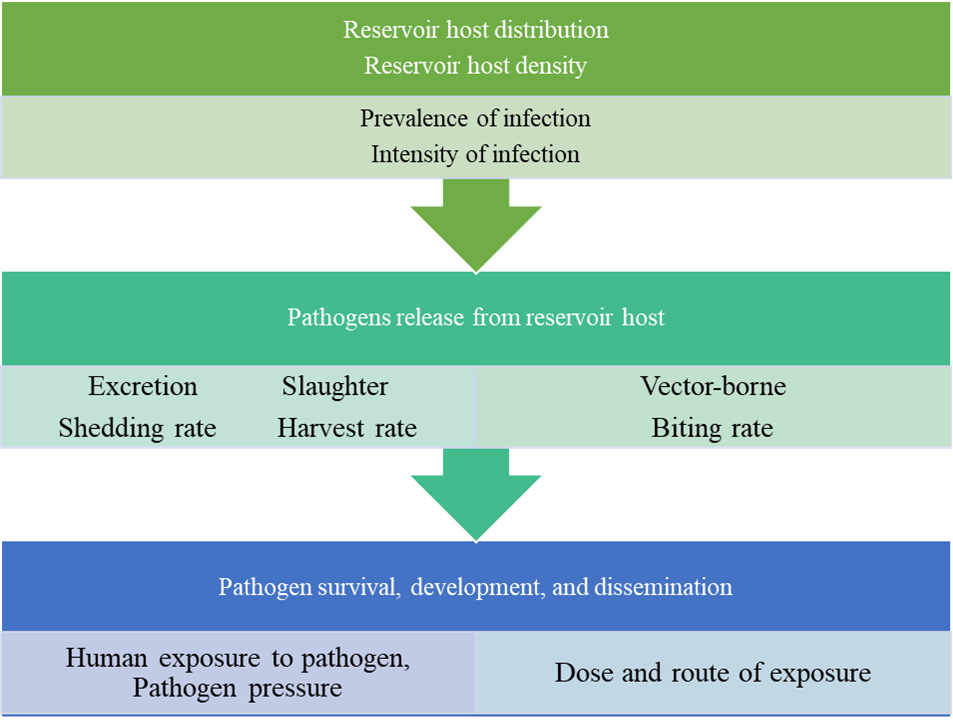
In the first phase, Pathogen distribution, prevalence, and release from the reservoir host interact to determine the pathogen pressure or the amount of pathogen available to the human host at a specific point in time and space. This is followed by the pathogen's survival, development, and dissemination outside of the reservoir hosts (Fig. 1). Second, pathogen exposure, more especially, the probability, route and dosage of exposure, is determined by human and vector behavior. Third, the likelihood and severity of infection are influenced by the receiving human host's genetic, physiological, and immunological characteristics, as well as the exposure route and dosage (Plowright et al., 2017).
Factors Responsible for Zoonotic Spillover
The factors that apparently induce zoonotic transmissions are habitat encroachment, live animal markets and stress in captured animals. The pathogens that cause zoonoses are very diverse, including viruses, bacteria, parasites, and fungi, and they pose a significant risk to the health of the population in all countries. It has been estimated that approximately 75 percent of the emerging diseases have zoonotic origins, thus their importance in the human-animal-environment interface. Urbanization, destruction of the habitat, globalization and changing climatic conditions have made people more prone to contact with such pathogens, thereby leading to spill-over activities. Significantly, fungi are also becoming a larger focus of attention regarding their potential as zoonotic agents due to their development as thermotolerant, which can enable them to survive at human body temperatures and they are more likely to transmit across species (Kundu et al., 2024).
Habitat encroachment: The virus that causes COVID-19, SARS-CoV-2, spreads quickly over the world and has negative effects on human health, demonstrating how susceptible humans are to zoonotic disease pandemics. Ecotones are zones of transition between different ecological systems, where various species coexist and expand as a result of agricultural and human settlement growth into natural ecosystems. These ecotones offer fresh chances for genetic variation, adaptability and disease spillover (Jones et al., 2013).
Wet markets: Wet markets are linked to some zoonotic epidemics, such as COVID-19. Additionally, hundreds of species are at risk due to the legal and illicit wildlife trade that they facilitate. However, wet markets provide food to millions of individuals worldwide, and vary significantly in their physical structure, the products they offer, and the resulting risks they present. Risk profiles differ radically based on factors including the existence of living animals, animal concentration and interspecies mix, hygiene standards, market scale, and supply chain length and breadth. Live wild animal markets, especially, have disproportionately high risks to human health and biodiversity (Lin et al., 2021).
Stress in captured animals: Most individuals handling wild animals in captivity believe that they will adapt to their new conditions eventually. Nevertheless, captivity can produce long-term or irreversible physiological effects when the stress response is prolonged. The immune systems are weakened when wildlife are subjected to stress, either because of their confinement, large numbers, or due to novel interspecies interactions, making them more vulnerable to infection and susceptible to pathogen shedding. Such stressful and crowded conditions, like live-animal markets, contribute to the transmission of infectious agents (Lin et al., 2021).
CASE STUDIES OF WILDLIFE-LINKED SPILLOVERS
The wildlife-related spillovers presented in case studies are good evidence of the ability of human contact with animals to trigger worldwide health emergencies. The analysis of the examples of HIV/AIDS, SARS, MERS, Ebola, COVID-19, avian influenza and monkey pox shows the wide variety of sources in which the zoonotic pathogens emerge.
HIV/AIDS (bush meat trade)
HIV-1 and HIV-2 are cross-species infections of humans, with HIV-2 having a lineage to the sooty mangabey and HIV-1 being of an unknown origin (Gao et al., 1999). The natural hosts were not humans, and the bush meat trade and its viral chatter were central to the development and spread of HIV/AIDS. These viruses have found their way into humans through zoonotic contact in Central Western Africa in the twentieth century, where various strains of parents are present and bush meat hunting and consumption are widespread (Kilonzo et al., 2013). In central Africa, zoonoses, such as HIV/AIDS, associated with butchering chimpanzees were followed by human-to-human transmission, due to high demand of bush meat, as well as contact during hunting, butchering, or consumption of undercooked meat (Hahn et al., 2000; Recht et al., 2020).
SARS (civets, bats)
The outbreak of SARS 2002- 2003 was tracked down to a coronavirus most likely originating in horseshoe bats and spilling over to humans via intermediate hosts like civets (Cui et al., 2019). Genetic studies have confirmed SARS-CoV-2 is closely related to bat coronaviruses, which in turn infect civets to humans as an intermediate host. The case highlights the role of wildlife trade in live animals in providing environments where viruses can recombine and spread across species as well as cause massive epidemics (Hu et al., 2017).
MERS (camels, wildlife)
Middle East Respiratory Syndrome (MERS) first appeared in 2012 and was also constantly connected with direct and indirect contact with dromedary camels that can be carriers of the MERS-CoV virus. Molecular analyses prove the situation of almost similar viral genomes in camels and infected people, proving the pathways of zoonotic transmission. The key reservoir of human cases may be the bats, although camels are the probable ancestral source. This example shows how domesticated animals over a long period of time may be a bridge between wildlife-origin viruses and people (Azhar et al., 2014).
Ebola (bush meat hunting)
Ebola virus disease (EVD) is a filovirus-based zoonosis belonging to the genus Ebola virus that has four species, which are only known in Africa. They are the causes of hemorrhagic fever, which is often fatal in humans and their transmission has been associated, in the majority of cases, with the handling and butchering of wild animals, particularly, fruit bats as bush meat (Olivero et al., 2017). The earliest reported human outbreak occurred in 1976, and the wild reservoir has not been identified. The new West African outbreak had catastrophic impacts on both health and social status (Akani et al., 2015).
COVID-19
The COVID-19 pandemic is one of the most important world crises in the 21st century since its first cases were reported in Wuhan, China, at the end of 2019 (Afolabi et al., 2025) and it has taken millions of lives and disrupted world socioeconomic systems. The introduction of SARS and SARS-CoV-2 illustrates the economic and social consequences of EIDs, with SARS estimated to have cost US$40 billion in 2003 and the COVID-19 pandemic expected to result in losses of US$8.1-15.8 trillion, and prevention efforts estimated to cost US$22-31 billion annually (Lee & McKibbin, 2004; Andersen et al., 2020). Its outbreak has been associated with a wet market in Wuhan, though the zoonotic origin remains unconfirmed, and it exhibits 96.3% similarity to Bat-CoV-RaTG13, indicating a bat ancestor that could have facilitated a more efficient human infection mechanism. As of May 2021, more than 169 million cases and 3.5 million deaths have been reported (Andersen et al., 2020) and prevention measures may cost the US 22-31 billion annually (Drexler et al., 2014).
Avian Influenza and Monkeypox
Bird influenza viruses (AIV), particularly H5, H7 and H9, lead to outbreaks in birds and wild birds and can overcome barriers to cross species and infect swine and humans (Rebel et al., 2011). Pathogenic strains are highly pathogenic globally and migratory waterfowl disseminate innovative strains. A lack of surveillance has been demonstrated in Africa, such as in the 2017 studies, and recurring outbreaks of H5N8 in South Africa (Valley‐Omar et al., 2020; Blagodatski et al., 2021). Poultry-to-wild bird spillback contributes to the spread of infection along migratory flyways, such as in the 1996 outbreak of GS/GD lineage in Guangdong, generating the H5N1 virus, which has become endemic in Asia and globally through trade and migration (Modirihamedan et al., 2021).
Monkeypox was previously an endemic infection in West and Central Africa, but in recent years has spread to numerous nonendemic countries. WHO is declaring it a public health emergency of international concern in July 2022 (Huang et al., 2022). The issue of animals as transmission vectors is still complicated and an example of this is a U.S. shipment of Gambian pouched rats, dormice and rope squirrels carrying infections with the prairie dogs and other mammals, some of which succumbed and others survived. The rate of infection or exposure to the animals is unknown and the rate of secondary transmission cannot be estimated using the available data (Bernard & Anderson, 2006).
ECOLOGICAL AND SOCIOECONOMIC DRIVERS
Deforestation, Habitat Loss and Biodiversity Decline
Deforestation leads to ecological imbalance by loss of habitat, whereas forest conservation increases biodiversity. It may be caused by natural factors, including fires, droughts, floods, exotic species and climate change, yet human-related activities, including agricultural development, cattle rearing, logging, mining, oil extraction, dam constructions and infrastructure, are the key drivers (Bodo et al., 2021). Zoonotic spillover is accelerated by rapid deforestation and wildlife trafficking, which result in new and re-emerging infectious diseases. The loss of biodiversity can prefer high-quality hosts of zoonotic pathogens, a phenomenon called the dilution effect, whereas human activities like farming and logging enhance human-wild contact and spillover risk. A prime example of a disease of wildlife origin is SARS-CoV-2. Hunting and trade of wildlife further increases risk by contacting blood and body fluids, which is enhanced by poor hygiene and handling exposing poachers, consumers and sellers in markets to zoonotic diseases (Tajudeen et al., 2022).
Biodiversity supplies all-important biological resources such as food, medicinal plants, and other ecosystem services, which are the basis of the development of human society. Nevertheless, the present state of biodiversity loss is extreme globally. The sixth mass extinction since 1970 has seen 58 percent of biodiversity lost, and the rate of extinction is 100-1000 times higher than before humans. Protection of biodiversity has become the center of conservation activities, and the protected areas (PAs) are the main instruments. But the habitat loss and fragmentation pose a threat to PA, and although studies have investigated these effects on local or regional levels, their global impacts and consequences are not well known (Yuan et al., 2024).
Poverty and Reliance on Bushmeat
The relationship between poverty and consumption of wild foods such as bushmeat, fish and plants were investigated in a study of 121 households in a Congolese agricultural community. Although there was a wealth gap, all homesteads were in extreme poverty (below US$1 per capita per day). Livelihoods centered on wild foods, leading to conservation issues surrounding resource sustainability and ownership rights, and bushmeat consumption received a closer look due to the threat of overexploitation. The findings underscore the twin issue of managing rural poverty and managing the sustainable use of natural resources (De Merode et al., 2004).
Socioeconomic Drivers of Wildlife Trade
Wildlife trade is the primary contributor to the disappearance of species and a route of transmission of diseases. The socioeconomic forces behind the wildlife trade are relevant at the local level, but are not common in the multinationals to reduce international trade on endangered species. In the last decades, threatened wild animals were exchanged among 226 countries. The effects of the wildlife trade on biodiversity and human health have naturally prompted concerted efforts to reduce it. CITES is one of the most significant attempts at establishing multinational regulation of the cross-border movement of endangered species of wild fauna and flora. Although CITES is significant in protecting endangered species, its effectiveness relies on the willingness and capacity of signatory countries to implement trade regulations. Such reliance on compliance and enforcement implies that the safeguards given to threatened species may not be sufficient in certain regions around the globe (Liew et al., 2021).
RISK ASSESSMENT AND SURVEILLANCE
Wildlife Disease Surveillance
Emerging infectious diseases are largely zoonotic, and most of them start in wild mammals thus spillover prediction is critical to aid in pandemic surveillance (Olival et al., 2017). The complexity of cross-species transmission, however, complicates forecasting and occurs at several biological, spatial, and temporal scales and includes the dynamics of infection in reservoir hosts, the ability of pathogens to survive within the environment and the susceptibility of the target host. Recent strategies like macroecology, pathogen discovery and human surveillance provide some understanding but are limited in scope. Such recent outbreaks as Ebola, Zika, and Plasmodium knowlesi indicate the importance of improving prediction tools and creating actionable forecasts to prevent other zoonotic spillovers in the future (Becker et al., 2019). Enhancing such predictive activities can assist in prioritizing surveillance, educating the community on health-related interventions, and mitigating the danger of epidemics and pandemics.
Role of Genetic Sequencing and Virome Studies
The majority of viral sequences in metagenomic sample studies exhibit minimal homology with known sequences, and therefore have to be classified with special bioinformatic tools. The VIROME pipeline screens viral metagenomes by quality screening, predicting ORFs, and annotating them using various databases, providing meaningful classification of each sequence and controlling contamination (Wommack et al., 2012). Viruses are heterogeneous and widespread, and their hosts have to replicate, and the host interactions are not in general, unstable in super kingdoms. Nevertheless, viruses are capable of infecting new hosts and spreading in a sustainable manner known as viral spillover and have led to human pandemics like Influenza A, Ebola, and SARS-CoV-2. Host range and spillover risk are difficult to assess, especially in viruses with broad host specificity, such as iridoviruses and Picornaviruses (Lemieux et al., 2022).
Databases and International Monitoring Systems
More than 75 percent of the emerging and re-emerging infectious diseases are composed of zoonoses that are threatening the health of both humans and animals, as well as the global economy. Conventional surveillance based on the use of molecular and serological tests can overlook early spillover, and is not capable of detecting unknown agents or differentiating between past and active infections. High-tech solutions such as remote sensing, environment-based screening, multi-omics, and big data methods provide all-encompassing surveillance and enhance the early warning and prediction of the outbreak of zoonotic diseases (Wang et al., 2023).
POLICY AND GOVERNANCE RESPONSES
International conventions
The regulatory strategies to wildlife trade are designed to balance between legitimate and sustainable use and the prevention of illegal trafficking and preservation of endangered species. The primary treaty on the international level that aims to make sure that trade in wild species will not endanger their survival, with nations then formulating their laws that define protections, legal trade, and licensing. Current WHO approaches to global pandemics, as outlined in IHR, are based on the idea of early detection and response to the pandemic, without considering upstream factors of emergence. COVID-19 revealed these limitations, which prompted demands to mitigate negative effects to the environment at the source. FAO, OIE and WHO emphasize multi-sectoral collaboration and they encourage global cooperation to enhance surveillance, risk assessment, and control of zoonotic risks associated with wildlife trade and the impact of humans and animals on ecosystems (Aguiar et al., 2025).
REGIONAL LAWS
China wet market bans
The Wildlife Protection Law of China, enacted in 1987 and updated in 2016, is a supply-side strategy that legalized and controlled the trading of wildlife based on a complicated system of licensing. All species would be able to be cultivated and then used or exchanged with a license. Properly compensated, the ban can be a cost-efficient solution in preventing the future occurrence of zoonotic diseases (Xiao et al., 2021). In China, a total ban on the consumption of wildlife would yield enormous benefits to the conservation of biodiversity on the global level. A significant cause of poaching and trafficking of wildlife products around the world has been the consumption demand of the products in China (Huang et al., 2021).
African wildlife protection
This is due to the growth of the human population, destruction of habitats, environmental degradation, and the poaching of wildlife in Africa causing massive loss of biodiversity and consequent endangering of some wildlife species. The continent is worried about a serious problem of balancing conservation and economic development. Wildlife resource utilization must be sustainable and the veterinary profession has a significant role to play to this requirement through the provision of services to wildlife management, research, disease vigilance, disease prevention and training. Veterinarians join multidisciplinary groups, which helps to maintain the health of the wildlife and defensive mechanisms against the ecosystems as well as long term conservation of the biological variety. Also, they reduce the risk of zoonotic diseases, thus emphasizing the relationship between human health and conservation (Kock, 1996).
Challenges in enforcement
Corruption is a major cause of illegal wildlife trade because it allows all the processes, such as poaching, laundering gains, and undermining governance, law enforcement, and community welfare. According to reports by UNODC and UNEP, corruption is identified as the most important factor perpetuating this trade and examples are illicit great ape trade based on fraudulent permits. Meanwhile, the illegal wildlife trade is operated by transnational criminal groups that are usually connected to other illegal markets, which take advantage of loose governance and enforcement. The networks are a major threat to biodiversity, security, and the rule of law that needs robust international collaboration, legal changes, and enforcement capacity to break down their activities (Wyatt et al., 2020).
FUTURE DIRECTIONS AND SOLUTIONS
Strengthening One Health Approaches
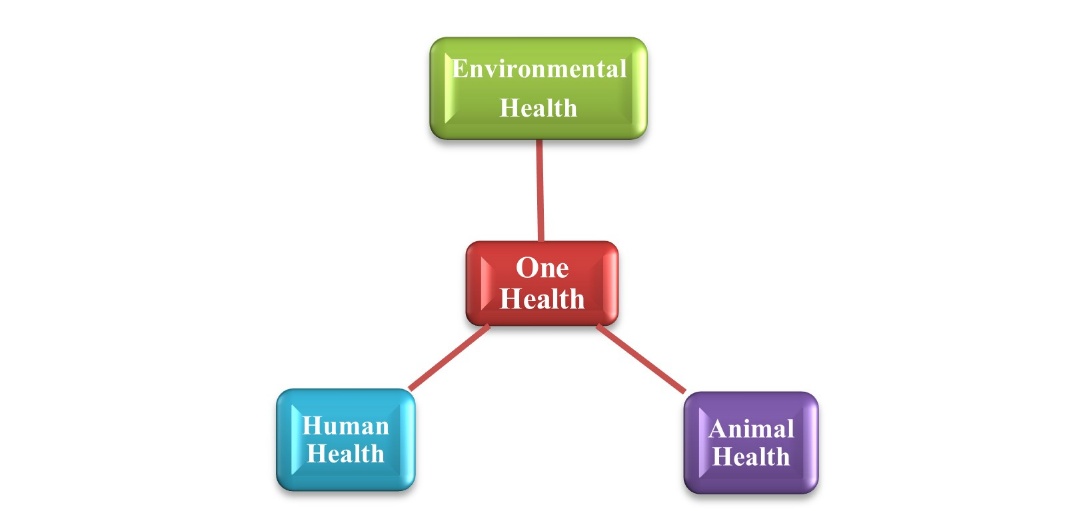
One Health is a multi-sectoral, interdisciplinary and collaborative strategy that operates at all levels to ensure optimal health outcomes through acknowledgment of the interrelations between humans, animals, plants and the environment. It is used in surveillance of joint disease, prevention of zoonotic outbreaks, enhanced food safety and security and minimizing antimicrobial resistance (Pearce et al., 2023). It reinforces surveillance, data exchange, diagnostic laboratories and early response networks through sectoral collaboration (Sinclair, 2019), improves the workforce to control zoonotic diseases and promote coordinated preparedness in the event of a public health emergency (Fig. 2). Generally, One Health promotes international health security by enhancing collaboration, coordination, and communication to deal with common threats, including, but not limited to, zoonoses, antimicrobial resistance and food safety (Amer et al., 2025).
Reducing Demand
One of the biggest threats to wildlife today is international commercial trade in wildlife whether legal or illegal. Nevertheless, a set of IWT mitigation strategies can help decrease the activities to biologically and socioeconomically sustainable levels. These measures can be categorized into three group’s supply side, transactional and demand side. Supply-side actions could also be categorized as those that aim specifically at decreasing the rate of illegal harvesting and those that aim at offering legal alternatives. These are the transactional measures and are aimed at the entire activities involved in the trade chain between the harvesting and the final consumption. Demand-side actions are normally targeted at the ultimate consumers of the wildlife products and are normally intended to alter the behavior of their consumers (Ferraro, 2009). Interventions are difficult to evaluate, yet they are evaluated by a quantifiable difference relative to the counterfactual (t Sas-Rolfes et al., 2019).
Technologies
Diseases of wild animals are becoming very easy to track and monitor by the use of new technologies. They assist us to discover diseases in their initial stages, know their transmission modes and develop superior strategies to safeguard animals and humans (Yaghoubpour & Hekmat, 2024). Wildlife is tracked with GPS collars, taking location records at pre-determined time intervals. They may store the information that can be recovered at later stages. More recent systems enable tracking in remote locations, but are more expensive, consume battery power more rapidly, and subject animals to the effects of radio frequency radiations. Less complicated collars transmit less frequently but gather less real time data as well. On the whole, accuracy, cost, battery life and animal safety have a trade-off (Manville et al., 2024).
Drone-Based Thermal Imaging
Thermal imaging drones can be used to find carcasses of wild boars and prevent the transmission of African swine fever (ASF) because it is fast. Their success is determined by aspects such as time of the day, weather, temperature and the openness of the forest canopy. The use of drones is effective on cloudy mornings and moderate temperatures but in more demanding weather, other techniques such as dogs will be required. Better cameras and speed are to be tested in future research in order to detect better (Rietz et al., 2023).
Molecular and Genetic Tools
Genomic techniques, such as sequencing and metagenomics, are also aiding scientists in identifying known and unknown pathogens, observing disease risks and learn disease transmission. These devices enable environmental and animal sample screening, new viruses’ discovery and host microbiomes study. Field-based sequencing might be used in the future to monitor and manage disease more quickly. Sophisticated methods such as phylodynamic also assist in the analysis of how fast evolving pathogens grow and evolve over time. In sum, these are ways of enhancing surveillance and control of wildlife diseases (Blanchong et al., 2016).
Bioinformatics and Big Data
Bioinformatics can be used to help prevent diseases by determining the genetic risks underlying them, allowing customized approaches such as specific vaccination and surveillance. They enhance the design of vaccines by examining genome of pathogens and forecasting efficacy. Genome editing technologies like CRISPR can be used to modify genes to enhance livestock and crop resilience thereby reducing zoonotic diseases (Scarpa & Casu, 2024).
Community Involvement
DNA barcoding: Wildlife trade is a significant menace to the conservation efforts done in the world to preserve the wildlife species and their parts. DNA barcoding is being used to identifying cross-border movement of the endangered species. The usefulness of DNA barcoding in the identification of the smuggling of a threatened turtle species in Pakistan is reported. Fish meat was detected at a port in Pakistan and its source was tested by DNA Barcoding with fish-specific primers. Sample sequences of the consignment were identical (99%) to those of the Indian flap-shelled turtle, a CITES-listed species. DNA barcoding can provide a solution to these challenges due to its rapid and legitimate results (Rehman et al., 2015).
Artificial Intelligence: Artificial intelligence developed as a form of wildlife conservation is transforming the industry with improved data analysis, predictive modelling and real-time monitoring. Trackers will find it easier to spot species, size populations and prevent poaching, which is facilitated by natural language processing, computer vision, and machine learning (Rathi, 2025). Conservation AI is improving efficiency, accuracy and knowledge of biodiversity and introducing new opportunities to conservation. Further investment in the sphere of AI-informed conservation and collaboration is a key to providing wildlife with a sustainable and prosperous future (Fergus et al., 2024).
Satellite tracking: Satellite-based wildlife telemetry units allow remote monitoring of wildlife location of various species. GPS-tagged tags have been utilized to monitor predator-prey interactions, foraging, activity, movement, migration, habitat and other behavior (Hofman et al., 2019). Zoonotic diseases are causing growing threats to people and animals leading to outbreaks including avian influenza and COVID-19. A new framework relies on animal movement and bio-logging information to improve early detection, give real-time updates and disclose behaviors related to infections. Bio-logging integration informs outbreak processes, management, mitigating spillover risks and contributes to disease management (Talmon et al., 2025).
CONCLUSION
Wildlife trade poses a significant danger to biodiversity and the mechanism of zoonotic spillover, and outbreaks such as HIV/AIDS, SARS, MERS, Ebola, COVID-19, avian influenza, and monkeypox demonstrate its global consequences. The disease emergence processes, including spillover of pathogens to other species and global pandemics, demonstrate the significant risk posed by humanity-wildlife interaction due to trade, habitat invasion, and unsanitary markets. This is complicated by ecological problems like deforestation and loss of biodiversity, poverty and dependence on bushmeat. Although there are such structures as CITES and IHR of WHO, corruption and illegal networks undermine enforcement. One Health approaches, increased vigilance, technological solutions, and demand reduction, coupled with conservation of the habitats and provision of communities, are the solutions. Collectively, such measures can decrease the risk of spill over and protect both biodiversity and human health.
References
- Afolabi C, J Adekunle, M Oyeniran et al., 2025. COVID-19 origins: quantifying scientific consensus amid political polarization through mixed-methods meta analysis. medRxiv: 2025:1-14.
- Aguiar R, R Gray, E Gallo-Cajiao et al., 2025. Preventing zoonotic spillover through regulatory frameworks governing wildlife trade: A scoping review. Public Library of Science 20:0312012.
- Akani GC, D Dendi & L Luiselli, 2015. Ebola virus effects on the bushmeat trade in West Africa. African Journal of Ecology 53:613-5.
- Amer FA, N Jonathan, HA Nofal et al., 2025. Assessing the knowledge of key one health elements among African higher education students: African multi-center cross-sectional study. BioMed Central Public Health 25:1846-50.
- Andersen KG, A Rambaut, WI Lipkin et al., 2020. The proximal origin of SARS-CoV-2. Nature Medicine 26:450-2.
- Azhar EI, SA El-Kafrawy, SA Farraj et al., 2014. Evidence for camel-to-human transmission of MERS coronavirus. New England Journal of Medicine 370: 2499-505.
- Baylis K, J Honey-Roses, J Borner et al., 2016. Mainstreaming impact evaluation in nature conservation. Conservation letters 9:58-64.
- Becker DJ, AD Washburne, CL Faust et al., 2019. The problem of scale in the prediction and management of pathogen spillover. Philosophical Transactions of the Royal Society B 374:20190224.
- Bell D, S Roberton & PR Hunter, 2004. Animal origins of SARS coronavirus: possible links with the international trade in small carnivores. Philosophical Transactions of the Royal Society of London. Series B: Biological Sciences 359:1107-14.
- Bernard SM & SA Anderson, 2006. Qualitative assessment of risk for monkeypox associated with domestic trade in certain animal species, United States. Emerging Infectious Diseases 12:1827-30.
- Blagodatski A, K Trutneva, O Glazova., 2021. Avian influenza in wild birds and poultry: dissemination pathways, monitoring methods, and virus ecology. Pathogens 10:630-3.
- Blanchong JA, SJ Robinson, MD Samueler al., 2016. Application of genetics and genomics to wildlife epidemiology. The Journal of Wildlife Management 80:593-608.
- Bodo T, BG Gimah & KJ Seomoni, 2021. Deforestation and habitat loss: Human causes, consequences and possible solutions. Journal of Geographical Research 4:22-30.
- Borish D, A Basaraba & M Anagnostou, 2025. Navigating cross-cultural relationships to address the illegal wildlife trade: learning from western-interactions with traditional chinese medicine and traditional knowledges. Society and Natural Resources 38:649-62.
- Challe JF & LL Price, 2009. Endangered edible orchids and vulnerable gatherers in the context of HIV/AIDS in the Southern Highlands of Tanzania. Journal of Ethnobiology and Ethnomedicine 5:41-4.
- Chan HK, H Zhang, F Yang et al., 2015. Improve customs systems to monitor global wildlife trade. Science 348:291-2.
- Chouvy PA, 2013. An atlas of trafficking in Southeast Asia. I.B. Tauris, London, UK, pp. 256. ISBN: 978-1780763522.
- Cooney R, A Kasterine, D MacMillan et al., 2015. The trade in wildlife: a framework to improve biodiversity and livelihood outcomes. International Trade Centre, Geneva, Technical Paper 15:1-29.
- Corlett RT, RB Primack, V Devictor et al., 2020. Impacts of the coronavirus pandemic on biodiversity conservation. Elsevier 246:108571.
- Cui J, F Li & ZL Shi, 2019. Origin and evolution of pathogenic coronaviruses. Nature Reviews Microbiology 17:181-92.
- De Merode E, K Homewood & G Cowlishaw, 2004. The value of bushmeat and other wild foods to rural households living in extreme poverty in Democratic Republic of Congo. Biological Conservation 118:573-81.
- Drexler JF, VM Corman & C Drosten, 2014. Ecology, evolution and classification of bat coronaviruses in the aftermath of SARS. Antiviral Research 101:45-56.
- Duffy R & J Humphreys, 2014. Mapping donors: key areas for tackling illegal wildlife trade (Asia and Africa). Evidence on Demand Journal of Development Studies 12:1-40
- Faria NR, J Quick, IM Claro et al., 2017. Establishment and cryptic transmission of Zika virus in Brazil and the Americas. Nature 546:406-10.
- Fergus P, C Chalmers, S Longmore et al., 2024. Harnessing artificial intelligence for wildlife conservation. Conservation 4:685-702.
- Ferraro PJ, 2009. Counterfactual thinking and impact evaluation in environmental policy. New Directions for Evaluation 2009:75-84.
- Gao F, E Bailes, DL Robertson et al., 1999. Origin of HIV-1 in the chimpanzee Pan troglodytes troglodytes. Nature 397:436-41.
- Gomez A & AA Aguirre, 2008. Infectious diseases and the illegal wildlife trade. Annals of the New York Academy of Sciences 1149:16-9.
- Green J, P Hankinson, L de Waal et al., 2022. Wildlife trade for belief-based use: Insights from traditional healers in South Africa. Frontiers in Ecology and Evolution 10:906398.
- Gryseels S, TD Watts, JM Kabongo Mpolesha et al., 2020. A near full-length HIV-1 genome from 1966 recovered from formalin-fixed paraffin-embedded tissue. Proceedings of the National Academy of Sciences 117:12222-9.
- Hahn BH, GM Shaw, KM De et al., 2000. AIDS as a zoonosis: scientific and public health implications. Science 287:607-14.
- Hilderink M & I De Winter, 2021. No need to beat around the bushmeat-The role of wildlife trade and conservation initiatives in the emergence of zoonotic diseases. Heliyon 7:307692.
- Hofman MP, MW Hayward, M Heim et al, 2019. Right on track? Performance of satellite telemetry in terrestrial wildlife research. Public Library of Science ONE 14:1-17.
- Hu B, LP Zeng, XL Yang et al., 2017. Discovery of a rich gene pool of bat SARS-related coronaviruses provides new insights into the origin of SARS coronavirus. Public Library of Science Pathogens 13:1-27.
- Huang Q, F Wang, H Yang, 2021. Will the COVID-19 outbreak be a turning point for China's wildlife protection: New developments and challenges of wildlife conservation in China. Biological Conservation 254:108937.
- Huang Y, L Mu & W Wang, 2022. Monkeypox: epidemiology, pathogenesis, treatment and prevention. Signal Transduction and Targeted Therapy 7:373-7.
- Hughes AC, 2021. Wildlife trade. Current Biology 31:1218-24.
- Hughes JD, 2003. Europe as consumer of exotic biodiversity: Greek and Roman times. Landscape Research 28:21-31.
- Jahanbanifard M, MA Veltman, S Veldman et al., 2022. Wildlife trade. In: Molecular identification of plants: From sequence to species (de Boer HJ, Rydmar MO, Verstraete & Gravendeel B, Eds): Pensoft Publishers (Advanced Books), Sofia, Bulgaria, pp. 372-86.
- Johnson CK, PL Hitchens, PS Pandit et al., 2020. Global shifts in mammalian population trends reveal key predictors of virus spillover risk. Proceedings of the Royal Society 287: 20192736.
- Jones BA, D Grace, R Kock et al., 2013. Zoonosis emergence linked to agricultural intensification and environmental change. Proceedings of the National Academy of Sciences 110:8399-404.
- Jones KE, NG Patel, MA Levy et al., 2008. Global trends in emerging infectious diseases. Nature 451:990-3.
- Karesh WB, RA Cook, EL Bennett et al., 2005. Wildlife trade and global disease emergence. Emerging Infectious Diseases 11:1000-5.
- Keesing F, LK Belden, P Daszak et al., 2010. Impacts of biodiversity on the emergence and transmission of infectious diseases. Nature 468:647-52.
- Kilonzo C, TJ Stopka & B Chomel, 2013. Illegal animal and (bush) meat trade associated risk of spread of viral infections. In: Viral infections and global change (SK Singh, eds.): Wiley-Blackwell, Hoboken, USA, pp. 179-94.
- Kock M, 1996. Wildlife, people and development: veterinary contributions to wildlife health and resource management in Africa. Tropical Animal Health and Production 28:68-80.
- Kundu R, Y Bansal & N Singla, 2024. The Zoonotic Potential of Fungal Pathogens: Another dimension of the one health approach. Diagnostics 14:2050-5.
- Lee JW & WJ McKibbin, 2004. Estimating the global economic costs of SARS. In: Learning from SARS: Preparing for the Next Disease Outbreak (Knobler S, MahmoudA , S Lemon et al., Eds.), National Academies Press, Washington DC, USA, pp. 92-109.
- Lemieux A, GA Colby, AJ Poulain et al., 2022. Viral spillover risk increases with climate change in High Arctic lake sediments. Proceedings of the Royal Society 289:20221073.
- Liew JH, ZY Kho, RBH Lim et al., 2021. International socioeconomic inequality drives trade patterns in the global wildlife market. Science Advances 7:7679-82.
- Lin B, ML Dietrich, RA Senior et al., 2021. A better classification of wet markets is key to safeguarding human health and biodiversity. The Lancet Planetary Health 5:386-94.
- Manville AM, BB Levitt & HC Lai., 2024. Health and environmental effects to wildlife from radio telemetry and tracking devices state of the science and best management practices. Frontiers in Veterinary Science 11:1283709.
- Modirihamedan A, S Aghajantabar, J King et al., 2021. Wild bird trade at live poultry markets potentiates risks of avian influenza virus introduction in Iran. Infection Ecology and Epidemiology 11:1992083.
- Mutambara TE, 2013. Africa-Asia trade versus Africa's trade with the North: Trends and trajectories. African Review of Economics and Finance 4:273-99.
- Nagendra H, P Mondal, S Adhikari et al., 2012. Peopled parks: forest change in India's protected landscapes. In: Human-environment interactions: Current and future directions (S Brunn, Ed.): Springer, Dordrecht, Netherlands, pp. 113-39.
- Olival KJ, PR Hosseini, C Zambrana Torrelio et al., 2017. Host and viral traits predict zoonotic spillover from mammals. Nature 546:646-50.
- Olivero J, JE Fa, R Real et al., 2017. Mammalian biogeography and the Ebola virus in Africa. Mammal Review 47:24-37.
- Öllerer K, A Varga, K Kirby et al, 2019. Beyond the obvious impact of domestic livestock grazing on temperate forest vegetation. Biological Conservation 237:209-19.
- Pascual M, J Wingard, N Bhatri et al., 2021. Building a global taxonomy of wildlife offenses. Conservation Biology 35:1903-12.
- Pearce SD, DF Kelton, CB Winder et al., 2023. Characterizing how one health is defined and used within primary research. International Journal of One Health 9:74-86.
- Plowright RK, CR Parrish, H McCallum et al., 2017. Pathways to zoonotic spillover. Nature Reviews Microbiology 15:502-10.
- Rathi P, 2025. Navigating the landscape: challenges and opportunities of AI in wildlife conservation. In: AI and Machine Learning Techniques for Wildlife Conservation (Raghav YY , A Chauhan, P Pandey & SB Khan, Eds.): IGI Global, Hershey, PA, USA, pp. 159-82.
- Rebel JM, B Peeters, H Fijten et al., 2011. Highly pathogenic or low pathogenic avian influenza virus subtype H7N1 infection in chicken lungs: small differences in general acute responses. Veterinary Research 42:10-3.
- Recht J, VJ Schuenemann & MR Sanchez Villagra, 2020. Host diversity and origin of zoonoses: The ancient and the new. Animals 10:1672.
- Rehman A, S Jafar, NA Raja et al., 2015. Use of DNA barcoding to control the illegal wildlife trade: a CITES case report from Pakistan. Journal of Bioresource Management 2:3-6.
- Rietz J, ST van Beeck Calkoen, N Ferry et al., 2023. Drone‐based thermal imaging in the detection of wildlife carcasses and disease management. Transboundary and Emerging Diseases 2023:5517000.
- Scarpa F & M Casu, 2024. Genomics and bioinformatics in one health: transdisciplinary approaches for health promotion and disease prevention. International Journal of Environmental Research and Public Health 21:1337.
- Scheffers BR, BF Oliveira, I Lamb et al., 2019. Global wildlife trade across the tree of life. Science 366:71-6.
- Sinclair JR, 2019. Importance of a One Health approach in advancing global health security and the sustainable development goals. Revue Scientifique Technique (International Office of Epizootics) 38:145-54.
- Smith KF, M Goldberg, S Rosenthal et al., 2014. Global rise in human infectious disease outbreaks. Journal of the Royal Society Interface 11:20140950.
- Sokolow SH, N Nova, KM Pepin et al., 2019. Ecological interventions to prevent and manage zoonotic pathogen spillover. Philosophical Transactions of the Royal Society B 374:20180342.
- Sollund R, 2013. Animal trafficking and trade: Abuse and species injustice. In: Emerging issues in green criminology: exploring power, justice and harm (Walters R, DS Westerhuis & T Wyatt, Eds.): PalgraveMacmillan, London, pp. 72-92.
- Symes WS, FL McGrath, M Rao et al., 2018. The gravity of wildlife trade. Biological Conservation 218:268-76.
- t Sas-Rolfes M, DW Challender, A Hinsley et al., 2019. Illegal wildlife trade: scale, processes, and governance. Annual Review of Environment and Resources 44:201-28.
- Tajudeen YA, IO Oladunjoye, O Bajinka et al., 2022. Zoonotic spillover in an era of rapid deforestation of tropical areas and unprecedented wildlife trafficking into the wild. Challenges 13:41-5.
- Talmon I, S Pekarsky, Y Bartan et al., 2025. Using wild animal tracking for detecting and managing disease outbreaks. Trends in Ecology and Evolution 40:760-71.
- Tu C, G Crameri, X Kong et al., 2004. Antibodies to SARS coronavirus in civets. Emerging Infectious Diseases 10:2244-8.
- Uhm DPv, 2016. The illegal wildlife trade: Inside the world of poachers, smugglers and traders. Springer, Cham, Switzerland, pp. 291.
- Uhm DPv, 2018. The social construction of the value of wildlife: A green cultural criminological perspective. Theoretical Criminology 22:384-401.
- Valley-Omar Z, A Cloete, R Pieterse et al., 2020. Human surveillance and phylogeny of highly pathogenic avian influenza A (H5N8) during an outbreak in poultry in South Africa, 2017. Influenza and Other Respiratory Viruses 14:266-73.
- Veldman S, J Otieno, T van Andel et al., 2014. Efforts urged to tackle thriving illegal orchid trade in Tanzania and Zambia for chikanda production. Traffic Bulletin 26:47-50.
- Wang CX, LS Xiu, QQ Hu et al., 2023. Advancing early warning and surveillance for zoonotic diseases under climate change: Interdisciplinary systematic perspectives. Advances in Climate Change Research 14:814-26.
- Warchol GL, 2004. The transnational illegal wildlife trade. Criminal Justice Studies 17:57-73.
- Wommack KE, J Bhavsar, SW Polson et al., 2012. VIROME: a standard operating procedure for analysis of viral metagenome sequences. Standards in Genomic Sciences 6:421-33.
- Wyatt T, D van Uhm & A Nurse, 2020. Differentiating criminal networks in the illegal wildlife trade: organized, corporate and disorganized crime. Trends in Organized Crime 23:350-66.
- Xiao L, Z Lu, X Li et al., 2021. Why do we need a wildlife consumption ban in China? Current Biology 31:168-72.
- Yaghoubpour A & B Hekmat, 2024. An overview of the role of new technologies in wildlife disease monitoring and tracking. In: Development Engineering Conferences Center Articles Database 1:45-52.
- Yuan R, N Zhang & Q Zhang, 2024. The impact of habitat loss and fragmentation on biodiversity in global protected areas. Science of the Total Environment 931:173004.