

INTRODUCTION
Emerging infections (EIs) refer to infections that have already existed but are rapidly expanding in frequency or geographic range, or that have recently emerged in a population. Re-emerging infectious diseases refer to pests that had become diminished but are currently rising because of a change in factors like the practices in public medicine, microbial resistance, or alterations in the socio-environmental (Wang et al., 2021). Infectious diseases have had a significant impact on human civilization throughout history. Many people thought that humanity had won the long-running war against infectious diseases some fifty years ago. Regretfully, several new illnesses, including AIDS, the spread of West Nile fever, and legionnaires' disease, have surfaced in recent decades. Meanwhile, certain traditional ailments (including tuberculosis, Lyme disease, and malaria) have fully returned. Since infectious diseases continue to be the world's largest cause of mortality, it is obvious that humans have not yet been hailed the victor in this dispute (Morens et al., 2004).
Due to high mortality rates of over one billion people in both industrialized and developing countries, the term "infectious diseases" became well-known in the 21st century. Infectious diseases caused by a variety of pathogens, such as bacteria, viruses, and parasites, can spread from one host to another through a number of different channels, including the air, intermediate animal hosts, direct human-to-human contact, close contact, and vector-borne transmission. The dissemination of infectious diseases across national borders has risen due to globalization and increasing connectivity. For scientists and epidemiologists, the increasing prevalence of infectious diseases poses a significant problem. Whether they are newly discovered, rediscovered, or ignored, infectious diseases have a significant effect on people, communities, and countries. Emerging infectious diseases like the COVID-19 pandemic present ongoing problems for public health. These situations emphasize the value of international cooperation, research, and guaranteeing fair access to vaccines, treatments, and diagnostics (Baral et al., 2024).
Aside from causing unimaginable suffering and death, EIs have influenced the path of human history. A novel illness known as acquired immune deficiency syndrome (AIDS) was identified for the first time in 1981. AIDS today poses a threat to overtake the 14th-century Black Death and the 1918–1920 influenza pandemic, both of which claimed the lives of at least 50 million people worldwide. Others, like the severe acute respiratory syndrome (SARS), which first appeared in the same year, have had an international impact, while others, like the 2003 instances of the monkeypox outbreak smuggled into the United States, have been minor oddities. A third group, "deliberately emerging" diseases, includes the 2001 US anthrax bioterrorist strike (Morens et al., 2004).
Several variables, such as environment, globalization, microbial adaptation, human behavior, and public health infrastructure, affect the prevalence of emerging infectious diseases (EIDs) and re-emerging infectious diseases (REIDs). Furthermore, the majority of these factors may be linked to the growing human population, crowded cities with inadequate sanitation, frequent and intense international travel, modifications in food handling or processing, and increased human exposure to microbial carrying vectors and reservoirs in the environment. The first protective laws were put into effect in the fourteenth century, and they developed throughout the ages into the current International Health Regulations. In order to guard against diseases, spread by shipborne rats, Venice implemented the first quarantine laws known to history in 1377. Additionally, travel has always been a crucial influence in the global spread of disease by acting as a conduit. As a result, most nations will close their borders, limit immigration, and start rigorous monitoring of the goods seized from passengers at ports and airports when EIDs or REIDs occur (Fig. 1). For instance, COVID-19, an EID, has spread from the initial city to be reported (Wuhan, China) to several nations across the world through international travel and immigration (Wang et al., 2021).
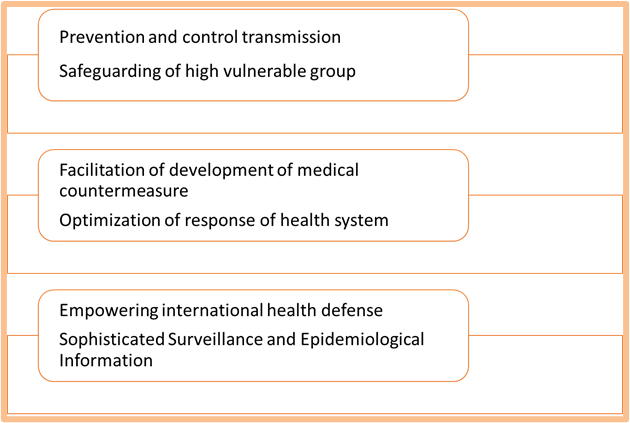
Prompt detection of outbreaks of infectious diseases permits a swift response with the containment measures, such as isolation of cases, contact tracing, quarantine and community-specific interventions. These measures help to break the transmission lines and prevent a local epizootic outbreak in the development of regional epidemics or a pandemic. The earlier stages of an outbreak tend to be the most viable period of containment, since the pathogen has yet to affect the population at large (Barrett et al., 2016).
GLOBAL BURDEN AND EPIDEMIOLOGY
Infectious diseases exert a significant burden on world health, chiefly in the nations with low and moderate incomes. It has been estimated that on the scale of all global mortality, there are about 15 million people a year who die directly as a result of infectious diseases among the total 57 million annual deaths. This figure, however, is actually an underestimate of the actual effect of infectious pathogens on human health because it does not represent the fatalities caused by those long-term consequences of a previous infection or in the case of individuals with chronic infection. People in developing nations bear the brunt of the morbidity (bad health) and mortality linked to infectious diseases, especially babies and children (about three million children die annually from malaria and diarrheal diseases alone). Indigenous and underprivileged minorities are disproportionately affected by infectious illness mortality in developed countries (Morens et al., 2004). Since the inception of human life, germs and humans have been involved in a titanic battle for survival. Bacteria, viruses, and parasites can bypass human defenses (such as physiologic systems and synthetic medications) and take advantage of human activities (such as sexual practices and food production and preparation techniques) due to rapid microbial development and adaptation. Certain zoonotic microorganisms have "jumped" from animals to people and are now serious threats to human health. For instance, when people started domesticating animals in communities big enough to support human-to-human transmission 10,000 years ago, the progenitors of the smallpox virus and malaria parasites most likely turned into human infections. One of the deadliest diseases in human history, AIDS, developed recently from a virus that was carried by a nonhuman monkey (Levitt et al., 2012).
Being in close vicinity to competent vectors and disease hosts can spread several zoonotic diseases, such as MERS, tularemia, Q fever, plague, and RVF. There is a risk of a rise in the transmission and appearance of zoonotic diseases because most nations in the region lack effective coordination systems between the human and animal health sectors. According to WHO estimates, lower-income groups are affected by about 45% of infectious diseases. Yemen and Egypt, for instance, have significant rates of poverty and are prone to several infectious diseases. Furthermore, underreporting can lead to misunderstandings or a lack of communication within the health system and between nations, which makes it challenging to predict EIDs and RIDs (Mostafavi et al., 2021).
Infectious diseases captured nearly a quarter (25 percent) of the total 52.8 million estimated global deaths in 2010, according to the Global Burden of Disease Study 2010. The improvement of overall mortality due to communicable diseases from 1990 to 2010 reduced cases of deaths due to lower respiratory diseases (3.4 to 2.8 million) and diarrheal diseases (2.5 to 1.4 million). Even in this reduction, communicable diseases were the leading causative factors of deaths and disability, especially in children. Although HIV/AIDS-related deaths peaked in 2006, it continued to remain one of the major causes of deaths in 2010, accounting for 1.5 million deaths mostly in the low-income areas. Tuberculosis and malaria were the cause of deaths of about 1.2 million people. The cost of infectious diseases is not limited to the health sector and these diseases also cause significant morbidity, hamper economic development and destabilize the politics of low-income countries (Khabbaz et al., 2014).
CAUSES AND RISK FACTORS
Within current globalization, people and animals interact more, travel more and become more interconnected, which has contributed to the spread of infectious diseases previously localized in remote locations. Emerging infectious diseases are created by events like evolution, geographic dispersal, species transmission, antimicrobial resistance and virulent or highly occurring problems. Others may be threats of bioterrorism in 2003, there were remarkable outbreaks of SARS, monkeypox, and avian influenza. A myriad of advances in genomics, environmental monitoring and technology promise to allow a new kind of detection, prevention and control of disease. Efficient response involves interdisciplinary co-operation and long-term investment in the health infrastructure, such as surveillance, communication, and preventative measures (Lashley, 2004).
MERS-CoV
It is an animal transmitted viral disease that causes respiratory infections and has subsequently spread to 26 other countries. First detected in Saudi Arabia in 2012, globally, MERS-CoV infection has resulted in 787 fatalities and more than 2207 laboratory-confirmed cases. From asymptomatic infections to acute respiratory distress syndrome, which can lead to multiple organ failure and death, MERS-CoV causes a wide range of clinical symptoms. At three to four cases per ten, the case-fatality rates have stayed high76. There is currently little knowledge regarding the dynamics of this virus's transmission, and there is currently no proven cure or preventative vaccination. Many people contracted the disease after coming into touch with camels, and bats are believed to be the virus's natural reservoirs (Mourya et al., 2019).
Influenza
Novel influenza viruses, which are members of the Orthomyxoviridae family, infect a wide variety of organisms and constitute a constant threat to human health worldwide. For ages, influenza has generated unanticipated and recurrent pandemics due to its ongoing evolution. Investigation at the earliest indication of emergence is especially crucial because it is impossible to foresee when and where a zoonotic pathogen will appear. To keep an eye on influenza strains that could spread to humans and animals and cause a pandemic, the WHO set up a global influenza surveillance network. examined the past of influenza pandemic preparedness and suggested further steps to enhance the plans currently in place. They also discuss how the current SARS-CoV-2 crisis and the influenza pandemic preparedness network connect (Choi, 2021).
Severe Acute Respiratory Virus (SARS)
Severe acute respiratory virus (SARS) is a rapidly spreading, deadly lung infection caused by the SARS coronavirus (SARS-CoV). The earliest documented outbreak, primarily in China during 2002-2004, and spread amongst humans by infected foreigners, was attributed to the outbreaks in North America and Europe. Civets or other mammals sold in China in the live animal markets might have introduced themselves into the human population, according to genetic characterization. A total of 8096 cases in 29 countries were reported during the entire outbreak, of which 774 were deaths (case fatality rate: 9.6%). SARS-CoV is spread by respiratory droplets and close contact with specific individuals, who act as so-called super spreaders. An infection is typically manifested 2-12 days after infection. According to an epidemiological study carried out during the pandemic, the elderly and immunosuppressed people had a disproportionate number of deaths. Among patients under 12 years of age, only a small percentage were burdened with severe illness. Laboratory abnormalities are typified by the most common symptoms, such as fever, myalgia, and malaise, but are usually non-specific. high C-reactive protein, high lactate dehydrogenase (LDH), thrombocytopenia, and lymphopenia. Prognostic studies have shown that increased age, increased pulse and increased LDH levels are related to an increased risk of catastrophic consequences (Bradley and Bryan, 2020).
Zika
Perhaps the most startling example of a pandemic outbreak linked to increased pathogenicity is the Zika virus, a flavivirus that has been around for decades. Although Zika had never before created an epidemic in humans, it abruptly and wildly expanded over the tropical belt in 2015, infecting millions of people and causing serious birth abnormalities and fetal losses. A mutation in the exterior viral glycoprotein that altered a single amino acid was the apparent cause of the pandemic (Morens and Fauci , 2020). Zika virus (ZIKV) is an arthropod-borne flavivirus that is mostly associated with human infection by being bitten by infected mosquitoes, especially Aedes aegypti and Aedes albopictus. ZIKV was first discovered in Uganda in 1947 and was relatively unknown until large outbreaks happened in the Pacific and the Americas, most notably in Brazil during the 2015-2016 epidemic. Even though Zika virus infection is either asymptomatic or leads to mild symptoms of fever, rash, pain in the joints, and conjunctivitis, its connection with grave neurological manifestations has become an issue of concern at the global health level. Specifically, the connection between maternal ZIKV infection during pregnancy and congenital Zika syndrome, with microcephaly and other severe abnormalities of the fetal brain, is of paramount importance. Besides, Guillain-Barré syndrome in adults has been linked to ZIKV. It may also be transmitted through sex, blood transfusion, and mother-to-fetus transmission. At present, a particular antiviral drug or licensed vaccine does not exist, and the prevention options are centered on the control of mosquitoes, personal protective behaviors, and safe sex in endemic or outbreak-prone areas (Shan et al., 2020).
Covid-19
Global public health has been significantly impacted by the unusual pneumonia pandemic brought on by the new coronavirus SARS-CoV-2 in China and elsewhere. Despite the fact that bats are thought to be the most likely natural hosts for SARS-CoV-2, it is still unknown where the virus originated. Coronavirus Disease 2019 (COVID-19) is an acute respiratory infection caused by the novel severe acute respiratory syndrome coronavirus 2 (SARS-CoV-2), which was first described in Wuhan, China in December 2019. The virus was quickly diffusing all around the planet and by March of 2020, the World Health Organization declared a global pandemic. The primary modes of transmission of SARS-CoV-2 are respiratory droplets, aerosols, and contact with contaminated surfaces, and transmission also occurs through asymptomatic and pre-symptomatic carriers (Zhou et al., 2020).
Clinical presentations include mild respiratory symptoms to severe pneumonia, acute respiratory distress syndrome (ARDS), multiple organ failure and mortality, especially in individuals with underlying comorbidity and older adults. Other than respiratory disease, COVID-19 has also been linked with systemic complications, including cardiovascular, neurological, renal, and thromboembolic complications. The world reaction entailed previously unseen public health actions, including social distancing, quarantine, and the speedy creation and release of mRNA and viral adenovirus vaccines. With the prevalence of vaccination campaigns, the onset of new variants of the virus has continued to challenge the efforts of containment and control, which points to the significance of sustained surveillance, vaccine modification, and health preparedness on the global level. (Morens et al., 2020)
BACTERIAL INFECTIOUS DISEASE
Antibiotic-Resistant Bacterial Infections
Antibiotic-resistant bacteria are becoming a major global public health concern and a threat to global health security. Over half a million people globally suffer with multidrug-resistant tuberculosis (MDR-TB), which has a high morbidity and mortality rate. Streptococcus pneumoniae, Mycoplasma pneumoniae, Staphylococcus aureus, Legionella pneumophila and Enterobacteriaceae are common organisms that cause community-acquired pneumonia (CAP) around the world. In the Asia-Pacific regions, the important causative agents of CAP are Acinetobacter baumanii, Burkholderia pseudomallei, and Klebsiella pneumoniae. The frequency of antimicrobial resistance in S. pneumoniae and M. pneumoniae has been known to have an effect on the necessity of more prudent use of antibiotics. Margaret and Jeffrey discuss the established mechanisms of resistance and antimicrobial resistance to the well-known bacterial infections that present in CAP (Zumla and Hui, 2019).
Multi Drug-Resistant Tuberculosis
Tuberculosis (TB) is still considered one of the greatest menaces to health worldwide. In 2005, 1.6 million individuals were estimated to have passed away and 8.8 million new cases were reported. Tuberculosis is a disease of poverty, with over 80 percent of the cases arising in Asia or Africa. The emergence of strains that are resistant to traditional anti-tuberculosis treatment regimens poses a novel and potentially catastrophic danger to TB control. A common cause of drug-resistant tuberculosis is the selection of mutant strains by insufficient treatment. Multidrug-resistant tuberculosis (MDR-TB) is defined as resistance to at least two main anti-tuberculosis medications, isoniazid and rifampicin. To treat MDR-TB, second-line medications with increased toxicity must be used in lengthy and costly chemotherapy. The illness becomes nearly incurable if resistance to the second-line medications also develops (Zager and McNerney, 2008).
Improper or incomplete use of anti-TB drugs, which may take the form of improper prescribing methods, poor quality of drugs, lack of treatment adherence by patients, and lack of healthcare systems, are major causes of MDR-TB. Besides resistance emerging during treatment, MDR-TB is also contagious person-to-person, which constitutes an enormous risk to the public's health. MDR-TB diagnosis involves quick molecular assays such as the GeneXpert MTB/RIF or line probe assays that will help in the early detection and prompt therapy. The treatment is extended and multifaceted compared to TB that is drug susceptible, and it may take 6-20 months and second-line drugs, including fluoroquinolones, Bedaquiline, and linezolid. These drugs are less effective, more toxic and very expensive. MDR-TB is mainly a burden to areas with weak health care systems and it is also disproportionately distributed among vulnerable groups of people, including those living with HIV. Containment of the MDR-TB is dependent on effective TB control programs, patient compliance in treatment, early infection of drug resistance and strict infection control measures. MDR-TB has remained an acute health problem even though the world has made some progress in TB diagnosis and newer treatment regimes, which is a problem that needs eradication (Dheda et al., 2024).
Methicillin-Resistant Staphylococcus aureus (MRSA)
Methicillin-resistant Staphylococcus aureus (MRSA) is a major health care-associated and community-acquired pathogen resistant to beta-lactam antibiotics, such as methicillin, penicillin, and amoxicillin. The mecA gene, which produces a modified low-affinity beta-lactam-binding protein (PBP2a) that renders these antibiotics ineffective, is primarily responsible for blocking this. MRSA is capable of inducing a spectrum of infections, including mild skin and soft tissue infections and severe and potentially fatal infections like pneumonia, bacteremia, and osteomyelitis. The fact that it can survive in hospital settings and be transmitted rapidly by humans presents a significant epidemic threat. Ongoing monitoring, antimicrobial stewardship, and development of new therapeutic measures are all necessary to reduce the clinical and epidemiological burden of MRSA. Regarding the European Union, the growing issue of antibiotic resistance poses a serious health cost. For instance, Klebsiella pneumoniae, a common cause of pneumonia and UTIs in hospitals, is one of the multidrug-resistant (MDR) Gram-negative bacteria, and carbapenems are the main last-line class of antibiotics used to treat infections. In the EU, 15–50% of K. pneumoniae bloodstream infections are carbapenem-resistant. Another illustration would be the bacterium (Joffe et al., 2011)
Staphylococcus aureus, which can cause anything from mild skin infections to serious pneumonia. Methicillin-resistant Staphylococcus aureus (MRSA) is an MDR pathogen that has resulted from its adaptability. Severe invasive illness is linked to MRSA. Originally a nosocomial pathogen, MRSA has been found in the community in the past 20 years as community-associated MRSA. According to estimates, there are 0.51–0.64 instances of CA-MRSA pneumonia for every 100,000 people. It is possible to predict that the frequency of CA-MRSA pneumonia is between one in 200 and one in 2,000 cases of community-acquired pneumonia (CAP), given that the incidence of CAP is between 100 and 1,000 cases per 100,000 population.75–85% of patients with CA-MRSA pneumonia are hospitalized to the intensive care unit, and 20–60% of them pass away (Dheda et al., 2024).
| Pathogen type | Disease | Causative agent | Emergence Type | Molecular diagnostic procedure |
|---|---|---|---|---|
| Viral | Covid-19 | SARS-CoV-2 | Emerging | Rt-PCR |
| Ebola Virus Disease | Ebola virus | Re-emerging | PCR | |
| Zika Virus Infection | Zika virus | Emerging | Rt-PCR | |
| Bacterial | MRSA (Methicillin-resistant) | Staphylococcus aureus (MRSA) | Re-emerging | PCR |
| Anthrax | Bacillus anthracis | Re-emerging | Rt-PCR | |
| Fungal | Invasive Candidiasis | Candida auris | Emerging | PCR, qPCR |
| Aspergillosis | Aspergillus fumigatus | Re-emerging | PCR, qPCR |
FUNGAL INFECTIOUS DISEASES
Candida auris Infections
About ten years ago, Candida auris (C. auris) was an unknown fungus in clinical practice; today, it is a true emergent fungus. In 2009, a single strain of this yeast was identified from a patient's ear discharge in Japan. Since then, it has been recognized globally as a pathogen that mainly causes bloodstream infections, although it can also cause infections of the wounds, urinary tract, and other areas. Only a few isolates of C. auris were found before 2011, indicating that the appearance of the organism is relatively recent, according to a recent review of many worldwide culture collections (Lockhart and Guarner, 2019).
The ascomycete budding yeast C. auris is elliptical to elongate and ranges in size from 2 to 5 µm. It can thrive in high-salinity settings (up to 10% NaCl) and grow at temperatures as high as 42°C. Although it usually grows alone or in pairs, it can combine in liquid culture and there is proof that it can produce hyphae after passing through an animal host. The growth behavior of C. auris and other Candida species suggests that it will most likely show up in tissue sections as yeasts with uncommon hyaline hyphae.
Candidemia is the most typical sign of a C. auris infection. Infections in the urogenital tract, respiratory tract, central nervous system, abdomen, bone, skin, and soft tissues have also been reported.45 The 30-day mortality rate was 39% and the 90-day mortality rate was 58% in a review of 31 instances with candidemia from New York.46 Additionally, C. auris can colonize a patient's axilla, groin, nares, ear, and rectum. Although colonization does not immediately endanger the patient, colonized patients can later contract the infection and, if hospital infection control procedures are not implemented, they also represent a significant risk of colonizing other patients. There is currently no established decolonization protocol (Meis and Chowdhary, 2018).
Invasive Aspergillosis (IA)
Invasive aspergillosis (IA) is an important source of Deaths and illnesses in developing countries, but the true incidence remains unknown due to a lack of reporting and diagnostic capability. A literature review of studies published between 1970 and 2010 in countries identified by the International Monetary Fund (IMF) as emerging and developing economies revealed only a handful of centers that have reported IA case series (Chakrabarti et al., 2011).
Even though they can spread to other organs, Aspergillus species are major contributors to invasive and persistent infections that mostly affect the lungs. One of the populations known to be most vulnerable to invasive disease is highly immunocompromised patients, such as those undergoing hematopoietic stem cell transplantation, highly immunosuppressive chemotherapy, or extended courses of high-dose corticosteroids for graft-versus-host disease. Since inhalation into the lungs is the main way that Aspergillus enters the body, recipients of solid organ transplants who have had lung transplants are more vulnerable. Aspergillus species are also becoming more widely acknowledged as significant contributors to mycoses in critically sick patients, such as those with acute chronic obstructive pulmonary disease, who were not previously thought to be at high risk. Chronic pulmonary aspergillosis can develop in patients who have structural lung damage, such as those who have sarcoidosis or tuberculosis. Research has suggested that the prevalence of chronic pulmonary aspergillosis is over 3 million people worldwide (Wiederhold,2022).
Diagnostic Challenges
Emerging and reemerging infections will continue to pose a threat to humanity despite the initial success in preventing infectious diseases, first through vaccination and then with antibiotics. This is because infectious diseases are unique in that they involve the interaction of two living organisms that have coexisted on the same planet for millions of years without ever having been known to interact. Humans are not at risk from the majority of infectious agents, which include bacteria, viruses, fungi, or parasites. Actually, only a few hundred of them can harm the human host. Additionally, the range of illnesses that a specific pathogen can cause in humans varies substantially based on host-related, ecological, and infectious agent-related aspects. Researchers will be challenged by new pathogens, new disease spectra, and well-known pathogens that have evolved alternative strategies to persist in their ecological niche, since the interaction between novel and well-known pathogens and human/zoonotic hosts is constantly changing (Olano and Walker, 2011).
Advances in Molecular Diagnostics
Approximately the past 40 years, over 50 new and reemerging pathogens have been discovered. Despite the warning signs of human immunodeficiency virus infections, medicine had been indifferent to new infectious diseases until 1992, when the Institute of Medicine published a paper defining them. Hepatitis C virus, Bartonella henselae (cat scratch disease, bacillary angiomatosis), and Sin Nombre virus (hantaviral pulmonary syndrome) are just a few of the new viruses and bacteria that have been found and described using molecular technologies (Table 1). Although several agents have shown proof of concept that molecular diagnostics can be applied to harmful, picky, and uncultivated agents for which traditional tests do not provide prompt diagnoses, broad adoption of affordable, validated commercial assays has not yet taken place (Dong et al., 2008)
PCR-Mediated Infectious Disease Diagnosis
Clinical infectious disease practice is transforming thanks to molecular diagnosis. In acute-care settings, where prompt and precise diagnostic instruments are essential for patient treatment choices and results, their impact will be substantial. As the most advanced molecular technique to date, PCR has a wide range of clinical applications that have already been completed and have the potential to be completed. These include surveillance, early detection of biothreat agents, evaluation of emerging novel infections, antimicrobial resistance profiling, and the detection of specific or broad-spectrum pathogens. In comparison to conventional testing methods, PCR-based techniques could also be more affordable. To increase automation, maximize detection sensitivity and specificity, and increase the ability to identify many objects at once (multiplexing), more technological innovation is required (Meganck and Baric, 2021).
PUBLIC HEALTH CHALLENGES
The studies on the prevention and treatment of infectious diseases may one day be able to "close the book," according to public health professionals. It is now evident, nevertheless, that endemic diseases, as well as those that have recently emerged, such as SARS, reemerged like West Nile virus, and even intentionally spread infectious diseases like bioterrorism-induced anthrax continue to be a serious threat to the entire world. Many endemic diseases have been controlled during the past few decades thanks to international efforts to identify and characterize infectious agents, comprehend the basic processes via which they induce illness, and develop treatments and defenses against many of the world's most dangerous viruses As we appear to be entering a new era, important infectious diseases including hepatitis B, rabies, Haemophilus influenzae type B, and even to some extent HIV/AIDS are getting better under control. characterize infectious agents, comprehend the basic processes via which they induce illness, and develop treatments and defenses against many of the world's most dangerous viruses (Fauci, 2005).
As we appear to be entering a new era, important infectious diseases, including hepatitis B, rabies, Haemophilus influenzae type B, and even to some extent HIV/AIDS, are getting better under control. However, there is no guarantee that we will be able to prevent the numerous new diseases that will unavoidably emerge. Our arsenal consists of a variety of weapons, such as vaccines and medication supplies and readiness strategies. However, every new illness presents different difficulties, requiring us to constantly adjust to risks that are always changing. The fight against new infectious diseases is an ongoing one; defeating one disease does not imply eliminating all of them; rather, it means escaping before the next one appears (Morens and Fauci, 2013).
ROLE OF WHO
Due to a number of recent developments, the microbial danger has returned, making all countries more susceptible to infectious diseases, whether they are intentionally generated, well-established, or recently discovered. The best defense is intelligence about infectious diseases obtained through sensitive surveillance. Like natural outbreaks, intentional outbreaks require the same epidemiological and laboratory methods for detection, investigation, and containment. In response to the increased demand for early outbreak awareness and response readiness, WHO established the Global Outbreak Alert and Response Network in April 2000. A computer-driven tool for real-time illness intelligence collection and a number of novel procedures enable the Network, which unifies 110 current networks. The framework employs a variety of reaction tactics to counter known threats and unforeseen circumstances while enhancing national and international readiness (Heymann and Rodier, 2001).
ROLE OF INTERNATIONAL HEALTH REGULATION
The sole international ordinances pertaining to the management of infectious diseases, the International Health Regulations (IHR), were first published in 1951 and have not undergone any major revisions. The IHR is presently being modernized by the WHO. A robust mission that emphasizes the WHO's core public health purposes, functions, and essential services; a broad scope that flexibly covers a variety of health threats; global surveillance that develops informational networks of official and unofficial data sources; national public health systems that set performance criteria, measure outcomes, and hold states accountable; human rights protection that establishes science-based standards and fair procedures; and good governance that embraces the values of fairness, objectivity, and transparency are some of the new reforms to improve health of the world to improve global health (Gostin ,2004)
THERAPEUTIC APPROACH
The devastating and ongoing coronavirus disease 2019 (COVID-19) pandemic is just one of more than ten major outbreaks of epidemic or pandemic viruses that have occurred in the twenty-first century. Given the predicted acceleration of viral illness development, these findings underscore the necessity of proactive measures to develop broadly active family-specific and cross-family medicines for use in future disease outbreaks. Prioritizing host-factor treatments, which may entail repurposing licensed or in-pipeline drugs, is just as important as developing broad-spectrum small-molecule and antibody direct-acting antivirals. Another new class of drugs with great potential for antiviral treatment is RNA-based therapeutics. Instead of focusing solely on known threats, dedicated efforts must be directed toward preventative research focused on virus families that are prone to outbreaks. In the end, this will offer a strategy to shorten the interval between the epidemic and the response. Priority should also be given to combination therapies that treat viral and immune-mediated disorders, extend the duration of therapy windows, and reduce drug resistance, as well as oral drugs for outpatient use, if at all practicable. Even while this approach will require new ideas, dedicated funding, and partnerships from the federal government, business community, and academia, it provides people with hope that future pandemics like COVID-19 won't strike people worldwide (Meganck and Baric, 2021).
Nano particles as an emerging option
For the treatment of IDs, safe and effective drugs must be readily available and used appropriately. A lot of preclinical research has been done on nanotechnology-based strategies to increase the therapeutic index of ID medications and make their usage easier. We highlight exciting preclinical research and talk about the difficulties in translating these findings into clinical practice (Kirtane et al., 2021).
Nano technology the potential to revolutionize the way a variety of diseases are detected and treated. The primary causes of illness and mortality around the world could be significantly impacted by these technologies, which involve systems with a diameter of roughly one thousandth of a hair's thickness. Over the past few decades, a great deal of research has been conducted on nano systems, leading to the development of chemotherapeutics, imaging agents, nutritional supplements, and other products that have received FDA approval. It should come as no surprise that nanotechnology has been thoroughly studied to enhance the management of IDs. the potential of nanotechnology to treat IDs, and talk about preclinical and clinical developments in this field, with particular emphasis on HIV, TB, and malaria. Furthermore, we acknowledge the continued influence of nanotechnology in the creation of potent SARS-CoV-2 protein and mRNA vaccines (Steinbach et al., 2012).
Oligonucleotide therapy
Numerous illnesses may be treated with oligonucleotide treatments. Currently, there are therapeutic candidates with applications in infectious diseases, cancer, metabolic disorders, and genetic disorders. If the nucleotide sequence of the target gene is known, oligomers may be able to target any pathogen, whether it be bacterial, viral, fungal, or parasitic in origin, from the perspective of infectious diseases. There are a few antisense medicines under clinical trials for the treatment of viral infections, but there aren't any oligonucleotide medications authorized by the Food and Drug Administration (FDA) of the United State on the market yet. Clinical trials with oligonucleotides to treat bacterial infections are still pending (Meganck and Baric, 2021).
Sustainability
Conventional mechanisms of antibiotic resistance do not apply to antimicrobial oligonucleotides. By modifying the antisense molecule, any acquired resistance brought about by a mutation in the target sequence can be easily overcome. It is possible to quickly alter the base sequence without affecting the drug's pharmacology. Additionally, oligonucleotides are many times larger than their small-molecule antibiotic counterparts; although this increases the difficulty of cellular uptake, oligonucleotides have shown higher cellular retention. Unlike certain antibiotics, which can be quickly removed from bacteria by efflux pumps, oligonucleotides are maintained for a number of hours, which promotes accumulation and prolongs the effects of the antibiotic (Stein and Daniella, 2017).
References
- Baral B, K Mamale, S Gairola et al., 2024. Infectious diseases and its global epidemiology. In: Nanostructured Drug Delivery Systems in Infectious Disease Treatment. Academic Press, pp:1-24.
- Barrett R, CW Kuzawa, T McDade et al., 2016. Emerging and re-emerging infectious diseases: the third epidemiologic transition. In: Health Psychology. Routledge, pp:193-210.
- Bradley BT and A Bryan, 2019. Emerging respiratory infections: the infectious disease pathology of SARS, MERS, pandemic influenza, and Legionella. Seminars in Diagnostic Pathology 36(3):152-159.
- Chakrabarti A, SS Chatterjee, A Das et al., 2011. Invasive aspergillosis in developing countries. Medical Mycology 49:S35-S47.
- Choi YK, 2021. Emerging and re-emerging fatal viral diseases. Experimental and Molecular Medicine 53(5):711-712.
- Dheda K, F Mirzayev, DM Cirillo et al., 2024. Multidrug-resistant tuberculosis. Nature Reviews Disease Primers 10:22.
- Dong J, JP Olano, JW McBride et al., 2008. Emerging pathogens: challenges and successes of molecular diagnostics. The Journal of Molecular Diagnostics 10:185-197.
- Fauci AS, 2005. Emerging and reemerging infectious diseases: the perpetual challenge. Academic Medicine 80:1079-1085.
- Gostin LO, 2004. International infectious disease law: revision of the World Health Organization's International Health Regulations. Journal of the American Medical Association 291:2623-2627.
- Heymann DL and GR Rodier, 2001. Hot spots in a wired world: WHO surveillance of emerging and re-emerging infectious diseases. The Lancet Infectious Diseases 1:345-353.
- Joffe H, P Washer and C Solberg, 2011. Public engagement with emerging infectious disease: the case of MRSA in Britain. Psychology and Health 26:667-683.
- Khabbaz R, BP Bell, A Schuchat et al., 2014. Emerging and reemerging infectious disease threats. In: Mandell, Douglas, and Bennett's Principles and Practice of Infectious Diseases. pp:158.
- Kirtane AR, M Verma, P Karandikar et al., 2021. Nanotechnology approaches for global infectious diseases. Nature Nanotechnology 16:369-384.
- Lashley FR, 2004. Emerging infectious diseases: vulnerabilities, contributing factors and approaches. Expert Review of Anti-Infective Therapy 2(2):299-316.
- Levitt AM, AS Khan and JM Hughes, 2012. Emerging and re-emerging pathogens and diseases. In: Infectious Diseases. pp:56.
- Lockhart SR and J Guarner, 2019. Emerging and reemerging fungal infections. Seminars in Diagnostic Pathology 36:177-181.
- Meganck RM and RS Baric, 2021. Developing therapeutic approaches for twenty-first-century emerging infectious viral diseases. Nature Medicine 27:401-410.
- Meis JF and A Chowdhary, 2018. Candida auris: a global fungal public health threat. The Lancet Infectious Diseases 18:1298-1299.
- Morens DM and AS Fauci, 2013. Emerging infectious diseases: threats to human health and global stability. PLoS Pathogens 9: e1003467.
- Morens DM and AS Fauci, 2020. Emerging pandemic diseases: how we got to COVID-19. Cell 182(5):1077-1092.
- Morens DM, GK Folkers and AS Fauci, 2004. The challenge of emerging and re-emerging infectious diseases. Nature 430:242–249.
- Morens DM, P Daszak and JK Taubenberger, 2020. Escaping Pandora’s box—another novel coronavirus. New England Journal of Medicine 382:1293-95.
- Mostafavi E, A Ghasemian, A Abdinasir et al., 2021. Emerging and re-emerging infectious diseases in the WHO Eastern Mediterranean region, 2001–2018. International Journal of Health Policy and Management 11:1286.
- Mourya DT, PD Yadav, PT Ullas et al., 2019. Emerging/re-emerging viral diseases and new viruses on the Indian horizon. Indian Journal of Medical Research 149(4):447-467.
- Olano JP and DH Walker, 2011. Diagnosing emerging and reemerging infectious diseases: the pivotal role of the pathologist. Archives of Pathology and Laboratory Medicine 135:83-91.
- Quaglio G, J Demotes-Mainard and R Loddenkemper, 2012. Emerging and re-emerging infectious diseases: a continuous challenge for Europe. European Respiratory Journal 40:1312-1314.
- Shan C, H Xia, SL Haller et al., 2020. A Zika virus envelope mutation preceding the 2015 epidemic enhances virulence and fitness for transmission. Proceedings of the National Academy of Sciences 117:20190-20197.
- Stein CA and D Castanotto, 2017. FDA-approved oligonucleotide therapies in 2017. Molecular Therapy 25:1069-1075.
- Steinbach JM, CE Weller, CJ Booth et al., 2012. Polymer nanoparticles encapsulating siRNA for treatment of HSV-2 genital infection. Journal of Controlled Release 162:102-110.
- Streicher LM, 2021. Exploring the future of infectious disease treatment in a post-antibiotic era: a comparative review of alternative therapeutics. Journal of Global Antimicrobial Resistance 24:285-295.
- Wang WH, A Thitithanyanont, AN Urbina and et al., 2021. Emerging and re-emerging diseases. Pathogens 10(7):827.
- Wiederhold NP, 2022. Emerging fungal infections: new species, new names, and antifungal resistance. Clinical Chemistry 68:83-90.
- Yang S and RE Rothman, 2004. PCR-based diagnostics for infectious diseases: uses, limitations, and future applications in acute-care settings. The Lancet Infectious Diseases 4:337-348.
- Zager EM and R McNerney, 2008. Multidrug-resistant tuberculosis. BMC Infectious Diseases 8:1.
- Zhou H, X Chen, T Hu et al., 2020. A novel bat coronavirus closely related to SARS-CoV-2 contains natural insertions at the S1/S2 cleavage site of the spike protein. Current Biology 30:2196-2203.
- Zumla A and DS Hui, 2019. Emerging and reemerging infectious diseases: global overview. Infectious Disease Clinics of North America 33:xiii-xix.