INTRODUCTION
Cognitive dysfunction is a broad term used to describe impairments in mental processes such as memory, attention, executive function, language, and information processing. In the elderly, cognitive impairment is very common and gets worse as people age. According to estimates, 1.8% of individuals in their 60s, 5.1% of individuals in their 70s, 15.1% of individuals in their 80s, and 35.7% of individuals in their 90s worldwide suffer from dementia. 3. According to a Centers for Disease Control and Prevention study based on the 2011 Behavioral Risk Factor Surveillance survey, 12.7% of participants 60 years of age and older self-reported having increased memory loss and disorientation within the previous 12 months. Assessing and treating cognitive issues in their patient population is a common responsibility for clinicians who provide primary care to the elderly (McCollum and Karlawish, 2020). The inability of the brain to store, regulate, and remember memories is known as memory impairment. Excessive depression can impair concentration, memory function, and reduce memory. Short-term memory, which lasts a few seconds to hours, and long-term memory, which retains memories for years, sometimes for life, are two components of explicit memory and different types of implicit memory (Sabbagh et al., 2020).
Working memory is a type of short-term memory that typically retains information for just a short amount of time. Language, spatial navigation, problem solving, and several other daily tasks all require short-term memory (Aprilia and Aminatun, 2022). The most prevalent cause of dementia, Alzheimer's disease (AD), significantly affects families, patients, and aging societies around the world. Around 35 million individuals worldwide currently suffer from Alzheimer’s disease, according to the World Alzheimer Report and The Global Impact of Dementia. Furthermore, it is estimated that by 2050, there will be 46 million patients (Gjora et al., 2021). The exact cause of Alzheimer’s disease, a chronic neurodegenerative brain disease, is currently unknown. Memory loss, difficulty finishing familiar tasks, difficulty understanding visual imagery and spatial relationships, mood and behavior changes, and more are all signs of Alzheimer’s disease (Guo et al., 2020). Alzheimer’s disease is complicated and impacted by a variety of elements, such as environmental and lifestyle factors. The biggest biological risk factor for developing Alzheimer’s disease later in life is aging. As a result, up to 82% of people over 65 receive a diagnosis of late-onset Alzheimer's disease (LOAD). 10% of Alzheimer’s disease patients with early-onset Alzheimer's disease (EOAD), which is diagnosed before the age of 65, have a genetic pathogenesis of up to 100%. Thirty-five to sixty percent of those with EOAD had first-degree relatives with dementia (Safiri et al., 2024).
Both pharmaceutical and non-pharmacological approaches are used to manage and treat cognitive impairment. In particular, medications for mild cognitive impairment (MCI) usually involve the use of drugs to treat specific neurochemical imbalances and manage cognitive symptoms. These drugs may offer some symptomatic relief, but they frequently have potential side effects and have limited long-term efficacy in slowing the progression of MCI. Conversely, non-pharmacological therapies cover a broad spectrum of strategies that aim to improve general brain health, address risk factors, and promote neuroplasticity, including cognitive training, physical activity, dietary changes, and social interaction. Examples of lifestyle changes that can enhance blood flow to the brain and lower the risk of additional cognitive impairment include frequent exercise and eating a balanced diet. Accordingly, social engagement activities can help in people adjust to cognitive challenges, while cognitive training, which is typically domain-specific and consists of a structured program of exercises and activities intended to enhance and improve specific cognitive skills, can help improve memory and executive ability (Tortora et al., 2024).
All kinds of plants are represented in the diverse range of nootropic herbs used in traditional medicine. Natural plant extracts, as compared to synthetic nootropics, have varying phytochemical compositions that can work in harmony to influence the CNS's neuronal metabolism and enhance cognitive performance, particularly when there is neuronal injury or degeneration. They serve as supportive therapies for individuals suffering from senile dementia, Alzheimer's, and Parkinson's disease, as well as chronic, subacute, and acute problems of consciousness, memory, or learning. Before noticeable improvement happens, the majority of nootropic plant medications need to be taken at recommended dosages for a considerable amount of time. The standardization of form and dosage is another issue in research on natural chemicals and their products (Malík and Tlustos, 2023). Ginkgo biloba, Withania somnifera, Panax ginseng C.A. Meyer (Ginseng), Curcuma longa (Turmeric) and Glycyrrhiza or liquorice are herbal plants that are used to treat cognitive impairment, dementia and memory dissorders (Alzobaidi et al., 2021).
PATHOPHYSIOLOGY OF COGNITIVE DYSFUNCTION
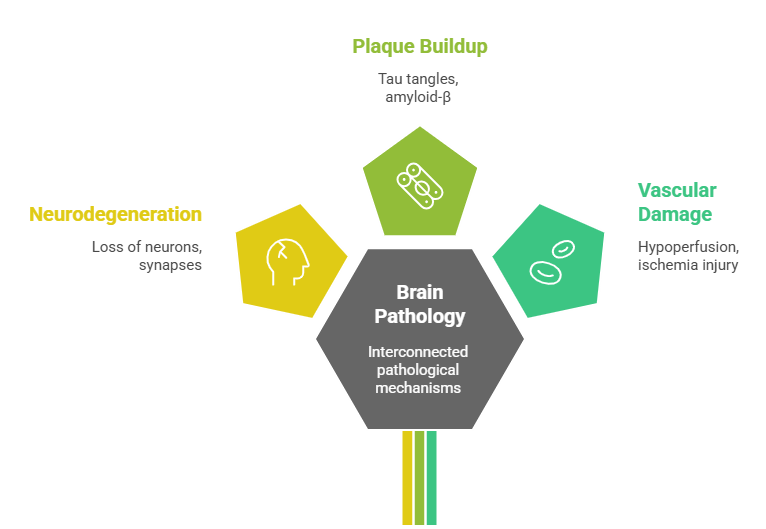
Memory dysfunction and cognitive impairment result from the confluence of several interconnected pathological mechanisms in the brain. Neural connection and memory encoding are disrupted by neurodegeneration, which is characterized by the loss of neurons and synapses in areas like the hippocampus or prefrontal cortex, as well as the buildup of tau tangles and amyloid-β plaques, which are characteristics of Alzheimer's disease. A self- perpetuating cycle of neuronal damage occurs when vascular variables cause hypoperfusion and ischemic injury, which in turn sets off oxidative stress and neuroinflammation, as shown in Fig. 1 (Dmytriv et al., 2024).
A major cause of age-associated cognitive decline, oxidative stress damages mitochondria and speeds up DNA and protein deterioration in high-energy neurons (Singh et al., 2022). Memory processing is further hampered by neurotransmitter abnormalities, especially cholinergic insufficiency. Alzheimer's disease metabolic dysfunction, sometimes referred to as "type 3 diabetes," is caused by insulin resistance and defective insulin signaling in the brain. This is made worse by the APOE ε4 genotype, which impairs energy metabolism and makes the brain more susceptible to amyloid buildup and neuroinflammation.
Furthermore, through altered hippocampus metabolism and epigenetic changes, APOE ε4 exacerbates cognitive impairment in insulin-resistant settings; these effects could be reversed with dietary and metabolic changes (Robbins et al., 2020). Vascular cognitive impairment (VCI) is often caused by a common age-related disorder called cerebral small vessel disease (cSVD). The pathological processes that impact the brain's tiny arteries, arterioles, capillaries, and venules, the functional and structural integrity, are what define cSVDs. White matter hyperintensities (WMHs), cerebral atrophy, lacunar infarcts, perivascular space enlargement, microbleeds, microinfarcts, and decreased cerebral blood flow (CBF) are some of the unique clinical characteristics of cSVD seen in VCI patients that can be seen with neuroimaging (Rajeev et al., 2022).
TRADITIONAL SYSTEMS OF MEDICINE AND COGNITIVE HEALTH
Cognitive impairment (CI) will emerge as a "silent epidemic" and rank among the top causes of disability and mortality among the elderly. Currently, a variety of Traditional Chinese Herbs (TCHs), including Traditional Chinese Medicine (TCM) drugs, are used to treat cognitive impairment. Some of these TCHs contain bioactive substances, and their pharmacokinetic characteristics have been determined. It has been demonstrated that these TCHs effectively enhance cognitive performance. By lowering Aβ deposition and nerve fiber tangling, regulating central cholinergic and other neurotransmitter abnormalities, shielding cerebral blood vessels, enhancing brain microcirculation, enhancing hippocampal neuronal mitochondrial function, and preventing hippocampal neuronal apoptosis, TCHs can also enhance cognitive function. All of these findings support the idea that TCHs can enhance cognition by acting on a variety of targets and systems (Pei et al., 2020). Since TCM can address several targets, systems, links, and pathways, it has been used extensively to treat dementia and has demonstrated remarkable benefits. According to historical records, there are many prescriptions for dementia treatment. These include Compound Formula Rehmannia, Kaixin Powder, Naoling Decoction, Puzzle Decoction, Huannaoyicong Decoction, and Naoling Decoction. These medications have been shown to improve memory, prevent and treat dementia without causing any apparent side effects, improve intelligence, boost immunity, delay senility, and improve immunity (Chen et al., 2020).
| Plant names | Common Name | Uses |
|---|---|---|
| Bacopa monnieri | Brahmi | Used to treat anxiety, memory improvement, loss of concentration, sedative and mental diseases |
| Ginkgo biloba | Maidenhair tree | It is used to treat cognitive impairment, stroke and neurodegenerative disease (hearing loss, autism, oxidative stress or anxiety) |
| Withania somnifera | Ashwagandha | Used in Alzheimer’s disease and neurological disorders. |
| Curcuma longa | Turmeric | Used to improve the immune system, treat inflammatory illnesses like arthritis and treat the digestive system |
| Salvia officinalis | Sage, Culinary sage | Used to enhance cognitive function by altering the metabolism of acetylcholine and Alzheimer’s diseases |
| Panax ginseng | Ginseng | used for improving psychological function, strengthening the immune system, and treating various conditions like fatigue and inflammatory diseases. |
"Medha" means intelligence and memory, whereas "Rasayana" means a pharmaceutical preparation or treatment that, when taken regularly, enhances immunity, memory, intellect, nutrition, and longevity. Medhya has a broad definition in Ayurveda. The three mental faculties Dhee, Dhriti, and Smriti that make up Medhya are interrelated (Chaudhry, 2021). Medhya Rasayana is beneficial for both healthy and diseased conditions. To improve a person's general IQ while they are healthy. In neurological and psychiatric disorders, memory loss, cognitive impairments, decreased mental function, and other cognitive-related problems are common. Dhriti, which controls how Manasa functions, is diminished by RajasAhara.
Other contributing causes include a person falling behind due to an inability to control his thoughts, overanalyzing which makes him insecure and prevents him from achieving his objectives (Dhavale et al., 2024). As potent immunostimulants, rasayana medications can raise non-specific immune resistance to both viral and non-infectious stresses. Rasayanas are dietary supplements and rejuvenators that have potent anti-oxidant qualities and are effective against free radicals that cause oxidative stress. The condition rheumatoid arthritis, diabetes, tumors, aging, autoimmune disorders, and neurological disorders like Parkinson's and Alzheimer's are the pathophysiological situations in which they are most commonly used (MOHANDAS and IJINU, 2024). Because conventional medications have negative side effects, unani treatments are regarded as safe and can be used as a healthcare resource. Dizziness, vertigo and dry mouth are just a few of the negative effects of donepezil, which is used to treat Alzheimer's disease. Similar side effects include nausea, tremors, and disturbed sleep that are caused by memantine, which is intended to reduce the neurotoxicity associated with Alzheimer's disease. As a safer alternative, natural Unani remedies may be beneficial, as more than 60% of medications are made synthetically (Imran et al., 2024). Certain herbs work well to slow the brain's AD-induced cell deterioration. Thus, the brain's capacity to function is improved by using these herbal medications, which also offer stability when taken regularly. Other medicinal herbs, such as Bacopa monniera, Clitoria ternatea L. (Leguminosae), Angelica archangelica L. (Umbelliferae), Codonopsis pilosula Franch (Campanulaceae), or Curcuma longa L. (Zingiberaceae), have also been found to be effective in treating AD and its associated symptoms (Mansingh et al., 2021).
MEDICINAL PLANTS AND BIOACTIVE COMPOUNDS
Bacopa monnieri (Brahmi)
According to Brahmi, Bacopa monnieri Linn is a member of the Scrophulariaceae family (Shalini et al., 2021). The most researched herb for its potential health benefits is brahmi (Table 1). The word "Brahma," which in the Hindu pantheon means "creator of the universe," is the root of the name "Brahmi." Although it is indigenous to both Australia and India, the herb Brahmi is also found in several states in the US and East Asia. Numerous conditions, including epilepsy, anxiety, memory improvement, loss of concentration, stroke, sedatives, mental illnesses, etc., have long been treated with B. monnieri.
Bioactive compounds
These functional characteristics are attributed to the presence of B. monnieri's main chemical ingredients, such as dammarane-type triterpenoids. The pharmacological action of Brahmi is mostly due to saponins, like bacoside A and bacoside B. Other substances that enhance memory and intellect include flavonoids, phenylethanoid glycosides, or alkaloids like herpestine and brahmine (Saloni et al., 2022). By increasing neuronal formation and kinase activity and preserving neurotransmitter balance, bacosides are considered to have therapeutic benefits that include improving nerve impulse transmission, restoring synaptic function, and repairing injured neurons (Prabhakar et al., 2020). B. monnieri extracts are widely known for their antioxidant properties, which work in a variety of ways to defend the brain against oxidative damage or cognitive impairment in older adults. The antioxidant properties of bacoside and alcoholic extracts may be the cause of B. monnieri's cognitive-enhancing properties (Fatima et al., 2022).
Ginkgo biloba
Ginkgo biloba is a member of the family Ginkgoaceae (de Souza et al., 2020). It is a major source of new herbal medicines with several bioactive ingredients that have therapeutic benefits. The fan-shaped, unevenly lobed leaves of this old, deciduous, tall, robust plant species can reach a height of 40 meters (Das et al., 2022). Cognitive impairment, peripheral arterial and other vascular illnesses, ischemic stroke, dementia, and other types of neurodegenerative disorders, as well as hearing loss, macular degeneration, autism, oxidative stress, anxiety, and the negative effects of cancer treatments, are all treated with GBE.
Bioactive compounds
Kaempferol, quercetin, myricetin, apigenin, isorhamnetin, luteolin, and tamarixetin, as well as terpene ticlatones, bilobalide, and proanthocyanidins, are the phytochemicals that have been found for its pharmacology (Biernacka et al., 2023). There are significant phytopharmacological interactions between these substances. The antiplatelet-activating factor mediated by terpene lactones, the antioxidant effects of flavones, the modulation of cerebral vascular tone, transmitter/receptor activity, metabolism of glucose, and electroencephalographic activity are all examples of phytopharmacology. For instance, GBE improves venous tone, decreases vascular permeability, blocks phosphodiesterase type 4, relaxes vascular smooth muscle through a nitric oxide pathway, increases fasting plasma insulin and C-peptide, decreases platelet aggregation, lowers systolic and diastolic blood pressure, and, when under stress, lowers cortisol and corticotropic releasing hormone secretion (Dziwenka and Coppock, 2021).
Withania somnifera (Ashwagandha)
The plant Withania somnifera (WS), which belongs to the Solanaceae family, is native to Asia, especially India, and is also found in the Middle East and some regions of Africa. It is sometimes referred to as ashwagandha, Indian ginseng, or winter cherry. Since it is effective in treating a number of illnesses, including stress and anxiety, ashwagandha is commonly used in Ayurvedic therapy. The plant is also classified as an anti-inflammatory and is widely used as a herb to treat Alzheimer's disease and other neurological disorders. Additionally, the plant is recommended for use as an adaptogen and energy booster because it has been shown to have antioxidant and free radical scavenging properties as well as to raise the general level of an organism's resistance, which protects it from stress (Abdelwahed et al., 2023).
Bioactive compounds
Withania somnifera (Ashwagandha) is rich in bioactive compounds, mainly withanolides such as withaferin A, withanolide A, withanone, and withanosides, which are responsible for its adaptogenic, anti-inflammatory, and neuroprotective effects. It also contains alkaloids like withanine, somniferine, and anaferine, along with saponins such as sitoindosides that support immune function. Additionally, flavonoids and phenolic compounds including quercetin and chlorogenic acid, provide strong antioxidant activity, while sterols like β-sitosterol and stigmasterol, amino acids, and minerals further enhance their medicinal value (Sharifi-Rad et al., 2021).
Curcuma longa (Turmeric/Curcumin)
A perennial herbaceous rhizome, turmeric is a member of the Zingiberaceae family, which includes ginger. Turmeric is believed to have originated in the tropical region of Southeast Asia, most likely India, its exact origin is unknown (Abass et al., 2020). It has been used mostly to improve the immune system, treat inflammatory illnesses like arthritis, and treat digestive issues. It can also be used as a cardiac, hepato and neuroprotective drug (Fu et al., 2021).
Bioactive compounds
Turmeric contains curcumin, a diarylheptanoid derivative that has anti-inflammatory, antioxidant, and anti-cancer properties It also helps with metabolic issues and obesity, and it also helps with mood disorders, psoriasis, memory loss, depression, and Alzheimer's disease (Akaberi et al., 2021). By inhibiting the enzymes in human cells, curcumin helps to delay the beginning of inflammation. Turmeric substantially lowers inflammation-induced edema, and it is just as efficient as cortisone in controlling acute inflammation. Curcuminoids also contribute to the suppression of molecules that promote inflammation. Curcumin's unique characteristics have been demonstrated to reduce cellular inflammation and the production of inflammatory mediators (Saleem et al., 2024). Traditional medicine frequently uses the root or rhizome of turmeric. Turmeric has been found to have a wide variety of components. The primary class of turmeric's bioactive substances are polyphenolic curcuminoids, which comprise cyclocurcumin, bisdemethoxycurcumin, demethoxycurcumin, and curcumin (diferuloylmethane). 85% curcumin, 10% demethoxycurcumin, and 5% bisdemethoxycurcumin are included in the yellow-pigmented curcuminoids. One of turmeric's well-researched compounds is curcumin. In addition, turmeric includes proteins, carbohydrates, resins, caffeic acid, and sesquiterpenes (turmerone or bisabolene) (Howes et al., 2020).
Salvia officinalis (Sage)
Salvia, sometimes known as sage, is a fragrant plant that belongs to the Lamiaceae family and grows all over the world (Dinel et al., 2020). Although there are many species in the Lamiaceae family, which includes the Salvia genus, only two have been thoroughly investigated for their potential benefits on cognition: S. officinalis (Common Sage) or S. lavandulifolia (Spanish Sage). Both of these species, along with different Salvia, are considered to enhance cognitive function by altering the metabolism of acetylcholine, a crucial neurotransmitter involved in memory. Salvia extracts have been shown to have cholinergic effects through the particular inhibition of the enzymes Acetylcholinesterase (AChE) or Butylcholinesterase (BChE) on several occasions. Although phenolic acids like rosmarinic acid, which is found in sage, also exhibit similar actions, monoterpenes, such as 1,8-cineole, have been suggested as promising candidates for mediating them. Additionally, front-line therapies for mild-to-moderate AD symptoms share AChE-inhibiting action (Edwards et al., 2021).
Bioactive compounds
Their essential oils contain monoterpenes such as α-thujone, β-thujone, camphor, 1,8-cineole, borneol, and limonene, along with sesquiterpenes like caryophyllene, humulene, and viridiflorol. Phenolic compounds, including rosmarinic acid, caffeic acid, chlorogenic acid, ferulic acid, and salvianolic acids, exhibit strong antioxidant activity. Flavonoids such as apigenin, luteolin, quercetin, and kaempferol further enhance their neuroprotective and anti-inflammatory effects. In addition, diterpenes and triterpenes like carnosic acid, carnosol, ursolic acid, and oleanolic acid contribute to antimicrobial and anticancer activities. Other bioactive components include tannins, saponins, phytosterols, and vitamins. Notably, S. officinalis is richer in thujone, which can be neurotoxic at high doses, while S. lavandulaefolia contains little or no thujone and is therefore considered safer for long-term medicinal use, especially in cognitive disorders (Garg and Kumar, 2024). Numerous illnesses are treated using sage essential oil (EO), which has been demonstrated to have cytotoxicity, antimutagenic, antibacterial, antioxidant and neurodegenerative properties (Tundis et al., 2020).
Panax ginseng
Ginseng, a member of the Araliaceae family and species Panax, is used extensively as a herbal remedy in East Asia due to its superior therapeutic qualities. Of all the therapeutic herbs, ginseng is regarded as the most significant, especially in China, Japan, and Korea (Zhang et al., 2020).
Bioactive compounds
Ginsenosides, carbohydrates, phytosterol, polyacetylene, the polyphenols, polysaccharides, amino acids, vitamins, and minerals are just a few of the numerous pharmacologically active substances found in ginseng that may be useful in the prevention and treatment of a wide range of disorders (Fan et al., 2020). The most important are ginsenosides, a group of triterpene saponins regarded as the hallmark compounds of ginseng, which exhibit adaptogenic, antioxidant, neuroprotective, and immunomodulatory activities. Along with these, polysaccharides play a vital role in enhancing immune function, reducing inflammation, and combating fatigue. The plant also contains polyacetylenes such as panaxynol and panaxydol with anticancer and antimicrobial potential, as well as phenolic compounds and flavonoids that provide strong antioxidant protection. In addition, ginseng is composed of peptides, amino acids, volatile oils, essential fatty acids, vitamins, and minerals, which synergistically support its health-promoting actions. Together, these constituents make Panax ginseng a highly valued medicinal plant with adaptogenic and restorative properties (Sun et al., 2023). Panax ginseng shows diverse pharmacological effects, mainly due to its ginsenosides. It acts as an adaptogen, reducing stress and enhancing vitality, while also improving memory, cognition, and mental performance. Its strong antioxidant and anti-inflammatory effects protect against chronic diseases, and its immunomodulatory action boosts resistance to infections. Ginseng also supports cardiovascular health, regulates blood sugar in diabetes, shows anticancer potential, and improves physical performance, making it a widely valued medicinal herb (Liu et al., 2020).
EVIDENCE FROM PRECLINICAL STUDIES
Preclinical research for herbal therapy in memory disorders includes both in vitro tests and a variety of animal models, where scientists mimic symptoms of human cognitive decline and neurological decline using aged and transgenic models, as well as neurotoxins and drugs (e.g., scopolamine, streptozotocin, and okadaic acid) (Piva et al., 2024). To measure improvements following treatment, behavioral evaluation usually uses approved neurobehavioral tests, most often the radial-arm maze (working/reference memory), the Morris water maze (spatial learning and memory), and the passive-avoidance tasks (associative memory) (Dyomina et al., 2023). At the molecular and biochemical level, effective herbal extracts and isolated phytochemicals consistently alter markers associated with cognition: they block acetylcholinesterase activity, dampen proinflammatory cytokines (TNF-α, IL-6), reduce oxidative stress (lowered MDA, increased SOD/CAT/GSH), and upregulate neurotrophic factors like BDNF and pathways like Nrf2 that support neuronal survival and synaptic plasticity (Park et al., 2024). Lastly, a number of preclinical studies demonstrate that formulation techniques, such as nanoencapsulation and metal-based or polymeric nanocarriers, improve the efficacy, stability, and brain delivery of herbal compounds in these studies, resulting in more effective biochemical rescue and greater behavioral gains than natural extracts (Chiang et al., 2024).
SAFETY, TOXICITY AND DRUG-HERB INTERACTIONS
There are risks associated with using herbal remedies, and there may be herb-drug interactions if they are taken with allopathic medications. These interactions might have anything from insignificant to fatal consequences. It is impossible to overlook the possible risks connected to herb-drug interactions, but they should be handled sensibly. Global pharmacovigilance and monitoring drug programs, which include thorough reporting of adverse reactions, have been developed in response to safety concerns over herbal medications. Furthermore, carefully thought-out clinical trials on herbal remedies, both by themselves and in conjunction with prescribed allopathic medications, have been carried out. In order to help healthcare professionals manage the use of herbal medications in addition to prescription allopathic drugs, a number of professional databases have been made accessible (Gouws and Hamman, 2020).
Natural food and drug reactions typically come on due to interactions with prescription medications, certain dietary supplements, or even the most frequent allergic reactions to herbal medications. Prescription blood sugar medications conflict with anticoagulants. Induce Barbiture's results Affecting heart glycosides Enhances Barbiturate Results Effect of blood sugar changes Drug and anticoagulant interactions Consequences of drug absorption interact with a botanical/pharmaceutical association that could be the most serious or fatal interaction with medications and drugs (Arora et al., 2022). Herbal drug interactions occur when the active constituents of medicinal plants alter the effects of conventional drugs, either by changing their concentration in the body (pharmacokinetic interactions) or by modifying their action at the target site (pharmacodynamic interactions). For example, St. John’s Wort induces cytochrome P450 enzymes, reducing the efficacy of oral contraceptives and immunosuppressants, while grapefruit juice inhibits CYP3A4, leading to elevated levels of certain statins and calcium channel blockers. Similarly, ginseng, ginkgo biloba and garlic can enhance the risk of bleeding when taken with anticoagulants, whereas ginseng may potentiate hypoglycemic effects when combined with antidiabetic medications (Lippert and Renner, 2022). Herb-induced liver injury (HILI) has increased in case reports and series, especially with focused botanical supplements (e.g., green tea extracts, turmeric supplements, and some weight-loss and body-building products). Herbal medicines are pharmacologically active preparations, which means they have risks of intrinsic toxicity, exposure to contaminants (heavy metals, pesticides, microbiological), modification with unidentified pharmaceuticals, and idiosyncratic reactions. Through additive pharmacodynamic CNS depression, herbs with CNS-depressant or sedative qualities (such as valerian, kava, and some chamomile preparations) can intensify the effects of benzodiazepines, barbiturates, opioids, and alcohol, raising the risk of excessive sedation, cognitive decline, or respiratory compromise, particularly in older people and during perioperative care.
In certain formulations, kava also presents a known risk of hepatotoxicity, highlighting concerns about combination safety (Woo et al., 2021). Strict quality control procedures are necessary to protect customers' health and safety. Potential hazards, including contamination, adulteration, or the inclusion of dangerous ingredients, can be reduced by putting strict testing and quality assurance procedures in place, guaranteeing that the herbal medicinal products are safe to use. Consumer safety may be seriously compromised by inadequate quality control. Herbal medicinal products that contain contaminants, adulterants, or improper formulations may cause toxicity, undesirable reactions, or other health issues. Products containing herbal medications may have varying amounts of active ingredients due to inadequate quality control. Healthcare providers may find it difficult to properly prescribe and monitor patient treatments as a result of this variation, which may result in inconsistent therapeutic outcomes (Wang et al., 2023).
FORMULATION APPROACHES AND NOVEL DELIVERY SYSTEMS
The idea of nano therapy encompasses systems with distinct physiological and chemical characteristics that range in size from 10 to 100 nm. The regulated distribution of the active medicinal ingredient, flexibility, and altered surface characteristics of nano preparations set them apart. Drugs used to treat mental disease require specific delivery of central nervous system (CNS) potent medications to the brain, which is made possible by nanotherapeutics (Zorkina et al., 2020). Polyherbal formulations are complex pharmaceutical structures that use the synergistic effects of certain plant-derived mixtures to maximize therapeutic efficacy while reducing negative effects. These mixtures are predicated on the idea that the medicinal benefits of herbs are more synergistic than combining their separate impacts (Dandekar et al., 2025). Due to the extensive usage of certain folk remedies and phytotherapy, the Ayurveda Polyherbal formulation (PHF) was utilized to improve memory (Shukla et al., 2021). The mechanism by which polyherbal synergy works is through a number of unique pathways that add up to improved therapeutic results overall. When the active ingredients in several plants target distinct but shaped biological processes, pharmacodynamic synergy takes place, resulting in a bounded therapeutic impact that addresses numerous facets of illness.
The current treatments for inflammatory disorders may involve the use of immunomodulatory herbs and anti-inflammatory plant components. In complex disorders where multiple pathophysiological pathways are involved, this multi-target strategy works very well. The other important factor in the effectiveness of polyherbal medications is pharmacokinetic synergy, which involves the interaction of several herbs to improve the processes of drug absorption, distribution, biologic conversion, and excretion. One of the most well-known examples is the combination of curcumin and black pepper piperine, which has significantly increased curcumin absorption by preventing its rapid degradation and promoting intestinal absorption. It is possible to enhance the capacity for therapeutic transformation. when compounds that appear to be inactive are used because optimized combinations are produced (Gowda et al., 2025). By reducing the amount of first-pass hepatic metabolism and stomach pH-mediated drug degradation, herbal medicine nano-formulations generally increase the bioavailability of medications taken orally. The conventional dose formulations that incorporate neuroactive phytoconstituents confront extra difficulties in the form of efflux pumps and the blood-brain barrier (BBB). However, encapsulating active phytoconstituents in nanoparticles may help to overcome these challenges (Javed et al., 2020).
Nutraceuticals or dietary supplements have gained attention and recognition from specialists for their therapeutic efficacy in preserving improved human health. Defined as bioactive compounds, these chemicals are primarily categorized as polyphenols, flavonoids, vitamins, and omega-3 fatty acids, among others. Because they are natural and chemical-free, they have promising medical advantages (Hoti et al., 2022). Applications of nanotechnology for improved nutrient assurance involve the use of materials and structures at the nanoscale, which enhance bioavailability, stability over time, and transport efficiency. Enhancing nutrient absorption is the primary objective, particularly for those with low stability or solubility. Among the many typical uses of nanotechnology are the enhancement of bioavailability by the utilization of nanoscale delivery systems. Absorption is significantly improved by the wide range of contact interfaces that nanoparticles provide with biological systems. Microscopic oil droplets scattered in water are known as nano-emulsions and they provide a more effective means of protecting and absorbing lipophilic substances. In addition to facilitating the nutrients' efficient absorption through the gastrointestinal tract (GIT), nanocarriers, such as liposomes and micelles, encapsulate and shield the nutrients from deterioration in the digestive system. Lipid-based nanoparticles that offer stability and enhanced solubility of the nutrients required for absorption, which are less soluble in water, are referred to as nanostructured lipid carriers (Paul-Chima et al., 2024).
FUTURE PERSPECTIVES
Herbal therapeutics hold considerable promise as multi-target, low-toxicity adjuncts for the prevention and treatment of cognitive dysfunction and memory impairment, but realizing that promise will require a strategic shift from descriptive ethnopharmacology to rigorous, mechanism-driven translational science. Well-designed, adequately powered randomized controlled trials with harmonized cognitive end-points and long follow-up are essential to move promising extracts from pilot studies into clinical practice; these trials should include biomarker sub-studies (neuroimaging, fluid biomarkers, electrophysiology) to link clinical outcomes to mechanisms. Novel formulation technologies (nanoencapsulation, targeted delivery to the CNS, sustained-release systems) offer routes to improve brain exposure and therapeutic index, while safety surveillance and standardized reporting of adverse events must be embedded across preclinical and clinical programs. Importantly, interdisciplinary collaborations between ethnobotanists, pharmacologists, clinicians, regulatory scientists, and industry supported by clear regulatory pathways and quality control standards will accelerate translation.
CONCLUSION
Essential oils, phenolic acids, and flavonoids found in plants improve cholinergic transmission by inhibiting acetylcholinesterase and have neuroprotective effects, which improve memory and attention in people with cognitive impairment. Ginsenosides, polysaccharides, and flavonoids promote synaptic plasticity and shield neurons from oxidative stress, all of which improve memory and learning. Herbal products, cultural acceptance, and accessibility make them valuable therapeutic resources. In complicated conditions, including diabetes, cardiovascular disease, and cognitive impairment, they provide comprehensive benefits through a variety of bioactive chemicals that operate on numerous biological pathways. They can improve treatment outcomes when taken alone or in conjunction with traditional medications and frequently offer safer profiles with lower side effects than synthetic pharmaceuticals.
References
- Abass S, M Latif, N Shafie et al., 2020. Neuroprotective expression of turmeric and curcumin. Food Research 4:2366-2381.
- Abdelwahed, MT, MA Hegazy and EH Mohamed, 2023. Major biochemical constituents of Withania somnifera (ashwagandha) extract: A review of chemical analysis. Reviews in Analytical Chemistry 42:20220055.
- Akaberi M, A Sahebkar and SA Emami, 2021. Turmeric and curcumin: from traditional to modern medicine. In Studies on Biomarkers and New Targets in Aging Research in Iran: Focus on Turmeric and Curcumin. Cham: Springer International Publishing 15-39.
- Alzobaidi N, H Quasimi, NA Emad et al., 2021. Bioactive compounds and traditional herbal medicine: Promising approaches for the treatment of dementia. Degenerative neurological and neuromuscular disease 1-14.
- Aprilia A and D Aminatun, 2022. Investigating memory loss: How depression affects students’ memory endurance. Journal of English Language Teaching and Learning 3:1-11.
- Arora G, A Arora, V Chaudary et al., 2022. Possible herbal-drug interactions an evidenced base review. Alternative Therapies in Health and Medicine 28:70-7.
- Biernacka P, I Adamska and K Felisiak, 2023. The potential of Ginkgo biloba as a source of biologically active compounds—a review of the recent literature and patents. Molecules, 28:3993.
- Chaudhry B, 2021. Key Rasayana Plants of Ayurveda. Environ We: International Journal of Science and Technology 16:53-73.
- Chen SY, Y Gao, JY Sun et al., 2020. Traditional Chinese medicine: role in reducing β-amyloid, apoptosis, autophagy, neuroinflammation, oxidative stress, and mitochondrial dysfunction of Alzheimer’s disease. Frontiers in Pharmacology 11:497.
- Chiang MC, YP Yang, CJ Nicol et al., 2024. Gold nanoparticles in neurological diseases: A review of neuroprotection. International journal of molecular sciences 25:2360.
- Dandekar MP, S Guin, S Sammeta et al., 2025. Polyherbal formulation mitigates age-associated cognitive deficits in rats. Journal of Ayurveda and Integrative Medicine 16:101131.
- Das R, MS Lami, AJ Chakraborty et al., 2022. Ginkgo biloba: A treasure of functional phytochemicals with multimedicinal applications. Evidence‐Based Complementary and Alternative Medicine 2022:8288818.
- de Souza GA, SV de Marqui, JN Matias et al., 2020. Effects of Ginkgo biloba on diseases related to oxidative stress. Planta Medica 86:376-386.
- Dhavale MS, M Nimbalkar, A Bhatkar et al., 2024. Role of medhya rasayan in Ayurveda. World Journal of Pharmacy and Pharmaceutical Sciences 13:221-229.
- Dinel AL, C Lucas, D Guillemet et al., 2020. Chronic supplementation with a mix of Salvia officinalis and Salvia lavandulaefolia improves Morri’s water maze learning in normal adult C57Bl/6J mice. Nutrients 12:1777.
- Dmytriv TR, KV Duve, KB Storey et al., 2024. Vicious cycle of oxidative stress and neuroinflammation in pathophysiology of chronic vascular encephalopathy. Frontiers in physiology 15:1443604.
- Dyomina AV, IV Smolensky and AV Zaitsev 2023. Refinement of the Barnes and Morris water maze protocols improves characterization of spatial cognitive deficits in the lithium-pilocarpine rat model of epilepsy. Epilepsy and Behavior 147:109391.
- Dziwenka M and RW Coppock 2021. Ginkgo biloba. In Nutraceuticals Academic Press 35-852.
- Edwards KD, A Dubberke, N Meyer et al., 2021. Assessment of the effects of a sage (Salvia officinalis) extract on cognitive performance in adolescents and young adults. Medrxiv 2021-05.
- Fan S, Z Zhang, H Su et al., 2020. Panax ginseng clinical trials: Current status and future perspectives. Biomedicine and Pharmacotherapy 132:110832.
- Fatima U, S Roy, S Ahmad et al., 2022. Pharmacological attributes of Bacopa monnieri extract: Current updates and clinical manifestation. Frontiers in Nutrition 9:972379.
- Fu YS, TH Chen, L Weng et al., 2021. Pharmacological properties and underlying mechanisms of curcumin and prospects in medicinal potential. Biomedicine and pharmacotherapy 141:111888.
- Garg D and V Kumar, 2024. A review of therapeutic properties and uses of Salvia officinalis. Journal of Pharma Insights and Research 2:146-154.
- Gouws C and JH Hamman, 2020. What are the dangers of drug interactions with herbal medicines? Expert opinion on drug metabolism and toxicology 16:165-167.
- Gowda J, T Mallamma, P Goudanavar et al., 2025. Next-Generation Formulation and Delivery Innovations in Herbal Neurotherapeutics. From Ancient Roots to Nano Routes: Targeted Delivery of Ginkgo and Gastrodia for Parkinson’s Disease (PD) Treatment 4:121.
- Guo J, Z Wang, R Liu et al., 2020. Memantine, donepezil, or combination therapy—What is the best therapy for Alzheimer’s disease? A network meta‐analysis. Brain and behavior 10:01831.
- Hoti G, A Matencio, A Rubin Pedrazzo et al., 2022. Nutraceutical concepts and dextrin-based delivery systems. International Journal of Molecular Sciences 23:4102.
- Howes MJR, NS Perry, C Vásquez‐Londoño et al., 2020. Role of phytochemicals as nutraceuticals for cognitive functions affected in ageing. British journal of pharmacology 177:1294-1315.
- Imran S, W Ahmad and S Saltanat, 2024. Therapeutic Evaluation of Unani Medicine, Including Single Drugs and Polyherbal Formulations with Special Reference to Neurodegenerative Disorders. Alternative Therapeutic Health Medicine 30:54-64.
- Javed MN, ES Dahiya, AM Ibrahim et al., 2020. Recent advancements in clinical application of nanotechnological approached targeted delivery of herbal drugs. In Nanophytomedicine: Concept to Clinic. Singapore: Springer Singapore 151-172.
- Lippert A and B Renner, 2022. Herb–drug interaction in inflammatory diseases: Review of phytomedicine and herbal supplements. Journal of Clinical Medicine 11:1567.
- Liu H, X Lu, Y Hu et al., 2020. Chemical constituents of Panax ginseng and Panax notoginseng explain why they differ in therapeutic efficacy. Pharmacological research 161:105263.
- Malík M and P Tlustoš, 2023. Nootropic herbs, shrubs, and trees as potential cognitive enhancers. Plants 12:1364.
- Mansingh PP, L Adhikari and SK Prusty, 2021. Potential of Herbal Drugs for Application against Alzheimer’s disease. Research Journal of Pharmacy and Life Sciences: Volume 2:03-32.
- McCollum L and J Karlawish, 2020. Cognitive impairment evaluation and management. The Medical Clinics of North America 104:807.
- Mohandas N and TP Ijinu, 2024. Exploring the potential of Rasayana herbs in ayurvedic medicine for developing phytopharmaceuticals. Traditional Medicines in Drug Discovery and Development, pp. 395.
- Paul-Chima UO, CN Ugwu and EU Alum, 2024. Integrated approaches in nutraceutical delivery systems: optimizing ADME dynamics for enhanced therapeutic potency and clinical impact. RPS Pharmacy and Pharmacology Reports 3:024.
- Pei H, L Ma, Y Cao et al., 2020. Traditional Chinese medicine for Alzheimer’s disease and other cognitive impairment: a review. The American journal of Chinese medicine 48:487-511.
- Piva A, G Benvegnù, S Negri et al., 2024. Whole plant extracts for neurocognitive disorders: A narrative review of neuropsychological and preclinical studies. Nutrients, 16:3156.
- Prabhakar S, VY Vishnu, M Modi et al., 2020. Efficacy of Bacopa monnieri (Brahmi) and donepezil in Alzheimer's disease and mild cognitive impairment: A randomized double-blind parallel Phase 2b study. Annals of Indian Academy of Neurology 23:767-773.
- Park S, CW Park, JH Eom et al., 2024. Preclinical and dose-ranging assessment of hESC-derived dopaminergic progenitors for a clinical trial on Parkinson's disease. Cell Stem Cell 31: 25-38.
- Rajeev V, DY Fann, QN Dinh et al., 2022. Pathophysiology of blood brain barrier dysfunction during chronic cerebral hypoperfusion in vascular cognitive impairment. Theranostics 12:1639.
- Robbins J, O Busquets, M Tong et al., 2020. Dysregulation of Insulin-Linked Metabolic Pathways in Alzheimer’s Disease: Co-Factor Role of Apolipoprotein E ɛ 4. Journal of Alzheimer's Disease Reports 4:479-493.
- Safiri S, A Ghaffari Jolfayi, A Fazlollahi et al., 2024. Alzheimer's disease: a comprehensive review of epidemiology, risk factors, symptoms diagnosis, management, caregiving, advanced treatments and associated challenges. Frontiers in Medicine 11:1474043.
- Saleem H, A Naz, AS Sandhu et al., 2024. Pharmacological and therapeutic values of turmeric. complementary and alternative medicine: Chinese/traditional medicine. Unique Scientific Publishers, Faisalabad, Pakistan 77-84.
- Saloni SM, DC Rai and P Panda, 2022. A comprehensive review on Bacopa monnieri (L.) Pennell (Brahmi): Utilization as a functional food ingredient and health-promoting attributes. Annals of Phytomedicine 11:142-150.
- Shalini, VT, SJ Neelakanta and JS Sriranjini, 2021. Neuroprotection with Bacopa monnieri–a review of experimental evidence. Molecular Biology Reports 48:2653-2668.
- Sharifi-Rad J, C Quispe, SA Ayatollahi et al., 2021. Chemical composition, biological activity, and health‐promoting effects of Withania somnifera for pharma‐food industry applications. Journal of Food Quality 2021:8985179.
- Shukla D, S Srivastava and T Jawaid, 2021. Learning and memory enhancing activity of polyherbal formulation on streptozotocin induced memory impairment in rats via reducing mitochondria–targeted cytochrome. Pharmacognosy Journal 13.
- Singh P, B Barman and MK Thakur, 2022. Oxidative stress-mediated memory impairment during aging and its therapeutic intervention by natural bioactive compounds. Frontiers in aging neuroscience 14:944697.
- Sun Y, X Liu, X Fu et al., 2023. Discrepancy study of the chemical constituents of Panax Ginseng from different growth environments with UPLC-MS-based metabolomics strategy. Molecules 28:2928.
- Sabbagh MN, M Boada, S Borson et al., 2020. Early detection of mild cognitive impairment (MCI) in primary care. The Journal of prevention of Alzheimer's disease 7:165-170.
- Tortora C, A Di Crosta, P La Malva et al., 2024. Virtual reality and cognitive rehabilitation for older adults with mild cognitive impairment: A systematic review. Ageing Research Reviews 93:102146.
- Tundis R, M Leporini, M Bonesi et al., 2020. Salvia officinalis L. from Italy: A comparative chemical and biological study of its essential oil in the mediterranean context. Molecules 25:5826.
- Wang H, Y Chen, L Wang et al., 2023. Advancing herbal medicine: enhancing product quality and safety through robust quality control practices. Frontiers in pharmacology 14:1265178.
- Woo SM, WD Davis, S Aggarwal et al., 2021. Herbal and dietary supplement induced liver injury: Highlights from the recent literature. World Journal of Hepatology 13:1019.
- Zhang H, S Abid, JC Ahn et al., 2020. Characteristics of Panax ginseng cultivars in Korea and China. Molecules 25:2635.
- Zorkina Y, O Abramova, V Ushakova et al., 2020. Nano carrier drug delivery systems for the treatment of neuropsychiatric disorders: advantages and limitations. Molecules 25:5294.