
INTRODUCTION
Nutrition plays a central role in the emergence as well as the severity of mental disorders. Primary prevention is the most effective method to avoid chronic diseases. Dietary actions productively benefit the well-being over a lifetime. Registered dietitians and dietetic technicians are critical members of health care teams and are essential for delivering nutrition-focused preventive services in clinical and community settings. Wellness promotion and health protection strategies are effective at decreasing illness and death rates and enhancing quality of life and have a major impact on the predominant cause of disease (Slawson et al., 2013).
The beneficial impact can be utilized by applying these guidelines within a social ecological and theoretical framework. Through the application of successful and cost-effective measures, registered dietitians and dietetic technicians can positively impact the quality of public health. People are barely aware of the connection between depression and nutrition, but nutritional deficiencies play a crucial role in stress and depression management. Most people consider depression to be purely physiological or an emotional phenomenon. In contrast, the onset, intensity, and duration of depression can all be significantly related to nutrition. Poor eating habits, such as loss of appetite and craving for sweets, are indicators of stress and a depressed lifestyle. Food neuroscience explains the connection between human thoughts, behavior, emotions and nutritional elements (Rao et al., 2008).
Nutritional deficiencies are observed in mentally disturbed patients. Studies have revealed that taking crucial vitamin supplements regularly helps patients feel better. Numerous studies have indicated that certain amino acids, including tryptophan, tyrosine, phenylalanine and methionine, may be beneficial in the management of various mood disorders, including depression. Dietary supplements containing tyrosine and/or phenylalanine induce arousal and alertness. S-adenosylmethionine (SAM), synthesized from methionine and adenosine triphosphate (ATP), plays a critical role in the biosynthesis of neurotransmitters in the brain. Amino acids are converted into neurotransmitters, which alleviate depression and other mental health issues. Nutritional supplements and treatments are emerging as an effective therapeutic intervention based on mounting scientific data. Due to no or negative effects of prescribed drugs such as mood stabilizers, typically stop taking prescriptions (Grajek et al., 2022).
These days, depression, bipolar disorder, schizophrenia, and obsessive-compulsive disorder (OCD) are the most prevalent mental illnesses in many nations. It's crucial to keep in mind that people with mental illnesses are more likely to commit suicide or end up in a rehabilitation center. Higher dosage-based on term use can occasionally result in medication toxicity, which could endanger the patient's life. Learning about complementary or alternative dietary therapy is an efficient technique for psychiatrists to address these issues. Psychiatrists can recommend doses of dietary supplements based on previous and current effective studies and then modify the doses based on the results obtained by closely observing the patient's changes, even though more research is needed to determine the evidence-based dosages of essential nutrients (Rao et al., 2008).
Recent data points to a connection between lower serotonin levels and suicidal behavior. Reduced levels of this neurotransmitter have been linked to poor decision-making and a lack of awareness of possible outcomes, which can result in impulsive, risky, and violent actions. One way to think of suicide is as the extreme result of impulsive, internally directed hostility. Persistent sorrow, elevated stress, appetite loss, low mood, and decreased interest or pleasure in once-enjoyable activities are among the main signs of depression, a complex mental health condition. Depression can have a variety of serious negative consequences due to a lack of suitable therapeutic intervention (Kris-Etherton et al., 2021).
Patients with depression are commonly treated with antidepressant medications and/or psychotherapy due to their increased risk of suicidal behavior. However, the current paradigm requires further research to determine optimal supplemental dosages of these neuroactive compounds required to achieve consistent mood-enhancing effects. Nutritional deficiencies such as magnesium, B-vitamins and omega-3 fatty acids have been associated with an increased risk of developing depression and anxiety disorders. Researchers have connected a rising trend in the prevalence of significant depression to decreasing intake of omega-3 fatty acids from fish and other sources in a population.
The two omega-3 fatty acids in fish oil, eicosapentaenoic acid (EPA), which the body converts to docosahexanoic acid (DHA), have been demonstrated to have antidepressant qualities. Several of the proposed mechanisms of these effects involve neurotransmitters. For instance, the brain may require the antidepressant effects of prostaglandins, leukotrienes, and other molecules produced by the bioconversion of EPA. Others suggest that both DHA and EPA influence neural signal transmission via inhibiting G-proteins, protein kinase C, calcium, sodium, and potassium ion channels through the activation of peroxisome proliferator-activated receptors (PPARs). However, omega-3 dosages over 3 g do not perform better than placebos and might not be advised in some situations, such as when taking anti-clotting drugs (Rao et al., 2008).
HOW NUTRITION IMPACTS MENTAL HEALTH
Through inflammation suppression, free radical scavenging, neural repair, gut flora modulation, immune system regulation, gene expression regulation and healthy eating patterns can improve mental health and wellbeing. These factors are crucial for controlling stress and inflammation and maintaining cognitive performance. A nutritious and balanced diet can improve various biological functions, improving overall health (Grajek et al., 2022).
Mental Health
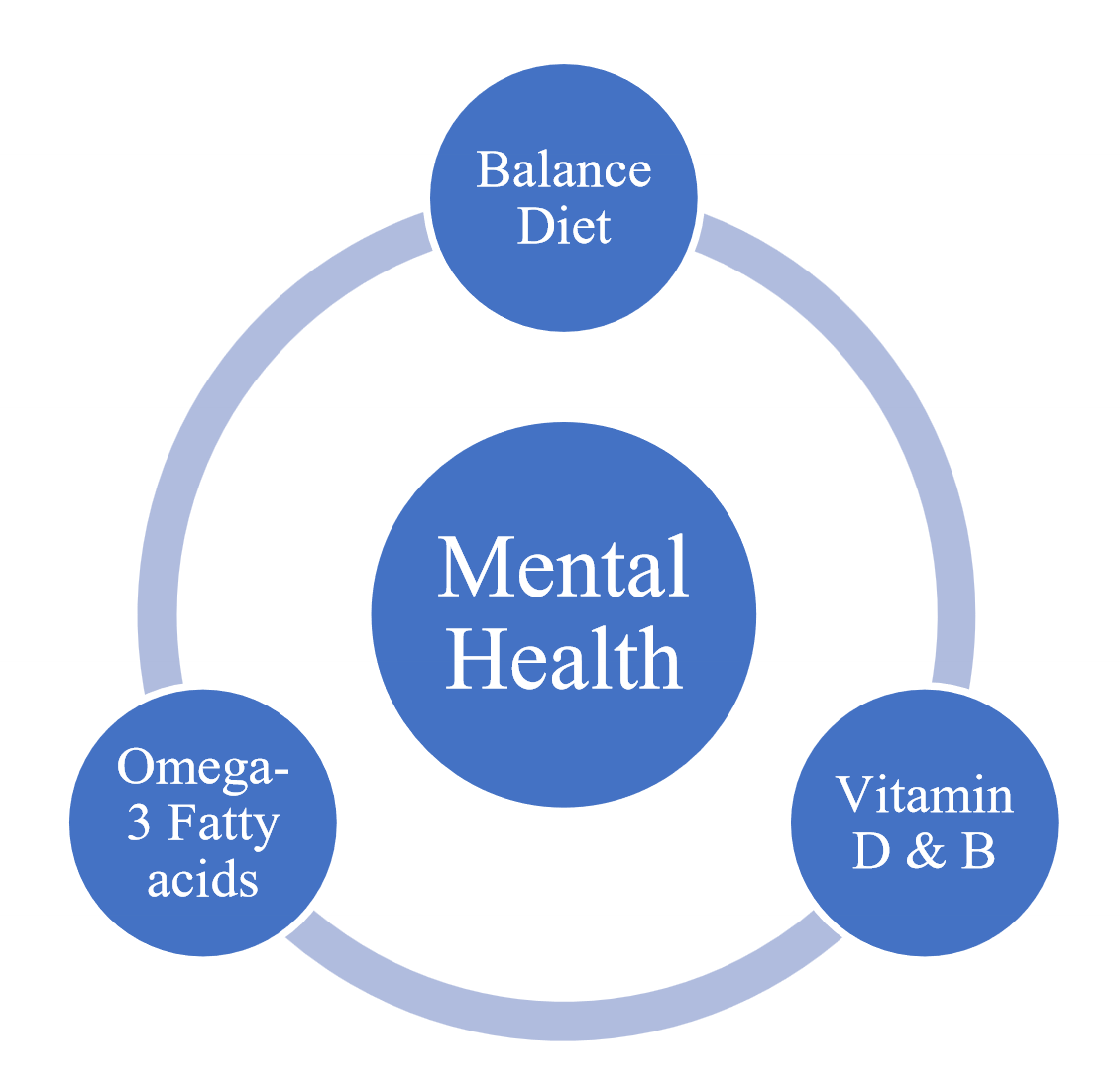
The World Health Organization describes mental health as: “A state of well-being in which an individual realizes his or her abilities can cope with normal stress of life, can work productively and can contribute to his or her community.” Mental health reflects the functional state of the nervous system that enables individuals to manage stress effectively, engage in learning and productive work and participate in their communities. Mental health allows individuals to grow personally and also contribute positively to society (Fig. 1). Mental health is a crucial component of social, communal, and personal growth. Disturbed mental health can result from nutritional deficiencies in the diet that support the organism's normal, non-pathological functioning. This is particularly true when discussing disorders like depressive episodes and increased stress levels (Suárez et al., 2023).
Brain and Nutrients
According to Kandel and Hudspeth, all behavioral disorders arise from disruptions in brain function. There are two key principles for understanding the impact of nutrition on mental health. According to the first principle, nutrients are more than just energy packets and the body's building blocks. The second principle states that nutrients dynamically interact with the body's systems to secure the brain function.
The brain consumes up to 25% of a person's energy needs at a steady rate, using one-fifth of their body weight. Eighty percent of this energy is utilized in active neuronal signaling processes, particularly those that involve glutamate cycling.
The brain takes out 20% of the glucose and 50% of the oxygen from the arterial blood. The cell membranes of its 100 billion neurones and many more neuroglia are dynamic structures made of proteins and lipids. The brain relies solely on aerobic metabolism and has few energy reserves. Nutrients are necessary for both steady energy production and essential nutrients that support and preserve the brain function and composition. Additionally, nutrients affect genomic expression, mitochondrial integrity and neurotransmission. If we consider the roles that Macronutrients, vitamins, and minerals play in the structure and function of the brain, it is easy to understand how widespread malnutrition contributes to impaired brain structure and function and the ensuing neuropsychiatric disorders (Raju, 2013; Rao et al., 2008).
COMMON NUTRITIONAL DEFICIENCIES IN MENTAL DISORDERS
Advancing knowledge from demographic findings shows that eating a lot of fish is associated with a lower incidence of mental problems, which is directly related to the intake of omega-3 fatty acids. The recommended daily dosage for healthy adults is 1-2 grams of omega-3 fatty acids; however, up to 9.6 g has been proven safe and effective for patients with mental disorders. Most of Asian diets are typically deficient in fruits and vegetables, which is one of the major causes of vitamin and mineral deficiencies. The importance of different nutrients for mental health, particularly about depression are discussed below: We are familiar with the high-energy needs of the brain and the fact that it extracts 20% of arterial glucose. To meet the brain's high energy needs, carbohydrates must be burned in the cell furnaces. The brain is mostly dependent on external supplies to meet its energy needs; excess glucose is reserved as glycogen in astrocytes and released when needed. Rapid glucose absorption increases cortisol release, which hurts memory. Consequently, low-glycemic carbs are better for mental health. Additionally, by releasing tryptophan, a precursor to serotonin, carbohydrates improve mood (Rao et al.,2008).
Carbohydrates
Carbohydrates are crucial to an organism's structure and functionality. They have been demonstrated to influence behavior and attitude in humans. The body releases insulin when it consumes a meal high in carbohydrates. In addition to facilitating the uptake of blood sugar into cells for energy, insulin also causes tryptophan to enter the brain.
Low-carb diets tend to cause sadness, but foods with higher proportions of carbohydrates stimulate the happy hormones (Saurez et al., 2022).
Low glycemic index (GI) foods and whole grains are considered to have a moderate but long-lasting impact on brain chemistry, mood, and energy levels, whereas mainly sweets are supposed to offer short-term but instant pleasure. The connection between nutrition and mental health has drawn a lot of attention lately. Examining particular macronutrients separately has become essential, even though the scientific community has traditionally concentrated on analyzing dietary patterns in general. A person's typical daily diet comprises 50–60% carbs (Rao et al., 2008).
| Nutrient | Role in Mental Health |
|---|---|
| Protein | Essential elements for neurotransmitters dopamineand serotonin |
| Essential fatty acids OMEGA-3 | Supports Brain function and minimizes symptoms of depression and anxiety. |
| Vitamin D | Regulates mood, reduces the risk of depression, and treats seasonal affective disorder |
| B Vitamins (B6, B9, B12) | Involved in neurotransmitter synthesis, supports mood stability, and cognitive function |
As a result, the intake of calories has the most noticeable effect on our bodies. In the condition of mental health, irregular brain function and faulty carbohydrate metabolism can lead to several psychological and physiological diseases, the most widespread are anxiety and depression. In accordance with FAO and WHO guidelines, the majority of carbohydrates should have a low glycemic index (GI) and be high in dietary fiber. Humans consume various amounts of carbohydrates at different phases of their lives. Since glucose is the brain's preferred and main energy source, it has drawn special study. The majority of research on children indicates that short-term fluctuations in glucose availability seem to have an impact on the brain (Arshad et al., 2025)
Proteins
Proteins are made up of amino acids and are core components of life. The body can produce up to 12 amino acids; the remaining 8 essential and necessary amino acids must be obtained from nutrition. Every essential amino acid is present in a high-quality protein diet. Meats, dairy products, and eggs are protein sources. One or two necessary amino acids may be lacking in plant proteins like legumes, grains, nuts and seeds. Amino acids are the building blocks of many neurotransmitters in the brain. Tyrosine is an amino acid that is used to make dopamine, while tryptophan is used to make serotonin. Lack of either of these two amino acids will result in insufficient and inadequate formation of the corresponding neurotransmitters, which is connected to the patient’s aggressiveness and depressed mood (Soveid et al.,2024).
Mental retardation and brain damage may also stem from overaccumulation of amino acids. For instance, those with the condition known as phenylketonuria may experience mental retardation and brain damage due to an excessive accumulation of phenylalanine. Below, I have described nutrition and its role in mental health (Rajgopal et al., 2016).
Essential Fatty Acid (Omega-3 fatty acids)
The brain is the organ with the highest amount of lipids. Fatty acids make up brain lipids, which are structural components of membranes. According to studies, 50% of the fatty acids found in grey matter are polyunsaturated, with around 33% coming from the omega-3 family. That’s why we can obtain these fatty acids through diet. The omega-3 fatty acids, particularly alpha-linolenic acid, or ALA, were involved in one of the earliest experimental demonstrations of the impact of dietary components (nutrients) on the development and function of the brain. The results of some recent research have shown an interesting fact that sadness increases when plasma cholesterol is lowered by diet and medication. The quantity and ratio of omega-6 and omega-3 polyunsaturated fatty acids, which have an influence on serum lipids, biochemical and biophysical attributes of cell membranes, are among the important variables involved. Long-chain polyunsaturated fatty acids particularly DHA, have been proposed to prevent depression. Phospholipids, sphingolipids, and cholesterol are the structural and functional elements of membranes in brain cells (Lange, 2020).
The brain's glycerophospholipids are mostly composed of polyunsaturated fatty acids (PUFA) produced from linoleic acid and alpha linolenic acid, which are essential fatty acids. PUFAs found in the brain include docosa tetraenoic acid, which is generated from omega-6 fatty acid linoleic acid, arachidonic acid, and DHA, obtained from omega-3 fatty acid alpha linolenic acid, are used as dietary supplements as well as for cardioprotective and anti-inflammatory qualities (Zorkina et al., 2024). The therapy of some types of mental illness is a novel use of omega-3 fatty acids. Given that omega-3 fatty acids, especially DHA, are abundant in the brain and either participate in or modify the process by which brain neurones communicate, such a use is scientifically conceivable. They have been demonstrated to change how brain systems work using dopamine and serotonin, both of which are primary targets of psychoactive drugs and are believed to have a significant role in mental illness function (Mischouman and Freeman 2013).
Phospholipids
60% of the brain's non-aqueous weight is made up of phospholipids, which are the main components of glial and neuronal membranes. Three carbons make up the backbone of phospholipids; the first two are linked to fatty acids, and the final carbon is linked to a phosphorus molecule, which is then linked to any one of the four head group molecules: choline, serine, ethanolamine, and inositol. Highly unsaturated fatty acids (HUFA), n-6 (linoleic acid LA), and n-3 (alpha linolenic acid ALA) are abundant in phospholipids (Raju, 2013).
Because of their flexibility, phospholipids high in HUFA enable quick changes in membrane shape during the production of dendritic protrusion and membrane fusion. EPA and DHA play important roles in signal transduction, eicosanoid metabolism, gene expression, neurotransmitter signalling, and serotonin transmission and regulation and interact with neurotropic factors, highlighting their importance and functional properties. HUFA is lost from phospholipids due to low B12 levels because free HUFAs are readily oxidised, more free radicals are produced, which might damage neuronal membranes (Raju, 2013).
Vitamins
Vitamins are dietary components that are essential for living systems, in addition to proteins, minerals, lipids, and carbs. The synthesis of monoamines, DNA, the methylation cycle, and the stability of phospholipids like myelin all depend on B vitamins. In the brain, fat-soluble vitamins A, D, and E are important for controlling inflammation, antioxidant mechanisms, and gene transcription.
Water-soluble vitamins
Vitamins that dissolve in water: Thiamine, or vitamin B1, is essential for the metabolism of glucose. Thiamine is more essential during pregnancy, nursing, and fever, and its incorporation may be impaired by tea, coffee, and shellfish. Severe B1 deficiency is uncommon but can cause beriberi, Korsakoff's psychosis (confabulation, loss of insight, retrograde and anterograde amnesia, and apathy), and Wernicke's encephalopathy (confusion, ataxia, nystagmus). As B1 is a necessary cofactor in glycolysis and the citric acid cycle, its deficiency can incapacitate the brain's ability to utilize glucose for energy, causing confusion and disorientation. Free radicals, proinflammatory mediators, and increased blood-brain barrier permeability all increase with deficiency. Two Patients with diabetes, eating problems, or chronic alcoholism are commonly affected mostly by Wernicke's encephalopathy, as among patients following bariatric surgery. When deficient individuals get IV saline with dextrose without thiamine, Wernicke's encephalopathy may develop (Prades et al.,2023).
Vitamin B2
The methylation cycle, monoamine formation, and oxidative pathways all rely on vitamin B2 (riboflavin). The formation of L-methyl folate, which is the potent form of folate, and the appropriate use of B6 require B2 to form the significant flavoprotein coenzymes. After four months of inadequate consumption, deficiencies may develop. Pork, salmon, beans, lentils, nuts, rice, and wheat germ are among the best food sources of vitamin B (Ramsey and Muskin,2013).
Vitamin B3
Dopamine and serotonin are two of the most important brain chemicals associated with depression. These substances, known as neurotransmitters, control mood. Depression may result from a lack of serotonin. Tryptophan is an amino acid that produces serotonin. Niacin is associated with the metabolism of tryptophan to form serotonin. Because niacin shortage affects serotonin formation, it can therefore have a direct effect on mood (Ramsey and Muskin, 2013).
Vitamin B6
Pyridoxine, pyridoxal, and pyridoxamine are the three unique molecules that make up vitamin B6. Glycolysis, the methylation cycle, and the brain's natural antioxidant glutathione are all dependent on vitamin B6. Low dietary and plasma levels of vitamin B6 are linked to a rare occurrence of major depressive disorder in teenagers. B6 predicts depression in future trials and raises the likelihood and severity of depression in older patients. Patients undergoing haemodialysis routinely have deficiencies (24% to 56%). Vitamin B6 deficiency is more likely to occur in women who use oral contraceptives. Fish, beef, poultry, potatoes, legumes, and spinach are food sources of vitamin B6 (Ramsey and Muskin, 2013).
Vitamin B9
For the brain to use dietary folate, it must be changed into L-methyl folate. A less active alternative of the enzyme is formed by patients who have the methylenetetrahydrofolate reductase (MTHFR) C677T polymorphism. According to clinical investigations, various types of folates can improve the state of depression. The best food sources of folate are leafy greens and legumes (Prades et al., 2023).
Vitamin B12
Cobalamin, or vitamin B12, is a crucial cofactor in one-carbon metabolism, which is required for the formation of monoamine neurotransmitters and the conservation of myelin. Greater vitamin B12 concentration is associated with enhanced treatment results, while deficiency affects up to one-third of individuals with depression and impairs mood stabilizer responsiveness. Depression, anxiety, irritability, psychosis, and obsessive behaviours can all be brought on by a B12 shortage. Cognitive decline is more likely when homocysteine levels are high and B12 levels are low (Rao et al.,2008).
Antioxidants (Vitamin E)
In addition to acting as fat-soluble antioxidants, the eight variants of vitamin E—four tocopherols and four tocotrienols—also support innate antioxidant enzymes. Low amounts of vitamin E may have an impact on the brain through increased inflammation because it shields neuronal membranes from oxidation. The most prevalent type of vitamin E in humans is alpha-tocopherol, but new investigations suggest that tocotrienols may cause disease by altering brain transcription factors, including glutathione reductase, superoxide dismutase (Godos and Grosso, 2021).
Patients with depression have low plasma vitamin E levels, while some documentation points to other possible causes besides food. Up to 70% of elderly persons have been found to have low vitamin status. The majority of Americans (93%) have inadequate tocotrienols, even though deficiencies are uncommon. Patients with depression have low plasma vitamin E levels, while some evidence points to other possible causes along with food (Cornish and Madrona, 2008)
CHALLENGES IN IMPROVING NUTRITION
The hurry of life, the pursuit for self-realization, and conforming sensory overload and lack of time are intrinsic to urban development and the accompanying technical and cultural development, and they have an impact on eating habits and the consumption of processed and high-calorie meals. From the viewpoint of public health, we can think of them as components driving the emergence of diseases that affect development. Among these, we cannot disregard the anxiety and depression illnesses that are spreading around the whole world. Globally, the number of persons in need of mental health professional assistance is continuously growing. The COVID-19 pandemic and connected health regulations did not help this condition. Rather, they made many individuals feel alone, depressed, anxious and misinformed (Grajek et al.,2022).
GUT BRAIN AXIS
The gut-brain axis enables communication between the gastrointestinal tract and the central nervous system. Neuronal, endocrine, and immunological processes are involved in this two-way communication. According to growing evidence, numerous neuroactive and immunocompetent compounds that influence the development and function of brain areas, such as the regulation of emotions, cognition, and physical activity, are derived from the gut microbiota. The majority of GI disorders are linked to altered transmission within the GBA, which is caused by environmental and genetic factors. The composition of intestinal microbiota may be positively or negatively impacted by current treatment methods for GI and non-GI illnesses, with varying effects on therapeutic outcomes (Singh et al., 2022).
Mood and depression problems have been associated with changes in gut flora. In particular, both GI and non-GI disorders often influence mental health. Unregulation of the GBA could serve as a springboard for the creation of diagnostic instruments and customised microbiota-based treatment. For example, patients with mental and gastrointestinal illnesses can have their microbiome footprints thoroughly evaluated using next-generation sequencing (NGS). The improvement of next-generation diagnostics and treatments may result in clarifying the function of stem cell–host microbiome interactions in tissues in GBA diseases. A symbiotic group of microorganisms known as psychobiotics is effective in treating GBA diseases. There will soon be a new intervention that blocks the tiny molecules involved in the trafficking of adult stem cells (Skonieczna et al., 2018).
NUTRITIONAL INTERVENTIONS IN PSYCHIATRIC PRACTICE
Documentation supporting the link between mental health and diet quality has been progressively increasing over the past few years. The relevance of nutrients as prophylactic agents, therapy, or enhancement of therapeutic approaches has been demonstrated by current longitudinal studies with high study populations, comprehensive analyses, and randomised controlled trials, in addition to early observations. The functional role that nutrients play in the optimal functioning of the brain, as well as the emotional impact that people have attached to food over the ages, make nutritional psychiatry a burgeoning and legitimate field of study and practice. In psychiatric practice, a perfect and sympathetic patient-friendly bundle could include a rational diet, compassionate relationships, and distinct pharmaceutical and physical interventions (Raju, 2013).
RECOMMENDATIONS
Individuals afflicted with schizophrenia, eating disorders, depression, alcoholism, or obsessive-compulsive disorder may not take care of themselves or develop poor eating habits. Patients who are elderly or have medical conditions are more likely to have nutritional deficiencies. Dietary practices have shown that low levels of vitamin B12, vitamin D, and folate frequently linked to poor eating habits, can increase the risk of psychiatric conditions. Clinicians can change a behaviour that patients engage in three times a day with nutritional guidance and mentoring, an intervention with little risk of negative consequences. Psychiatrists should evaluate the vitamin and food habits of their patients, especially those who are elderly or have financial instability, nutritional insecurity, therapeutic resistance, unhealthy eating habits and alcohol misuse.
During the preliminary examination, measure your patient's blood range of folate and vitamins D and B12, or ask other medical professionals to do so. Evaluating B2 and B6 levels in certain patients may offer etiological insight regarding the development of psychiatric symptoms or the inadequacy to react to medication. Check and investigate recent analyses of particular vitamin deficiencies and think about speaking with the patient's primary care physician because addressing vitamin deficiencies frequently involves taking supplements. Asking patients about their daily meals, particularly breakfast, lunch, and dinner, their favourite snack preferences and any particular dietary habits or restrictions, such as avoiding seafood, dairy, or meat can be a straightforward way to interpret their eating patterns. When given by a doctor, basic dietary advice can be very beneficial in advising a patient's eating habits. Promote patients to utilize foods high in nutrients, such as whole grains, fish, leafy greens, beans, and legumes, as well as a variety of fruits and vegetables. See a clinical nutritionist for patients who have complex symptoms (Rao et al.,2008).
| Vitamin | Dietary sources |
|---|---|
| Vitamin B6 | Chickpeas, banana, chicken |
| Vitamin B9 | Citrus fruits, Nuts and seeds, lentils, green leafy vegetables and fortified cereals |
| Vitamin B12 | Meat, fish, dairy products |
| Vitamin D | Fortified plant-based milk and dairy products are majorly sunlight, egg yolks and cod liver oil |
| Vitamin E | Seeds, nuts, avocado and fortified cereals |
References
- Altomare R, G Damiano, VD Palumbo et al., 2017. Feeding the brain: the importance of nutrients for brain functions and health. Progress in Nutrition 19:243-247.
- Clemente-Suárez VJ, J Mielgo-Ayuso, A Martín-Rodríguez et al., 2022. The Burden of Carbohydrates in Health and Disease. Nutrients 14:3809.
- Cornish S and L Mehl-Madrona, 2008. The role of vitamins and minerals in psychiatry. Integrative medicine insights 3:76-78.
- Godos J and G Grosso, 2021. Dietary antioxidants and brain health: Focus on cognitive and affective disorders. Antioxidants 10:1659.
- Grajek M, KK Kotara, AB Dratwa et al., 2022. Nutrition and mental health: A review of current knowledge about the impact of diet on mental health. Frontiers in Nutrition 9: 94398.
- Granero R, 2022. Role of nutrition and diet on healthy mental state. Nutrients 14:750.
- Kris-Etherton PM, KS Petersen, JR Hibbeln et al., 2021. Nutrition and behavioral health disorders: depression and anxiety. Nutrition reviews 79:247-60.
- Lange KW, 2020. Omega-3 fatty acids and mental health. Global Health Journal 4:18-30.
- LoganA C,2004. Omega-3 fatty acids and major depression: a primer for the mental health professional. Lipids in health and disease 3:25-40.
- Mischoulon D and MP Freeman, 2013. Omega-3 fatty acids in psychiatry. Psychiatric Clinics 36:15-23.
- Prades N, E Varela, I Flamarique et al., 2023. Water-soluble vitamin insufficiency, deficiency and supplementation in children and adolescents with a psychiatric disorder: a systematic review and meta-analysis. Nutritional neuroscience 26:85-107.
- Rajagopal S, SR Sangam, S Singh et al., 2016. Modulatory effects of dietary amino acids on neurodegenerative diseases. In The benefits of natural products for neurodegenerative diseases. Cham: Springer International Publishing 15: 401-414.
- Raju MSVK, 2017. Medical nutrition in mental health and disorders. Indian journal of psychiatry 59:143-48.
- Ramsey D and PR Muskin, 2013. Vitamin deficiencies and mental health: How are they linked. Current Psychiatry 12:37-43.
- Rao T S, MR Asha, BN Ramesh et al., 2008. Understanding nutrition, depression and mental illnesses. Indian journal of psychiatry 50:77-82.
- Singh S, P Sharma, N Pal et al., 2022. Impact of environmental pollutants on gut microbiome and mental health via the gut–brain axis. Microorganisms 10:1457.
- Skonieczna-Żydecka K, W Marlicz, A Miseraet al., 2018. Microbiome the missing link in the gut-brain axis: focus on its role in gastrointestinal and mental health. Journal of clinical medicine 7:521-30.
- Slawson DL , N Fitzgerald and KT Morgan, 2013. Position of the Academy of Nutrition and Dietetics: the role of nutrition in health promotion and chronic disease prevention. Journal of the Academy of Nutrition and Dietetics 113:972-79.
- Soveid N, B Barkhidarian, M Samadi et al., 2024. Animal and plant protein intake associated with mental health, tryptophan metabolites pathways, and gut microbiota in healthy women. BMC microbiology 24:390.
- Suárez LM, LM Bru Luna and M Vilar, 2023. Influence of nutrition on mental health.In Healthcare 11:2183-2185.
- Zorkina Y, V Ushakova, A Ochneva et al., 2024. Lipids in psychiatric disorders: functional and potential diagnostic role as blood biomarkers. Metabolites 14:80-90.