

Keywords: Cardiovascular disease, Stress, Hypothalamic-pituitary-adrenal axis
INTRODUCTION
The biggest cause of death worldwide at the moment is cardiovascular disease (CVD). Most parts of the globe have seen or are experiencing a rise in CVD. CVD death rates in low- and middle-income nations have risen by 15% during the last 20 years (Gaziano, 2022). Large potential clinical research and many fundamental scientific investigations have recently established a relationship between CVD and its risk factors, like many psychiatric diseases, including depression, chronic psychological stress, posttraumatic stress disorder (PTSD), anxiety and metabolic disorders (Cohen et al., 2015). Scientifically, it is challenging to examine the temporal correlations between these factors and CHD or CVD (Katsarou et al., 2013a; Vaccarino and Bremner, 2024a).
The first and foremost cause is chronic stress that frequently causes anxiety and depression and may have long-term harmful cardiometabolic effects. As a result, examining the possible links between stress-related mental issues and CVD is becoming progressively significant in cardiovascular epidemiology research (Kyrou et al., 2017). Depression and anxiety may increase the risk of cardiovascular disease through a variety of mechanisms, including hypertension and impaired vascular function, autonomic nervous system dysfunction, and increased platelet activity and aggregation (Kim et al., 2022). In patients with established CVD and controlled transplanted heart valve devices, the frequency of appropriate shocks was directly related to the severity of the depression in them and can be measured easily by a Holter monitor. The patients with high symptoms of depression, more frequent to angina, increased physical limits, and a worse quality of life are more likely to experience CVD frequently (Naylor, 2012; Silverman et al., 2019).
Metabolic and immunologic dysfunction also play key roles in the molecular mechanisms generating stress-induced cardiovascular issues, which accelerates the start and progression of the disease (Lagraauw et al., 2015). In addition to a recognized number of other risk factors, psychosocial behaviour has become increasingly considered potential CVD indicators. When studying the relationship between psychosocial aspects and CVD, the concept of stress is significant. Latent biobehavioral mechanisms connecting depression with CVD contain of changes in the autonomic nervous system and the operative abilities of the HPA axis, platelet activation, inflammation, smoking, increased alcohol drinking, idleness, and traditional metabolic factors such as obesity and hypertension, which often coincide in depressed personalities (Katsarou et al., 2013b; Malik et al., 2021, 2020). Other than stress and mental issues numerous observational studies have studied the relationships between diet indicators and CVD (Brlek and Gregorič, 2023). A high diet of drenched fatty acids and trans-fatty acids has been allied to an intensification risk of CVD. This upshot is believed to be arbitrated primarily through higher blood plasma low-density lipoprotein cholesterol echelons, reactive oxygen species and their proatherogenic effects (Giosuè et al., 2022). Two significant lifestyle-related danger aspects for CVD consist of slenderness and physical inactivity are also countable (Dubbert et al., 2002). In contrast some good psychological, physical and eating patterns can benefit several CVD risk factors (Nestel and Mori, 2022).
CVDs remain the primary reason of death and disability wide-reaching, driven by an amalgamation of genetic, lifestyle, and environmental risk aspects such as high blood pressure, diabetes, overweight, poor nourishment, and bodily dormancy (Murri et al., 2020; Sobolewska-Nowak et al., 2023). The rate of CVD is still rising despite improvements in diagnosis and treatment, particularly in areas that are quickly urbanizing. The complicated character of the illness is highlighted by the key roles that metabolic dysregulation, endothelial dysfunction, and chronic inflammation play in its pathogenesis. Finding new treatment targets and biomarkers is essential for efficient management and prevention. To provide better prevention and care measures, we attempt to give a summary of CVD caused by stress, underlying mechanisms, and current research trends.
STRESS AND CARDIOVASCULAR DISEASE RELATION
WHO reports that CVD remains the main root of impermanence globally. Additional it is a multifactorial disease (Roth et al., 2020). In 2013, 31% of fatalities worldwide were due to CVD, which results in around 17.5 million deaths annually. According to the American Heart Association's 2016 CVD statistics update, nearly one in three Americans in 2013 had one or more kinds of CVD, which also has an economic burden (Gracia et al., 2017; Gutiérrez-Bedmar et al., 2017). Some studies appear to prove the connection between stress and CVD. Yet, a lot of research has found that stress, which can be defined in a variety of contexts, is linked to an increased risk of cardiac diseases, including heart disease and stroke (Kashani et al., 2012). Studying the effects of unplanned major disasters and extreme mood experiences has frequently been used to appraise the possible effects of acute psychosocial stress on CVD (e.g., receiving a cancer diagnosis, and gambling losses) (Dar et al., 2019a). The sympathetic-adrenal-medullary system and the HPA axis system are two endocrine response systems that are highly sensitive to psychological stress.
Psychological variables are now more commonly assumed to be risk factors for CHD (Cooper and Marshall, 2024; Kivimäki and Kawachi, 2015). Stress may have a direct effect on CVD by causing neuroendocrine responses to stressors, or it may have a more delayed impact by indirectly raising the risk of CVD through unhealthy behaviours like smoking, inactivity, or drinking too much alcohol (Vaccarino et al., 2020). Since older people are less resistant to stress and sickness than younger people, chronic stress may have a stronger link to CHD in older people than in younger people (Vitaliano et al., 2002; Wirtz and von Känel, 2017a). An additional CHD risk factor linked to psychological stress is elevated inflammation. The body can resist the effects of short-term physical stresses because of the brain stem's and hypothalamus' activation of the stress system. Yet, continuous overactivity of these systems may result in wear and tear and lead to infection, accelerated ageing, and CHD or CVD (Ricci et al., 2023).
Social Causes of Stress and Role of Stressors
The body's general response to any demand is stress (Russell and Shipston, 2015; Tu et al., 2025). Has stress recently been recognized as a substantial risk factor for CVD, especially when it is chronic and caused by social and environmental stressor (Larkin and Chantler, 2020; Vaccarino and Bremner, 2024b). Psychosocial stressors such as educational pressure, financial insecurity, job pressures, social isolation, and exposure to environmental contaminants stimulate the HPA axis and sympathetic nervous system (Alotiby, 2024). As a result, cortisol and catecholamine levels remain elevated, promoting endothelial dysfunction, swelling, ROS-related stress, and vascular remodeling, all of which contribute to hypertension, atherosclerosis, and, finally, CVD (Beall et al., 2022). Unlike temporary stress, which is adaptive, chronic stress overwhelms the body's resistance systems, resulting in long-term cardiovascular homeostasis disruption (Berto, 2014). According to epidemiological research, those who are exposed to chronic social stress have a much-increased risk of rising hypertension, coronary artery disease, and myocardial infarctions (Dar et al., 2019b). As a result, stress is not merely a psychological condition, but a physiological trigger that directly promotes cardiovascular disease via neuroendocrine and metabolic changes (Cozma et al., 2023; Munir and Du Toit, 2024).
Effect of Stress on Normal Physiology
Stress is difficult to study because its effects on the body are diffuse and difficult to isolate (Alam et al., 2023). The term "stress" is confined to situations in which an organism's usual regulatory capacity is surpassed, particularly in conditions that are unpredictable and uncontrollable (Buwalda et al., 2011; Koolhaas et al., 2011a). An integrated strain/apprehension composite comprising ecological, physiological, emotional, and interactive gears embraces stress and anxiety as corresponding topographies (Bystritsky and Kronemyer, 2014). The communicative and neural stations of stress and anxiety are interlinked (Daviu et al., 2019). Stress is a condition in which the brain sees the intensity or nature of the stimulus as dangerous and reacts broadly (Habib et al., 2001). Stress appears to be physiologically defined by either a shortened neuroendocrine reaction recovery time (uncontrollable) or the lack of an anticipatory response (unpredictable) (Koolhaas et al., 2011b).
Stressful life trials can have a noteworthy influence on several biological systems, counting the autonomic nervous system, the HPA axis, the immune system, and the endorphin systems, it is also associated with mild hypercholesterolemia and prolonged sympathetic nervous system activation, which favour the accumulation of visceral fat and contribute to the clinical presentation of visceral obesity, type 2 diabetes, and related cardiometabolic complications (Correa et al., 2024; Pilozzi et al., 2020; Zheng, 2022).
In order to prepare the body for a fight-or-flight reaction, acute stress causes the instantaneous initiation of sympathetic nerves and the decrease of parasympathetic nerves. It has been demonstrated that autonomic dysregulation contributes to cardiovascular somatic symptoms such as tachycardia, blood pressure vulnerability, and propensity for hypertension. It causes a rise in heart rate and arterial pressure that leads to a greater need for oxygen in the myocardium, which is mediated by sympathetic activation. Damage can also arise from an imbalance between antioxidants and oxidants, which, over time, may develop into oxidative stress (Albertini et al., 2022; Izzo et al., 2021).
Neuroendocrine And Autonomic Nervous System Causes CVD During Stress
Stress triggers interdependent endocrine, neurological, and immunological responses, regardless of whether it is a real or imagined danger to equilibrium. The body's primary stress system is represented by the HPA axis (Mbiydzenyuy and Qulu, 2024). With the stimulation of a stressor autonomous nervous system is activated as the initial quick response, increasing catecholamine activity. The adrenal medulla releases the hormones adrenaline (similarly recognized as epinephrine) and noradrenaline (correspondingly identified as norepinephrine), which cause the classic signs of stress, such as an elevated heart rate and sweat gland activity. The HPA axis becomes active as a second, delayed reaction. The hypothalamus releases a corticotropin-releasing hormone (Fig.1), which travels to the pituitary, where it is then secreted as Adrenocorticotrophin hormone (ACTH) and ultimately affects the adrenal glands' ability to produce glucocorticoids (cortisol, in humans) (Lv et al., 2020). Corticotropin-releasing factor and vasopressin are also released when the paraventricular nucleus in the hypothalamus is activated in response to stress or a danger to homeostasis. It has been demonstrated that these hormones interact with the immune system by promoting the production of the polypeptide precursor POMC (proopiomelanocortin) products, corticotropin and melanocyte-stimulating. Corticotropin promotes the release of glucocorticoids, generally cortisol in humans and corticosterone in gnawers, from the adrenal gland. Glucocorticoids act as a powerful negative feedback mechanism to control the HPA axis's responses (Cohen et al., 2006). The typical anti-inflammatory effects of cortisol can become chronic over-secretion, resistance develops, and feedback regulation is reduced (Hinterdobler et al., 2021; Mahmood et al., 2020). After the same stimulation, men and females of many animals release different amounts of these stress hormones (Goel et al., 2014).
There are probably many physiological changes caused by stress that are associated with cardiovascular disease (Steptoe and Kivimäki, 2012). Epidemiology studies show that physiological alterations in neuroendocrine systems may put people at risk for CVD by having an impact on risk variables, together with blood pressure, blood sugar, and cholesterol levels (Phillips and Jones, 2006). Dysregulation of the HPA axis and high cortisol levels are direct factors contributing to CVD. Many cardiovascular ailment risk factors, including intuitive obesity, hypercholesterolemia, hypertriglyceridemia, raised blood pressure, accelerated heart rate, and steroid-induced diabetes, are associated with HPA axis dysfunction (Lamadé et al., 2024).
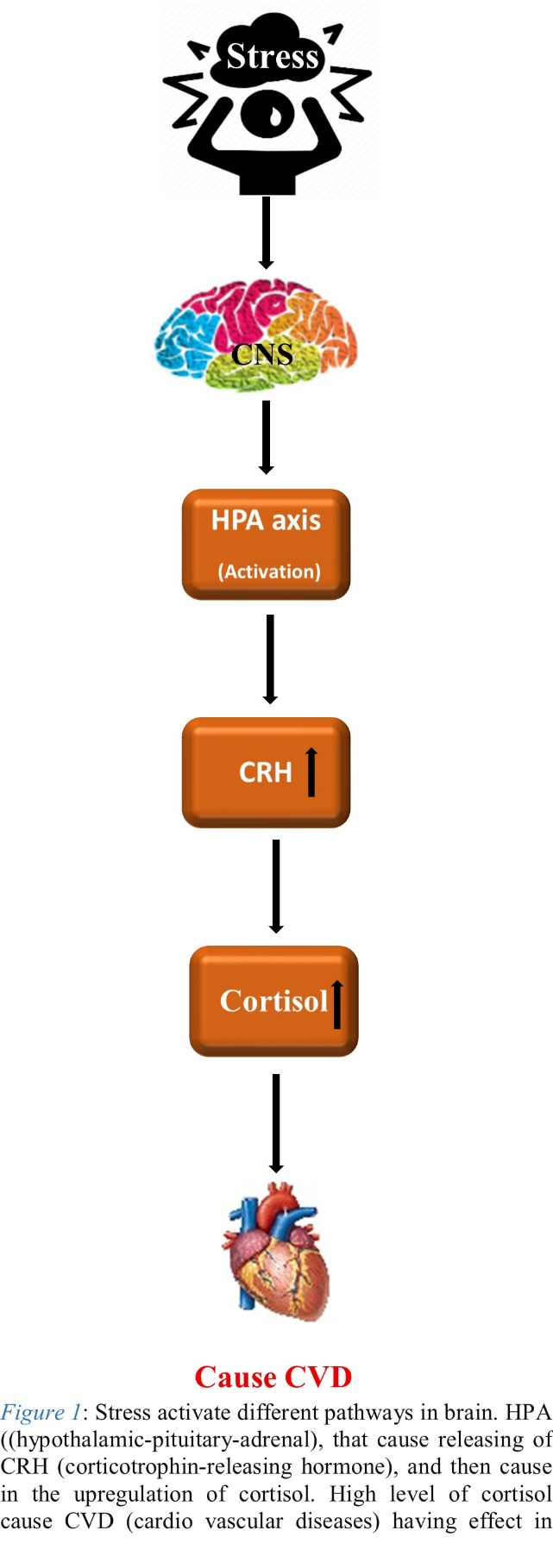
Increased sympathetic nerve commotion, diminished parasympathetic activity, activation of the HPA axis, and a pro-inflammatory immune response were all effects of psychological stress. These pathways have been connected to the expansion of the cardiac disease that is brought on by social isolation, even if a direct connection has not yet been shown (Li and Xia, 2020). Numerous stress-related substances, with catecholamines and cortisol in a supplementary unintended method, have been suggested as possible intermediaries of the link between psychological stress and CVD. However, unfluctuating though aldosterone is also generated in response to HPA axis instigation, this association has not been established to be important for it (Blitshteyn et al., 2024; Goldstein, 2025). The mobilization of energy to muscles, improved cardiovascular tone, suppression of reproductive physiology, reduction of hunger and eating, focused cognition, and higher local cerebral glucose consumption are the cumulative outcomes of activating the HPA axis (Mcewen et al., 2007). As a result of the HPA axis and autonomic nervous system being galvanized by acute stress, cortisol, alpha-amylase and heart rate are all increase (Nater and Rohleder, 2009).
Activation of Platelets During Stress
Cardiovascular disease (CVD) is one of the chief causes of death; in addition, platelets play a significant role and in swear condition it can cause death. Platelet activation can be accomplished by many chemicals, genes, pathways, and chemokines through the activation of the HPA axis. In addition to interacting with leukocytes and endothelial cells and releasing pro-inflammatory, mitogenic, proapoptotic, and cytotoxic chemicals, platelet activation also causes myocardial ischemia-reperfusion (I/R), which is a component of CVD damage to start grow and turn into severe inflammation and immune response (Freedman, 2008). Circulating levels of IL-6 increase during psychological stress, also possibly because of catecholamines' effect on IL-6 levels (Ridker and Rane, 2021).
Together, at the same time, cytokines and TNF-alpha work to improve the immune response and combat inflammatory problems like allergens through direct and indirect effects. To stop cytokine levels from exceeding or overcompensating to the disadvantage of the organism, they induce feedback inhibition when they reach a particular threshold. Reduced local inflammatory responses and short-term immunity brought on by acute HPA axis activation may be crucial in controlling this system to minimize harm from overactivation (Abelson et al., 2014).
Psychological disorders and cardiovascular risk
Depression, anxiety, and PTSD increase CVD risk through behavioral and biological pathways (Monami and Marchionni, 2007). Depression has a bidirectional association with cardiac outcomes; the pervasiveness of miserable symptoms in cardiac patients is high and linked to worse morbidity and mortality (Ogunmoroti et al., 2022). Autonomic imbalance, HPA axis dysfunction, inflammation, and platelet hyperactivity contribute to pathogenesis (Sic et al., 2025). Behavioral factors, including inactivity and smoking, worsen outcomes (Hannan et al., 2021; Xu et al., 2020). PTSD promotes persistent neuroendocrine and immunological activation (Neigh and Ali, 2016).
PROTECTIVE FACTORS
Psychosocial resources mitigate stress’s cardiovascular impacts. Social support reduces sympathetic activation and inflammation, protecting vascular health (Christenfeld and Gerin, 2000). Positivity and flexibility in coping promote healthy behaviour (Boehm et al., 2018; Schwarzer, 1994). Individual sensitivity and resilience are influenced by genetic variations in stress and immunological pathways, which in turn guide personalised therapy (Gillespie et al., 2009). Along with that, maintain a healthy diet, get enough sleep, and engage in physical activity to cope with the condition. In reality, adopting a healthy lifestyle may lead to great outcomes (Briguglio et al., 2020).
CONCLUSION
Several physiological systems, together with the immune system, the hypothalamic-pituitary-adrenal axis, the autonomic nerve system, and the endorphin systems, can be significantly impacted by stressful life experiences. The hypothalamus-pituitary-adrenal axis and the autonomic nervous system are triggered in animals, including humans, in response to stress. Research has established that physiological alterations in the neuroendocrine systems may put people at risk for CVD by having an impact on risk variables, for example, blood pressure, plasma glucose, and lipid concentrations. Depression and sensitivity to CVD may be mediated by dysregulation of the HPA axis and high cortisol levels. The social aspects that contribute to stress are also explored, and it is mentioned that persistent stress can have pathological repercussions on people. People's behaviour can show signs of stress, especially when it changes. If stress continues, changes in neuroendocrine, cardiovascular, autonomic, and immunological functions occur, which can result in mental and physical health problems, including anxiety, depression, and heart disease.
References
- Abelson JL, TM Erickson, SE Mayer et al., 2014. Brief cognitive intervention can modulate neuroendocrine stress responses to the Trier Social Stress Test: Buffering effects of a compassionate goal orientation. Psychoneuroendocrinology 44:60–70.
- Albertini MC, Y Ozawa, D Lichtenberg et al., 2022. Oxidative stress: What is it? Can it be measured? Where is it located? Can it be good or bad? Can it be prevented? Can it be cured? Antioxidants 11:1431.
- Alotiby A, 2024. Immunology of stress: A review article. Journal of Clinical Medicine 13:6394.
- Beall RF, AA Leung, AE Quinn et al., 2022. Laboratory testing and antihypertensive medication adherence following initial treatment of incident uncomplicated hypertension: A real-world data analysis. Journal of Clinical Hypertension 24:1316–26.
- Berto R, 2014. The role of nature in coping with psycho-physiological stress: A literature review on restorativeness. Behavioral Sciences 4:394–409.
- Blitshteyn S, I Ruhoy, J Robblee et al., 2024. Linking the extended autonomic system with the homeostat theory: New perspectives about dysautonomias. Journal of Personalized Medicine 14:123.
- Boehm JK, Y Chen, H Koga et al., 2018. Is optimism associated with healthier cardiovascular-related behavior? Meta-analyses of three health behaviors. Circulation Research 122:1119–34.
- Briguglio M, JA Vitale, R Galentino et al., 2020. Healthy eating, physical activity and sleep hygiene as the winning triad for sustaining physical and mental health in patients at risk for neuropsychiatric disorders. Neuropsychiatric Disease and Treatment 16:55–70.
- Brlek A and M Gregorič, 2023. Diet quality indices and their associations with all-cause mortality, cardiovascular disease and type 2 diabetes mellitus: An umbrella review. British Journal of Nutrition 130:709–18.
- Buwalda B, M Geerdink, J Vidal et al., 2011. Social behavior and social stress in adolescence: A focus on animal models. Neuroscience and Biobehavioral Reviews 35:1713–21.
- Bystritsky A and D Kronemyer, 2014. Stress and anxiety: Counterpart elements of the stress–anxiety complex. Psychiatric Clinics of North America 37:489–518.
- Carola V, C Vincenzo, G Di Vincenzo et al., 2024. Psychological risk factors and cardiovascular disease. Frontiers in Psychology 15:1419731.
- Christenfeld N and W Gerin, 2000. Social support and cardiovascular reactivity. Biomedicine and Pharmacotherapy 54:251–257.
- Cohen BE, D Edmondson and IM Kronish, 2015. Depression, stress, anxiety and cardiovascular disease. American Journal of Hypertension 28:1295–1302.
- Cohen H, J Zohar, Y Gidron et al., 2006. Blunted HPA axis response to stress influences susceptibility to post-traumatic stress response in rats. Biological Psychiatry 59:1208–18.
- Correa KA, V Michopoulos, JS Stevens et al., 2024. Conceptualizing disparities and differences in the psychobiology of traumatic stress. Journal of Traumatic Stress 37:746–53.
- Cozma D, P Siatra, SR Bornstein et al., 2023. Sensitivity of the neuroendocrine stress axis in metabolic diseases. Hormone and Metabolic Research 56:65–77.
- Dar T, A Radfar, S Abohashem et al., 2019. Psychosocial stress and cardiovascular disease. Current Treatment Options in Cardiovascular Medicine 21:1–17.
- Daviu N, MR Bruchas, B Moghaddam et al., 2019. Neurobiological links between stress and anxiety. Neurobiology of Stress 11:100191.
- Dubbert PM, T Carithers, AE Sumner et al., 2002. Obesity, physical inactivity and risk for cardiovascular disease. American Journal of the Medical Sciences 324:116–26.
- Edmondson D, IM Kronish, JA Shaffer et al., 2013. Posttraumatic stress disorder and risk for coronary heart disease: A meta-analytic review. American Heart Journal 166:806–14.
- Ennis J and U Majid, 2021. Death from a broken heart: A systematic review of the relationship between spousal bereavement and physical and physiological health outcomes. Death Studies 45:538–51.
- Freedman JE, 2008. Oxidative stress and platelets. Arteriosclerosis, Thrombosis, and Vascular Biology 28:1–8.
- Gaziano TA, 2022. Cardiovascular diseases worldwide. In: Public health approach to cardiovascular disease prevention and management. Springer, pp:8–18.
- Gianaros PJ and JR Jennings, 2018. Host in the machine: A neurobiological perspective on psychological stress and cardiovascular disease. American Psychologist 73:1031–44.
- Gillespie CF, J Phifer, B Bradley et al., 2009. Risk and resilience: Genetic and environmental influences on development of the stress response. Depression and Anxiety 26:984–92.
- Ginty AT, TE Kraynak, JP Fisher et al., 2017. Cardiovascular and autonomic reactivity to psychological stress: Neurophysiological substrates and links to cardiovascular disease. Autonomic Neuroscience 207:2–9.
- Giosuè A, I Calabrese, M Vitale et al., 2022. Consumption of dairy foods and cardiovascular disease: A systematic review. Nutrients 14:831.
- Goel N, JL Workman, TT Lee et al., 2014. Sex differences in the HPA axis. Comprehensive Physiology 4:1121–55.
- Gracia KC, D Llanas-Cornejo and H Husi, 2017. Cardiovascular disease and oxidative stress. Journal of Clinical Medicine 6:22.
- Gutiérrez-Bedmar M, MÁ Martínez-González, C Muñoz-Bravo et al., 2017. Chromium exposure and risk of cardiovascular disease in high-risk subjects: Nested case–control study of the PREDIMED trial. Circulation Journal 81:1183–90.
- Habib KE, PW Gold and GP Chrousos, 2001. Neuroendocrinology of stress. Endocrinology and Metabolism Clinics of North America 30:695–728.
- Hannan M, E Kringle, CL Hwang et al., 2021. Behavioral medicine for sedentary behavior, daily physical activity and exercise to prevent cardiovascular disease: A review. Current Atherosclerosis Reports 23:48.
- Hinterdobler J, H Schunkert, T Kessler et al., 2021. Impact of acute and chronic psychosocial stress on vascular inflammation. Antioxidants and Redox Signaling 35:1531–50.
- Izzo C, P Vitillo, P D Pietro et al., 2021. Role of oxidative stress in cardiovascular aging and cardiovascular diseases. Life 11:60.
- Jacquet-Smailovic M, MJ Brennstuhl, I Denis et al., 2022. Relationship between post-traumatic stress disorder and subsequent myocardial infarction: A systematic review and meta-analysis. Journal of Affective Disorders 297:525–35.
- Kamardeen I, 2021. Work stress-related cardiovascular diseases among construction professionals. Built Environment Project and Asset Management 12:223–42.
- Kashani M, A Eliasson and M Vernalis, 2012. Perceived stress correlates with disturbed sleep: A link connecting stress and cardiovascular disease. Stress 15:45–51.
- Katsarou AL, F Triposkiadis and D Panagiotakos, 2013. Perceived stress and vascular disease: Where are we now? Angiology 64:529–534.
- Kim H, J Yoo, K Han et al., 2022. Physical activity and cardiovascular health in depression: Links between changes in physical activity and cardiovascular risk. General Hospital Psychiatry 78:35–41.
- Kivimäki M and I Kawachi, 2015. Work stress as a risk factor for cardiovascular disease. Current Cardiology Reports 17:74.
- Koolhaas JM, A Bartolomucci, B Buwalda, SF de Boer, G Flügge, SM Korte, P Meerlo, R Murison, B Olivier, P Palanza, G Richter-Levin, A Sgoifo, T Steimer, O Stiedl, G van Dijk, M Wöhr and E Fuchs, 2011. Stress revisited: A critical evaluation of the stress concept. Neuroscience and Biobehavioral Reviews 35:1291–1301.
- Kyrou I, N Kollia, D Panagiotakos et al., 2017. Association of depression and anxiety with 10-year cardiovascular disease incidence among apparently healthy adults: The ATTICA Study. European Journal of Preventive Cardiology 24:145–52.
- Lagraauw HM, J Kuiper and I Bot, 2015. Acute and chronic psychological stress as risk factors for cardiovascular disease: Insights gained from epidemiological, clinical and experimental studies. Brain, Behavior, and Immunity 50:18–30.
- Lamadé EK, B Pedraz-Petrozzi, B Schaupp et al., 2024. Cardiovascular risk factors as potential biomarkers of length of hospital stay and rehospitalization in mood disorders: A retrospective study. Biomarkers in Neuropsychiatry 11:100109.
- Larkin KT and PD Chantler, 2020. Stress, depression and cardiovascular disease. In: Cardiovascular implications of stress and depression. Elsevier, pp:1–12.
- Li H and N Xia, 2020. Role of oxidative stress in cardiovascular disease caused by social isolation and loneliness. Redox Biology 37:101585.
- Lv J, L Chen, N Zhu et al., 2020. Beta-amyloid-induced time-dependent learning and memory impairment: Involvement of hypothalamic–pituitary–adrenal axis dysfunction. Metabolic Brain Disease 35:1385–94.
- Mäenpää S, E Ekstrand, C Petersson et al., 2021. Patients’ experiences when afflicted by takotsubo syndrome: Is it time for guidelines? Scandinavian Journal of Caring Sciences 35:824–32.
- Mahmood Z, A Davidsson, E Olsson et al., 2020. Effect of acute exercise on interleukin-6 and hypothalamic–pituitary–adrenal axis responses in patients with coronary artery disease. Scientific Reports 10:21390.
- Malik AO, P Peri-Okonny, K Gosch et al., 2020. Association of perceived stress levels with long-term mortality in patients with peripheral artery disease. JAMA Network Open 3:208741.
- Malik AO, P Peri-Okonny, K Gosch et al., 2021. Association of perceived stress with health status outcomes in patients with peripheral artery disease. Journal of Psychosomatic Research 140:110313.
- Mbiydzenyuy NE and LA Qulu, 2024. Stress, hypothalamic–pituitary–adrenal axis, hypothalamic–pituitary–gonadal axis and aggression. Metabolic Brain Disease 39:1613–36.
- Mcewen BS, AE Mirsky and MM Hatch, 2007. Physiology and neurobiology of stress and adaptation: Central role of the brain. Physiological Reviews 87:873–904.
- Monami M and N Marchionni, 2007. Psychological disorders and cardiovascular diseases. Giornale Italiano di Cardiologia 8:335–48.
- Munir LZ and EF du Toit, 2024. Impact of chronic psychological stress on cardiovascular disease risk: A narrative review. Heart and Mind 8:268–78.
- Murri MB, F Folesani, L Zerbinati et al., 2020. Physical activity promotes health and reduces cardiovascular mortality in depressed populations: A literature overview. International Journal of Environmental Research and Public Health 17:5545.
- Nater UM and N Rohleder, 2009. Salivary alpha-amylase as a non-invasive biomarker for the sympathetic nervous system: Current state of research. Psychoneuroendocrinology 34:486–96.
- Naylor AR, 2012. Hearts and minds. European Journal of Vascular and Endovascular Surgery 43:1–3.
- Neigh GN and FF Ali, 2016. Co-morbidity of post-traumatic stress disorder and immune system dysfunction: Opportunities for treatment. Current Opinion in Pharmacology 29:104–10.
- Nestel PJ and TA Mori, 2022. Dietary patterns, dietary nutrients and cardiovascular disease. Reviews in Cardiovascular Medicine 23:17.
- Ogunmoroti O, O Osibogun, ES Spatz et al., 2022. Bidirectional relationship between depressive symptoms and cardiovascular health: A systematic review. Preventive Medicine 154:106891.
- Phillips DIW and A Jones, 2006. Fetal programming of autonomic and hypothalamic–pituitary–adrenal function: Do people who were small babies have enhanced stress responses? Journal of Physiology 572:45–50.
- Pilozzi A, C Carro and X Huang, 2020. Roles of β-endorphin in stress, behavior, neuroinflammation and brain energy metabolism. International Journal of Molecular Sciences 22:338.
- Ricci F, MY Khanji, G Bisaccia et al., 2023. Diagnostic and prognostic value of stress cardiovascular magnetic resonance imaging in patients with known or suspected coronary artery disease: A systematic review and meta-analysis. JAMA Cardiology 8:662–73.
- Ridker PM and M Rane, 2021. Interleukin-6 signaling and anti-interleukin-6 therapeutics in cardiovascular disease. Circulation Research 128:1728–46.
- Roth GA, GA Mensah and V Fuster, 2020. The global burden of cardiovascular diseases and risks: A compass for global action. Journal of the American College of Cardiology 76:2980–2981.
- Russell JA and M Shipston, 2015. Neuroendocrinology of stress. Wiley Blackwell, Oxford, UK.
- Schwarzer R, 1994. Optimism, vulnerability and self-beliefs as health-related cognitions: A systematic overview. Psychology and Health 9:161–80.
- Sic A, M Bogicevic, N Brezic et al., 2025. Chronic stress and headaches: Role of the hypothalamic–pituitary–adrenal axis and autonomic nervous system. Biomedicines 13:463.
- Silverman AL, AA Herzog and DI Silverman, 2019. Hearts and minds: Stress, anxiety and depression as risk factors for cardiovascular disease. Cardiology in Review 27:202–07.
- Sobolewska-Nowak J, K Wachowska, A Nowak et al., 2023. Exploring the heart–mind connection: Shared pathways between depression and cardiovascular diseases. Biomedicines 11:1903.
- Steptoe A and M Kivimäki, 2012. Stress and cardiovascular disease. Nature Reviews Cardiology 9:360–70.
- Tu J, J Yeom, JC Ulloa et al., 2025. Stressomic: A wearable microfluidic biosensor for dynamic profiling of multiple stress hormones in sweat. Science Advances 11:6491.
- Vaccarino V, L Badimon, JD Bremner et al., 2020. Depression and coronary heart disease: 2018 position paper of the ESC Working Group on Coronary Pathophysiology and Microcirculation. European Heart Journal 41:1687–96.
- Vaccarino V and JD Bremner, 2024. Stress and cardiovascular disease: An update. Nature Reviews Cardiology 21:603–16.
- Vitaliano PP, JM Scanlan, J Zhang et al., 2002. A path model of chronic stress, the metabolic syndrome and coronary heart disease. Psychosomatic Medicine 64:418–35.
- Watkins LL, ST LoSavio, P Calhoun et al., 2023. Effect of cognitive processing therapy on markers of cardiovascular risk in posttraumatic stress disorder patients: A randomized clinical trial. Journal of Psychosomatic Research 170:111003.
- Wirtz PH and R von Känel, 2017. Psychological stress, inflammation and coronary heart disease. Current Cardiology Reports 19:1–10.
- Xu H, K Deng, Z Lin et al., 2020. Effects of physical activity and sedentary behavior on the association between cardiovascular disease and depression: A four-way decomposition. Journal of Affective Disorders 275:194–201.
- Zheng R, 2022. Pleasure and achievement: Dopamine and endorphins. Highlights in Science, Engineering and Technology (BEEFM):1–6.