

INTRODUCTION
Hypertension, or high blood pressure, is a chronic cardiovascular disorder defined by a persistent elevation in arterial pressure, typically with systolic levels exceeding 140 mmHg and/or diastolic levels above 90 mmHg (Vidal-Petiot, 2022). Recognized globally as a leading cause of morbidity and mortality, it is often asymptomatic until complications arise, earning it the title of the "silent killer". According to the World Health Organization, approximately 1.28 billion adults worldwide suffer from hypertension, with the majority residing in low- and middle-income countries. Despite advances in diagnosis and treatment, a significant proportion of individuals remain either undiagnosed or inadequately managed, contributing to increased risks of heart disease, stroke, renal failure, and premature death (Inoue, 2025).
The importance of early and effective management of hypertension cannot be overstated (Han et al., 2019). Timely intervention can significantly reduce the long-term health consequences and associated economic burden. Standard approaches, such as pharmacological therapy and lifestyle modification, have proven efficacy in lowering blood pressure and reducing the risk of target organ damage (Go et al., 2014; Elendu et al., 2024). However, for many patients, these interventions alone may not achieve optimal control or may lead to side effects that hinder adherence. This limitation underscores the need for more comprehensive, individualized treatment strategies.
Multimodal therapy, which combines conventional medical treatment with alternative and complementary approaches, offers a promising path forward. This integrated model leverages the strengths of both systems, utilizing evidence-based pharmacological interventions alongside dietary adjustments, physical activity, mind-body practices, and traditional medicinal systems to address the multifaceted nature of hypertension (Hoenders et al., 2024). Such a synergistic approach not only targets physiological parameters but also emphasizes holistic well-being, stress management, and lifestyle sustainability. The purpose of this chapter is to explore the potential of multimodal management in the treatment of hypertension, emphasizing the synergy between conventional and alternative therapies. It aims to critically examine the scientific rationale, clinical applications, and safety considerations of this integrative approach. By presenting current evidence and highlighting practical implications, this chapter seeks to support healthcare providers and researchers in adopting a more inclusive and patient-centered strategy for hypertension care.
PATHOPHYSIOLOGICAL MECHANISMS OF HYPERTENSION
Hypertension does not arise from a single defect but rather from the interplay of multiple dysregulated systems. Under normal conditions, blood pressure is tightly maintained by coordinated interactions between the heart, blood vessels, kidneys, and neurohormonal networks. When these mechanisms lose balance, vascular tone rises, sodium and water are retained, and the arterial wall stiffens, culminating in a chronic elevation of blood pressure. Three interrelated factors dominate the pathophysiology: sympathetic nervous system (SNS) overactivity (Arshad et al., 2025), renin–angiotensin–aldosterone system (RAAS) dysregulation, and endothelial dysfunction (Gimbrone Jr and García-Cardeña, 2016). Together, they form a self-perpetuating cycle that drives vascular injury and end-organ damage. SNS overactivity represents a state in which the body’s “accelerator” is stuck on. Instead of responding only to stress or exercise, sympathetic tone remains persistently high, resulting in increased heart rate, contractility, and vascular resistance. Chronic stimulation of adrenergic receptors causes vasoconstriction, vascular hypertrophy, and cardiac remodeling, while in the kidneys, it promotes renin release, sodium retention, and reduced renal blood flow. Over time, this overdrive contributes to left ventricular hypertrophy, insulin resistance, dyslipidemia, and chronic kidney disease, with widespread inflammation and oxidative stress further aggravating vascular dysfunction (Kiuchi et al., 2020).
RAAS dysregulation acts as a maladaptive “thermostat” that remains set too high. Excess angiotensin II drives vasoconstriction, smooth muscle hypertrophy, fibrosis, and sympathetic activation, while aldosterone promotes sodium retention, potassium loss, and collagen deposition in both the heart and vasculature. Importantly, local RAAS activation in organs such as the kidney, heart, brain, and adipose tissue sustains damage even when circulating renin appears normal. Obesity-related hypertension often reflects this mechanism, as adipose tissue produces RAAS mediators and leptin directly stimulates aldosterone secretion. Chronic overactivity leads to vascular stiffness, diastolic dysfunction, nephron loss, and metabolic abnormalities that link hypertension with diabetes and cardiovascular disease (Xue et al., 2020; Mehta et al., 2023).
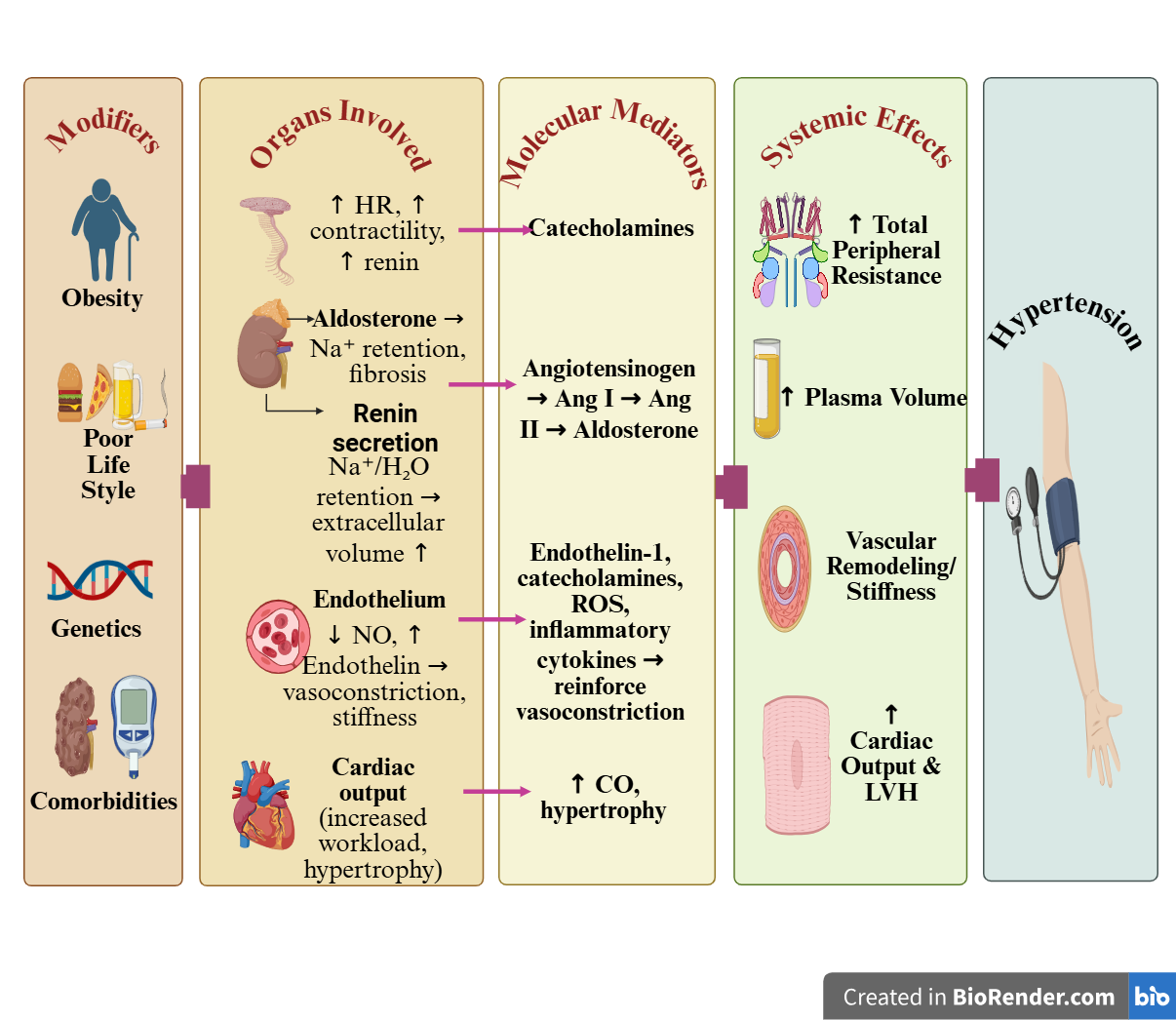
The vascular endothelium, normally a protective layer balancing vasodilators and vasoconstrictors, is also progressively impaired. Oxidative stress, RAAS overactivation, inflammation, and metabolic insults reduce nitric oxide bioavailability and enhance the production of endothelin-1 and other vasoconstrictors. As the glycocalyx is degraded and vasodilatory capacity declines, vessels become stiffer, pro-thrombotic, and pro-inflammatory. This endothelial shift not only sustains hypertension but also accelerates atherosclerosis and impairs baroreceptor sensitivity, feeding back into sympathetic activation (Becker et al., 2015; Gimbrone Jr and García-Cardeña, 2016).
Beyond these central pathways, lifestyle, genetic, and comorbid factors strongly shape the expression of hypertension. High sodium intake, low potassium, obesity, physical inactivity, alcohol and tobacco use, and sleep disorders such as obstructive sleep apnea all amplify neurohormonal activation and vascular injury (Tamlander et al., 2021). Genetic polymorphisms in RAAS components, adrenergic receptors, and renal transporters further modulate susceptibility, while epigenetic influences from early-life stress or malnutrition program long-term vulnerability. Comorbid conditions such as diabetes, chronic kidney disease, dyslipidemia, metabolic syndrome, and endocrine disorders create synergistic effects that intensify vascular damage and make hypertension more resistant to treatment.
In essence, hypertension emerges from the convergence of SNS overdrive, RAAS hyperactivation, and endothelial dysfunction, compounded by lifestyle and genetic influences and reinforced by common comorbidities (Fig. 1). This integrated perspective underscores why treatment often requires a multimodal strategy, addressing not only pharmacological targets but also lifestyle modification and complementary approaches to break the cycle of vascular injury and progression.
CLASSIFICATION OF HYPERTENSION
Hypertension is a chronic, multifactorial condition, and its classification provides a framework for risk assessment and therapeutic decision-making summarize in Table 1. Although guidelines differ in their thresholds, there is consensus that cardiovascular risk rises progressively even from levels once considered normal. The ACC/AHA 2017 guidelines define hypertension at lower thresholds compared with the ESC/ESH 2018 guidelines, yet both emphasize early detection and individualized care (Reboussin et al., 2018; Williams et al., 2018). Normal blood pressure is defined as values below 120/80 mmHg. Readings slightly above this range but not yet reaching the diagnostic cutoff are termed “elevated” by ACC/AHA or “high-normal” by ESC/ESH. Individuals in this category already face modestly increased cardiovascular risk, and lifestyle modification remains the principal management strategy to prevent progression (Staessen et al., 2017).
| Category | Systolic BP (mmHg) | Diastolic BP (mmHg) | Notes |
|---|---|---|---|
| Normal | <120 | <80 | Optimal vascular health |
| Elevated (pre-hypertension) | 120–129 | <80 | Lifestyle intervention crucial |
| Stage 1 Hypertension | 130–139 (ACC/AHA) 140–159 (ESC/ESH) | 80–89 (ACC/AHA) 90–99 (ESC/ESH) | Higher risk if comorbidities are present |
| Stage 2 Hypertension | ≥140 (ACC/AHA) 160–179 (ESC/ESH) | ≥90 (ACC/AHA) 100–109 (ESC/ESH) | Usually requires drug therapy |
| Stage 3 (ESC/ESH only) | ≥180 | ≥110 | Severe hypertension |
| Hypertensive Crisis | ≥180 | ≥120 | Subdivided into urgency vs. Emergency |
Stage 1 hypertension is defined as 130–139/80–89 mmHg by ACC/AHA and 140–159/90–99 mmHg by ESC/ESH. At this stage, subclinical changes such as vascular stiffness or early left ventricular remodeling may appear, and the risk of cardiovascular disease is roughly doubled compared to normotensive individuals. Lifestyle measures are universally recommended, but pharmacological therapy may be warranted in patients with additional risk factors such as diabetes, chronic kidney disease, or established cardiovascular disease (Qi et al., 2018).
Stage 2 hypertension reflects sustained elevations above 140/90 mmHg according to ACC/AHA, while ESC/ESH subdivides more severe cases into grade 2 (160–179/100–109 mmHg) and grade 3 (≥180/≥110 mmHg). Organ damage becomes more evident at this stage, with manifestations including left ventricular hypertrophy, renal impairment, or hypertensive retinopathy. Most patients require two or more antihypertensive agents alongside lifestyle modification to achieve adequate control (Commodore-Mensah et al., 2021). The most severe presentation is the hypertensive crisis, defined as blood pressure ≥180/120 mmHg. When organ damage is absent, this state is classified as hypertensive urgency and managed with oral agents to lower blood pressure gradually. In contrast, the presence of acute complications such as encephalopathy, stroke, myocardial infarction, or renal injury indicates a hypertensive emergency requiring immediate hospitalization and intravenous therapy.
Overall, while ACC/AHA guidelines adopt lower diagnostic thresholds to enable earlier intervention, ESC/ESH guidelines remain more conservative, focusing on global cardiovascular risk and patient age. Both frameworks underscore the importance of individualized treatment strategies, combining lifestyle modification, pharmacotherapy, and, increasingly, complementary approaches to reduce long-term complications.
PHARMACOLOGICAL INTERVENTIONS IN HYPERTENSION MANAGEMENT
The management of hypertension relies heavily on pharmacological interventions that target different physiological mechanisms regulating blood pressure. These drugs alter vascular resistance, cardiac output, and renal sodium handling through diverse molecular targets. The major pharmacological classes used in conventional therapy include diuretics, inhibitors of the renin–angiotensin system, β-adrenergic blockers, calcium channel blockers, and fixed-dose combination therapies. Each class has multiple representatives with unique pharmacodynamic and pharmacokinetic characteristics that influence their therapeutic applications, as shown in Table 2.
Diuretics
Diuretics constitute one of the most established pharmacological classes in the management of hypertension, exerting their therapeutic action through modulation of renal tubular sodium handling and consequent natriuresis, leading initially to intravascular volume contraction and, with chronic administration, to sustained reductions in systemic vascular resistance (Ichikawa et al., 2025). Thiazide and thiazide-like diuretics, acting at the sodium–chloride symporter in the distal convoluted tubule, are considered first-line due to their efficacy, long half-life in agents such as chlorthalidone, and documented reduction in cardiovascular morbidity; their long-term antihypertensive effect is mediated primarily by vascular smooth muscle relaxation through decreased intracellular sodium and calcium flux. Adverse effects, including hypokalemia, hyponatremia, hyperuricemia, and metabolic derangements, remain clinically significant, although indapamide exhibits relative metabolic neutrality (Borghi et al., 2020; Burnier et al., 2019). Loop diuretics, which inhibit the sodium–potassium–2 chloride cotransporter in the thick ascending limb of Henle’s loop, achieve the most potent natriuretic effect but display short half-lives and are thus reserved for hypertension associated with advanced chronic kidney disease, heart failure, or significant fluid overload. Their adverse profile includes electrolyte depletion, volume contraction alkalosis, and ototoxicity at higher doses (Taleghani et al., 2025). Potassium-sparing agents, either mineralocorticoid receptor antagonists such as spironolactone and eplerenone or epithelial sodium channel inhibitors such as amiloride and triamterene, exert relatively modest antihypertensive activity but are pivotal in resistant hypertension, particularly in states of aldosterone excess, while simultaneously mitigating thiazide- or loop-induced hypokalemia (Sharma et al., 2025). Collectively, diuretics remain a cornerstone of antihypertensive therapy, with subclass selection guided by renal function, comorbid states, and the necessity of balancing efficacy against metabolic and electrolyte disturbances.
| Major Class | Subclass | Representative Drugs | Mechanism Overview |
|---|---|---|---|
| Diuretics | Thiazide and thiazide-like | Hydrochlorothiazide, Chlorthalidone, Indapamide | First-line agents: reduce plasma volume and long-term peripheral resistance |
| Loop diuretics | Furosemide, Bumetanide, Torsemide | Potent natriuretic effect; used in CKD, HF, and volume overload | |
| Potassium-sparing | Spironolactone, Eplerenone, Amiloride, Triamterene | Useful in resistant hypertension; mitigates K⁺ loss | |
| ACE Inhibitors | Short-acting | Captopril | Inhibit conversion of Ang I → Ang II; enhance bradykinin |
| Intermediate-acting | Enalapril, Lisinopril | Improve vascular compliance; kidney-protective in diabetes | |
| Long-acting | Ramipril, Perindopril, Fosinopril | Provide sustained BP control; cardioprotective effects | |
| Angiotensin II Receptor Blockers (ARBs) | First-generation | Losartan | Selectively block AT₁ receptor; minimal bradykinin effects |
| Second-generation | Valsartan, Irbesartan, Candesartan, Telmisartan, Olmesartan | Longer half-life; alternative when ACEIs not tolerated | |
| β-Adrenergic Blockers | Cardioselective (β₁) | Atenolol, Metoprolol, Bisoprolol, Nebivolol | Reduce cardiac output and renin release |
| Non-selective | Propranolol, Nadolol, Timolol | Block β₁ and β₂ receptors; caution in asthma/COPD | |
| Vasodilating | Carvedilol, Labetalol, Nebivolol | Additional α₁-blockade or NO release improves vascular profile | |
| Calcium Channel Blockers | Dihydropyridines | Amlodipine, Nifedipine (SR), Felodipine, Nicardipine | Potent arteriolar vasodilators; preferred in older adults |
| Non-dihydropyridines | Verapamil, Diltiazem | Affect both vascular smooth muscle and cardiac conduction |
ACE Inhibitors and Angiotensin ii Receptor Blockers
The renin angiotensin aldosterone system (RAAS) plays a central role in maintaining vascular tone, intravascular volume, and sodium balance. Pharmacological targeting of this pathway has revolutionized hypertension therapy. Two major drug classes are central here: angiotensin-converting enzyme (ACE) inhibitors and angiotensin II receptor blockers (ARBs). Both ultimately suppress the actions of angiotensin II, though through distinct mechanisms, and both have shown strong benefits in hypertension complicated by diabetes, chronic kidney disease, or heart failure.
ACE Inhibitors: ACE inhibitors act by blocking angiotensin-converting enzyme (kininase II), thereby preventing the conversion of angiotensin I to angiotensin II. This results in reduced vasoconstriction, decreased aldosterone secretion, and diminished sodium and water retention, along with attenuation of sympathetic nervous system activity. Additionally, ACE inhibition prevents the breakdown of bradykinin, which increases vasodilatory mediators such as nitric oxide and prostacyclin. This mechanism not only contributes to their antihypertensive effect but also accounts for characteristic adverse reactions, particularly a persistent dry cough and angioedema. Pharmacokinetically, ACE inhibitors vary in absorption, metabolism, and elimination. Captopril is active in its administered form, has a rapid onset, but a short half-life of 6–9 hours, necessitating multiple daily doses. Enalapril is a prodrug that undergoes hepatic conversion to enalaprilat, which has a half-life of about 11 hours. Lisinopril, a hydrophilic drug, is active as given and has a half-life of approximately 12 hours, allowing once-daily administration. Ramipril and perindopril are also prodrugs, metabolized to active metabolites (ramiprilat, perindoprilat) with half-lives exceeding 24 hours, providing sustained blood pressure control. Most ACE inhibitors are renally excreted and require dose adjustment in renal impairment, whereas fosinopril undergoes partial hepatic clearance and is therefore safer in patients with reduced renal function (Yasmin et al., 2025). Adverse effects of this drug class include persistent cough, angioedema, and hyperkalemia due to suppression of aldosterone-mediated potassium excretion. They may also precipitate acute kidney injury in patients with bilateral renal artery stenosis. Importantly, ACE inhibitors are contraindicated during pregnancy because of teratogenic risks (Chu et al., 2025).
Angiotensin II Receptor Blockers (ARBs): ARBs selectively antagonize the angiotensin II type 1 (AT₁) receptor located on vascular smooth muscle, the adrenal cortex, and other tissues. By blocking these receptors, ARBs prevent the vasoconstriction, aldosterone secretion, and sympathetic facilitation normally mediated by angiotensin II. Unlike ACE inhibitors, they do not inhibit bradykinin degradation, meaning that cough does not occur and angioedema is far less common. Pharmacokinetically, individual ARBs display distinct properties. Losartan has an oral bioavailability of around 30% and is metabolized by CYP2C9 and CYP3A4 into its active metabolite EXP3174, which is substantially more potent and has a longer half-life of 6–9 hours compared with losartan’s 2 hours. Valsartan has a bioavailability of about 25%, undergoes minimal metabolism, and is mainly excreted unchanged in the feces, with a half-life of approximately 7 hours. Candesartan is administered as the prodrug candesartan cilexetil, which is hydrolyzed in the intestine to the active form; it binds tightly to the AT₁ receptor and has a half-life of about 9 hours. Irbesartan is well absorbed orally and provides effective once-daily control due to its half-life of 11–15 hours. Telmisartan has the longest half-life among the ARBs, at approximately 24 hours, enabling prolonged coverage with a single daily dose. Other agents, such as olmesartan and eprosartan, further broaden therapeutic options with pharmacokinetics suited to various clinical situations (Khan et al., 2025). Adverse effects of ARBs overlap with those of ACE inhibitors, particularly hyperkalemia and the risk of renal impairment in bilateral renal artery stenosis. However, the absence of bradykinin accumulation means cough is not an issue, and angioedema is very uncommon. Like ACE inhibitors, ARBs are contraindicated during pregnancy due to their deleterious effects on fetal renal development.
Beta-Adrenergic Blockers
β-blockers, though no longer first-line for uncomplicated hypertension, remain pivotal in patients with ischemic heart disease, post-myocardial infarction status, arrhythmias, and chronic heart failure (Liang et al., 2025). Their antihypertensive efficacy arises from β-adrenergic receptor antagonism, which reduces cardiac output via negative inotropic and chronotropic effects, suppresses renin release from the juxtaglomerular apparatus, and attenuates sympathetic vascular tone. Cardioselective β₁-blockers (atenolol, metoprolol, bisoprolol, nebivolol) predominantly target the heart and kidney, while non-selective agents (propranolol, nadolol, timolol) extend effects to β₂ receptors, with risks of bronchospasm and peripheral vasoconstriction; vasodilating agents such as carvedilol (β/α₁ blockade) and nebivolol (β₁-selective with nitric oxide–mediated vasodilation) offer improved vascular and metabolic profiles (Manu and Dan, 2025). Pharmacokinetic diversity underlies clinical tailoring: hydrophilic atenolol and renally excreted nadolol allow predictable dosing, lipophilic propranolol penetrates the CNS but undergoes extensive first-pass metabolism, bisoprolol permits once-daily dosing via dual clearance, and esmolol provides ultra-short intravenous control in emergencies. Adverse effects include bradycardia, AV block, fatigue, cold extremities, bronchospasm with non-selective drugs, and metabolic or CNS disturbances, with abrupt withdrawal risking rebound hypertension or ischemia. Overall, β-blockers retain a crucial role in targeted hypertension management, with agent selection guided by comorbidities, pharmacokinetics, and safety considerations (Bhamidipaty-Pelosi et al., 2025).
Calcium Channel Blockers
Calcium channel blockers (CCBs) lower blood pressure by inhibiting L-type voltage-gated calcium channels in vascular smooth muscle and cardiac tissue, thereby reducing calcium influx, promoting arteriolar vasodilation, and decreasing systemic vascular resistance, with non-dihydropyridines additionally exerting direct cardiac depressant effects. Dihydropyridines such as amlodipine, nifedipine, felodipine, nicardipine, and clevidipine act predominantly on vascular smooth muscle, providing potent vasodilation, though short-acting nifedipine may trigger reflex tachycardia; amlodipine is preferred for its long half-life (30–50 hours) and stable pharmacokinetics, while nicardipine and clevidipine are valuable intravenous options in hypertensive emergencies. Non-dihydropyridines, verapamil and diltiazem, combine vascular effects with suppression of sinoatrial automaticity, atrioventricular conduction, and myocardial contractility, making them effective in hypertension with arrhythmias, though contraindicated in heart failure with reduced ejection fraction. Pharmacokinetic diversity influences clinical application: dihydropyridines range from ultra–short-acting clevidipine to long-acting amlodipine, whereas verapamil and diltiazem undergo hepatic metabolism with moderate oral bioavailability and require dose adjustments in liver impairment. Adverse effects differ by subclass. Dihydropyridines often cause peripheral edema, flushing, and headache, while non-dihydropyridines may induce bradycardia, AV block, constipation (verapamil), and drug–drug interactions through CYP3A4 inhibition or digoxin accumulation. Clinically, CCBs are highly effective in older patients and those with isolated systolic hypertension, with subclass selection determined by comorbidities and the hemodynamic profile required (Allard-Phillips et al., 2025; Yamamoto et al., 2025).
COMBINATION THERAPY AND THE RATIONALE
The pharmacological management of hypertension frequently necessitates the use of multiple agents, reflecting the polygenic and multifactorial nature of blood pressure regulation. While monotherapy can be effective in selected patients, clinical data consistently demonstrate that the majority of patients require two or more drugs to achieve target blood pressure. The rationale for combination therapy is based not only on the additive antihypertensive effect but also on the pharmacodynamic synergy achieved when drugs act on complementary physiological pathways, while offsetting compensatory mechanisms that often attenuate the response to single agents.
Pharmacological Basis of Rational Combinations
A classic and widely endorsed regimen is the combination of a thiazide diuretic with an ACE inhibitor or ARB. Thiazides act at the distal convoluted tubule to promote natriuresis and reduce extracellular fluid volume, but this effect is counterbalanced by activation of the renin–angiotensin–aldosterone system (RAAS). The co-administration of an ACE inhibitor or ARB attenuates this RAAS-mediated counter-regulation, thereby sustaining antihypertensive efficacy. Moreover, the adverse metabolic sequelae of each class are mutually corrective: thiazide-induced hypokalemia is blunted by the potassium-retaining effect of RAAS blockade, whereas ACEI/ARB-induced hyperkalemia is partially offset by the kaliuretic action of thiazides (Borghi et al., 2020).
A similarly rational and clinically validated combination is that of a calcium channel blocker (CCB) with an ACE inhibitor or ARB. Dihydropyridine CCBs induce arteriolar vasodilation via inhibition of L-type calcium channels in vascular smooth muscle, but their potent vasodilatory action is frequently accompanied by reflex sympathetic activation and pre-capillary hydrostatic edema. ACE inhibitors and ARBs effectively mitigate both compensatory mechanisms: suppression of RAAS blunts reflex activation, while post-capillary venodilation reduces edema formation. This complementary interaction results in superior blood pressure control and improved tolerability compared to CCB monotherapy (Pongpanich et al., 2018).
β-blockers combined with diuretics or β-blockers combined with CCBs represent alternative strategies with more selective applications. The β-blocker–diuretic combination reduces cardiac output, vascular resistance, and plasma volume simultaneously, but is associated with an increased risk of adverse metabolic effects, including hyperglycemia and dyslipidemia, limiting its broad applicability. β-blocker–CCB combinations require careful pharmacodynamic consideration: the pairing of a β-blocker with a dihydropyridine CCB can be highly effective in patients with concomitant ischemic heart disease, whereas combining a β-blocker with a non-dihydropyridine CCB (verapamil or diltiazem) risks synergistic bradycardia and atrioventricular conduction block due to overlapping negative chronotropic effects (Rossello et al., 2025).
In the setting of resistant hypertension defined as uncontrolled blood pressure despite adherence to a regimen of three optimally dosed drugs including a diuretic the addition of a mineralocorticoid receptor antagonist (MRA) such as spironolactone has proven to be highly effective (Pyne et al., 2025). Aldosterone-mediated sodium retention is a well-recognized driver of resistant hypertension; blockade of mineralocorticoid receptors in the distal nephron addresses this mechanism directly. Spironolactone, through its active metabolite canrenone, prolongs receptor antagonism and provides durable blood pressure reduction. Eplerenone, although less potent, offers improved receptor selectivity and reduced endocrine side effects, and may be favored in patient’s intolerant to spironolactone (Hwang et al., 2017).
Fixed-Dose Combinations
From a pharmaceutics standpoint, the development of fixed-dose combinations (FDCs) represents an important advance in antihypertensive therapy. Some evidence-based antihypertensive combinations are summarized in Table 3 (Watkins et al., 2025). By integrating two or more agents into a single formulation, FDCs address a critical barrier to effective long-term control: patient adherence. Beyond convenience, FDCs ensure synchronous pharmacokinetic exposure, facilitating predictable dual-pathway blockade. Widely used FDCs include amlodipine with valsartan, perindopril with indapamide, and lisinopril with hydrochlorothiazide. In each case, pharmacokinetic compatibility has been carefully evaluated: for example, amlodipine’s long half-life complements valsartan’s sustained receptor blockade, providing 24-hour control without peaks or troughs (Kishore et al., 2018).
| Combination | Molecular/Physiological Basis | Clinical Advantages |
|---|---|---|
| Thiazide + ACEI/ARB | Thiazide-induced RAAS activation countered by RAAS blockade; reciprocal correction of potassium balance | Synergistic BP reduction; improved tolerability |
| CCB + ACEI/ARB | CCB vasodilation + RAAS blockade; venodilation reduces edema | High efficacy; superior tolerability; particularly effective in elderly and Black patients |
| β-blocker + Thiazide | Reduced cardiac output + reduced plasma volume | Useful in ischemic heart disease; but risk of metabolic adverse effects |
| β-blocker + CCB (DHP) | Anti-ischemic + vasodilatory synergy | Valuable in angina and CAD; avoid reflex tachycardia |
| β-blocker + CCB (non-DHP) | Overlapping negative chronotropy | Useful in arrhythmias; but high risk of bradycardia/AV block |
| Triple therapy (ACEI/ARB + CCB + Thiazide) | Multi-pathway blockade | Gold-standard escalation pathway |
| Add-on MRA (spironolactone/eplerenone) | Aldosterone antagonism in distal nephron | Most effective option for resistant hypertension |
LIFESTYLE MODIFICATIONS
Non-pharmacological interventions represent the foundation of hypertension management and are recommended for all patients, regardless of pharmacological therapy status. Lifestyle modifications can reduce blood pressure by 5–20 mmHg, depending on the intervention, and enhance the efficacy of antihypertensive drugs. They also improve overall cardiovascular risk profiles, reduce the need for higher medication doses, and help prevent hypertension in high-risk individuals. The major strategies include dietary modification, increased physical activity, weight reduction, and avoidance of harmful lifestyle habits such as excessive alcohol intake and smoking (Verma et al., 2021).
Diet
Nutritional strategies are critical in the prevention and treatment of hypertension (Sapała et al., 2025). The DASH diet (Dietary Approaches to Stop Hypertension) is particularly well established, emphasizing a high intake of fruits, vegetables, whole grains, lean proteins (particularly fish and poultry), legumes, and low-fat dairy products, while limiting saturated fats, red meat, and added sugars. This dietary pattern is rich in potassium, magnesium, calcium, and fiber, nutrients known to favorably modulate vascular function and blood pressure regulation. Clinical trials have shown that strict adherence to the DASH diet can lower systolic blood pressure by 8–14 mmHg in hypertensive individuals (Nisdayanti et al., 2025).
Sodium restriction is another cornerstone of dietary modification. High sodium intake promotes water retention, increased plasma volume, and vascular stiffness, all of which elevate blood pressure. Guidelines recommend limiting sodium intake to <2.3 grams per day (approximately 5–6 grams of salt), with further reductions (<1.5 grams of sodium) offering greater blood pressure benefit in salt-sensitive populations such as older adults, African and Asian patients, and those with chronic kidney disease (Karagiannidis et al., 2025).
Physical Activity
Regular exercise improves vascular endothelial function, enhances nitric oxide bioavailability, reduces sympathetic tone, and promotes weight control. Aerobic activity, such as brisk walking, cycling, or swimming, performed for at least 30 minutes on most days of the week, is recommended. Moderate-intensity aerobic exercise can reduce systolic blood pressure by 4–9 mmHg. Resistance training also contributes, particularly when combined with aerobic regimens, by improving vascular compliance and metabolic health (Chen et al., 2025a).
Weight Loss
Obesity and visceral adiposity are strong risk factors for hypertension, largely due to increased sympathetic activation, RAAS upregulation, and impaired renal sodium handling. Weight reduction lowers blood pressure in a dose-dependent manner, with studies indicating that every 10 kg of weight loss may reduce systolic blood pressure by 5–20 mmHg. Weight loss strategies should combine caloric restriction, dietary quality improvement, and sustained physical activity. Pharmacological or surgical interventions for weight reduction may be considered in severe obesity with uncontrolled hypertension (Fantin et al., 2019).
Alcohol and Smoking Cessation
Excessive alcohol intake raises blood pressure through sympathetic stimulation, vascular oxidative stress, and impaired baroreceptor sensitivity. Limiting consumption to ≤2 drinks per day for men and ≤1 drink per day for women is associated with significant reductions in blood pressure and cardiovascular risk. Cigarette smoking, while not a direct long-term cause of sustained hypertension, induces acute transient rises in blood pressure and heart rate due to nicotine-mediated sympathetic activation. More importantly, smoking is an independent and powerful risk factor for cardiovascular morbidity and mortality. Complete smoking cessation reduces overall cardiovascular risk and improves vascular endothelial function, thereby synergizing with blood pressure–lowering interventions (Aragiannis et al., 2025).
ALTERNATIVE AND COMPLEMENTARY THERAPIES
Although conventional pharmacological therapies remain the cornerstone of hypertension management, interest in alternative and complementary therapies has increased significantly over the last two decades. Many patients adopt herbal medicines, dietary supplements, or nutraceuticals either as adjuncts to prescribed antihypertensives or as self-directed strategies for cardiovascular risk reduction. While some agents have demonstrated modest blood pressure–lowering effects, the quality of evidence varies considerably, and interactions with conventional drugs must be considered. The most frequently studied alternatives include garlic, hibiscus, omega-3 fatty acids, and coenzyme Q10 (Genc and Saritas, 2025).
Garlic (Allium sativum)
Garlic has been extensively studied for its cardiovascular benefits, largely attributed to its sulfur-containing compounds such as allicin, diallyl disulfide, and S-allyl cysteine. The primary mechanism of action involves allicin-mediated vasodilation through enhanced nitric oxide synthesis, inhibition of angiotensin-converting enzyme, and hydrogen sulfide–dependent vascular relaxation. In addition to its antihypertensive activity, garlic demonstrates antiplatelet, antioxidant, and lipid-lowering properties, which together contribute to cardioprotective effects. The pharmacokinetics of garlic-derived compounds vary considerably, largely because of the instability of allicin and differences in preparation methods, including raw garlic, aged extracts, and powdered formulations. Among these, S-allyl cysteine found in aged garlic extract is the most stable compound, exhibiting good oral bioavailability and predictable plasma concentrations. Clinical evidence from meta-analyses supports that garlic supplementation can reduce systolic blood pressure by approximately 5–10 mmHg in hypertensive patients, with more pronounced effects in individuals with higher baseline blood pressure. However, clinical considerations are important: garlic may increase bleeding risk when used concomitantly with antiplatelet or anticoagulant agents, and its blood pressure–lowering action can potentiate the effects of prescribed antihypertensive medications (Xiong et al., 2015).
Hibiscus (Hibiscus sabdariffa)
Hibiscus tea, prepared from the dried calyces of the hibiscus flower, has gained recognition as a natural antihypertensive agent. Its effects are mediated primarily by anthocyanins and polyphenolic compounds, which inhibit angiotensin-converting enzyme, stimulate endothelial nitric oxide release, and promote diuresis through increased urinary sodium excretion. Although detailed pharmacokinetic data are limited, anthocyanins are known to undergo rapid hepatic conjugation and renal excretion. Clinical evidence from randomized controlled trials demonstrates that daily consumption of hibiscus tea over 4–6 weeks can lower systolic blood pressure by approximately 7–10 mmHg, with effects comparable in some patients to those of mild first-line pharmacotherapy. Hibiscus is generally well tolerated; however, excessive intake may potentiate the actions of prescribed diuretics or ACE inhibitors, resulting in exaggerated hypotensive responses, and thus warrants caution in patients on concomitant antihypertensive therapy (Obu, 2025).
Omega-3 Fatty Acids
Omega-3 polyunsaturated fatty acids, particularly eicosapentaenoic acid (EPA) and docosahexaenoic acid (DHA) derived from fish oil, are well recognized for their cardioprotective and antihypertensive effects. Their mechanism of action involves multiple pathways: they improve endothelial function, reduce vascular inflammation, suppress sympathetic nervous system activity, and enhance arterial compliance. In addition, omega-3 fatty acids shift eicosanoid synthesis toward vasodilatory prostaglandins and reduce vascular tone through activation of potassium channels. Pharmacokinetically, EPA and DHA are incorporated into plasma phospholipids and cell membranes, where they exert sustained biological effects. They undergo hepatic metabolism, are incorporated into triglycerides, and are eliminated primarily through β-oxidation. Clinical evidence from meta-analyses demonstrates that supplementation with 2–3 g/day of combined EPA and DHA can reduce systolic blood pressure by approximately 4–5 mmHg, with greater benefits observed in hypertensive patients who are not receiving other antihypertensive therapy. Omega-3 supplements are generally well tolerated, though they may increase bleeding risk in patients on anticoagulant therapy, and higher doses can sometimes cause gastrointestinal discomfort or an unpleasant fishy aftertaste (Shakiba et al., 2025).
Coenzyme Q10 (Ubiquinone)
Coenzyme Q10 is a lipid-soluble benzoquinone located in the mitochondria, where it plays a central role in oxidative phosphorylation and ATP production. Its antihypertensive and cardioprotective properties are primarily linked to its antioxidant activity, as it reduces oxidative stress, enhances endothelial nitric oxide availability, and improves vascular relaxation. In addition, CoQ10 supports mitochondrial energy metabolism in vascular smooth muscle, thereby limiting vasoconstriction. Pharmacokinetically, oral absorption of CoQ10 is limited because of its lipophilic nature, but bioavailability is improved when taken with dietary fat or in solubilized formulations. After ingestion, peak plasma levels are achieved within 6–8 hours, and its relatively long half-life of about 33 hours allows for once-daily dosing. Clinical evidence suggests that supplementation with 100–200 mg daily can produce modest reductions in systolic blood pressure, typically in the range of 3–6 mmHg, with the most consistent benefits seen when used as adjunct therapy alongside standard antihypertensive medications. CoQ10 is generally well tolerated, though mild gastrointestinal discomfort and headaches have been reported. A notable clinical consideration is its structural similarity to vitamin K, which may reduce the anticoagulant efficacy of warfarin, requiring careful monitoring in patients receiving both therapies (Hossain et al., 2025).
MIND–BODY INTERVENTIONS
In addition to pharmacological therapy and lifestyle measures, mind–body interventions are increasingly recognized as valuable adjuncts in hypertension management. These approaches act primarily by modulating autonomic tone, reducing stress-related neurohormonal activation, and improving vascular reactivity. Unlike herbal or nutraceutical therapies, which work through biochemical pathways, mind–body practices operate through neurocardiovascular mechanisms, exerting systemic effects that complement conventional therapy (Smith et al., 2020).
Yoga
Yoga combines physical postures (asanas), controlled breathing (pranayama), and meditation (dhyana), and its antihypertensive benefits are derived from both autonomic and vascular influences. Regular practice reduces sympathetic activity and enhances parasympathetic (vagal) tone, lowering heart rate and blood pressure. It also decreases circulating catecholamines and cortisol, improves baroreceptor sensitivity, and reduces systemic vascular resistance. On a vascular level, yoga enhances nitric oxide bioavailability and reduces arterial stiffness. Clinical evidence from meta-analyses demonstrates that practicing yoga three to five times per week for 8–12 weeks can reduce systolic blood pressure by 5–10 mmHg and diastolic pressure by 3–6 mmHg, with the most pronounced effects seen in patients with pre-hypertension or stage 1 hypertension. Yoga is safe, inexpensive, and widely accessible, though its benefits depend on consistency and sustained engagement. It is best recommended as an adjunct rather than a substitute for pharmacological therapy (Balkrishna et al., 2025).
Meditation
Meditation practices, including mindfulness meditation, transcendental meditation, and other focused attention techniques, contribute to blood pressure reduction primarily via central nervous system pathways. By dampening hypothalamic–pituitary–adrenal axis activity and reducing sympathetic outflow, meditation lowers peripheral vascular resistance and decreases circulating stress hormones. Improved autonomic balance enhances heart rate variability and supports endothelial function. Clinical trials suggest that daily meditation can reduce systolic blood pressure by 4–7 mmHg, and long-term practitioners often report reduced reliance on antihypertensive medication. Mindfulness-based stress reduction programs appear particularly effective in individuals with comorbid anxiety, depression, or stress-related hypertension. Meditation is safe and without adverse physiological effects, though adherence varies across individuals. The greatest utility lies in its integration into comprehensive behavioral programs that also emphasize diet and exercise (Wu et al., 2025).
Breathing Exercises
Breathing interventions, including diaphragmatic breathing, alternate nostril breathing, and paced respiration, are simple yet powerful strategies that directly modulate cardiovascular regulation. Slow, deep breathing reduces sympathetic activity, enhances parasympathetic tone, and increases baroreflex sensitivity, while also suppressing renin release. Controlled breathing at a rate of approximately six breaths per minute has been shown to optimize autonomic balance and improve both short- and long-term blood pressure control. Clinical studies indicate that regular breathing practice can lower systolic blood pressure by 3–8 mmHg, with the greatest benefits observed in patients with stress-induced or labile hypertension. These interventions can be practiced independently or with the aid of biofeedback devices and are particularly valuable for patients who cannot engage in more physically demanding exercise (Herawati et al., 2023).
TRADITIONAL MEDICINE SYSTEMS
For centuries, various traditional medicine systems have utilized botanical and mineral preparations to manage cardiovascular disorders, including hypertension. Although modern pharmacotherapy is the standard of care, systems such as Ayurveda, Traditional Chinese Medicine (TCM), and Unani continue to be practiced globally and remain a source of bioactive compounds with antihypertensive potential. While scientific validation varies, these systems provide valuable insights into holistic approaches and potential lead molecules for drug discovery (Boima et al., 2025).
Ayurveda
Originating in India, Ayurveda emphasizes a balance of bodily energies, or doshas, vata, pitta, and kapha, and integrates diet, lifestyle, and herbal remedies. In Ayurvedic texts, hypertension is described as rakta gata vata or raktapitta, with treatment aimed at restoring equilibrium and calming excess vata and pitta. Among the best-known herbal agents is Rauwolfia serpentina (Sarpagandha), the natural source of reserpine, one of the earliest modern antihypertensives. Reserpine acts by irreversibly inhibiting the vesicular monoamine transporter, depleting stores of norepinephrine, dopamine, and serotonin, thereby reducing sympathetic drive and lowering blood pressure. Its clinical use has since declined due to central nervous system side effects such as sedation and depression. Terminalia arjuna (Arjuna), rich in flavonoids, tannins, and triterpenoids, exerts antioxidant, vasodilatory, and cardioprotective effects, and has been traditionally prescribed for “heart weakness.” Withania somnifera (Ashwagandha), an adaptogenic herb, lowers cortisol levels and sympathetic activation, thereby contributing to blood pressure reduction. Small clinical trials support modest antihypertensive effects of Rauwolfia, Arjuna bark extracts, and Ashwagandha supplementation, though variability in formulations and methodological limitations restrict widespread adoption (Menon and Shukla, 2018).
Traditional Chinese Medicine (TCM)
In TCM, hypertension is conceptualized under syndromes such as “liver yang rising” or “yin deficiency,” and treatment typically involves multi-herb formulas designed to restore energy balance (qi) and harmony of organ systems. Commonly used herbs include Uncaria rhynchophylla (Gou-teng), which contains rhynchophylline with calcium channel–blocking and vasodilatory properties; Salvia miltiorrhiza (Danshen), rich in tanshinones and salvianolic acids that exert vasodilatory, antioxidant, and antiplatelet effects; and Panax notoginseng (Sanqi), which contains ginsenosides that enhance endothelial function, increase nitric oxide release, and improve vascular compliance. These herbs are frequently combined into compound formulas, such as Tian Ma Gou Teng Yin, prescribed for hypertension associated with dizziness and headaches. Clinical trials conducted in China report modest reductions in systolic and diastolic blood pressure with TCM preparations; however, heterogeneity in study design, lack of standardization, and limited global regulatory oversight have constrained integration into mainstream clinical practice (Wang et al., 2025a).
Unani Medicine
Unani medicine, rooted in Greco-Arabic traditions, conceptualizes hypertension as a manifestation of disturbances in humoral balance and vascular tone. Management emphasizes diet, lifestyle, and herbal remedies with cooling, sedative, or vasodilatory properties. Among the most widely used agents is Allium sativum (Garlic), long recognized for its blood pressure–lowering effects, mediated through vasodilation, RAAS inhibition, and antiplatelet actions. Cymbopogon citratus (Lemongrass) is traditionally employed for its calming and diuretic activity, with animal studies supporting potential antihypertensive effects. Ocimum sanctum (Tulsi or Holy Basil) exerts adaptogenic and antioxidant properties, showing promise in stress-related hypertension. Rauwolfia serpentina also features in the Unani pharmacopeia, paralleling its role in Ayurveda. Although rigorous clinical evidence is limited, polyherbal Unani formulations have demonstrated measurable blood pressure–lowering effects in small-scale trials, with overlap in key herbs shared with Ayurveda (Khan et al., 2016).
ACUPUNCTURE AND REFLEXOLOGY
Acupuncture
Acupuncture, a core component of Traditional Chinese Medicine, involves the insertion of fine needles into specific anatomical points, or acupoints, traditionally believed to regulate the flow of energy (qi). In contemporary biomedical terms, acupuncture exerts cardiovascular effects through neurohumoral and autonomic modulation. Experimental studies suggest that stimulation of acupoints such as ST36 (Zusanli), LI11 (Quchi), and PC6 (Neiguan) activates afferent nerve fibers, which relay signals to the hypothalamus, medulla, and spinal cord. This central modulation reduces sympathetic outflow, enhances parasympathetic activity, and lowers both heart rate and blood pressure. Neurochemical studies further demonstrate that acupuncture increases the release of endorphins, serotonin, and nitric oxide, contributing to vasodilation and reduced vascular resistance (Zheng et al., 2025). It may also suppress renin–angiotensin activity and improve baroreceptor sensitivity in hypertensive states. Unlike drugs, acupuncture does not involve pharmacokinetic processes but instead operates through neurotransmitter modulation and autonomic signaling, functioning as a biophysical intervention with pharmacodynamic-like systemic effects. Clinical evidence from meta-analyses of randomized controlled trials indicates modest but statistically significant reductions in systolic blood pressure, typically in the range of 4–8 mmHg, particularly with electroacupuncture. Benefits appear most consistent when acupuncture is used as an adjunct to standard antihypertensive therapy. However, trial quality varies considerably, with small sample sizes, inconsistent treatment protocols, and challenges in blinding. Consequently, while acupuncture is a promising complementary therapy, it has not yet been incorporated into major hypertension guidelines.
Reflexology, in contrast, is a complementary practice based on the principle that specific points on the feet, hands, or ears correspond to internal organs, and that manual stimulation of these zones restores physiological balance. Proposed mechanisms include stimulation of peripheral nerve endings that communicate with the autonomic nervous system, thereby reducing sympathetic tone and enhancing vascular relaxation (Çamcı and Bayrak, 2025). Some evidence suggests reflexology may influence stress pathways by modulating cortisol, indirectly supporting blood pressure reduction (Sari et al., 2025). Clinical data, however, remain sparse compared with acupuncture. Small uncontrolled studies and anecdotal reports describe improved relaxation, well-being, and minor blood pressure reductions, but systematic reviews consistently conclude that the evidence is insufficient to support reflexology as an antihypertensive intervention (Sari et al., 2025). The lack of robust pharmacological plausibility, methodological standardization, and adequately powered clinical trials limits its role to that of a supportive therapy for stress relief rather than a primary treatment option.
Overall, acupuncture and reflexology highlight the potential of non-pharmacological approaches in hypertension management, though their evidence bases differ significantly. Acupuncture benefits from greater mechanistic plausibility, including autonomic modulation, nitric oxide release, and renin–angiotensin system suppression, along with moderate clinical support for modest blood pressure reductions. Reflexology, while popular and associated with subjective improvements in relaxation, lacks consistent trial data and remains insufficiently substantiated as an antihypertensive strategy. The major limitations for both approaches include the absence of standardized treatment protocols, small and heterogeneous study populations, methodological weaknesses, and difficulties in excluding placebo effects due to blinding challenges. As a result, neither intervention is formally integrated into conventional medical guidelines, though acupuncture in particular continues to be investigated as a useful adjunct in comprehensive hypertension management (Sifaq et al., 2025).
SYNERGISTIC POTENTIAL OF COMBINED THERAPIES
Hypertension is a chronic, multifactorial disease characterized by persistent elevation of arterial blood pressure and increased risk of cardiovascular morbidity and mortality. While pharmacological therapy and lifestyle modification form the foundation of modern hypertension management, residual risk often remains, and many patients require multi-drug regimens. Over the past two decades, interest has grown in the potential for integrative medicine the combination of conventional pharmacotherapy with alternative and complementary therapies to optimize blood pressure control and address the broader dimensions of patient health (Mallhi et al., 2025).
The rationale for such integrative approaches is grounded in three key considerations. First, hypertension is not only a disorder of hemodynamics but also reflects systemic inflammation, oxidative stress, endothelial dysfunction, and neurohormonal dysregulation, processes that extend beyond the immediate targets of single drugs. Second, patients increasingly seek holistic strategies that align with personal values, cultural traditions, and preferences, creating demand for therapeutic models that combine the scientific rigor of conventional medicine with the patient-centered orientation of complementary practices. Third, the synergistic potential of combined therapies is supported by mechanistic plausibility and emerging evidence demonstrating that certain combinations yield greater benefit than either modality alone.
This section examines the rationale for integrating conventional and alternative therapies in hypertension, highlights mechanistic synergies, reviews case studies and clinical trial evidence, and explores the implications for patient adherence, empowerment, and holistic well-being.
Rationale for Integrating Conventional and Alternative Approaches
Conventional antihypertensive drugs such as diuretics, ACE inhibitors, ARBs, β-blockers, and calcium channel blockers are supported by robust clinical evidence demonstrating reductions in cardiovascular morbidity and mortality. However, these therapies are associated with side effects, adherence challenges, and incomplete cardiovascular protection. Complementary and alternative medicine (CAM) strategies, including herbal nutraceuticals like garlic, hibiscus, omega-3 fatty acids, and CoQ10, as well as mind–body practices such as yoga, meditation, and breathing exercises, and traditional medical systems such as Ayurveda, TCM, and Unani, offer benefits through pathways not directly addressed by pharmacological therapy. These include stress reduction, antioxidant and anti-inflammatory effects, improved endothelial function, and autonomic balance. Integration is rational for several reasons: it enables a multi-target approach by addressing both hemodynamic and systemic contributors to hypertension; it allows for additive and sometimes synergistic effects, potentially permitting lower doses of conventional drugs; it enhances patient adherence by aligning with preferences for natural or culturally familiar treatments; and it increases accessibility in regions where traditional systems are deeply embedded in healthcare practice (Mallhi et al., 2025).
Mechanistic Synergy
The therapeutic benefits of combining conventional and complementary approaches arise from mechanistic synergy at molecular, cellular, and systemic levels. Anti-inflammatory effects illustrate this well: while ACE inhibitors reduce angiotensin II–mediated inflammatory signaling, residual pathways persist, which nutraceuticals such as omega-3 fatty acids and hibiscus polyphenols can suppress by downregulating NF-κB and cytokine production. Vasodilatory effects represent another important area, where calcium channel blockers and ACE inhibitors are complemented by garlic-derived allicin, CoQ10-mediated nitric oxide enhancement, and mind–body interventions like yoga and breathing exercises that reduce sympathetic activity and promote vagal tone. Stress reduction provides additional synergy, since psychological stress drives sympathetic activation and HPA axis stimulation; here, meditation, yoga, and paced breathing directly target the root cause of stress, enhancing blood pressure stability when combined with pharmacological therapy (Wang et al., 2020).
RAAS modulation exemplifies how natural agents can augment drug action. Although ACE inhibitors and ARBs provide potent pharmacological blockade, botanicals such as hibiscus and garlic offer mild ACE-inhibitory properties and endothelial support. Finally, metabolic benefits highlight the complementary potential of integration. Whereas certain conventional drugs like thiazides and older β-blockers worsen glucose tolerance and lipid profiles, alternatives such as nebivolol and carvedilol, together with nutraceuticals like omega-3 fatty acids and CoQ10, improve metabolic parameters. This is particularly relevant for patients with metabolic syndrome or diabetes, in whom combined approaches may mitigate drug-induced metabolic complications while enhancing cardiovascular protection (Yousaf et al., 2022).
CASE STUDIES AND CLINICAL TRIAL EVIDENCE
Growing evidence supports the integration of complementary therapies alongside conventional antihypertensive drugs, with several clinical studies and meta-analyses highlighting their synergistic effects. Garlic supplementation, particularly aged garlic extract, has been shown in randomized controlled trials to provide an additional reduction of 7–10 mmHg in systolic blood pressure when combined with standard pharmacotherapy, supporting its role as a safe and effective adjunct. Similarly, yoga has been evaluated in both Indian and Western trials in patients already receiving medication, with consistent findings of additional systolic reductions of 5–8 mmHg, improvements in heart rate variability, and reduced reliance on medication over time (Devi et al., 2025). Omega-3 fatty acids also demonstrate synergistic benefits; meta-analyses indicate that patients on ACE inhibitors or diuretics achieve greater improvements in blood pressure and lipid profiles when supplemented with 2–3 g/day of EPA and DHA (Dąbek et al., 2025). Coenzyme Q10, though supported by smaller studies, has been shown to lower systolic pressure by 5–6 mmHg in patients on stable drug therapy, while also enhancing endothelial function and reducing oxidative stress (Matamoros et al., 2025). Acupuncture, particularly electroacupuncture, provides modest but significant additional reductions in blood pressure when combined with pharmacological therapy, though variability in trial protocols limits firm conclusions (Lv et al., 2025).
Beyond measurable blood pressure outcomes, the integration of complementary approaches has profound implications for adherence, empowerment, and holistic well-being. Lifelong adherence to antihypertensive therapy remains a major challenge, and poor compliance is a leading cause of uncontrolled hypertension (Devi et al., 2025). Patients who perceive therapies as “natural” or culturally familiar, such as herbal remedies or yoga, are often more motivated to adhere when these are integrated with conventional regimens under medical supervision. Mind–body practices also provide psychological empowerment by teaching stress management skills, reducing anxiety and depression commonly associated with chronic illness (Smith et al., 2020). Importantly, integrative strategies can reduce pill burden by pairing fixed-dose drug combinations with lifestyle and complementary interventions, thereby limiting dose escalation and minimizing side effects. Many CAM approaches further address broader determinants of health, including diet, physical activity, sleep, and emotional balance, thus enhancing overall quality of life in ways that extend beyond blood pressure control (Genc and Saritas, 2025).
Despite these promising findings, significant challenges remain in the integration of conventional and alternative therapies. Evidence quality varies widely, with many CAM studies limited by small sample sizes, lack of blinding, and heterogeneity in formulations or protocols. Standardization of herbal preparations is another obstacle, as bioactive content can differ depending on plant source, extraction method, and formulation, complicating reproducibility. Safety concerns must also be acknowledged: garlic, omega-3 fatty acids, and CoQ10 can interact with anticoagulants, while herbal agents with RAAS-inhibitory properties may potentiate hypotension or hyperkalemia when combined with ACE inhibitors or ARBs (Gisa et al., 2025). Guideline endorsement remains cautious; major hypertension guidelines such as ACC/AHA and ESC/ESH recommend lifestyle modification but stop short of formally integrating CAM due to insufficient large-scale evidence. Furthermore, limited regulatory oversight for herbal and nutraceutical products raises concerns about purity, potency, and contamination.
Taken together, the existing evidence suggests that combining conventional antihypertensive drugs with carefully selected complementary therapies can provide additive benefits, improve adherence, and enhance patient well-being. However, rigorous, standardized clinical research and stronger regulatory frameworks are essential before integrative strategies can be fully embedded into mainstream hypertension guidelines.
CLINICAL CONSIDERATIONS AND SAFETY
The integration of conventional antihypertensive therapy with complementary and alternative modalities requires careful attention to clinical safety, herb–drug interactions, patient education, and structured monitoring. While combined approaches can provide synergistic benefits, failure to address these considerations may result in adverse effects, diminished efficacy, or poor patient outcomes.
Potential Interactions
One of the most critical considerations in integrative hypertension management is the potential for herbal drug and nutraceutical drug interactions (Jyothi et al., 2025). Such interactions may occur through pharmacokinetic mechanisms, including altered absorption, metabolism, or elimination of drugs, or through pharmacodynamic mechanisms, such as additive, synergistic, or antagonistic effects on blood pressure, coagulation, or electrolyte balance.
Garlic (Allium sativum) is among the most widely used nutraceuticals in hypertension, but it carries important interaction risks. By inhibiting platelet aggregation, it may potentiate bleeding when combined with anticoagulants such as warfarin or direct oral anticoagulants. It also enhances the blood pressure-lowering effects of ACE inhibitors, ARBs, or diuretics, which may increase the risk of symptomatic hypotension. Hibiscus (Hibiscus sabdariffa) demonstrates mild ACE-inhibitory activity, and when taken alongside conventional RAAS blockers, it may exaggerate hypotensive responses. Excessive consumption, particularly in combination with diuretics, could also lead to electrolyte imbalances. Omega-3 fatty acids are generally safe, but high doses above 3 g/day can increase bleeding risk, especially in patients receiving antiplatelet or anticoagulant therapy.
Coenzyme Q10, because of its structural similarity to vitamin K, may antagonize the anticoagulant effect of warfarin, thereby necessitating close monitoring of INR in affected patients. When combined with antihypertensive drugs, CoQ10 also contributes to additive blood pressure lowering (Matamoros et al., 2025). Rauwolfia (Rauwolfia serpentina), used in Ayurveda and Unani systems, contains reserpine, a potent depletor of catecholamines. When combined with β-blockers or clonidine, it can precipitate profound bradycardia or severe hypotension. Similarly, certain Traditional Chinese Medicine formulations carry significant risks (Lobay, 2015). Salvia miltiorrhiza (Danshen) inhibits platelet aggregation and potentiates the effects of warfarin, while Uncaria rhynchophylla contains alkaloids with calcium channel–blocking activity that can enhance the pharmacological effects of prescribed calcium channel blockers (Zhang et al., 2016).
Mind-body practices, while generally safe, also warrant consideration in integrative care. Practices such as yoga, meditation, and paced breathing can substantially reduce sympathetic drive and blood pressure. In patients already on multiple antihypertensives, these effects may occasionally lead to abrupt reductions in blood pressure, resulting in postural hypotension, dizziness, or syncope (Liu and He, 2025).
Taken together, these examples highlight the need for clinicians to carefully anticipate additive hypotensive effects, altered coagulation profiles, electrolyte disturbances, and metabolic interactions when combining pharmacological therapies with complementary or alternative interventions. Safe and effective integration requires not only evidence-based selection of therapies but also vigilant monitoring to minimize adverse outcomes while maximizing synergistic benefits.
Importance of Practitioner Awareness and Patient Education
Safe integration of therapies depends heavily on bidirectional communication between patients and healthcare providers (Wang et al., 2021). Surveys consistently reveal that many patients use herbal or complementary therapies without informing their physicians, often due to fear of disapproval or belief that these therapies are “natural” and therefore safe. This lack of disclosure increases the risk of unrecognized interactions.
Practitioner Awareness: Clinicians should proactively inquire about the use of herbal supplements, nutraceuticals, and mind-body practices during consultations. A structured medication history should include both prescription and non-prescription products.
Patient Education: It is crucial to educate patients that “natural” does not necessarily mean “harmless.” Patients should be informed about the potential interactions between natural supplements and prescribed medications. Emphasis should be placed on the importance of consistent dosing and the use of standardized preparations to ensure efficacy and safety. Additionally, patients must be advised to avoid unregulated or poor-quality supplements, as they may pose health risks. Lastly, patients should be encouraged to promptly report any new or unexplained symptoms, as these could be indicative of adverse effects or interactions. Educational materials and counseling should reinforce that integrative therapy is most effective when guided by qualified healthcare professionals.
Guidelines for Safe Integration
Although formal hypertension-specific guidelines for combining conventional and alternative therapies remain limited, several practical principles can guide safe integration in clinical practice. The starting point should be evidence-based combinations, focusing on interventions supported by clinical trial data. For example, aged garlic extract and omega-3 fatty acids have demonstrated moderate efficacy and safety as adjuncts to standard antihypertensive therapy, whereas unproven or high-risk botanicals without adequate safety data should be avoided (Hart and Glickman-Simon, 2016). Clinicians must also carefully assess the interaction risk of each supplement, considering both pharmacokinetic and pharmacodynamic overlap with existing medications; the use of natural product interaction databases can assist in this process.
Equally important is the use of standardized formulations with validated bioactive content, such as aged garlic extract standardized to S-allyl cysteine, to ensure reproducibility and minimize variability between preparations (Asdaq, 2015). New agents should be introduced cautiously, beginning with low doses and titrating gradually while monitoring for hypotension, electrolyte disturbances, or metabolic changes. Safe integration also relies on a multidisciplinary approach in which physicians, pharmacists, dietitians, and integrative medicine specialists collaborate to design and monitor regimens tailored to patient needs.
At the policy level, international organizations such as the World Health Organization have emphasized the regulation of herbal medicines and encouraged their integration into health systems (Zhang et al., 2019). However, standardized protocols specific to hypertension management are still evolving, and further research is required to establish robust, globally accepted frameworks for clinical practice.
Monitoring and Follow-Up
Ongoing monitoring is essential to ensure both efficacy and safety in patients receiving combined conventional and complementary therapies for hypertension (Wong et al., 2018). Regular blood pressure assessment, ideally through home monitoring or ambulatory blood pressure measurement, should be encouraged to detect exaggerated hypotensive responses or excessive variability. Laboratory investigations are equally important and should be tailored to the therapeutic combination in use; for instance, serum electrolytes should be checked in patients receiving ACE inhibitors or ARBs in combination with herbal diuretics, while renal function should be monitored when nephrotoxic potential exists (Chen et al., 2025b). Coagulation parameters must also be evaluated in patients taking anticoagulants alongside supplements such as garlic, omega-3 fatty acids, or CoQ10, which can alter bleeding risk. Patients should be counseled to promptly report warning symptoms such as dizziness, syncope, excessive fatigue, or unexplained bleeding, as these may indicate adverse interactions or excessive drug effect. Over time, successful integration of complementary agents may allow for down-titration of conventional antihypertensive drugs, but such adjustments must always be guided by objective measurements, clinical outcomes, and close medical supervision.
CURRENT CHALLENGES AND FUTURE DIRECTIONS
Lack of Large-Scale Randomized Controlled Trials
While conventional pharmacological therapies for hypertension are supported by decades of large, multicenter randomized controlled trials (RCTs) such as ALLHAT, ASCOT, and HOPE (Singh et al., 2025), the evidence base for complementary and alternative therapies (CAM) remains comparatively weak. Most studies examining nutraceuticals, herbal interventions, or mind–body practices are small, single-center, short, and methodologically heterogeneous (Kim et al., 2025). Variability in patient selection, endpoints, and intervention protocols makes it difficult to draw definitive conclusions or establish standardized recommendations.
For example, garlic supplementation has demonstrated consistent reductions in systolic blood pressure across several trials, yet differences in preparation (raw, powdered, aged extract) and dosage prevent the formulation of precise clinical guidelines. Similarly, yoga and meditation have shown promising reductions in blood pressure, but study designs often lack adequate blinding and standardized protocols. The absence of robust, large-scale RCTs remains the primary barrier to widespread integration of these therapies into international hypertension guidelines.
Regulatory and Standardization Issues in Alternative Therapies
A major challenge in the integration of alternative therapies into hypertension management is the lack of rigorous standardization and regulatory oversight. Unlike conventional drugs, which are subject to strict quality control, detailed pharmacokinetic profiling, and multi-phase clinical testing, many herbal and nutraceutical products reach the market with minimal evaluation. This gap introduces significant variability in efficacy and safety. The concentration of bioactive compounds such as allicin in garlic, anthocyanins in hibiscus, or ginsenosides in Panax species may vary widely depending on cultivation conditions, harvesting practices, extraction methods, and storage, leading to inconsistent therapeutic effects (Ng and Gilotra, 2020).
Concerns also extend to product quality. Reports of contamination with heavy metals, adulteration with synthetic drugs, and discrepancies between labeled and actual contents highlight the urgent need for stricter oversight. Regulatory frameworks provided by agencies such as the U.S. Food and Drug Administration and the European Medicines Agency generally classify these products under dietary supplement categories, which do not meet the rigorous standards required for conventional pharmacotherapy. Moreover, pharmacovigilance systems for herbal products are poorly developed, with limited post-marketing surveillance to detect herb–drug interactions or long-term safety issues (Atibila et al., 2025).
Addressing these regulatory and standardization challenges will require global harmonization of standards, implementation of more robust quality control measures, and validated pharmacological profiling of herbal and nutraceutical agents. Such steps are essential to ensure that alternative therapies can be integrated safely and effectively into evidence-based hypertension management.
Opportunities for Personalized and Integrative Medicine
Despite existing limitations, integrative approaches offer important opportunities for advancing personalized care in hypertension (Savoia et al., 2017). The condition is inherently heterogeneous, shaped by genetic predisposition, environmental exposures, diet, stress, and lifestyle factors. As such, the traditional “one-size-fits-all” approach is increasingly inadequate, and a more individualized model of care is emerging. Advances in pharmacogenomics now make it possible to tailor antihypertensive regimens to genetic polymorphisms that affect drug metabolism and responsiveness, for instance, CYP2D6 variants influencing β-blocker metabolism or ACE gene insertion/deletion polymorphisms that modify the efficacy of ACE inhibitors (El Cheikh et al., 2025).
Complementary and nutraceutical modalities can also be integrated in a more targeted fashion. Specific phenotypes may benefit from distinct interventions, for example, patients with salt-sensitive hypertension may respond favourably to hibiscus, given its diuretic and ACE-inhibitory effects (Yanru et al., 2025), while those with metabolic syndrome may experience greater improvements with omega-3 fatty acids or Coenzyme Q10, which address both vascular and metabolic dysfunction. Beyond the biological dimension, cultural sensitivity plays a critical role. In populations with strong cultural ties to Ayurveda, TCM, or Unani practices, the incorporation of these traditions into treatment plans not only improves adherence but also provides psychosocial benefits by aligning medical care with patient identity and values.
At the same time, personalized integrative medicine emphasizes patient empowerment by fostering choice, shared decision-making, and active engagement in self-care. This holistic model not only improves adherence but also enhances overall well-being, addressing both the physiological and psychological dimensions of hypertension. Looking ahead, future clinical practice will likely blend precision pharmacotherapy with rigorously validated complementary approaches, creating hybrid treatment models that are tailored to individual patient needs and cultural contexts.
Role of AI and Digital Health in Multimodal Hypertension Care
Artificial intelligence (AI) and digital health technologies are increasingly poised to transform the management of hypertension by enabling multimodal integration of therapies and enhancing patient monitoring (Wang et al., 2025b). Digital therapeutics, including mobile applications and wearable devices, now provide guided meditation, yoga, and breathing exercises, extending access to mind-body interventions beyond traditional clinical settings. Remote monitoring platforms, powered by AI, can continuously analyze blood pressure data from wearable sensors, identifying fluctuations and correlating them with lifestyle practices or the use of herbal supplements (Choi et al., 2020).
Predictive analytics further strengthens the promise of AI in hypertension care. By integrating genomic, clinical, and behavioral data, machine learning models can help predict individual responses to both conventional and complementary therapies, thereby guiding the design of highly personalized treatment strategies (Ng et al., 2024). Clinical decision-support systems also play a critical role, with AI-driven platforms capable of flagging potential herb-drug interactions, for instance, garlic with anticoagulants or hibiscus with ACE inhibitors, improving safety in integrative medicine.
Beyond the clinical setting, AI-driven tools can boost patient engagement by incorporating gamification, personalized reminders, and telehealth consultations (Bachina and Kanagala, 2023). These innovations not only improve adherence to pharmacological and lifestyle interventions but also support patient education and empowerment. Collectively, such technologies provide the infrastructure for real-time integration of pharmacological, nutraceutical, and behavioral interventions, paving the way for a truly holistic and adaptive model of hypertension management.
CONCLUSION
Hypertension remains a leading cause of global morbidity and mortality, and while conventional drugs effectively reduce cardiovascular events, challenges with residual risk, side effects, and adherence limit their impact. Integrative management combining pharmacotherapy with nutraceuticals, mind–body practices, and traditional systems offers complementary mechanisms such as antioxidant, anti-inflammatory, vasodilatory, and stress-reducing effects, resulting in additive or synergistic blood pressure control. Evidence supports the adjunctive value of agents like garlic, hibiscus, omega-3 fatty acids, CoQ10, and practices such as yoga or meditation, alongside conventional therapy. However, concerns around herb–drug interactions, variable trial quality, and regulatory gaps demand cautious, evidence-based application. The future of hypertension care lies in precision medicine, digital health, and AI-driven tools that can personalize safe, multimodal treatment strategies. Ultimately, integration seeks not only to control blood pressure but to improve long-term cardiovascular outcomes, adherence, and holistic well-being.
References
- Allard-Phillips E, S Kolli, A Rhoton-Vlasak et al., 2025. Systematic review of the impact of calcium channel blockers on sperm function. Reproductive Toxicology 132:108841.
- Aragiannis D, A Kasiakogias, P Iliakis et al., 2025. The combined effect of smoking and obesity on hypertension: Implications for clinical management. Current Hypertension Reviews 21:2-14.
- Arshad MS, V Kittipibul and M Fudim, 2025. Sympathetic nervous system in heart failure: targets for treatments. Current Hypertension Reports 27:20.
- Asdaq SMB, 2015. Antioxidant and hypolipidemic potential of aged garlic extract and its constituent, S-allyl cysteine, in rats. Evidence-Based Complementary and Alternative Medicine 2015:328545.
- Atibila F, D Tenkorang-Twum, MO Peprah, TB Ewusie and G Ten Hoor, 2025. Evaluating alternative medicines for hypertension using Ghana’s traditional and alternative medicine practice act: standards of safety and legitimacy – a comprehensive policy analysis using implementation science frameworks. Ghana Journal of Nursing and Midwifery 2:1–17.
- Bachina L and A Kanagala, 2023. Health revolution: AI-powered patient engagement. International Journal of Chemical and Biochemical Sciences 24:2023.
- Balkrishna A, A Kukreti, D Srivastava, A Kumar and V Arya, 2025. Exploring the efficacy of integrating yoga and ayurveda for hypertension treatment. Current Hypertension Reviews 21:134–51.
- Becker BF, M Jacob, S Leipert et al., 2015. Degradation of the endothelial glycocalyx in clinical settings: searching for the sheddases. British Journal of Clinical Pharmacology 80:389–402.
- Bhamidipaty-Pelosi S, S Muralidharan, BC Yeley et al., 2025. Pharmacokinetic characterization of labetalol in pregnancy (the CLIP study): a prospective observational longitudinal pharmacokinetic/pharmacodynamic cohort study during pregnancy and postpartum. Journal of Clinical Medicine 14:2793.
- Boima V, A Doku, C Hayfron-Benjamin et al., 2025. Level of understanding and community-level barriers to the management of hypertension: a qualitative study in eight coastal communities in Ghana. BMJ Global Health 10.
- Borghi C, M Soldati, A Bragagni et al., 2020. Safety implications of combining ACE inhibitors with thiazides for the treatment of hypertensive patients. Expert Opinion on Drug Safety 19:1577–83.
- Burnier M, G Bakris and B Williams, 2019. Redefining diuretics use in hypertension: why select a thiazide-like diuretic? Journal of Hypertension 37:1574–86.
- Çamcı G and B Bayrak, 2025. The effect of reflexology on blood pressure and heart rate in cardiovascular patients: a meta-analysis study. Revista da Associação Médica Brasileira 71:20250059.
- Chen Y, Y You, J He et al., 2025a. Physical activity in the relationship between multiple air pollutants exposure and risk of hypertension: a prospective cohort study in China. Scientific Reports 15:24625.
- Chen ZW, CK Chan, CH Lin et al., 2025b. Evaluations of secondary hypertension and laboratory data in the elderly population. Journal of the Formosan Medical Association 124:24–31.
- Choi WS, JH Choi, J Oh, et al., 2020. Effects of remote monitoring of blood pressure in management of urban hypertensive patients: a systematic review and meta-analysis. Telemedicine and e-Health 26:744–59.
- Chu PY, EK Edmondson, JH Flory et al., 2025. Risk of hypoglycemia associated with concomitant use of insulin secretagogues and ACE inhibitors in adults with type 2 diabetes: a systematic review. Clinical Pharmacology and Therapeutics 117:1005–1011.
- Commodore-Mensah Y, RA Turkson-Ocran, K Foti et al., 2021. Associations between social determinants and hypertension, stage 2 hypertension, and controlled blood pressure among men and women in the United States. American Journal of Hypertension 34:707–17.
- Dąbek J, A Wiśniewska, W Kosucka et al., 2025. The impact of omega-3 fatty acids on the most common cardiovascular diseases – a literature review. Quality in Sport 40:59442.
- Devi D, S Bhattacharya, S Tiwari et al., 2025. Exploring the impact of yoga intervention on psychological symptoms in irritable bowel syndrome patients: a randomized controlled study. International Journal of Yoga 18:58–66.
- El Cheikh J, F Hamed, H Rifi et al., 2025. Genetic polymorphisms influencing antihypertensive drug responses. British Journal of Pharmacology 182:929–50.
- Elendu C, DC Amaechi, TC Elendu et al., 2024. Dependable approaches to hypertension management: a review. Medicine 103:38560.
- Fantin F, A Giani, E Zoico et al., 2019. Weight loss and hypertension in obese subjects. Nutrients 11:1667.
- Genç ZB and SC Saritas, 2025. Investigation of attitudes of hypertension patients toward holistic complementary and alternative medicine. Advances in Integrative Medicine 24:100534.
- Gimbrone Jr MA and G García-Cardeña, 2016. Endothelial cell dysfunction and the pathobiology of atherosclerosis. Circulation Research 118:620–36.
- Gisa M, B Nsengiyumva, D Shema et al., 2025. Clinical profile of heart failure patients and evaluation of the prescribing practice of guideline directed medical therapy (GDMT) at Rwanda Military Referral and Teaching Hospital: a retrospective study. International Journal of General Medicine 31:6179–89.
- Go AS, MA Bauman, SMC King et al., 2014. An effective approach to high blood pressure control: a science advisory from the American Heart Association, the American College of Cardiology, and the Centers for Disease Control and Prevention. Journal of the American College of Cardiology 63:1230–38.
- Han X, J McCombs, M Chu et al., 2019. Impact of early initiation of antihypertensive medications for patients with hypertension or elevated blood pressure. Journal of Hypertension 37:1276–84.
- Hart JA and R Glickman-Simon, 2016. Phytomedicines for Helicobacter pylori, garlic for hypertension, intraoperative acupuncture for tonsillectomy, omega-3 fatty acids for cognitive decline, qigong for COPD. Explore: The Journal of Science and Healing 12:141–45.
- Herawati I, AF Mat Ludin, I Ishak et al., 2023. Breathing exercise for hypertensive patients: a scoping review. Frontiers in Physiology 14:1048338.
- Hoenders R, R Ghelman, C Portella et al., 2024. A review of the WHO strategy on traditional, complementary, and integrative medicine from the perspective of academic consortia for integrative medicine and health. Frontiers in Medicine 11:1395698.
- Hossain N, S Shabnam, T Emran et al., 2025. Coenzyme Q10 alleviates oxidative stress, inflammation and fibrosis via activation of TGFβ1/TNF-α in FCA-salt hypertensive rats. Archives of Biochemistry and Biophysics :110444.
- Hwang AY, E Dietrich, CJ Pepine et al., 2017. Resistant hypertension: mechanisms and treatment. Current Hypertension Reports 19:56.
- Ichikawa D, W Kawarazaki, S Saka et al., 2025. Efficacy of renin-angiotensin system inhibitors, calcium channel blockers, and diuretics in hypertensive patients with diabetes: subgroup analysis based on albuminuria in a systematic review and meta-analysis. Hypertension Research 14:1–11.
- Inoue T, 2025. Unawareness and untreated hypertension: a public health problem needs to be solved. Hypertension Research 48:1639–42.
- Jyothi MV, AB VL, VD Wagh et al., 2025. Herbal interactions with cardiac medications: a comprehensive review of potential interactions between herbal drugs and commonly prescribed cardiac medications. Current Drug Safety 20:94–119.
- Karagiannidis AG, MP Theodorakopoulou, F Iatridi et al., 2025. A salty symphony: unraveling the tale of uromodulin and sodium sensitivity. Journal of Human Hypertension :1–14.
- Khan MH, S Pathan, K Ansari et al., 2025. Comparative risk assessment in hypertensive patients with metabolic syndrome by exploring angiotensin-converting enzyme inhibitors and angiotensin II receptor blockers. Cureus 17:85564.
- Khan QA, AA Khan, A Jabeen et al., 2016. Essential hypertension: a co-relational approach in Unani medicine. Int J Pharmacogn 3:240–45.
- Kim G, HG Lee and S Kwon, 2025. Current utilization and research status of the herbal medicine guibi-tang and its variants for cognitive impairment: a scoping review. Nutrients 17:3365.
- Kishore SP, A Salam, A Rodgers et al., 2018. Fixed-dose combinations for hypertension. The Lancet 392:819–20.
- Kiuchi MG, JK Ho, JM Nolde et al., 2020. Sympathetic activation in hypertensive chronic kidney disease – a stimulus for cardiac arrhythmias and sudden cardiac death? Frontiers in Physiology 10:1546.
- Liang X, P Li, Y Qin et al., 2025. Beta-adrenergic receptor blockers improve survival in patients with advanced non-small cell lung cancer combined with hypertension undergoing radiotherapy. Scientific Reports 15:10702.
- Liu J-P and N He, 2025. Effects of Mongolian mind-body interactive therapy on blood pressure control among people with essential hypertension during the COVID-19. Annals of Clinical and Medical Case Reports 14:1–8.
- Lobay D, 2015. Rauwolfia in the treatment of hypertension. Integrative Medicine: A Clinician’s Journal 14:40.
- Lv H, M Li, H Liu et al., 2025. Acupuncture as adjuvant therapy for hypertension in the elderly: a network meta-analysis. Journal of Manipulative and Physiological Therapeutics.
- Mallhi TH, A Amir, Z Abid et al., 2025. Evidence-based complementary, alternative, and integrated medicine and efficacy and safety: hypertension. In: Handbook of Complementary, Alternative, and Integrative Medicine. pp:17–38.
- Manu P and GA Dan, 2025. Beta-adrenergic blockers for acute myocardial infarction: 50 years of expert opinions in Cecil Textbook of Medicine. American Journal of Therapeutics 32:274–77.
- Matamoros JA, S Rubio-Casado, JA Fernández-Albarral et al., 2025. Neuroprotective effect of the combination of citicoline and CoQ10 in a mouse model of ocular hypertension. Antioxidants 14:4.
- Mehta JK, G Kaur, HS Buttar et al., 2023. Role of the renin–angiotensin system in the pathophysiology of coronary heart disease and heart failure: diagnostic biomarkers and therapy with drugs and natural products. Frontiers in Physiology 14:1034170.
- Menon M and A Shukla, 2018. Understanding hypertension in the light of Ayurveda. Journal of Ayurveda and Integrative Medicine 9:302–07.
- Ng JY, H Cramer, MS Lee et al., 2024. Traditional, complementary, and integrative medicine and artificial intelligence: novel opportunities in healthcare. Integrative Medicine Research 13:101024.
- Ng JY and K Gilotra, 2020. Complementary medicine mention and recommendations are limited across hypertension guidelines: a systematic review. Complementary Therapies in Medicine 50:102374.
- Nisdayanti DA, DT Lestari and AM Rahmawati, 2025. Dominant factors barriers to hypertension diet management in hypertension sufferers. Jurnal Keperawatan Priority 8:48–61.
- Obu RN, 2025. Systematic review and meta-analysis of Hibiscus sabdariffa in hypertension management. Journal of Complementary and Alternative Medical Research 26:37–58.
- Pongpanich P, P Pitakpaiboonkul, K Takkavatakarn et al., 2018. The benefits of angiotensin-converting enzyme inhibitors/angiotensin II receptor blockers combined with calcium channel blockers on metabolic, renal, and cardiovascular outcomes in hypertensive patients: a meta-analysis. International Urology and Nephrology 50:2261–78.
- Pyne L, P Rossignol, C Giles et al., 2025. Safety and efficacy of steroidal mineralocorticoid receptor antagonists in patients with kidney failure requiring dialysis: a systematic review and meta-analysis of randomised controlled trials. The Lancet.
- Qi Y, X Han, D Zhao et al., 2018. Long-term cardiovascular risk associated with stage 1 hypertension defined by the 2017 ACC/AHA hypertension guideline. Journal of the American College of Cardiology 72:1201–1210.
- Reboussin DM, NB Allen, ME Griswold et al., 2018. Systematic review for the 2017 ACC/AHA/AAPA/ABC/ACPM/AGS/APhA/ASH/ASPC/NMA/PCNA guideline for the prevention, detection, evaluation, and management of high blood pressure in adults: a report of the American College of Cardiology/American Heart Association Task Force on Clinical Practice Guidelines. Journal of the American College of Cardiology 71:2176–98.
- Rossello X, EIB Prescott, AMD Kristensen et al., 2025. β-blockers after myocardial infarction with mildly reduced ejection fraction: an individual patient data meta-analysis of randomised controlled trials. The Lancet 406:1128–37.
- Sapała A-M, W Staśkiewicz-Bartecka, A Kiciak et al., 2025. Assessment of nutritional knowledge, dietary habits and nutritional status of cardiology patients, considering differences between individuals with hypertension and atherosclerosis and those without these conditions. Nutrients 17:754.
- Sari ADP, N Faidah and L Cahyanti, 2025. The application of foot reflexology therapy on blood pressure reduction in hypertension patients. Proc Cendekia International Conference on Health and Technology, pp:9–14.
- Savoia C, M Volpe, G Grassi et al., 2017. Personalized medicine – a modern approach for the diagnosis and management of hypertension. Clinical Science 131:2671–2685.
- Shakiba E, Y Pasdar, S Ebrahimi-Mousavi et al., 2025. The associations between dietary omega-6, omega-3, and omega-6 to omega-3 ratio fatty acids and hypertension risk among adults: a prospective cohort study. Clinical Nutrition ESPEN 65:418–23.
- Sharma N, M Neff, J Lin et al., 2025. MON-285 impact of potassium-sparing diuretics on adrenal vein sampling and intervention outcomes. Journal of the Endocrine Society 9:Bvaf149.
- Sifaq A, N Nurhasan, ES Wahjuni et al., 2025. Effect of sport massage and reflexology on decreases heart rate and blood pressure after training. Health, Sport, Rehabilitation 11:70–84.
- Singh B, H Lamichhane, N Bohara et al., 2025. Importance of absolute low-density lipoprotein cholesterol reduction: a systematic review of 58,778 participants from 10 randomized trials. J Med Sci Health Care Res 2:1–21.
- Smith C, A Tuson, C Thornton et al., 2020. The safety and effectiveness of mind body interventions for women with pregnancy induced hypertension and/or preeclampsia: a systematic review and meta-analysis. Complementary Therapies in Medicine 52:102469.
- Staessen JA, Y Li, A Hara et al., 2017. Blood pressure measurement anno 2016. American Journal of Hypertension 30:453–63.
- Taleghani S, JD Lukoschewitz, S Tonning et al., 2025. Comparison of all types of loop-diuretics for chronic heart failure: a protocol for a systematic review and network meta-analysis. Acta Anaesthesiologica Scandinavica 69:70005.
- Tamlander M, N Mars, M Pirinen et al., 2021. Genetic risk, lifestyle factors, and comorbidities for improved early risk assessment of coronary heart disease. Atherosclerosis 331:285–86.
- Verma N, S Rastogi, YC Chia et al., 2021. Non-pharmacological management of hypertension. The Journal of Clinical Hypertension 23:1275–83.
- Vidal-Petiot E, 2022. Thresholds for hypertension definition, treatment initiation, and treatment targets: recent guidelines at a glance. Circulation 146:805–07.
- Wang X, Z Chen, B Geng et al., 2021. The bidirectional signal communication of microbiota–gut–brain axis in hypertension. International Journal of Hypertension 2021:8174789.
- Wang X, G Wu, X Zhang et al., 2025a. Traditional Chinese medicine (TCM)-inspired fully printed soft pressure sensor array with self-adaptive pressurization for highly reliable individualized long-term pulse diagnostics. Advanced Materials 37:2410312.
- Wang Y, T Zhu, T Zhou et al., 2025b. Hyper-DREAM, a multimodal digital transformation hypertension management platform integrating large language model and digital phenotyping: multicenter development and initial validation study. Journal of Medical Systems 49:1–15.
- Wang Z, JM do Carmo, AA da Silva et al., 2020. Mechanisms of synergistic interactions of diabetes and hypertension in chronic kidney disease: role of mitochondrial dysfunction and ER stress. Current Hypertension Reports 22:15.
- Watkins DA, SJ Pickersgill, D Flood et al., 2025. Global impact of fixed-dose combination therapies on cardiovascular mortality and events, 2023–2050: a modeling study. Journal of the American College of Cardiology 86:149–161.
- Williams B, G Mancia, W Spiering et al., 2018. 2018 ESC/ESH guidelines for the management of arterial hypertension: the task force for the management of arterial hypertension of the European Society of Cardiology (ESC) and the European Society of Hypertension (ESH). European Heart Journal 39:3021–3104.
- Wong AP, Y Walid Kassab, AL Mohamed et al., 2018. Beyond conventional therapies: complementary and alternative medicine in the management of hypertension: an evidence-based review. Pakistan Journal of Pharmaceutical Sciences 31.
- Wu Y, Q Xia, Y Gao et al., 2025. Effects of mindfulness meditation on blood pressure and quality of life in patients with intradialytic hypertension during haemodialysis: a randomised controlled trial. Complementary Therapies in Medicine 94:103245.
- Xiong X, P Wang, S Li et al., 2015. Garlic for hypertension: a systematic review and meta-analysis of randomized controlled trials. Phytomedicine 22:352–61.
- Xue B, Y Zhang and AK Johnson, 2020. Interactions of the brain renin–angiotensin system (RAS) and inflammation in the sensitization of hypertension. Frontiers in Neuroscience 14:650.
- Yamamoto K, Y Takeji, T Taniguchi et al., 2025. Safety of calcium channel blockers in patients with severe aortic stenosis and hypertension. Circulation Journal 89:1528–37.
- Yanru L, V Ulaganathan, B Gunasekaran et al., 2025. Recent nutraceutical interventions for hypertension: a comprehensive review of randomized clinical evidence. Current Nutrition Reports 14:1–27.
- Yasmin, S, S Ashique, T Taj et al., 2025. The Role Of Ace Inhibitors And Arbs In Preserving Cognitive Function Via Hypertension Management: A Critical Update. Brain Research 1850:149400.
- Yousaf M, V Razmovski-Naumovski, M Zubair et al., 2022. Synergistic effects of natural product combinations in protecting the endothelium against cardiovascular risk factors. Journal of Evidence-Based Integrative Medicine 27:2515690X221113327.
- Zhang J, SJ An, JQ Fu et al., 2016. Cellular Physiology and Biochemistry 40:347–60.
- Zhang Q, A Sharan, SA Espinosa et al., 2019. The path toward integration of traditional and complementary medicine into health systems globally: the World Health Organization report on the implementation of the 2014–2023 strategy. The Journal of Alternative and Complementary Medicine 25:869–71.
- Zheng YH, W Zheng and JY Liu, 2025. Global trends and hotspots in acupuncture for hypertension: a bibliometric study from 1994 to 2024. European Journal of Integrative Medicine 4:102510.