

INTRODUCTION
Cardiac disease, also known as cardiovascular disease, is a group of conditions that affect the heart or blood vessels. Its prevalence continues to rise each year, making it a leading cause of death in many countries worldwide. It remains one of the most serious health threats to humans. In addition to cardiovascular and cerebrovascular conditions like rheumatic heart disease, cardiomyopathy, myocarditis, stroke, ischemic heart disease, and hypertensive heart disease, CVD includes coronary artery diseases (CAD) such as myocardial infarction (Mehra et al., 2020). Men are about three to four times more likely than women to experience ST- elevation myocardial infarction (STEMI) or non- STEMI, although most cardiovascular disorders tend to manifest later in life for women. Most cardiovascular illnesses affect middle- aged and older adults, but recent years have seen some conditions develop at younger ages. According to the World Health Organization (WHO), 31% of global deaths each year are caused by CVDs. The 2017 European Cardiovascular Disease Statistics report that CVDs account for 45% of all deaths in Europe. Recent data from the American Heart Association shows that approximately 50% of Americans suffer from some form of cardiovascular disease (Benjamin et al., 2019). For example, the prevalence of certain heart conditions, like rheumatic heart disease, increases among those aged 20 to 29. It has been confirmed that nearly half of the global death burden is borne by young people with cardiac diseases (Ward et al., 2021). Atherosclerosis, for instance, can develop early in infancy and remain undiagnosed for years before becoming clinically apparent. Rheumatic heart disease causes about 250, 250,000 deaths annually in developing countries (Reese Jessica et al., 2022).
According to the Global Burden of Disease (GBD) project, which tracks the epidemiology of cardiovascular disease, CVD has become the leading cause of chronic disability and premature death worldwide. It is projected that CVD will continue to be the top cause of death globally for the coming decades, accounting for more than half of all fatalities from non- communicable diseases (Vos et al., 2020). Although there has been improvement in the last ten years in the treatment of persistent cardiac failure, the five-year survival rate is still low and intolerable. ACE inhibitors, beta-blockers, and spironolactone were used during a 3-year follow-up, 40% of patients passed away. There are drawbacks to the drug addiction approach, including blood pressure and other side effects. Combining beta-blockers, ACE inhibitors, and angiotensin receptor antagonists may have unfavorable effects. Furthermore, beta-blockers improve prognosis but do not reliably improve exercise capacity, indicating that existing heart failure therapy options are ineffective in treating symptoms and exercise capacity.
Cardiovascular diseases (CVDs) have long been prevented or treated with herbal medicines (HMs). Many patients with CVDs frequently use HMs in addition to their prescribed cardiovascular drugs, and their use is continuously growing. There are already hundreds of HMs available, and over the past 20 years, Western nations have seen a steady increase in their use (Villaescusa et al., 2023). A growing number of patients with cardiovascular risk factors (obesity and dyslipidemia) and chronic CVDs (cardiac failure, high blood pressure, coronary artery disease (CAD), and tachyarrhythmias) combine HMs with traditional prescribed cardiovascular medications. Alkaloids, polyphenols, tannins, terpenoids, saponins, flavonoids, and phytosterols are only a few of the numerous active chemicals found in HMs that may target various signaling pathways implicated in the pathogenesis of CVDs (Shaito et al., 2020).
This chapter highlights the potential of medicinal plants as beneficial supplements or substitutes for the treatment of cardiovascular disorders. This chapter provides a comprehensive overview of bioactive ingredients of herbal therapies, including their mechanisms of action and clinical effects. The purpose of this chapter is to assess the effectiveness of various herbal therapies that are used to treat cardiovascular diseases and illuminate the underlying pathophysiological mechanisms of cardiac disorders.
OVERVIEW OF MAJOR CARDIAC DISORDERS
Coronary Artery Disease (CAD) and Heart Failure
Coronary arteries, the main blood vessels, can narrow or become blocked in coronary artery disease (CAD), a common cardiac disorder. Plaque is characterized as a fatty substance that grows inside the intima coupled with significant inflammation, particularly when the inflammation is chronic. Plaque formation inside the intima of the vessel's wall is the primary cause of CAD (Shao et al., 2020). Consequently, this leads to challenges in providing adequate oxygen, nutrients, and blood glucose to the cardiomyocytes. Endothelial dysfunction is one of the initial and most significant causes of the events that lead to CAD and atherosclerosis (Medina-Leyte et al., 2021). Heart failure and stroke, mortality may ensue from the erosion or rupture of atherosclerotic plaque, which first causes thrombosis and subsequently causes the vessel to close. Lipid buildup, low-grade inflammation, and a damaged endothelium are the other causes of this syndrome.
Atherosclerosis and Dyslipidemia
Atherosclerosis is the leading cause of cardiovascular-related deaths globally. It is a thickening as well as hardening of the artery wall that occurs with age and is associated with a significant negative influence upon cardiovascular health and other disorders. A high plasma cholesterol concentration (>150 mg/dL) is a key factor in the development of atherosclerosis (Mitchell and Powell, 2020). Cardiovascular disease is the primary cause of mortality and morbidity worldwide, and dyslipidemia is a significant risk factor. Hypercholesterolemia is the most prevalent kind of dyslipidemia. Low-density lipoprotein (LDL), the most prevalent of apolipoprotein B (ApoB)-containing lipoproteins found in human plasma, is the primary carrier of cholesterol to the arterial wall. The primary feature of dyslipidemia is elevated LDL cholesterol, which can be linked with an elevated risk of cardiovascular diseases, especially atherosclerotic cardiovascular disease (ASCVD). Much epidemiological, clinical, and experimental research has hypothesized that LDL cholesterol and its oxidized form are the fundamental factors in atherosclerosis progression (Pirillo et al., 2021).
A normal vascular endothelium is favorable for the prevention of CVDs. Vasodilatory, anti-atherogenic, and anti-inflammatory characteristics are present in a healthy endothelium. Endothelial cell dysfunction, which is caused by several CVD risk factors, has been identified as a major role in the pathophysiology of atherosclerosis, coronary artery disease, and most likely myocardial ischemia. Remarkably, EC dysfunction is reversible, which makes it possible to use CVD treatments based on its reversal. Inflammation has recently been identified as a danger factor for CVDs, particularly in the context of coronary artery disease and atherosclerosis. Increased absolute cardiovascular risk is linked to elevated levels of interleukin-6 (IL-6) and high-sensitivity C-reactive protein. Studies demonstrated decreased rates of cardiovascular events after an anti-interleukin-1 beta (IL-1β) based medication, which was independent of cholesterol levels (Ridker et al., 2017).
For instance, inflammation can impede EC function in cases of atherosclerosis. Low-density lipoprotein (LDL) components can accumulate in the intima of the vessel wall due to dysfunctional ECs, where they can transform into oxidized LDL. The defective ECs may then be activated by oxidized LDL, exposing cell adhesion markers that attach to and draw inflammatory leukocytes (monocytes and T-cells) into the subendothelial region. These inflammatory cells in the blood create an inflammatory milieu inside the artery wall by secreting interleukins and cytokines that generate reactive oxygen species (ROS). An atherosclerotic plaque develops as a result of the inflammatory microenvironment's promotion of smooth-muscle cell proliferation, matrix accumulation, and lipid deposition. The monocytes can penetrate the vessel's intima, develop into macrophages, and absorb oxidized LDL to produce foam cells (Martinet et al., 2019). Over the years, the intima gradually thickens and continues to enlarge, obstructing blood supply to organs and eventually leading to CVDs such as myocardial infarction or stroke (Maguire et al., 2019).
Hypertension and Arrhythmias
High blood pressure, commonly known as hypertension, is a cardiovascular disease (CVD) and a significant risk factor for various CVDs and other illnesses. Peripheral arterial disorders, cardiac failure, CAD, and stroke are all independently predisposed by hypertension. Uncontrolled high blood pressure can cause arterial remodeling, which results in the thickening of tiny artery walls, a loss of flexibility, and narrowing of the channels. Arteriosclerosis is the name of this process, which can result in "target organ damage" (TOD) (Fan et al., 2017). Arrhythmias, a form of CVD, account for about 80% of acute cardiac mortality. Arrhythmias include AF, VF, PVC, tachycardia, and bradycardia. Early detection of arrhythmia saves patients' lives (Qi et al., 2023).
HERBAL CARDIOPROTECTIVE AGENTS: MECHANISTIC INSIGHTS
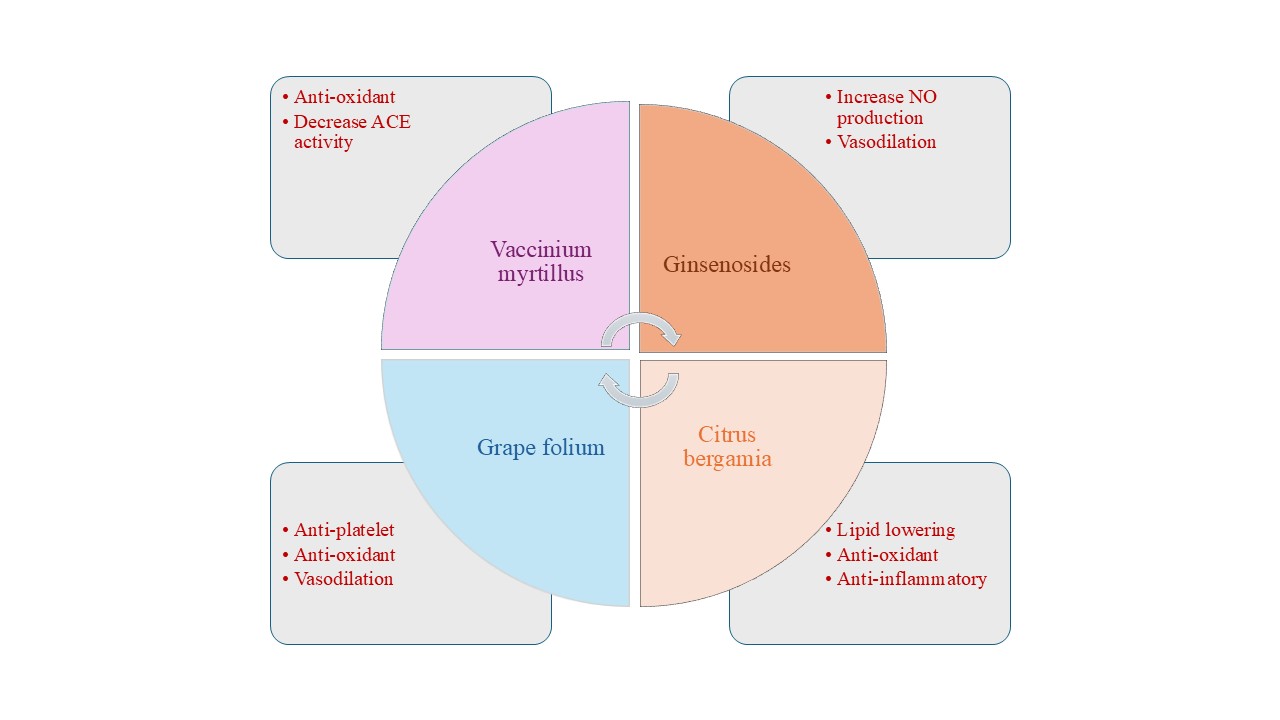
Bergamot (Citrus bergamia Risso) has antioxidative, anti-inflammatory, and lipid-lowering properties due to its flavonoids and polyphenols, which decrease the HMG-CoA reductase, ACAT, and AMPK functioning, LDL-C oxidation, as well as dietary cholesterol uptake and increase the bile acid excretion. Grape folium contains resveratrol, which has anti-inflammatory, antiplatelet, vasodilator, and antioxidant properties. It inhibits COX-1. It also increases and triggers autophagy, and it stimulates the AMPK signaling pathway. Strong anti-inflammatory and antioxidant properties of anthocyanins present in Vaccinium myrtillus decrease the NF-κB activation and ACE activity (Fig. 1). Ginsenosides cause vasodilation by increasing NO and cGMP levels. The anti-inflammatory, antioxidant, and antiplatelet activities of ginsenosides increased COX-2, TNF-α, and NF-κB (Villaescusa et al., 2023).
Pathophysiological Mechanisms and Therapeutic Targets
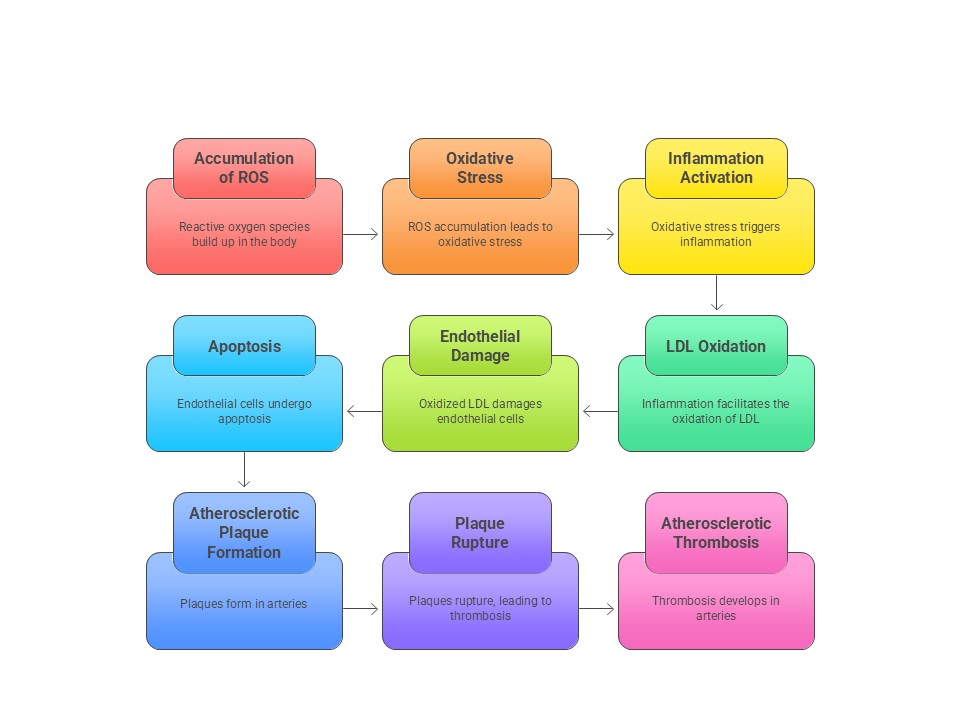
The pathogenesis of CVDs has been a well-studied subject matter in the past. Research resting on other molecular processes, of which close to the development of CVDs, is Oxidative Stress (OS). ROS in the body can be accumulated cause OS and activate inflammation, which facilitates the oxidation of LDL (Fig. 2), damages the endothelial performance or apoptosis, the formation and rupture of atherosclerotic plaques, and the development of atherosclerotic thrombosis, which is the chain of pathophysiological mechanisms of CVDs (Frak et al., 2022).
In the past couple of years, when the clinical evidence has been accruing and the pharmacological mechanism has still been being investigated. Traditional Chinese medicines, studies on the use of traditional Chinese medicines in the prevention and treatment of CVDs have been provided. extensive attention. The use of herbal remedies in complementary and alternative therapies for both the primary and secondary prevention of CVDs is becoming more and more supported by data, which also opens up new avenues for the creation of cardiovascular therapeutic medications. As research on herbal medicine and its active components offers therapeutic benefits for the prevention and management of CVDs continues to advance, more focus is being placed on understanding how these benefits work (Jiang et al., 2022).
Plant extracts have numerous overlapping pharmacological actions (e.g., hypotensive, antiplatelet and anti-inflammatory), which render them useful in predicting cardiac protection. Aqueous extracts of Punica granatus L. and Oxalis corniculata, as well as alcoholic extracts of Calotropis procera and Andrographis paniculata, scavenge free radicals and ROS, decreasing lipid peroxidation and cardiac cellular damage. Plant extract antioxidant activities are linked to secondary metabolites, which are obtained directly from the plant without major processing or purification and contain active chemicals such as flavonoids, glycosides, and many others (Wang et al., 2022). Polyphenols contain catechin, which is plentiful in green tea, is well-known for its antioxidant properties. It can boost metabolic performance. This also helped to boost the immune system. Apples, onions, and berries contain quercetin, a flavonoid. It is well-known for its proinflammatory properties. It also has important implications for antihistamine effects. Berberine-containing alkaloids are derived from berry plants. It responds to antimicrobials and anti-diabetics. (Xiao and Bai, 2019).
Phytochemicals promote heart health by neutralizing ROS, decreasing plaque development, and regulating cholesterol levels. They also inhibit platelet aggregation, increase vasodilation, defend endothelial cells, and reduce cell death during ischemia. Flavonoids, polyphenols, and saponins work through these multi-targeted processes to aid in the prevention and treatment of heart disease. Phytochemicals help to minimize oxidative stress. They protect the blood arteries and inhibit LDL oxidation. Medicinal plants contribute to the prevention of cardiovascular disease by modulating inflammatory pathways. Medicinal plants and their bioactive ingredients serve to reduce LDL cholesterol levels, increase HDL, control lipid metabolism, and prevent CVD illnesses (Kumar et al., 2021).
KEY MEDICINAL PLANTS IN CARDIAC THERAPY
Terminalia arjuna
Terminalia arjuna significantly stimulates frog and rat hearts. The bark contains a glycoside, which acts as a cardiotonic. Glycoside also increased blood pressure. An alcoholic extraction of bark improves frog cardiac contraction. Later experiments indicated that an alcoholic extract from Terminalia arjuna improves auricular as well as ventricular contraction within rabbits. Injecting aqueous bark extract (1024 µg/ml) into rabbits led to an increase in coronary flow (Jaiswal et al., 2021). The study examined the impact of Terminalia plant species on the circulatory system in isolated frog and rat atria, as well as isolated perfused frog and rabbit hearts. The methanolic extract of Terminalia arjuna stem bark contains significant levels of DPPH (2, 2- diphenyl-1-pericrylhydrazyl) free radicals, ascorbic acid, and ferric reducing power, making it an effective antioxidant and free radical scavenger (Desai et al., 2021).
Allium sativum
Garlic (Allium sativum L.) has been widely utilized to improve 'cardiovascular health'. Studies assess the available evidence on both the effectiveness and the safety of garlic in the treatment of hypertension and dyslipidemia. Garlic's organosulfur components, including allicin and s-allyl cysteine, are regarded as the primary bioactive chemicals responsible for blood pressure and dyslipidemia control. The herb is thought to lower blood pressure and reactive oxygen species by inhibiting transcription factor NF-κB along with angiotensin converting enzyme, as well as increasing the production of vasodilatory substances, such as hydrogen sulphide or nitric oxide. Other organosulfur drugs, such as ajoene and allicin, have been demonstrated to limit cholesterol production by blocking 3-hydroxy-3-methyl-glutaryl coenzyme A reductase (Chan et al., 2020).
Crataegus spp.
Hawthorn leaves have been used to treat coronary heart disease (CHD) in China for many years. The most active chemicals found in hawthorn leaves were quercetin, isorhamnetin, and kaempferol. Hawthorn extract is widely used to treat heart failure it may reduce cardiac cell harm while improving cardiac function. One potential mechanism of hawthorn activity is vasodilation. The hawthorn extract could enhance coronary blood flow within isolated perforated rat hearts. Coronary flow was evaluated in inactive perforated hearts of rats with a flow sensor. Hawthorn extract caused an initial (30-120 seconds) vasodilation, which was followed by a subsequent (3-5 minutes) lowering of coronary flow. Maximum vasodilation was achieved by 240 μg/mL hawthorn extracts (Ding et al., 2022). Hawthorns are widely utilized in an integrated way to treat circulatory diseases and congestive heart failure to cure the body itself.
Curcuma longa
Curcuma longa, often known as turmeric, is a prominent Ayurvedic plant used to treat a variety of inflammatory conditions. Curcumin possesses antioxidant and anti-inflammatory properties and has an effect on endothelial function as well as lipid metabolism. Curcumin targets a wide range of molecules, including gene transcription and its associated receptors, cytokines, and enzymes, as well as proteins that govern cell proliferation and death. Experimental investigations suggest that curcumin has a favorable effect on myocardial injury from ischemia-reperfusion and helps to reduce cardiomyocyte hypertrophy, myocardial fibrosis, and ventricular remodeling (Bilovol et al., 2025).
Panax ginseng
Panax ginseng is commonly used to treat heart failure, potential cardiovascular illnesses, hypertension, and hypercholesterolemia. Ginseng supplementation greatly enhances the levels of antioxidant enzymes like lipid peroxidase and glutathione peroxidase via the Nrf2 regulation mechanism. Heart ischemia raises free oxygen production, which is caused by cardiac damage; however, ginseng treatment enhances myocardial coronary blood flow, lowering free oxygen production and decreasing myocardial damage. Ginseng reduces the generation of free radicals through rising nitrogen oxide levels. Ginsenoside-Rb1 treatment inhibited the generation of free oxygen species, which prevented homocysteine-induced vascular endothelial damage. Another study found that ginsenoside-Re inhibited the generation of free oxygen radicals while protecting cardiac cells from oxidative damage (Hyun et al., 2022).
Tea is widely recognized as a healthy beverage that is healthy and numerous studies have shown that drinking tea daily can lower the incidence of CVDs. This could be due to the numerous ingredients in tea, and tea polyphenols have been shown to lower blood lipids, promote antioxidation, and inhibit thrombosis. Many studies have described the involvement of tea polyphenols in both the prevention or management of CVDs (Khan et al., 2021). TPs may protect against myocardial injury by inhibiting the oxidative stress related to ischemic injury. TPs have been widely established to ameliorate aberrant lipid metabolism by regulating gut bacteria species and functions (Guo et al., 2023).
Nigella sativa
Thymoquinone (TQ) is one of the active components of N. sativa. The cardiovascular diseases (CVDs) are treatable, as it is well-known. TQ and N. sativa are combined to provide defense against numerous metabolic and heart diseases. This is mostly due to its high flavonoid and antioxidant content. TQ could be a useful substance that would assist in rectifying the metabolic anomalies of the body. Numerous trials have reported that TQ was effective in reducing CVD by reducing the activity of HMG-CoA reductase and thereby reducing the overall cholesterol levels. Research indicates that TQ reduces the heart rate and mean arterial blood pressure of hypertensive rats. Oxidation of other biomolecules and complements causes the vascular changes in the heart and damage to vessels. Other research has indicated that TQ enhances and improves the health of the heart. N. Sativa also contains various aromatic compounds like TQ, dihydrothymoquinone, thymol, carvacrol and other alkaloids. It is an effective substance in the treatment of CVD because of the antioxidant effects of its different components (Majdalawieh et al., 2021).
Ginkgo biloba
Ginkgo biloba and its active extracts can treat MI through a variety of mechanisms. Concentrating on the major signaling pathways, prior research demonstrated that in rat models of MI, as the duration of Ginkgo biloba extract intervention increased, its capacity to decrease malondialdehyde content and raise the activity of antioxidant enzymes, such as SOD, CAT, and GSH, progressively increased. It may also enhance the longevity and proliferation of transplanted mesenchymal stem cells, lower inflammation and OS in the infarcted myocardium's microenvironment, and show protective action on the rats with MI (Zheng et al., 2021).
Withania somnifera
In experimental rats with high cholesterol-induced atherosclerosis, withaferin A, a bioactive molecule found in ashwagandha, controlled oxidative damage by controlling inflammatory mediators and apoptosis via the phosphatidylinositol 3-kinase/protein kinase B (PI3K/AKT) signaling pathway. Withaferin A slows the development of atherosclerosis along with various lipid-related conditions by lowering inflammation and oxidative stress (Zhang et al., 2022). Patients with myocardial infarction, a potentially fatal sign of cardiovascular illness, may benefit from using W. somnifera. It turns out that ashwagandha has a cardioprotective effect on rats that have myocardial infarction (MI) caused by isoprenaline, a synthetic, cardiotoxic catecholamine (Wicinski et al., 2024).
PRECLINICAL AND CLINICAL EVIDENCE
A variety of cardiovascular diseases, such as coronary heart disease (CHD), myocardial infarction, atherosclerosis, as well as angina pectoris, have been treated with Salvia miltiorrhiza, also known as red sage, an annual sage that has long been utilized in Chinese medicine. The dried root in the plant stem, known as Danshen is the primary source of the active chemicals. S. miltiorrhiza extracts possess significant antioxidant capacities with a powerful capacity to scavenge free radicals, becoming the cornerstone of its significant cardio- and vascular-protective activity (Ren et al., 2019).
The experimental group consisted of eighty-eight individuals who received G. lucidum polysaccharide for a duration of twelve weeks. The polysaccharides considerably improved the patient's well-being by reducing their blood pressure and serum cholesterol concentrations and improving their main symptoms, which included palpitations, shortness of breath, and chest pain. According to a different study, polysaccharides from G. lucidum protected the vascular EC and exhibited anti-inflammatory effects in patients with non-ST-elevation myocardial infarction and ST-elevation myocardial infarction who had dyslipidemia risk factors (Sargowo et al., 2019).
Pretreatment with gypenosides decreased oxidative stress and repaired the myocardium's antioxidant system. The maintenance of the function of mitochondria in myocytes was another indication of the cardio-protective effects. In this sense, the release of cytochrome c from the mitochondria into the cytoplasm was prevented by maintaining the integrity of the mitochondrial membrane. The function of Gynostemma pentaphyllum by gypenosides as a cytoprotective medicine against reperfusion injury and acute myocardial infarction. Studies highlighted the documented anti-inflammatory and antioxidant properties of gypenosides by showing their positive effects in a rat model of ischemia-reperfusion injury, where they were found to suppress apoptosis. In CHD, ischemia-reperfusion damage has negative consequences. Gypenoside treatment reduced apoptotic rates and enhanced heart function in rats with ischemia-reperfusion injury (Yu et al., 2016).
In a different investigation, platelet aggregation was examined after 44 patients with CVDs and 56 healthy people received 1 mg/kg of G. pentaphyllum water extract. It was discovered that the water extract significantly reduced platelet aggregation. This suggests that this supplement may be used to prevent cardiovascular and cerebrovascular diseases, it should be used with caution when administering it to people who have bleeding disorders or low platelet counts (Upadhyay et al., 2024).
One of the main risk factors of cardiovascular illnesses is high blood pressure. In the majority of developed and emerging nations, it has grown to be a significant public health concern. To replicate the hypertensive reactions seen in people, multiple models for experimental hypertension have been created. In addition to helping researchers better understand the causes, symptoms, and course of hypertension, these models are useful in the pharmacological assessment of possible antihypertensive medications. Since human hypertension can be mimicked in animal models, many of these models have been created using etiological factors that have been thought to contribute to human hypertension, such as genetic predisposition, excessive salt intake, and hyperactivity of the renin-angiotensin-aldosterone system (RAAS). Dogs were mostly used as models to research hypertension in the past. The rat is currently the most used animal model. In addition to rats, mice, primates, and pigs are occasionally employed as models for experimental hypertension (Jama et al., 2022).
The processes underlying the formation and reversal of atherosclerotic lesions have been studied using a variety of animal models. There are proven animal models for atherosclerosis and thrombosis, including rats, rabbits and pigs. Although to a lesser degree, nonhuman primates, hamsters, mice, cats, and guinea pigs have also been employed. Due to innate genetic variations, some animals, including hamsters, rats, and mice, react similarly to a particular high-fat diet, elevating plasma low-density lipoprotein (LDL) and causing atherogenesis. One such animal is the one percent or two percent cholesterol diet (Zhang et al., 2021).
Before the substances or medications are used in people, preclinical toxicity tests, pharmacodynamics, and pharmacokinetics profiles may be examined on animals. This is crucial since a drug's efficacy as a possible treatment must be tested on animals before being tested on humans. Finding disease interventions is necessary in order to eventually create novel medications that benefit people and other animals. To safeguard humans, animals, and the environment, drug safety profiles must be established. It is necessary to test a drug's harmful and damaging effects on the entire body. This can also guarantee that the dosage used in clinical trials doesn't result in death in later research. Information about whether animal experiments are being conducted and published correctly can be found in systematic reviews. Nevertheless, not all questions about the relevance and applicability of animal research to people can be answered by systematic reviews (Umar and Haque, 2022).
HERBAL FORMULATIONS AND POLYHERBAL COMBINATIONS
More than 60–70% of contemporary medications on the global market are developed using herbs, in either a direct or indirect manner. Since ancient times, herbal remedies have been used to treat conditions like cerebral insufficiency, venous insufficiency, angina, atherosclerosis, congestive heart failure, and systolic hypertension. Ayurvedic medications are thought to be safer than allopathic ones, there have been reports of negative side effects from herbal medications as well. Side effects, such as an increased risk of cardiovascular events, might result from long-term use or overdosing on herbal drugs. Comprehensive reporting of side effects that may be brought about via herbal and traditional remedies is necessary for the methodical and sensible administration of medications (Ray and Saini, 2021).
Three herbs, Citrus medica L., Crataegus monogyna, and Elettaria cardamom, have therapeutic qualities and can be used to treat four different types of cardiac disease. Brain citron, or Citrus medica L. "Otroj," belongs to the Rutaceae family. Its strong antioxidant as well as radical scavenging properties provide evidence for its cardioprotective potential. Both the leaves and flowers of Crataegus monogyna, or the fruit, are used medicinally and are high in polyphenols. Along with gradually dissolving the body's fat and cholesterol deposits, it also aids in controlling blood pressure, both high and low (Cloud et al., 2020). It boosts the heart muscle's blood and oxygen flow and speeds up the liver's conversion of LDL cholesterol into HDL cholesterol. It contributes to reducing blood vessel inflammation and enlargement. Research has demonstrated that in individuals with stage 1 hypertension, Elettaria cardamom significantly reduces blood pressure, promotes fibrinolysis, and improves antioxidant status without influencing blood lipids and fibrinogen levels (Kanthlal et al., 2020).
Since ancient times, Hindu Ayurvedic medicine has used the leaves and roots of Rauwolfia serpentina, also known as snakeroot, which is the natural source for the alkaloid reserpine. Traditional Chinese medicine occasionally uses the herb Stephania tetrandra to treat hypertension. In traditional Chinese medicine, Lingusticum wallichii root is used as a sedative, hypotensive medication, and circulatory stimulant. Traditional Chinese medicine occasionally uses Uncaria rhynchophylla to treat hypertension. Ayurvedic medicine has traditionally utilized the resin that is part of Commiphora wightii and Commiphora mukul (gugulipid), a tiny, prickly tree indigenous to India, to treat lipid issues (Alum, 2025).
The bark of Terminalia arjuna, the roots of Withania somnifera, the stem of Nardostachys jatamansi, the root of Boerhaavia diffusa, and the entire plant from Convolvulus pluricaulis are all included in the polyherbal formulation. Verapamil was used as a standard reference medication in the evaluation of the polyherbal formulation (90 mg/kg, p.o.) in the CdCl2-induced hypertensive rat model. When compared to verapamil, the polyherbal formulation dramatically decreased both the systolic and diastolic blood pressure in the CdCl2-induced hypertension model of rats (Sharma and Rath, 2021).
SAFETY, TOXICOLOGICAL AND REGULATORY CONSIDERATIONS
The complex mixing of several active phytoconstituents found in herbal medications and nutritional supplements raises the risk of herb-drug interaction. Benzyl glucosinolate is found in Moringa oleifera roots, seeds, and leaves; the most abundant phytoconstituent is quercetin. Additionally, they contain β-sitosterol, which lowers cholesterol. The ethanolic extract of Moringa oleifera has been demonstrated to selectively inhibit CYP1A2, and it has demonstrated the ability to inhibit CYP3A4 and CYP2D6 enzymes. It has also been shown to change pioglitazone's pharmacokinetics in rats (Shaikh et al., 2020).
The paucity of data regarding the economic and social advantages of the industrial use of medicinal plants is a significant disadvantage (Singh et al., 2023). Challenges with the application of normal pharmacovigilance methodologies WHO guidelines include the regulation, use, nomenclature, and perception of herbal medications. Patients frequently take both allopathic and ayurvedic medications at the same time, and dose-related side effects are rarely tracked down and documented. There are drawbacks to using traditional pharmacovigilance methods to assess the safety of herbal medications, like prescription-event monitoring and computerized health record databases. Despite the fact that most herbs have an impact on biological pathways, herbal treatments do not need to be proven safe and effective, and there is a dearth of clinical evidence on them. The sample size of clinical trials on herbal drugs is small, and little is known about how they affect pertinent clinical outcomes. Because it has not been tested on children or pregnant women, there is a higher chance of adverse consequences. There is a chance of drug interactions and occasionally, there is even interference from various traditional treatments. There have also been reports of replacement using different plant species (Sanghvi et al., 2023).
Herbal remedies are generally seen to be safe because they come from natural sources, there have been reports of negative side effects. For instance, one of the side effects of the natural medication ginkgo biloba is bleeding. Likewise, the side effects of the herbal medication St. John's wort include gastrointestinal issues, allergic responses, exhaustion, lightheadedness, disorientation, dry mouth, and photosensitivity. It is crucial to have a sufficient and enhanced understanding of herbal medications. Additionally, there should be open communication between the patient and the doctor regarding potential advantages and potential drawbacks. Therefore, the creation of standardized herbal products is a prerequisite for the development of herbal drugs. The goal of the current study was to evaluate the relative significance of herbs that may be used medicinally to control heart disease and treat related conditions. This could improve drug discovery methods for its development and promotion, i.e., to produce safety data either before to or following the formulation's commercialization (Wal et al., 2024).
Quality assurance and control measures, like national quality standards and specifications for herbal goods, GMP for herbal medications, labelling, manufacturing licenses, imports, and merchandise, should be implemented in every nation that governs herbal medicines. The U.S. FDA and WHO are attempting to include these natural medications in the regulatory pipeline through the NDA approval process. Additionally, the introduction of new technology such as effective medication discovery. The process of developing a new therapeutic agent heavily depends on innovative methods and incorporates the idea of ADMET (absorption, distribution, metabolism, elimination, and toxicity) within the early phases of drug discovery, in addition to the profiles of herb-herb interactions and synthetic herbs (Hossain et al., 2022).
EMERGING TRENDS AND FUTURE DIRECTIONS
Resveratrol-loaded nano capsules were evaluated in mice with metabolic syndrome brought on by a fat diet. There have also been reports of resveratrol nano capsule synthesis with the biodegradable polymer polycaprolactone. Mice using resveratrol nano capsules had significantly lower both diastolic and systolic blood pressure. Polymeric micellar co-delivery of curcumin and resveratrol can both function as chemosensitizers and antioxidants; they reduce doxorubicin-induced cardiotoxicity (Ghaeini Hesarooeyeh et al., 2024).
By directly acting as the scavenger as well as breakdown agent of endogenously formed peroxynitrite ions, quercetin-loaded phosphatidylcholine liposomes (PCLs) are protective against myocardial injuries caused by peroxynitrite. As a result, they may be able to restore normal myocardial contractility in both isolated tissues and anaesthetized animals (Dewi et al., 2022).
According to a molecular docking study, the antithrombotic component of aqueous extract of Rabdosia rubescens leaves (AERL), rosmarinic acid, was in charge of P-selectin expression downregulation. 25 mg/kg was the lowest oral dose of AERL that prevented thrombosis. When it came to preventing platelet aggregation caused by thrombin, AERL was twice as effective as when it came to preventing platelet aggregation caused by arachidonic acid, adenosine diphosphate, and platelet-activating factor, respectively. Additionally, it was noted that 0.5 mg/mL of AERL forming nanoparticles in rat plasma that range in diameter from 53 to 159 nm (Ruan et al., 2022).
Bioinformatic tools have been used on thousands of participants from the Framingham Heart Study, as well as randomized controlled trials and health care-related biobanks like the UK Biobank and the Million Veteran Program. These studies helped create polygenic risk scores (PRS), which are new and powerful genetically-based tools that can predict a person's reaction to treatments like statins or proprotein convertase subtilisin/kexin type 9 inhibitors as well as determine their personal risk of ASCVD. The objective of personalized medication is to link clinically meaningful indices to diverse molecular data, namely transcriptomics, proteomics, metabolomics, and epigenomics, using modern bioinformatic platforms. The Atherosclerosis Risk in Communities (ARIC) Study identified a number of plasma proteins that may or may not be involved in lipid metabolism and could influence the multiple effects of statins on individual subjects. Incorporating bioinformatic approaches and molecular high-throughput research into conventional heart disease prediction scores is becoming a more accurate way to stratify patients early in life and to support timely and customized risk reduction measures. Notably, radio-genomics seeks to integrate genetic biomarkers and imaging features, such as those obtained from coronary computed tomography angiography, to develop CHD diagnostic algorithms that are helpful in identifying atherosclerotic lesions and myocardial anomalies (Benincasa et al., 2023).
Further study is required to validate the safety and efficacy of certain herbs, despite their potential in curing cardiovascular disease (CVD). This is crucial for figuring out the right dosage and seeing any potential conflicts with prescription drugs. It's critical to standardize herbal medications to guarantee both quality and quantity. This clarifies how various herbal substances differ based on elements like development and performance. Customers are guaranteed to receive goods with comparable amounts of active substances by design. There is potential for a more thorough approach to CVD care by combining natural remedies with conventional medicine (Li et al., 2024).
CONCLUSION
Natural and herbal remedies have demonstrated promise in treating CVDs, which are becoming a greater issue. Because of their anti-inflammatory and antioxidant qualities, herbal extracts are perfect for treating CVD. Drug delivery methods based on nanocarriers have been utilized to regulate drug release, prevent degradation, increase bioavailability, and extend the duration of drug residence. When natural or herbal-based drugs are encapsulated in NPs, their anti-inflammatory and antioxidant properties are strengthened, their bioavailability is increased, and their effectiveness is improved. For the treatment of CVDs, novel targeted nano-phytomedicines are suggested as beneficial substitutes. Clinical studies are necessary even though a number of natural-based nano-formulations have undergone in vitro and in vivo testing. To prove the long-term effectiveness and safety of herbs, however, more thorough, extensive clinical investigations are required. Standardizing dosages and taking into account possible herb-drug interactions are essential for dependable therapeutic results. It is necessary to evaluate the safety profiles of nano-phytomedicines for treating cardiac disorders.
References
- Alum, 2025. Role of phytochemicals in cardiovascular disease management: Insights into mechanisms, efficacy, and clinical application. Phytomedicine Plus 5:100695.
- Benincasa G, R Suades, T Padro et al., 2023. Bioinformatic platforms for clinical stratification of natural history of atherosclerotic cardiovascular diseases. European Heart Journal-Cardiovascular Pharmacotherapy 9:758-69.
- Benjamin EJ, P Muntner, A Alonso et al., 2019. American Heart Association Council on Epidemiology and Prevention Statistics Committee and Stroke Statistics Subcommittee. (2019). Heart disease and stroke statistics 2019 update: a report from the American Heart Association. Circulation 139:56528.
- Bilovol OM, II Kniazkova, VK Mishchenko et al., 2025. Cardioprotective effects of Curcuma longa L. World of Medicine and Biology 21:220-29.
- Chan WJJ, AJ McLachlan, EJ Luca et al., 2020. Garlic (Allium sativum L.) in the management of hypertension and dyslipidemia–A systematic review. Journal of Herbal Medicine 19:100292.
- Cloud A, D Vilcins and B McEwen, 2020. The effect of hawthorn (Crataegus spp.) on blood pressure: a systematic review. Advances in Integrative Medicine7:167-75.
- Desai SD, SR Pai and NS Desai, 2021. A Review on Terminalia arjuna (Roxb.) Wight and Arn.: the wonder medicinal plant with prodigious potential in therapeutics. Ann Phytomed 10:62-73.
- Dewi MK, AY Chaerunisaa, M Muhaimin et al., 2022. Improved activity of herbal medicines through nanotechnology. Nanomaterials 12:4073.
- Ding J, J Wu, H Wei et al., 2022. Exploring the mechanism of hawthorn leaves against coronary heart disease using network pharmacology and molecular docking. Frontiers in Cardiovascular Medicine 9:804801.
- Fan X, M Zhu, C Chi et al., 2017. Association of arteriosclerosis and/or atherosclerosis with hypertensive target organ damage in the community-dwelling elderly Chinese: the Northern Shanghai Study. Clinical Interventions in Aging 2:929-36.
- Frąk W, A Wojtasińska, W Lisińska et al., 2022. Pathophysiology of cardiovascular diseases: new insights into molecular mechanisms of atherosclerosis, arterial hypertension, and coronary artery disease. Biomedicines 10:1938.
- Ghaeini Hesarooeyeh Z, A Basham, M Sheybani‐Arani et al., 2024. Effect of resveratrol and curcumin and the potential synergism on hypertension: A mini‐review of human and animal model studies. Phytotherapy Research 38:42-58.
- Guo J, K Li, Y Lin et al., 2023. Protective effects and molecular mechanisms of tea polyphenols on cardiovascular diseases. Frontiers in Nutrition 10:1202378.
- Hossain CM, MEETA Gera and KA Ali, 2022. Current status and challenges of herbal drug development and regulatory aspect: a global perspective. Asian Journal of Pharmaceutical and Clinical Research 15:31-41.
- Hyun SH, KD Bhilare, G In et al., 2022. Effects of Panax ginseng and ginsenosides on oxidative stress and cardiovascular diseases: pharmacological and therapeutic roles. Journal of Ginseng Research 46:33-38.
- Jaiswal KULESHWAR, TRIPTI Thakur, NIKHIL Mishra et al., 2021. Pharmacological approach of Terminalia arjuna: A review. Plant Cell Biotechnology and Molecular Biology 1:1-15.
- Jama HA, RR Muralitharan, C Xu et al., 2022. Rodent models of hypertension. British Journal of Pharmacology 179:918-37.
- Jiang Y, Q Zhao, L Li et al., 2022. Effect of traditional Chinese medicine on the cardiovascular diseases. Frontiers in Pharmacology 13:806300.
- Kanthlal SK, J Joseph, B Paul et al., 2020. Antioxidant and vasorelaxant effects of aqueous extract of large cardamom in L-NAME induced hypertensive rats. Clinical and Experimental Hypertension 42:581-89.
- Khan J, PK Deb, S Priya et al., 2021. Dietary flavonoids: Cardioprotective potential with antioxidant effects and their pharmacokinetic, toxicological and therapeutic concerns. Molecules 26:4021.
- Kumar G, SK Dey and S Kundu, 2021. Herbs and their bioactive ingredients in cardio-protection: Underlying molecular mechanisms and evidences from clinical studies. Phytomedicine 92:153753
- Li X, T Yu, Q Jiang et al., 2024. The efficacy of traditional Chinese herbal medicine across multiple cardiovascular diseases: an umbrella review of systematic reviews of randomized controlled trials. Journal of Cardiovascular Pharmacology 83:340-52.
- Maguire EM, SW Pearce and Q Xiao, 2019. Foam cell formation: A new target for fighting atherosclerosis and cardiovascular disease. Vascular Pharmacology 112:54-71.
- Majdalawieh A, SM Yousef and IA Abu-Yousef, 2021. Thymoquinone, a major constituent in Nigella sativa seeds, is a potential preventative and treatment option for atherosclerosis. European Journal of Pharmacology 909:174420.
- Martinet W, I Coornaert, P Puylaert et al., 2019. Macrophage death as a pharmacological target in atherosclerosis. Frontiers in Pharmacology 10:306.
- Medina-Leyte DJ, O Zepeda-García, M Domínguez-Pérez et al., 2021. Endothelial dysfunction, inflammation and coronary artery disease: potential biomarkers and promising therapeutical approaches. International Journal of Molecular Sciences 22:3850.
- Mehra MR, SS Desai, S Kuy et al., 2020. Cardiovascular disease, drug therapy, and mortality in Covid-19. New England Journal of Medicine 382:102.
- Mitchell GF and JT Powell, 2020. Arteriosclerosis: a primer for “in focus” reviews on arterial stiffness. Arteriosclerosis, Thrombosis, and Vascular Biology 40:1025-27.
- Pirillo A, M Casula, E Olmastroni et al., 2021. Global epidemiology of dyslipidemias. Nature Reviews Cardiology 18:689-700.
- Qi M, H Shao, N Shi et al., 2023. Arrhythmia classification detection based on multiple electrocardiograms databases. Plos one 18:0290995.
- Ray S and MK Saini, 2021. Cure and prevention of cardiovascular diseases: herbs for heart. Clinical Phytoscience 7:64.
- Reese Jessica A, J Mary, F Roman et al., 2022. Subclinical atherosclerosis in adolescents and young adults and the risk of cardiovascular disease: The Strong Heart Family Study (SHFS). Nutrition, Metabolism and Cardiovascular Diseases 32:1863-71.
- Ren J, L Fu, SH Nile et al., 2019. Salvia miltiorrhiza in treating cardiovascular diseases: a review on its pharmacological and clinical applications. Frontiers in Pharmacology 10:753.
- Ridker PM, BM Everett, T Thuren et al., 2017. Antiinflammatory therapy with canakinumab for atherosclerotic disease. New England Journal of Medicine 377:1119-31.
- Ruan Y, Y Ding, X Li et al., 2022. Saccharides from Arctium lappa L. root reduce platelet activation and thrombus formation in a laser injury thrombosis mouse model. Experimental and Therapeutic Medicine 23:344.
- Sanghvi K, CK Subraya, V Pai et al., 2023.Pharmacovigilance in herbal drugs: a challenge. Current Drug Safety 18:138-42.
- Sargowo D, FN Rahmah, FW Nugroho et al., 2019. The role of PSP (policakarida peptida) as anti-inflammation therapy and vascular endotel cell protectors in dislipidemic patients with or without diabetes through IL1, TNF-α, Cr Cr, EPC, CEC in STEMI and NSTEMI patients. Conference Proceedings 210:020044.
- Shaikh AS, AB Thomas and SS Chitlange, 2020. Herb–drug interaction studies of herbs used in treatment of cardiovascular disorders—A narrative review of preclinical and clinical studies. Phytotherapy Research 34:1008-26.
- Shaito A, DTB Thuan, HT Phu et al., 2020. Herbal medicine for cardiovascular diseases: efficacy, mechanisms, and safety. Frontiers in Pharmacology 11:422.
- Shao C, J Wang, J Tian et al., 2020. Coronary artery disease: from mechanism to clinical practice. Coronary Artery Disease: Therapeutics and Drug Discovery 26:1-36.
- Sharma G and SK Rath, 2021. Evaluation of Polyherbal Formulation for Antihypertensive Activity in Albino Rats. Journal of Ayurveda 15:155-62.
- Singh S, I Pamnani, S Rang et al., 2023. Pharmacovigilance initiative for Ayush drugs in India. International Journal of Ayurveda Research 4:102-06.
- Umar BU and M Haque, 2022. Changing Perspectives: Should We Integrate Pharmacology in the Clinical Phase?. Bangladesh Journal of Medical Science 21:249-61.
- Upadhyay J, AV Sonaji, KS Trimbak et al., 2024. Role of Herbal Active Compound in Cardiac Failure Treatment. Journal for Research in Applied Sciences and Biotechnology 3:83-102.
- Villaescusa L, C Zaragozá, F Zaragozá et al., 2023. Herbal medicines for the treatment of cardiovascular diseases: Benefits and risks–A narrative review. International Journal of Cardiology 385:44-52.
- Vos T, SS Lim, C Abbafati et al., 2020. Global burden of 369 diseases and injuries in 204 countries and territories, 1990–2019: a systematic analysis for the Global Burden of Disease Study 2019. The Lancet 396:1204-22.
- Wal A, N Verma, SK Balakrishnan et al., 2024. A systematic review of herbal interventions for the management of cardiovascular diseases. Current Cardiology Reviews 20:31-42.
- Wang Z, Q Li, Y Hao et al., 2022. Protective effect of 5-heptadecylresorcinol against obesity-associated skeletal muscle dysfunction by modulating mitochondrial biogenesis via the activation of SIRT3/PGC-1α signaling pathway. Journal of Functional Foods 95:105178.
- Ward JL, PS Azzopardi, KL Francis et al., 2021. Global, regional, and national mortality among young people aged 10–24 years, 1950–2019: a systematic analysis for the Global Burden of Disease Study 2019. The Lancet 398:1593-1618.
- Wicinski M, A Fajkiel-Madajczyk, Z Kurant et al., 2024. Ashwagandha’s Multifaceted Effects on Human Health: Impact on Vascular Endothelium, Inflammation, Lipid Metabolism, and Cardiovascular Outcomes—A Review. Nutrients 16:2481.
- Xiao J and W Bai, 2019. Bioactive phytochemicals. Critical Reviews in Food Science and Nutrition 59:827-29.
- Yu H, Q Guan, L Guo et al., 2016. Gypenosides alleviate myocardial ischemia-reperfusion injury via attenuation of oxidative stress and preservation of mitochondrial function in rat heart. Cell Stress and Chaperones 21:429-37.
- Zhang L, Y Shi, M Yan et al., 2022. Modulatory action of withaferin‐A on oxidative damage through regulation of inflammatory mediators and apoptosis via PI3K/AKT signaling pathway in high cholesterol‐induced atherosclerosis in experimental rats. Journal of Biochemical and Molecular Toxicology 36:23154.
- Zhang Y, M Fatima, S Hou et al., 2021. Research methods for animal models of atherosclerosis. Molecular Medicine Reports 24:871.
- Zheng X, Q Gao, S Liang et al., 2021. Cardioprotective properties of ginkgo biloba extract 80 via the activation of AKT/GSK3β/β-Catenin signaling pathway. Frontiers in Molecular Biosciences 8:771208.