INTRODUCTION
Dermatological disorders comprise a broad spectrum of acute and chronic diseases varying greatly in terms of underlying cause, clinical presentation and severity and affect the skin, hair, nails, and mucous membranes. Globally, skin diseases are among the most common non-fatal conditions and represent a significant cause of disability-adjusted life years (DALYs) and healthcare utilization (Prasitpuriprecha et al., 2022). Conditions such as psoriasis and skin cancers (both melanoma and non‑melanoma types) are increasing in incidence in many regions, driven by aging populations, environmental exposures, and changing lifestyle factors, including UV exposure and immunomodulatory treatments. The large societal and economic burden in terms of chronic care needs, reduced quality of life, psychosocial impacts, and treatment costs motivates research into complementary and adjunctive therapies that may be safer, more accessible, or more cost‑effective in certain settings (Romero-García et al., 2024). This ever-growing interest has led to the investigation of herbal products and their phytochemicals as potential therapeutic moieties, particularly in conditions where existing treatments exhibit limited efficacy or result in adverse effects. These alternatives may provide novel modes of action with improved patient compliance, making them beneficial adjuvants for integrative dermatological therapy.
PATHOPHYSIOLOGY AND CURRENT TREATMENT LIMITATIONS
Psoriasis is a chronic immune‑mediated inflammatory disorder characterized by hyperproliferation of keratinocytes, dysregulated innate and adaptive immunity (notably the IL‑23/Th17 axis), and persistent inflammation (Prema and Shanmugamprema, 2025). Skin cancers arise from accumulated DNA damage (often UV‑induced), oxidative stress, and dysregulated cell‑cycle and apoptotic machinery; progression involves invasion, angiogenesis, and immune evasion. Current treatments for psoriasis range from topical corticosteroids and vitamin D analogues for mild disease, to systemic agents and biologics such as TNF‑α, IL‑17, and IL‑23 inhibitors for moderate‑to‑severe disease. Skin cancers are managed surgically, with adjuvant radiotherapy, topical chemotherapeutics, and systemic agents for advanced disease. Limitations of current therapies include side effects such as immunosuppression and metabolic effects, high cost, particularly that of biologics, incomplete response in many patients, risk of recurrence, and limited preventive strategies (Lee and Kim, 2023). This creates a natural tendency towards plant‑derived adjuvants and preventive phytochemicals and the utilization of their phytochemicals for present-day therapy.
RATIONALE FOR EXPLORING MEDICINAL PLANTS AS AN ALTERNATIVE
Medicinal plants contain diverse chemical scaffolds that often act on multiple biological targets, an attribute that is attractive for multifactorial skin disorders like psoriasis and for chemoprevention in skin cancer. Ethnomedical traditions provide empirical leads that can be characterized and standardized to discover active constituents, guide formulation, and prioritize compounds for mechanistic and clinical testing (Ijinu et al., 2024) Phytochemicals such as polyphenols, terpenoids, and alkaloids demonstrate antioxidant, anti‑inflammatory, immunomodulatory, antiproliferative and photoprotective properties in preclinical models, suggesting plausible roles as adjuncts to reduce inflammation, limit oxidative DNA damage, or sensitize tumor cells to therapy (Evans, 2009). Developing plant‑based therapeutics also aligns with patient preferences for 'natural' therapies and may improve accessibility in resource‑limited settings when standardized, quality‑controlled products are available (Nagarajan et al., 2025).
Traditional Uses of Herbs in Skin Diseases
Across cultures, herbal remedies have long been employed to treat erythema, wounds, chronic rashes, and inflammatory skin conditions. In Ayurveda, herbs such as neem (Azadirachta indica), turmeric (Curcuma longa), and manjistha (Rubia cordifolia) are traditionally used for 'shodhana' (cleansing) and 'sodhana' (detoxification) of skin disorders (Vijayalakshmi et al., 2025). Traditional Chinese Medicine (TCM) employs botanicals like Indigo naturalis, mahonia species, and various multi‑herb formulas aimed at clearing heat and removing dampness. These concepts map onto inflammatory pathology in modern terms. Unani and other regional systems similarly utilize topical pastes, oils, and systemic decoctions derived from local flora (ANJUM and SHAMSI, 2025). Ethnobotanical surveys continue to document locally‑trusted species that serve as starting points for modern pharmacological investigation.
Traditional Medical Perspectives
Ayurveda classifies many dermatoses under entities like 'Kusta' and prescribes internal purification (panchakarma), topical pastes (lepa), and herbal formulations with anti‑inflammatory and wound‑healing properties. TCM frames skin disease as an imbalance of Qi and heat or dampness, employing both single‑herb medicines and complex formulas that modern researchers have interrogated for anti‑inflammatory and antiproliferative compounds such as indirubin from Indigo naturalis. Unani medicine integrates humoral theory with topical and systemic botanical therapies such as oils, unguents and decoctions for chronic eczema, psoriasis and fungal infections. Understanding the diagnostic and therapeutic principles of these systems can guide the selection of botanicals for laboratory testing and clinical trial design while respecting cultural context and traditional knowledge safeguards.
Transition from Folklore to Evidence-Based Phytotherapy
Transitioning traditional remedies into evidence‑based therapeutics requires a stepwise approach encompassing ethnobotanical documentation, phytochemical characterization and standardization, mechanistic in vitro/in vivo studies, toxicology profiling, formulation development, and controlled clinical trials (Maurya et al., 2025). Standardization, including chromatographic fingerprinting, quantitation of marker compounds, and reproducible extraction procedures, is crucial to reducing batch variability and enabling meaningful clinical evaluation. Regulatory-compliant manufacturing under Good Manufacturing Practice (GMP), along with pharmacovigilance and post‑marketing safety surveillance, are essential to integrate efficacious plant products into mainstream dermatology (Anand et al., 2024). Topical Indigo naturalis in psoriasis highlights how carefully conducted studies can bridge traditional remedies and modern therapeutics, yet many folk uses remain inadequately explored.
PATHOGENESIS OF PSORIASIS
Psoriasis pathogenesis centers on a feedback loop between activated dendritic cells, Th17/Th1 T‑cells, and hyperproliferative keratinocytes (Branisteanu et al., 2022). Cytokines such as IL‑23, IL‑17A, IL‑22, and TNF‑α drive keratinocyte proliferation, neutrophil recruitment, and aberrant epidermal differentiation, while innate immune components, including plasmacytoid dendritic cells, initiate and sustain inflammation. Oxidative stress and reactive oxygen species (ROS) contribute to cellular signaling and DNA damage in psoriatic plaques, and metabolic comorbidities (e.g., obesity, diabetes) can amplify systemic inflammation. Therapeutic strategies that dampen the IL‑23/Th17 axis, reduce ROS, or normalize keratinocyte proliferation are therefore rational targets for both conventional drugs and phytochemical interventions (Koycheva et al., 2025).
KEY MEDICINAL PLANTS WITH ANTI-PSORIATIC ACTIVITY
Several botanicals have the strongest evidence or longest traditional use in psoriasis. Aloe vera gels and extracts contain polysaccharides and anthraquinones with moisturizing, anti‑inflammatory and wound‑healing effects that may improve plaque scale and erythema (Matei et al., 2025). Curcumin from Curcuma longa exhibits broad anti‑inflammatory and antioxidant effects, modulating NF‑κB and STAT3 signaling and showing promise as topical or adjunctive therapy when formulated for skin delivery. Indigo naturalis, containing indirubin and indigoids, has been evaluated in randomized controlled studies demonstrating clinical benefit in plaque psoriasis (Zhao et al., 2025), and Wrightia tinctoria has ethnomedical reports and preclinical evidence for anti‑proliferative skin effects of its constituents, indirubin and trptanthrin. While these plants are among the most studied, efficacy often varies by extract type, concentration and formulation; thus, standardization and controlled clinical trials are required to confirm consistent benefits (Etaware et al., 2025). Table 1 summarizes the major plants and their therapeutic functions in psoriasis and skin cancer.
Phytochemicals and Their Molecular Mechanisms
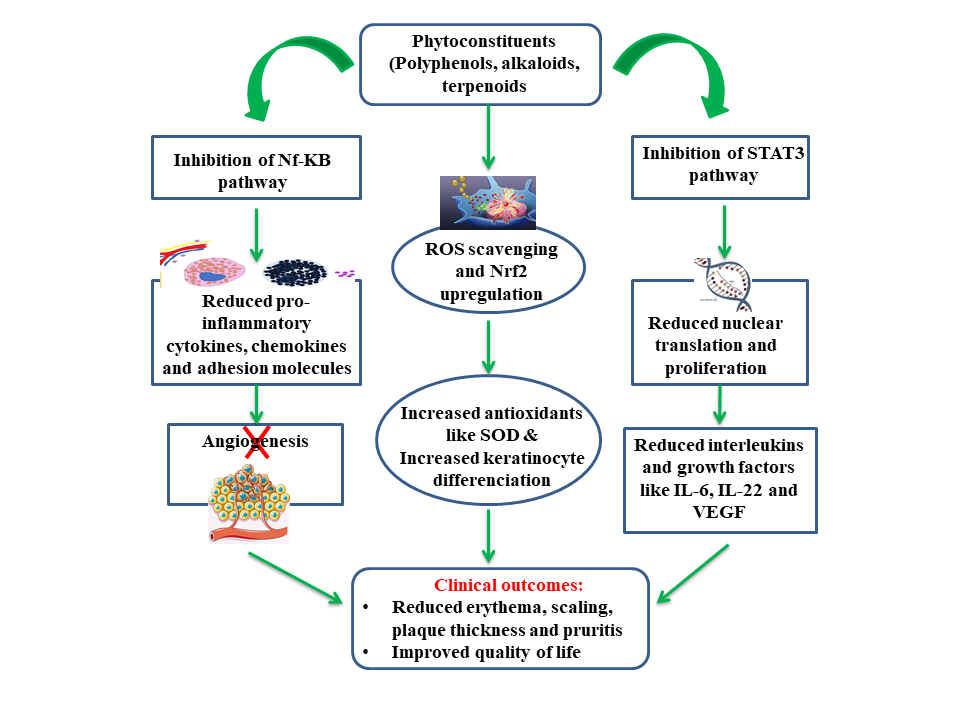
Phytochemicals relevant to dermatology span multiple structural classes, such as flavonoids and phenolic acids (antioxidant, anti‑inflammatory), terpenoids (modulation of signaling pathways), alkaloids (immunomodulatory and antiproliferative effects), and sulfur‑containing compounds (detoxification and redox effects). Mechanisms include free radical scavenging, inhibition of NF‑κB and MAPK signaling, modulation of STAT3 and JAK/STAT pathways, suppression of pro‑inflammatory cytokine production, and direct antiproliferative or pro‑apoptotic effects on keratinocytes and malignant cells (Hemarangan et al., 2025). Structure‑activity relationships and chemical modifications can enhance potency, selectivity and skin permeation; for example, esterification or encapsulation of lipophilic polyphenols improves topical bioavailability. The major mechanistic pathways followed by phytoconstituents and the therapeutic outcomes in the management of psoriasis and cancer management have been illustrated in Fig. 1.
Preclinical and Clinical Studies
Tiwari et al., (2025) suggests that a robust body of in vitro studies has demonstrated that certain phytochemicals decrease keratinocyte proliferation, inhibit pro‑inflammatory cytokine release, and induce apoptosis in skin cancer cell lines. Animal models of psoriasis and UV‑induced skin carcinogenesis have provided mechanistic evidence for photoprotective, antioxidant and chemopreventive effects of plant extracts and isolated compounds. Clinical trials remain fewer and often heterogeneous in design, but various systematic reviews published since 2020 have identified randomized controlled trials showing benefit for agents such as Indigo naturalis and Mahonia aquifolium, alongside smaller trials and observational reports for Aloe vera, turmeric formulations and novel topical herbal preparations (Anheyer et al., 2025). Overall, preclinical data are supportive for several compounds, yet high‑quality, adequately powered RCTs with standardized extracts remain necessary to establish clinical recommendations.
| Plant | Phytoconstituents | Role in Psoriasis and Skin Cancer | Reference |
|---|---|---|---|
| Aloe vera | Polysaccharides, anthraquinones | Anti-inflammatory, moisturizing and wound healing, improves erythema and plaque scale | Matei et al., 2025 |
| Curcuma longa | Curcumin | Anti-inflammatory and antioxidant effects, modulates STAT3 and NF-κB signaling, potential adjunct/topical therapy | Matei et al., 2025 |
| Indigo naturalis | Indirubin, indigoids | Clinically mitigates plaque psoriasis severity as demonstrated in randomized controlled trials | Zhao et al., 2025 |
| Wrightia tinctoria | Tryptanthrin, indirubin | Anti-proliferative activity on skin; supported by preclinical studies and ethnomedical reports | Etaware et al., 2025 |
Pathogenesis of Skin Cancer
Cutaneous carcinogenesis commonly begins with UV‑induced DNA damage (such as cyclobutane pyrimidine dimers) and the generation of ROS, leading to mutagenesis in key genes (e.g., p53, BRAF). Chronic inflammation, impaired DNA repair, and pro‑angiogenic signaling pathways (VEGF, HIF‑1α) facilitate tumor promotion and progression (Zhao et al., 2021). Tumor microenvironment interactions, including immune suppression and stromal remodeling, further support malignant transformation and metastasis in melanoma and non‑melanoma skin cancers. Interventions that reduce UV‑mediated DNA damage, limit oxidative stress, inhibit angiogenesis, or restore immune surveillance are therefore important chemopreventive and therapeutic strategies (Ciążyńska et al., 2021).
PROMISING MEDICINAL PLANTS AND EXTRACTS
Green tea (Camellia sinensis) polyphenols, especially EGCG, possess antioxidant, anti‑inflammatory and photoprotective properties and have been studied for prevention and adjunctive treatment of skin cancers. Grapevine (Vitis vinifera) polyphenols, including resveratrol and proanthocyanidins, show antiproliferative and chemosensitizing effects in skin cancer cell lines and animal models (Neira-Ospina et al., 2024). Curcumin displays multi‑targeted activity against oncogenic signaling, but poor solubility and stability necessitate specialized delivery systems for skin application. Withania somnifera (ashwagandha) and other adaptogenic herbs demonstrate immunomodulatory and potential anticancer effects, though clinical data in dermatologic oncology are limited and primarily preclinical at present.
Antioxidant, Anti-Inflammatory and Anti-Proliferative Phytoconstituents
Compounds such as EGCG, curcumin, resveratrol, silymarin and berberine exemplify multifunctional phytochemicals with antioxidant, anti‑inflammatory and antiproliferative activities that are relevant to both psoriasis and skin cancer pathways (Neira-Ospina et al., 2024). Their molecular actions include ROS scavenging, inhibition of pro‑inflammatory transcription factors (e.g., NF‑κB), modulation of cell cycle regulators (cyclins, CDKs), and activation of apoptotic pathways (caspases, BAX/Bcl‑2 balance). Because these compounds often exert effects on multiple targets, they may provide synergistic benefits when combined with conventional therapies, but interactions must be carefully evaluated.
In vitro assays have clarified molecular targets and dose‑dependent cytotoxicity profiles, while animal models have shown reduced tumor incidence or slowed progression following administration of phytochemicals or plant extracts (Choudhari et al., 2020). Clinical evidence is strongest for a subset of topical herbal preparations in psoriasis (e.g., Indigo naturalis) and for pilot studies showing symptomatic improvements with some plant‑based creams and gels. Large, multicenter RCTs in dermatologic oncology are still scarce; however, several early‑phase trials and translational studies are exploring phytochemical adjuncts for preventing UV‑induced damage or enhancing topical chemotherapy effectiveness (Tow et al., 2023).
Antioxidant Activity
Free radical scavenging is a common property measured in screening assays (DPPH, ABTS, FRAP) that correlates with the ability of phytochemicals to limit oxidative cellular damage. By reducing ROS load, antioxidants can mitigate lipid peroxidation, DNA strand breaks, and activation of redox‑sensitive signaling that promote inflammation and carcinogenesis. However, antioxidant activity in vitro does not always translate to clinical benefit, as bioavailability, local tissue concentrations, and metabolic transformation are key determinants of in vivo efficacy (Kotha et al., 2022).
Modulation of NF-Κb, MAPK, STAT3 and Other Signaling Pathways
Many phytochemicals exert therapeutic effects by inhibiting pro‑inflammatory and pro‑survival signaling cascades. For example, curcumin and certain flavonoids suppress NF‑κB activation and downstream cytokine production, while others modulate MAPK (ERK, JNK, p38) and STAT3 pathways implicated in proliferation, inflammation and tumor survival (Joshi et al., 2021). Understanding these molecular interactions helps rationalize combination strategies with existing targeted therapies and guides the selection of biomarkers for translational studies.
Phytochemicals can alter the immune milieu by downregulating pro‑inflammatory cytokines such as IL‑1β, TNF‑α, IL‑6, IL‑17 and promoting anti‑inflammatory mediators in experimental models. Such immunomodulatory effects are pertinent to psoriasis, where restoring balance between Th17 and regulatory T cells can reduce lesion severity. In skin cancer, modulation of tumor‑associated macrophages, dendritic cell activation and checkpoint molecule expression are potential mechanisms by which plant compounds influence tumor immunity (Chen et al., 2024).
Induction of Apoptosis and Inhibition of Angiogenesis
Anticancer phytochemicals may trigger intrinsic and extrinsic apoptotic pathways by altering mitochondrial membrane potential, increasing pro‑apoptotic proteins (Bax), and activating caspases. Additionally, inhibition of angiogenesis via suppression of VEGF signaling and endothelial cell proliferation starves tumors of nutrients and retards growth (Hida et al., 2024). These dual effects, promoting cancer cell death while limiting supportive vasculature, are central to the anticancer potential observed in numerous preclinical studies.
TOPICAL VS SYSTEMIC APPLICATION OF HERBAL FORMULATIONS
Topical administration targets the epidermis and superficial dermis directly and is often preferred for localized dermatological conditions to reduce systemic exposure and adverse effects. Systemic (oral) administration may be useful for widespread disease or for systemic immunomodulation, but raises concerns about bioavailability, first‑pass metabolism, and systemic toxicity (Arabiyat, 2025). Choosing the route depends on disease extent, target tissue depth, compound pharmacokinetics, and safety profile; many modern strategies combine local topical delivery with low‑dose systemic support.
Herbal Gels, Creams, Ointments and Oils for Psoriasis
Traditional topical vehicles (ointments, creams, gels) are widely used to deliver herbal extracts; selection depends on desired occlusivity, patient acceptability, and the physicochemical properties of the active compounds. Formulations incorporating hydrogels, emulsions, or lipid‑based carriers can improve hydration, enhance penetration and provide sustained release of active phytochemicals (Yadav and Puranik, 2025). Clinical studies that report benefits often employ optimized vehicles to maximize skin contact time and bioavailability; therefore, formulation science is as critical as compound selection in successful herbal topical therapies.
Nanocarriers such as liposomes, solid lipid nanoparticles, nanoemulsions and phytosomes increase solubility, protect labile phytochemicals from degradation, and enhance penetration into epidermal and dermal layers. In psoriasis and skin cancer research, nanoformulations of curcumin, resveratrol and other polyphenols have increased local bioavailability and improved antiproliferative efficacy in preclinical models while reducing systemic toxicity (Yadav and Puranik, 2025). Translational challenges include scale‑up manufacturing, stability, regulatory classification, and comprehensive safety testing for long‑term dermal exposure.
CHALLENGES
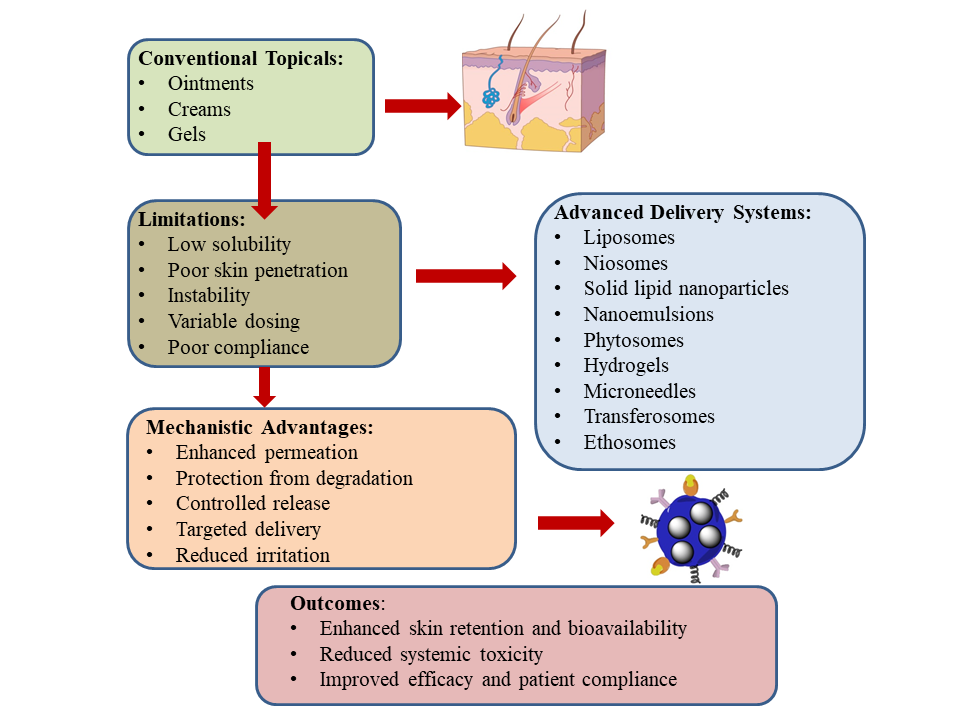
Many potent phytochemicals have low aqueous solubility, poor skin permeation, and rapid metabolic transformation. These factors limit the therapeutic effect when applied topically or given orally. Chemical instability resulting in oxidation and photodegradation further reduces active concentrations, necessitating the stabilization of excipients, encapsulation strategies, or pro‑drug approaches (Ugale and Nannor, 2024). Overcoming these challenges requires integrated medicinal chemistry, formulation science, and appropriate in vitro/in vivo pharmacokinetic studies. Integration of novel drug delivery systems into conventional topical therapy of herbal medicine opens new horizons which may subsequently lead to better achievement of therapeutic goals (Radu et al., 2025). Major advantages of novel drug delivery systems over conventional methods in overcoming existing therapeutic constraints have been illustrated in Fig. 2.
Herbal topical and systemic preparations can cause allergic contact dermatitis, irritant reactions, photosensitivity, or systemic toxicity, particularly when used in high concentrations or with chronic exposure. Herb–drug interactions via cytochrome P450 modulation (e.g., St. John's wort) or via additive immunosuppression with biologics are clinically important and should be anticipated. Patient history, standardized product labeling and clinician awareness are essential to minimize risks when integrating phytotherapeutics into care plans.
Variability in plant species, cultivation conditions, harvesting time, extraction solvent and process leads to batch‑to‑batch differences in active constituent profiles (Ramesh et al., 2024). Standardization through marker compounds, HPLC/UPLC fingerprinting, and quantitative assay of bioactive molecules is necessary for reproducible pharmacology and clinical assessment. International pharmacopoeial monographs and Good Agricultural and Collection Practices (GACP) provide frameworks to enhance consistency and traceability of botanical raw materials (Peeriga and Manubolu, 2025).
Regulatory Guidelines and Approval Challenges
Regulatory classification of botanical products varies globally. Some jurisdictions treat them as cosmetics, others as herbal medicines or prescription drugs, each with different premarket requirements. Demonstrating safety, efficacy, and manufacturing quality for market approval can be resource‑intensive and challenging for complex, multi‑component extracts (Gupta et al., 2024). Adaptive regulatory pathways and well‑designed comparative effectiveness trials may facilitate evidence‑based integration of high‑quality phytotherapeutics into standard dermatological care.
Integrating Phytotherapy with Conventional Treatments
Integrative strategies should be evidence‑informed, prioritizing combinations with plausible mechanisms of synergy and minimal interaction risk. Examples include topical phytochemical adjuvants to reduce steroid burden, or antioxidant/photoprotective botanicals paired with sunscreens for chemoprevention. Close monitoring and incorporation of clinical endpoints such as PASI scores, recurrence rates, and adverse event tracking help ensure patient safety and measurable benefit when combining therapies (Yi et al., 2025).
Personalized approaches may tailor phytotherapeutic regimens based on patient genotype, immune phenotype, skin microbiome, and co‑morbidities to optimize efficacy and reduce adverse events. Biomarker‑driven selection, for example, patients with prominent oxidative stress markers benefiting from antioxidant phytochemicals, is an emerging concept but requires validated predictive markers and clinical validation (Muscolo et al., 2024). As omics technologies become more accessible, integrating molecular profiling with phytochemical selection could improve response rates and reduce trial‑and‑error prescribing.
Need for Evidence-Based Validation
Despite promising mechanistic and preclinical data for many botanicals, the evidence base is limited by small, heterogeneous clinical trials and inconsistent product standardization. Large, randomized, double‑blind, placebo‑controlled trials with standardized extracts and appropriate clinical endpoints, such as PASI for psoriasis and time‑to‑recurrence for skin cancer prevention, are required (Radu et al., 2025). Outcomes should include both efficacy and safety, keeping in consideration the dermatologic adverse events, systemic effects, herb‑drug interactions, as well as patient‑reported measures of quality of life.
Integrative dermatology recognizes the value of combining validated phytotherapeutics with conventional treatments to enhance outcomes, reduce side effects, and address patient preferences (Bodeker et al., 2017). Successful integration depends on multidisciplinary collaboration, patient education, and regulatory frameworks that ensure product quality. Ultimately, well‑executed translational research and pragmatic clinical trials will determine the role of plant‑based therapies in routine dermatological care.
MECHANISTIC INSIGHTS OF PHYTOCHEMICALS IN PSORIASIS AND SKIN CANCER
Phytochemicals exert multifaceted biological activities that can modulate key molecular pathways implicated in psoriasis and skin cancer. Understanding these mechanisms provides valuable insights into their therapeutic potential and supports their role as promising candidates in dermatological drug development. Nigella sativa main ingredient, Thymoquinone, has anti-oxidant qualities that may help in curing psoriasis by resolving the oxidant-antioxidant imbalance that is frequently seen in the condition. This makes it a great option for supplemental therapy in conjunction with methotrexate, a common medication for psoriasis that is known to cause oxidative stress. By reducing the rise in serum malondialdehyde (sMDA) linked to MTX therapy, Thymoquinone antioxidant activity was found to reverse the oxidative stress of MTX (Rida and Gladman, 2020). Glycyrrhizin, or licorice root, prevents the release of cytokines and reactive oxygen species; this substance functions as an antioxidant. It is a good adjunct to hepatotoxic psoriasis therapy like acitretin because it has been demonstrated to reduce psoriasis-related skin lesions and shield against liver problems (Xu et al., 2020).
Proanthocyanidins help reduce inflammatory skin damage, including dermatitis and psoriasis, by blocking the release of inflammatory chemicals via the MAPK and NF-κB signaling pathways. Proanthocyanidins may promote cancer cell autophagy, decrease the production of inflammatory molecules from the NF-κB pathway, and limit the growth of skin cancer cells by inhibiting MAPK/ERK (Lai et al., 2018). Allicin scavenges free radicals and guards against UV-induced oxidative damage, which can lead to the progression of skin cancer. (Fatima et al., 2021). Allicin downregulates the production of the COX-2 gene, which has been implicated in inflammation as well as cell proliferation. Additionally, it was discovered that allicin inhibits the NF-κB pathway's activation and the regulation of its subsequent target genes, which are implicated in inflammation, tumor progression, and cell survival (Turizo-Smith et al., 2024). Allicin can help stop the development and progression of skin cancer because it has been demonstrated to stop the cell cycle of cancer cells, stopping the cells from dividing and multiplying. It has been demonstrated that allicin inhibits the development of new vessels, a crucial stage in the development and metastasis of cancer (Hashemy et al., 2023).
Janus kinase/Signal transducer and activator of transcription (JAK/STATs), phosphodiesterase 4 (PDE4), mitogen-activated protein kinase (MAPK), platelet selectin (Pan Selectin), tumor necrosis factor alpha (TNF-a), interleukin-23 (IL-23), the interleukin-17 (IL-17), and tyrosine kinase 2 (Tyk2) are among the molecular target sites that are being upregulated in psoriasis. The stimulated JAK/STAT pathway activates inflammatory molecules like TNF-a, IL-23, IL-17 and MAPK, which in turn trigger the arachidonic acid pathway, increasing the pace of inflammation at the same time (Rathor et al., 2025). Psoriasis is treated with plants and their bioactive chemicals, which include flavonoids, alkaloids, resins, tannins, glycosides, as well as terpenoids, in topical, oral, and biological forms. Pithecellobium dulce (daidzein), Veratrum grandiflorum (resveratrol), Hypericum perforatum (hypericin), Camellia sinensis (chlorogenic acid), Reseda luteal (luteolin), Wrightia tinctoria (Lupeol), Citrus paradisi (naringin), along with Salvia miltiorrhiza (salvianolic acid) are just a few of the biologically active plants that have been shown to be useful in treating skin conditions. These phytoconstituents also have antiviral, antibacterial, antioxidant, and anti-inflammatory properties and prevent psoriasis. Based on this investigation, the rate of inflammation, redness, as well as scaly skin must be further reduced since the elevated inflammatory mediators and JAK/STAT pathogenesis were suppressed at the target site. Bioactive substances found in herbs have the ability and affinity to stop psoriasis (Ibezim et al., 2021).
Rosmarinic acid, through a variety of molecular pathways, has demonstrated potential chemopreventive actions against skin cancer. Because of its strong antioxidant qualities, rosmarinic acid helps shield skin cells against oxidative stress brought on by external elements like UV rays. This can stop the mutations and damage to DNA that can cause skin cancer (Liu et al., 2023). It has been demonstrated that rosmarinic acid causes skin cancer cells to undergo apoptosis, or programmed cell death, which can stop the growth and multiplication of those cells. It has been demonstrated that rosmarinic acid stops the cell process of skin cancer cells, stopping them from multiplying and dividing. The development of new vessels of blood, or angiogenesis, is essential for the growth and spread of tumors. Inhibiting the angiogenesis of skin cancer cells has been demonstrated to stop their growth and metastasis. Researchers have recently looked into the molecular mechanisms that underlie rosmarinic acid's actions on skin cancer cells, involving its capacity to control cell cycle progression, decrease inflammation, and induce apoptosis (da Silva et al., 2022).
FORMULATIONS AND NOVEL DRUG DELIVERY SYSTEMS
Topical drug delivery may reduce adverse effects and increase local drug concentrations; it may be a better option than systemic delivery for treating dermatological conditions like skin cancer. Nonetheless, the human skin's stratum corneum acts as an efficient barrier along with certain compound qualities, such as molecular size and chemical makeup, that determine how well topical administration works (Calienni et al., 2019). Topical corticosteroids (TCS) have strong anti-inflammatory, immunosuppressive, antioxidant, and vasoconstrictive properties; they have long been an essential component in the management of mild-to-moderate psoriasis. Both genomic and non-genomic mechanisms mediate these therapeutic effects. When corticosteroids bind to cytoplasmic glucocorticoid receptors (GR), they cause GR complexes to move in the nucleus, where they interact with glucocorticoid response elements (GREs) to suppress pro-inflammatory mediators like TNF-α, IL-1, IL-6, and chemokines like MCP-1 and IL-8 and to upregulate anti-inflammatory genes like DUSP-1 and IL-10 (Lee et al., 2021).
Green tea's main polyphenol, EGCG, is effective in reducing keratinocyte proliferation and regulating Th1/Th17 immunological responses. Topical EGCG administration significantly decreased psoriasiform inflammation and restored normal skin architecture in mouse models. Additionally, EGCG nanoformulations based on chitosan have been created to improve its stability as well as skin penetration, providing a viable method for topical psoriasis treatment (Chamcheu et al., 2023). Researchers created a vascular elastic nanocarrier gel loaded with resveratrol and assessed its effectiveness in a mouse model of psoriasis produced by imiquimod. Along with favorable in vitro permeability and skin deposition profiles, the formulation showed notable anti-psoriatic benefits, such as decreased erythema, inflammatory infiltration, and epidermal hyperplasia. These findings highlight how sophisticated vesicular administration methods can improve resveratrol's therapeutic efficacy for topical (Elgewelly et al., 2022).
Pumpkin oil plays a supportive role in treatment because it is nutrient-rich and has moisturizing and nourishing properties for the skin. This helps to maintain the skin barrier integrity, which is frequently damaged in psoriatic patients. All things considered, these herbal supplements show great promise as safer and more affordable substitutes for or additions to traditional psoriasis treatments (Kruanamkam et al., 2024). The innovative antipsoriatic properties of a herbal cream containing methanolic extract from Cassia tora leaves were developed to create a controlled drug delivery system (Kumar, 2020). It is asserted that the extract exhibits considerable anti-psoriatic effects in rats and can also be used as a natural antioxidant (Telrandhe and Gunde, 2022). Bioactive substances, including acemannan and aloenin, are responsible for the well-known anti-inflammatory and immunomodulatory properties of aloe vera gel. The effectiveness of topical aloe vera along with 0.1% triamcinolone acetonide in treating mild-to-moderate plaque psoriasis was examined in a preliminary, randomized clinical study. According to the study, aloe vera reduced psoriatic plaques just as well as corticosteroids (Jales et al., 2022).
Phytochemicals can be efficiently transported via polymeric nanoparticles. As phytocompound nanocarriers, silver and other metallic inorganic nanoparticles are also used. Ginseng herbal extracts had greater anticancer efficacy against A549 cells in vitro at lower doses when converted into silver nanoparticles (Ashique et al., 2023). Researchers studied combining the delivery of quercetin and resveratrol, which had already been encapsulated in liposomes. These polyphenolic compounds have several medicinal advantages in addition to their pertinent antioxidant effects. These include being naturally occurring, having high safety, and having demonstrated anti-inflammatory and anticarcinogenic properties. However, quercetin and resveratrol's poor water solubility and physicochemical instability with pH, temperature, and light changes limit their potential medicinal uses. They were thus integrated into liposomes, and the bilayer fluidity of the dual-loaded vesicles was increased by adding oleic acid along with to the bioactive compounds (Caddeo et al., 2016).
Numerous flavonoid compounds can be firmly bound by the phospholipid components of phytosomes with a high affinity. Several herbal extracts, including ginseng, milk thistle, green tea, hawthorn, and grape seed, work significantly better when put into phytosomes. Phytosome nanotechnology was used to deliver ginkgo herbal extract, which enhanced vascular protection and had favorable impacts on the pharmacokinetic profile. A synthetic substance called Oleaselect is derived from phytosomes and depends on the polyphenols found in olive oil. When used as a phytosomal preparation rather than traditional oil, it has anti-inflammatory, anticancer and antioxidant properties (Nagar, 2019).
SAFETY, TOXICOLOGY AND REGULATORY PERSPECTIVES
These days, an increasing number of people use herbal medications for both therapeutic and preventative purposes. However, not everyone can safely use these products. Little is known about the adverse effects, along with drug interactions of herbal products. Herbal remedies that include a lot of active chemicals that have pharmacological or physiological impacts are likely to have negative side effects, much like regular medications (Basaran et al., 2022).
The pharmacokinetic modification of chemically active transporters in the liver and gastrointestinal epithelium caused by herb-drug interactions may result in adverse consequences and treatment failure. Food and cosmetics are the most frequent causes of skin poisoning, followed by medicinal balms, creams and lotions, inhalers, and natural oils. Interaction with certain plants results in phototoxic photosensitization. When a plant-produced photoactive chemical comes into contact with the skin along is absorbed or activated by sunlight, a reaction like this takes place. Time and exposure level have an impact on intensity. Herb-drug interactions are among the most significant hazards connected to the co-administration of chemotherapeutic drugs and herbal remedies. Individuals with long-term conditions who take multiple medications are at increased risk. Because chemotherapy medicines are harsh and have a parallel dose-effect relationship, herb-drug interactions are undesired for treating cancer. The public, especially medical professionals, researchers, and recipients of cancer treatment, should take notice of this emphasis on therapeutically important herb-drug interactions (Fasinu and Rapp, 2019). Furanocoumarins are found in large quantities in vegetables, citrus fruits, and therapeutic herbs. After coming into contact with the plant, exposure to sunlight causes phototoxicity to develop with furanocoumarins. Acute dermatitis, blisters, and occasionally vesicles are the results of phototoxicity. Long-term furanocoumarin photochemotherapy can also result in skin and liver cancer (Wen et al., 2019).
The process of quality inspections or standardization is highly important to meet the goal of the herbal drug regulation, particularly for both safety and effectiveness elements, and it can vary from country to country. The current Pharmacopoeia should be consulted when discussing official standardization procedures. There have been some published critiques of herbal drug standardization recently (Indrayanto, 2024). A quarter of the global population relies on herbal and traditional remedies for healthcare. Investigating the efficacy and adverse effects of herbal medicine, identifying active ingredients, and detecting contamination are vital for drug development. The WHO's traditional medicine plan (2014–2023) aims to promote complementary and alternative medicine (CAM) and improve the safety, effectiveness, and quality of herbal medicinal products through enhanced regulatory standards. Similarly, the National Complementary and Integrative Health Centre (NCCIH) 2016 strategic plan seeks to furnish evidence-based information about the safety and effectiveness of CAM interventions, targeting the public, healthcare providers, and policymakers while elucidating their biological impacts and clinical outcomes (Gouws and Hamman, 2020).
FUTURE PROSPECTS AND CHALLENGES
By improving their penetration through biological barriers and overcoming the restricted absorption of therapeutic polyphenolic phytocompounds, nanosized drug delivery systems can boost the bioavailability of plant compounds. When compared to conventional phytochemicals produced at different scales, nanocarriers are essential for maintaining the stability and long-term advantages of bioactive polyphenolic phytochemicals by halting oxidation and degradation. The enormous surface area of the nanoparticles increases the effective delivery of active ingredients into the skin when phytochemicals are administered topically (Patidar and Ramteke, 2023).
In order to give patients the best care possible, medical professionals should ask patients about their use of herbal supplements since a significant portion of the general public uses them. It's critical to understand both the advantages and disadvantages of herbal products. Health professionals should evaluate the potential hazardous effects of herbal items and medicine interactions and issue warnings. Herbal products must be used carefully in patients with impaired liver or renal function and avoided during pregnancy or lactation. The development of biodegradable and compatible nanomaterials must also be a priority for researchers. To offer superior substitutes for traditional formulations, further research and fruitful pre-clinical and clinical investigations are needed. In addition, the public's and healthcare professionals' involvement is required to boost the global adoption of herbal nanoformulations for a range of skin conditions (Agrawal et al., 2024).
For herbal products to be used reliably, information on their stability, efficacy, safety, and bioavailability is required. In most countries, makers of herbal remedies are exempt from submitting evidence of the safety and effectiveness to regulatory bodies before marketing. To improve their efficacy and safety, herbal products should be licensed by health authorities and undergo activity and toxicity tests, just like synthetic medications. It is challenging to regulate the use of herbal products since they are readily available from a variety of sources outside pharmacies, including drug stores, and because online sales of these items are so high. Internet sales ought to be controlled (Maheshwari et al., 2023).
CONCLUSION
Medicinal plants offer multi‑targeted biological activities that address key pathological processes in psoriasis and skin cancer, including inflammation, oxidative stress, cell proliferation and UV‑mediated DNA damage. While preclinical evidence supports multiple promising compounds, clinical translation is limited by formulation, standardization and trial design challenges. Careful integration of phytotherapy into dermatological practice guided by rigorous research, quality control, and clinician oversight can expand therapeutic options for patients.
Due to their superiority over the side effects of conventional drugs and their cost, natural products are growing in popularity. Using bioactive chemicals from medicinal plants may help prevent skin cancer cell growth and progression. The World Health Organization advises integrating phytochemicals from natural sources into daily diets for their antioxidant and therapeutic properties, which coincides with this approach. Natural remedies can effectively treat psoriasis when combined with modern medication delivery technology, with minimal side effects. Preclinical research on natural ingredients and innovative drug delivery technologies for the present treatment of psoriasis is necessary. More research is being done on the creation of phytopharmaceuticals to combat skin cancer and psoriasis. However, because of their high cost and significant side effects, the majority of people prefer to use natural medications. Future study may focus on developing herbal nanoparticle drug delivery systems for the treatment of dermatological disorders, combining traditional phytomedicine with cutting-edge technology. Collaboration could lead to promising medications that improve Patient health outcomes.
References
- Agrawal R, P Jurel, R Deshmukh et al., 2024. Emerging trends in the treatment of skin disorders by herbal drugs: traditional and nanotechnological approach. Pharmaceutics 16:869.
- Anand S, D Dhanorya, MK Bajhaiya et al., 2024. A comprehensive overview advancements in pharmacovigilance and herbal drug development. World Journal of Pharmaceutical Resources 13:1324-37.
- Anheyer M, H Cramer, T Ostermann et al., 2025. Herbal medicine for treating psoriasis: A systematic review. Complementary Therapies in Medicine, 10:31-73.
- Anjum H and S Shamsi 2025. Efficacy of Unani Drugs in Skin Disorders. Crude Drugs of Unani Medicine 1:433-58.
- Arabiyat SA. 2024. Prospectus and Concerns of Immunomodulatory Nanotechnologies and Nanoparticles Biocompatibility and Toxicity. In: Rehman, S., Al-Suhaimi, E. (eds) Nanotechnology Based Microbicides and Immune Stimulators. Springer, Singapore, pp: 165-89.
- Ashique S, O Afzal, A Hussain et al., 2023. It's all about plant derived natural phytoconstituents and phytonanomedicine to control skin cancer. Journal of Drug Delivery Science and Technology 84:104495.
- Başaran N, D Pasli and AA Başaran, 2022. Unpredictable adverse effects of herbal products. Food and Chemical Toxicology 159:112762.
- Bodeker G, TJ Ryan, A Volk et al., 2017. Integrative skin care: Dermatology and traditional and complementary medicine. The Journal of Alternative and Complementary Medicine 23: 479-86.
- Branisteanu DE, C Cojocaru, R Diaconu et al., 2022. Update on the etiopathogenesis of psoriasis. Experimental and Therapeutic Medicine 23:201.
- Caddeo C, A Nacher, A Vassallo et al., 2016. Effect of quercetin and resveratrol co-incorporated in liposomes against inflammatory/oxidative response associated with skin cancer. International Journal of Pharmaceutics 513:153-63.
- Calienni MN, C Febres-Molina, RE Llovera et al., 2019. Nanoformulation for potential topical delivery of Vismodegib in skin cancer treatment. International Journal of Pharmaceutics 565:108-22.
- Chamcheu JC, IA Siddiqui, VM Adhami et al., 2023. Chitosan-Based Nanoformulated (–)-Epigallocatechin-3-Gallate (EGCG) Modulates Human Keratinocyte-Induced Responses and Alleviates Imiquimod-Induced Murine Psoriasiform Dermatitis. International Journal of Nanomedicine 18:2503-05.
- Chen Y, W Fan, Y Zhao et al., 2024. Progress in the regulation of immune cells in the tumor microenvironment by bioactive compounds of traditional Chinese medicine. Molecules 29:2374.
- Choudhari AS, PC Mandave, M Deshpande et al., 2020. Phytochemicals in cancer treatment: From preclinical studies to clinical practice. Frontiers in Pharmacology 10:1614.
- CiążyńskaM, I Olejniczak-staruch, D sobolewska-sztychny et al., 2021. Ultraviolet radiation and chronic inflammation—Molecules and mechanisms involved in skin carcinogenesis: A narrative review. Life 11:326.
- da Silva GB, MA Yamauchi, D Zanini et al., 2022. Novel possibility for cutaneous melanoma treatment by means of rosmarinic acid action on purinergic signaling. Purinergic Signaling 18:61-81.
- Elgewelly MA, SM Elmasry, NS El Sayed et al., 2022. Resveratrol-loaded vesicular elastic nanocarriers gel in imiquimod-induced psoriasis treatment: in vitro and in vivo evaluation. Journal of Pharmaceutical Sciences 111:417-31.
- Etaware PM, O America, OW Egara et al., 2025. Herbal medicine: Scientific validation and future prospects. International Journal of Pharmaceutical Chemistry 11:67-75.
- Evans WC 2009. Trease and Evans' Pharmacognosy 16th edn, Saunders LTd. (Elsevier) Philadelphia, US, pp: 92-117. ISBN: 978-0-7020-2934-9..
- Fasinu PS and GK Rapp, 2019. Herbal interaction with chemotherapeutic drugs—a focus on clinically significant findings. Frontiers in Oncology 9:1356.
- Fatima N, SSR Baqri, A Alsulimani et al., 2021. Phytochemicals from Indian ethnomedicines: Promising prospects for the management of oxidative stress and cancer. Antioxidants 10:1606.
- Gouws C and JH Hamman, 2020. What are the dangers of drug interactions with herbal medicines? Expert Opinion on Drug Metabolism and Toxicology 16:165-67.
- Gupta DK, A Tiwari, Y Yadav et al., 2024. Ensuring safety and efficacy in combination products: Regulatory challenges and best practices. Frontiers in Medical Technology 6:1377443.
- Hashemy SI, H Amiri, H Hosseini et al., 2023. PEGylated lecithin–chitosan–folic acid nanoparticles as nanocarriers of allicin for in vitro controlled release and anticancer effects. Applied Biochemistry and Biotechnology 195:4036-52.
- Hemarangan J, K YashodaSS Karthik et al., 2025. Mechanism of phytochemicals in modulating signaling pathways involved in inflammation and cancer. In: Plant Derived Bioactive Compounds in Human Health and Disease (K Yashoda, S Jha eds.). CRC Press, Florida, US. pp:49-65.
- Hida K, N Maishi, A Matsuda et al., 2024. Beyond starving cancer: Anti-angiogenic therapy. Journal of Medical Ultrasonics 51:605-10.
- Ibezim A, E Onah, EN Dim et al., 2021. A computational multi-targeting approach for drug repositioning for psoriasis treatment. BMC Complementary Medicine and Therapies 21:193.
- Ijinu TP, N MohandaS, A Saloni et al., 2024. Scientific validation of traditional knowledge: Development of herbal drugs and exploration of leads for modern drug discovery. Traditional Medicines in Drug Discovery and Development 10:223.
- Indrayanto G, 2024. Regulation and standardization of herbal drugs: Current status, limitation, challenge’s and future prospective. Profiles of Drug Substances, Excipients and Related Methodology 49:153-99.
- Jales ST, RDM Barbosa, AC De Albuquerque et al., 2022. Development and characterization of Aloe vera mucilaginous-based hydrogels for psoriasis treatment. Journal of Composites Science 6:231.
- Joshi P, S JoshI, D Semwal et al., 2021. Curcumin: An insight into molecular pathways involved in anticancer activity. Mini Reviews in Medicinal Chemistry 21:2420-57.
- Kotha RR, FS Tareq, E Yildiz et al., 2022. Oxidative stress and antioxidants—A critical review on in vitro antioxidant assays. Antioxidants 11:2388.
- Koycheva IK, AS MarchevID Stoykova et al., 2025. Natural alternatives targeting psoriasis pathology and key signaling pathways: A focus on phytochemicals. Phytochemistry Reviews 24:2147-73.
- Kruanamkam W, P Ketkomol, D Sertphon et al., 2024. Exploring the Therapeutic Potential of an Herbal-Based Topical Cream in Psoriasis Patients. Pharmaceutical Sciences Asia 51:250-58.
- Kumar S, 2020. Antipsoriatic activity of Cassia auriculata L. flowers in Freund’s adjuvantformaldehyde induced animal model. Indian Journal of Natural Products and Resources 10:259-65.
- Lai R, D Xian, X Xiong et al., 2018. Proanthocyanidins: novel treatment for psoriasis that reduces oxidative stress and modulates Th17 and Treg cells. Redox Report 23:130-35.
- Lee SJ, R Shizu and M Negishi, 2021. Glucocorticoid receptor dimerization in the cytoplasm might be essential for nuclear localization. Biochemical and Biophysical Research Communications 553:154-59.
- Lee HJ and M Kim, 2023. Challenges and future trends in the treatment of psoriasis. International Journal of Molecular Sciences 24:13313.
- Liu HM, MY Cheng, MH Xun et al., 2023. Possible mechanisms of oxidative stress-induced skin cellular senescence, inflammation, and cancer and the therapeutic potential of plant polyphenols. International Journal of Molecular Sciences 24:3755.
- Maheshwari N, N Maheshwari, DK Mishra et al., 2023. Phytotherapeutic potential of natural herbal medicines for management of psoriasis: current status. Pharmacognosy Research 15:42.
- Matei, CE, AI Visan and R Cristescu, 2025. Aloe Vera Polysaccharides as Therapeutic Agents: Benefits Versus Side Effects in Biomedical Applications. Polysaccharides 6:36.
- Maurya SK, S Divakar, S Rathee et al., 2025. Diverse Therapeutic Potentials of Hypericin: An In-Depth Review. Current Topics in Medicinal Chemistry 25:2478-2512..
- Muscolo A, O Mariateresa, T Giulio et al., 2024. Oxidative stress: The role of antioxidant phytochemicals in the prevention and treatment of diseases. International Journal of Molecular Sciences 25:3264.
- Nagar G, 2019. Phytosomes: A novel drug delivery for herbal extracts. International Journal of Pharmaceutical Sciences and Research 9:924-30.
- Nagarajan P, S Kannan, A Raj et al., 2025. Future Prospects in Medicinal Plant-Derived Drug Development: Unveiling Opportunities and Challenges. Biotechnology and Phytochemical Prospects in Drug Discovery 12:241-66.
- Neira-Ospina E, J Rojas, GA Santa-Gonzalez et al., 2024. Phenolic compounds in grapes (genus Vitis): A review of their antioxidant activity, antiproliferative capacity, and cytotoxic effect on colorectal cancer. Journal of Applied Pharmaceutical Science 14:071-089.
- Patidar T and S Ramteke, 2023. A review on emerging herbal nanotechnology for skin cancer. Journal of Medical Pharmaceutical and Allied Sciences 12:5923-30.
- Peeriga R and K Manubolu, 2025. Quality Control and Regulatory Compliance for Herbal Medication: An International Perspective. Routledge, New York, US. pp 63-135.
- Prasitpuriprecha N, S Santaweesuk, P Boonkert et al.,. 2022. Prevalence and DALYs of skin diseases in Ubonratchathani based on real-world national healthcare service data. Scientific Reports 12:16931.
- Prema SS and D Shanmugamprema, 2025. Systemic psoriasis: from molecular mechanisms to global management strategies. Clinical Reviews in Allergy and Immunology 68:79.
- Radu A, DM Tit, , LM Endres et al., 2025. Naturally derived bioactive compounds as precision modulators of immune and inflammatory mechanisms in psoriatic conditions. Inflammopharmacology 33:527-49.
- Ramesh MM, NS Shankar and AH Venkatappa, 2024. Driving/critical factors considered during extraction to obtain bioactive enriched extracts. Pharmacognosy Reviews, 13:18.
- Rathor LS, D Sahu, M Singh et al., 2025. In Silico Screening of Phytochemicals as Potential Inhibitors of the JAK/STATs Pathway in Psoriasis. ASSAY and Drug Development Technologies 23:100-113.
- Rida MA and DD Gladman, 2020. Case report of refractory psoriatic arthritis achieving remission using Nigella sativa (black seed oil) extract. The Journal of Rheumatology 47:1297.
- Romero-García PA, S Ramirez-Perez, JJ Miguel-Gonzálezet al., 2020. Complementary and alternative medicine (CAM) practices: A narrative review elucidating the impact on healthcare systems, mechanisms and paediatric applications. Healthcare, 13:1547.
- Telrandhe UB and MC Gunde, 2022. Phytochemistry, pharmacology and multifarious activity of Cassia tora L.: A comprehensive review. Annals of Phytomedicine 11:231-39.
- Tiwari A, V Tiwari, A Sharma et al., 2025. Unlocking the potential: integrating phytoconstituents and nanotechnology in skin cancer therapy–A comprehensive review. Journal of Complementary and Integrative Medicine 22:237-57.
- Tow R, S Hanoun, B Andresen et al., 2023. Recent advances in clinical research for skin cancer chemoprevention. Cancers 15:3819.
- Turizo-Smith AD, S Córdoba-Hernandez, LV Mejía-Guarnizo et al., 2024. Inflammation and cancer: friend or foe?. Frontiers in Pharmacology 15:1385479.
- Ugale S and KM Nannor, 2024. The role of excipients in enhancing drug delivery and stability: a comprehensive review. World Journal of Pharmaceutica research 13:580-604.
- Vijayalakshmi V, J Gokulakrishnan, V Prabhu et al., 2025. Systematic review of the therapeutic potential of medicinal herbs: insights into their biological applications and futuristic innovations. Proceedings of the Indian National Science Academy, 1:1-12.
- Xu W, Y Li, M Ju et al., 2020. A multicenter, randomized, double‐blind, placebo‐controlled study of compound glycyrrhizin capsules combined with a topical corticosteroid in adults with chronic eczema. Evidence‐Based Complementary and Alternative Medicine 20:6127327.
- Yadav SK and P Puranik, 2025. Improvements in phytochemical-based drug delivery systems. In: Nano-formulation of Dietary Phytochemicals for Cancer Management (N Puranik). Springer, London, UK. pp:241-74.
- Yl RC, M Akbik, LR Smith et al., 2025. Therapeutic advancements in psoriasis and psoriatic arthritis. Journal of Clinical Medicine 14:1312.
- Zhao H, L Wu, G Yan et al., 2021. Inflammation and tumor progression: signaling pathways and targeted intervention. Signal Transduction and Targeted Therapy 6:263.
- Zhao Y, J Li, N Zhang et al., 2025. Efficacy of indigo naturalis nanofibrous patches in the treatment of chronic plaque psoriasis: a 4-week prospective, randomized, semi-compartmental paired, positive drug-controlled trial. Frontiers in Pharmacology 16:1595019.