

INTRODUCTION
In the twenty-first century, diabetes mellitus (DM) is one of the most important global health issues. Chronic hyperglycemia brought on by decreased insulin secretion, action, or both is a hallmark of this metabolic disease. Over the past few decades, diabetes has become much more common; according to the World Health Organization (WHO, 2023), over 530 million people worldwide are currently living with the disease. Type 2 diabetes mellitus (T2DM) is the most common type of diabetes, accounting for 90–95% of all cases diagnosed. It is mainly linked to β-cell malfunction and insulin resistance (American Diabetes Association, 2024). Medications and lifestyle changes are the mainstays of traditional diabetic care. Sulfonylureas, biguanides, thiazolidinediones, and DPP-4 inhibitors are examples of synthetic antidiabetic medications that are effective (Table 1), however they are frequently linked to side effects, high costs, and limited long-term efficacy. As a result, natural substances derived from plants called phytochemicals are gaining popularity as adjunctive or alternative treatment for diabetes.
Traditionally, the treatment of metabolic problems has relied heavily on medicinal herbs. Herbs including Momordica charantia, Trigonella foenum-graecum, and Gymnema sylvestre have been used for glycemic control in systemic medicine, including Ayurveda, Traditional Chinese Medicine (TCM), and Unani medicine. By pinpointing particular bioactive substances that have antidiabetic benefits via mechanisms like boosting insulin secretion, modifying glucose metabolism, and boosting antioxidant defense, contemporary pharmacological research has confirmed many of these old assertions. Several pathways linked to the pathophysiology of diabetes are targeted by the diverse biological effects of phytochemicals, including flavonoids, alkaloids, terpenoids, phenolic acids, and saponins. Their potential to lower oxidative stress, block enzymes that break down carbohydrates, promote insulin signaling, and improve lipid metabolism makes them useful for managing and preventing diabetes mellitus. At the right dosage, phytochemicals also have a safer pharmacological profile than synthetic drugs, with fewer adverse effects (Abdel-Hamid et al., 2020).
CLASSIFICATION OF DIABETES
There are four primary categories of diabetes mellitus according to the American Diabetes Association and the World Health Organization:
Type 1 Diabetes Mellitus (T1DM): a complete lack of insulin is the result of type 1 diabetes mellitus (T1DM), which is brought on by the autoimmune destruction of pancreatic β-cells. Insulin therapy is necessary for the rest of one's life, and it usually manifests in childhood or adolescent.
Type 2 Diabetes Mellitus (T2DM): the two main characteristics of type 2 diabetes mellitus (T2DM) are relative insulin insufficiency and insulin resistance. Poor eating habits, obesity, sedentary lifestyles, and genetic predisposition are the main causes of it.
Gestational Diabetes Mellitus (GDM): hormonal alterations that result in insulin resistance during pregnancy create gestational diabetes mellitus, or GDM. It raises the risk of problems for both the mother and the fetus and raises the chance of later-life T2DM.
Secondary Diabetes: chronic glucocorticoid therapy, Cushing's syndrome, pancreatitis, and other illnesses or medications that affect pancreatic function can cause secondary diabetes (Atkinson et al., 2020)
PATHOPHYSIOLOGY OF DIABETES
Diabetes is caused by an intricate interplay between metabolic, environmental, and hereditary variables that affect glucose regulation. The autoimmune loss of β-cells causes insufficient insulin production in people with type 1 diabetes. T2DM, on the other hand, is mostly caused by increasing β-cell failure together with insulin resistance in peripheral tissues, including skeletal muscle, liver, and adipose tissue (DeFronzo et al., 2021). Insulin signaling impairment includes post-receptor abnormalities in the insulin signaling cascade as well as decreased sensitivity of insulin receptors. Elevated Hepatic Gluconeogenesis, in which liver overproduces glucose, which leads to hyperglycemia while fasting. Diminished Peripheral Glucose Uptake, in which muscle and adipose tissue have decreased glucose transporter type 4 (GLUT4) activities. Lipotoxicity and Glucotoxicity in which insulin resistance is exacerbated by β-cell damage caused by persistently elevated glucose and free fatty acids. Furthermore, chronic inflammation and oxidative stress are important factors in the development of disease. Furthermore, pro-inflammatory cytokines like TNF-α and IL-6 worsen insulin resistance and β-cell death, while excessive reactive oxygen species (ROS) cause cellular damage and interfere with insulin signaling (Moller et al., 2020).
| Drugs/ Drugs class | Mechanism of action | Side effects |
|---|---|---|
| SGLT2 Inhibitors (Dapagliflozin, Canagliflozin and Empagliflozin) | Decreases blood glucose levels by inhibiting the sodium-glucose cotransporter 2 in the renal proximal tubules, reducing filtered glucose reabsorption and enhancing glucose excretion in urine (Glycosuria) | Elevated urine glucose levels that promote the risk of genitourinary infections, including genital mycotic infections and Urinary tract infections (UTIs). |
| Metformin (Biguanide) | Inhibits hepatic production of glucose or gluconeogenesis. Metformin selectively decreases gluconeogenesis from lactate or glycerol substrates in a redox dependent manner via inhibition of mitochondrial glycerol-3-phosphate | Gastrointestinal disturbances which include nausea, vomiting and diarrhea. Rare but serious, lactic acidosis in patients with heart failure, hypoxia and renal impairment. |
| Insulin therapy (exogenous insulin/insulin analogs) | Suppression of hepatic glucose output, regulation of metabolism and improved uptake of glucose by peripheral tissues including muscle and fat. Insulin therapy should be initiated when there is insufficient endogenous insulin secretion. | Hypoglycemia is a major risk and may cause weight gain overtime. |
| GLP-1 receptor agonist (Semaglutide and Liraglutide) | GLP-1 receptor binding mimics the endogenous incretin hormone Glucagon- like peptide-1 (GLP-1) in β-cells of pancreas to secrete glucose dependent insulin, suppresses glucagon release and slows stomach emptying and decreases hunger. | Frequently result in gastrointestinal adverse effects, particularly in the early stages of treatment (nausea, vomiting, diarrhea and constipation). |
| Sulfonylureas (Glyburide, Glipizide and glimepiride) | Causes an influx of calcium and release of insulin by blocking ATP sensitive potassium channels, thus promoting insulin secretion from pancreatic β-cells. | Risk of hypoglycemia and weight gain |
Role of Oxidative Stress and Chronic Inflammation
The development and progression of diabetes mellitus and its related problems are mostly caused by oxidative stress and chronic inflammation. These two interconnected processes promote beta cell death disrupt normal cellular signaling and interfere with insulin activity all of which worsen hyperglycemia and metabolic dysfunction. Investigating how phytochemicals can alter these pathways to enhance diabetic outcomes is made easier by an understanding of their function (Evans et al., 2020).
Oxidative stress occurs when the body’s antioxidant system is disrupted. Superoxide anions (O₂⁻), hydrogen peroxide (H₂O₂), and hydroxyl radicals (•OH) are among the ROS that are created during regular cellular metabolism, especially in the mitochondria. ROS formation is accelerated in diabetic situations by high glucose and fat levels via a number of processes, including glucose autoxidation, high glucose concentrations encourage glucose to oxidize spontaneously, which produces free radicals. The nonenzymatic glycation of proteins and lipids produces advanced glycation end products (AGEs), which attach to certain receptors (RAGEs) and cause inflammation and oxidative stress.
Elevated mitochondrial membrane potential due to hyperglycemia promotes electron leakage and the generation of reactive oxygen species. The production of ROS in vascular tissues and pancreatic β-cells is mostly attributed to the activation of the NADPH Oxidase enzyme complex. ROS alter important signaling proteins by oxidizing and phosphorylating them, which disrupts insulin signaling. The insulin receptor substrate (IRS) is inhibited as a result, and the phosphatidylinositol-3-kinase (PI3K) and Akt pathways which are essential for the uptake of glucose and the production of glycogen are less activated. This leads to decreased glucose consumption in skeletal muscle and adipose tissue because glucose transporters like GLUT4 are not sufficiently translocated to the cell surface (Henriksen et al., 2011).
CHRONIC INFLAMMATION IN DIABETES
Diabetes, insulin resistance, and obesity are all linked by the pathogenic mechanism of inflammation. Adipokines are a class of pro-inflammatory cytokines and chemokines secreted by adipose tissue, which functions as an active endocrine organ in obesity. C-reactive protein (CRP), interleukin-6 (IL-6), interleukin-1β (IL-1β), and tumor necrosis factor-alpha (TNF-α) are important inflammatory mediators. These cytokines phosphorylate IRS proteins and cause insulin resistance by activating serine kinases including nuclear factor-kappa B (NF-κB) and c-Jun N-terminal kinase (JNK), which impair insulin signaling.
Moreover, low-grade chronic inflammation fuels atherogenesis and endothelial dysfunction, which are the root causes of cardiovascular problems in diabetes. Macrophage migration into adipose tissue increases the inflammatory cycle by releasing more cytokines and reactive oxygen species (Mazur et al., 2021).
Interaction Between Oxidative Stress and Inflammation
Oxidative stress and inflammation often play important roles in the development of diabetes. According to research, some transcription factors are frequently activated by excessive ROS generation. These comprise activator protein-1 or ap-1 and NF-κB. The levels of genes linked to inflammatory processes are subsequently increased by this activation. Moreover, cytokines including interleukin-6 and TNF alpha, are involved. They make NADPH oxidase active. They also interfere with mitochondrial activity. Consequently, ROS generation increases even more. Research indicates that insulin resistance is maintained by this reciprocal dynamic. It plays a part in beta cell loss. It also continues to induce vascular damage (Burgos-Moron et al., 2019).
METABOLIC ABNORMALITIES
Diabetes mellitus is a state of disrupted metabolic balance. The continuous hyperglycemia results from inaccurate absorption of glucose and overproduction of glucose in the liver. Increased triglycerides and fatty acids from improved lipolysis exacerbate dyslipidemia and atherosclerosis. Tissue damage and muscle atrophy are caused by decreased protein synthesis and increased lipolysis (Goldberg, 2019).
Chronic hyperglycemia brought on by diabetes result in a number of physiological and biochemical alterations, including microvascular and macrovascular problems. Neuropathy, nerve degeneration nephropathy and disruption of the glomerular system and diabetic retinopathy which damage the retinal capillaries are examples of microvascular consequences. Peripheral arterial disease coronary artery disease and cerebrovascular disease are the example of macro vascular consequences that are thought to be the main cause of morbidity and mortality among diabetic patient. Uncontrolled diabetes not only increases their vulnerability to infections but also hinders wound healing and raises the risk of diabetic foot ulcers and amputations (Low Wang et al., 2016).
ALTERNATIVE THERAPEUTIC APPROACHES
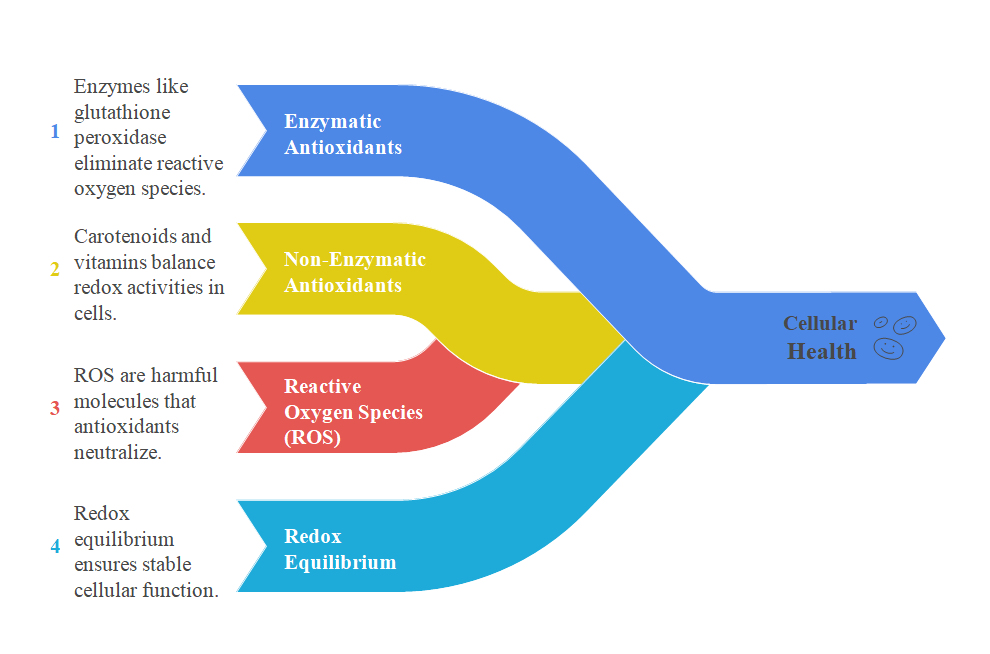
Standard anti-diabetic drugs can help lower blood glucose level but they often don’t prevent long term issues or restore Beta cell activity. Weight gain digestive problems and hypoglycemia are complications that limit patient compliance. Consequently, there is an increasing demand for complementary or alternative medications that target several disease pathways with minimal side effects. Phytochemicals offer significant therapeutic potential for controlling diabetes holistically because of their inflammatory antioxidant and insulin sensitizing properties (Annicchiarico et al., 2024). Enzymes like glutathione peroxidase, catalase and superoxide dismutase are examples of antioxidants. Carotenoids polyphenols and vitamins C and E are examples of non-enzymatic forms. These compounds are essential for eliminating reactive oxygen species (ROS). They also aid in establishing the equilibrium and redox activities within cells (Fig. 1). Numerous research findings demonstrated their significant role in preventing oxidative stress. Long term cellular health appears to depend on this function (Ghasemi-Dehnoo et al., 2020)
Phytochemicals
Plants naturally contain physiologically active compounds called phytochemicals, which give plants their color, flavor, and resistance to disease. Unlike main metabolites like proteins, lipids, and carbohydrates, which play important roles in growth and development, phytochemicals are secondary metabolites with adaptive and protective effects in plants. In humans, phytochemicals have a variety of pharmacological effects, such as antioxidant, anti-inflammatory, antidiabetic, and anticarcinogenic. Phytochemicals are necessary for the cure of chronic metabolic diseases like diabetes mellitus because of their multi-target modes of action. By influencing oxidative stress, insulin secretion, glucose absorption, and lipid metabolism, they provide all complete metabolic control mechanism (Venditti, 2020).
The Greek words phyto which means plant and chemical which refers to a substance are the sources of the word phytochemical. These chemicals are produced by biosynthetic processes, include the mevalonate pathway and the shikimic acid pathway. More than 10000 different phytochemicals can be found in medicinal or edible plants. Numerous of them appear to have a potential role for treating diabetes and its associated problems. Their abilities to act in combination are responsible for their therapeutic value. They frequently target various cell areas related to oxidative damage and glucose metabolism. For example, consider flavonoids. They suppress inflammation and improve insulin signaling. However, alkaloids improve the absorption of glucose into cells. They also limit intestinal glucose absorption. These actions can enhance the management of diabetes (Nwozo et al., 2023).
Classification of phytochemicals
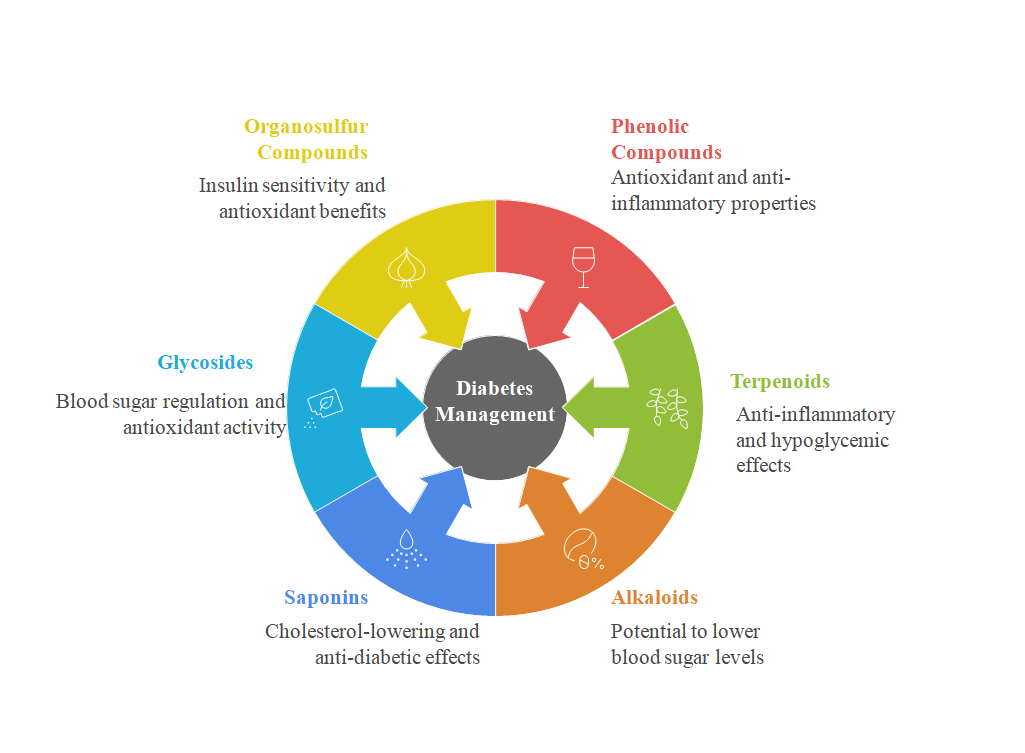
Phenolic compounds: one or more hydroxyl groups are bond to an aromatic ring in phenolic substances. They are the most prevalent class of phytochemicals that exist in nature. This group contains tannins, lignins, phenolic acids, and flavonoids. Some flavonoids offer high antioxidant properties. Rutin, naringenin, kaempferol, and quercetin also appear to increase insulin secretion. There is evidence that they also help to improve the absorption of glucose. Phenolic acids, including caffeic acid and chlorogenic acid, seem to curb hepatic gluconeogenesis. They might also block glucose absorption in the intestines. Tannins and lignans work by inhibiting specific enzymes. This action reduces the breakdown of carbohydrates which reduces glucose absorption. Because of this post-meal blood glucose levels tend to stay lower. Beyond chelating metal ions or scavenging free radicals, these phenolic compounds influence key enzymes in glucose metabolism. Alpha-amylase and alpha-glucosidase are among them (Eseberri et al., 2022).
Terpenoids: five-carbon isoprene units are the source of terpenoids, sometimes referred to as isoprenoids, a broad and varied class of phytochemicals. Monoterpenes, diterpenes, triterpenes, tetraterpenes (carotenoids), and polyterpenes are the different types of them. Terpenoids are known in diabetes studies to improve insulin production, stimulate β-cell regeneration, and alter lipid metabolism. Some examples are as follows: Gymnemic acids, found in Gymnema sylvestre, increase the release of insulin and inhibit sweet taste receptors. Ginsenosides from Panax ginseng enhances glucose absorption and insulin sensitivity. Triterpenoids, ursolic acid and oleanolic acids are known to increase the consumption of glucose in peripheral tissues by activating AMP-activated protein kinase (AMPK) (Yang et al., 2020).
Alkaloids: alkaloids are phytochemicals that contain nitrogen and, even at low quantities, have significant physiological effects. Through a variety of methods, such as α-glucosidase enzyme inhibition, improved glucose transport, and stimulation of insulin production, they exhibit hypoglycemic action. Leading antidiabetic alkaloids consist of berberine which activates AMPK and insulin receptor sensitivity is also increased (found in Berberis vulgaris). Trigonella foenum-graecum produces trigonelline, which enhances glucose tolerance and regulates lipid metabolism. Catharanthus roseus contains vindoline, which has antioxidant properties and controls glucose homeostasis (Bhambani et al., 2021).
Saponins: the hydrophobic aglycone (sapogenin) that is joined to one or more sugar chains forms saponins, which are glycosides. Because they are amphiphilic, they can interact with cholesterol molecules and cell membranes. In the treatment of diabetes, saponins have hypolipidemic effects, increase insulin production, and improve glucose tolerance. Research indicates that diosgenin from Dioscorea species, along with panaxosides obtained from Panax ginseng, can lower fasting glucose levels. These compounds also seem to protect pancreatic β-cells against oxidative damage (EI Aziz et al., 2019).
Glycosides: consist of compounds where an aglycone, which serves as the non-carbohydrate part, bonds to a sugar moiety. The possible antidiabetic properties of several kinds have been the subject of substantial research. They consist of cardiac glycosides, flavonoid glycosides and steroidal glycosides. There is evidence that they have antioxidant and anti-inflammatory properties. They seem to have significant effects on the absorption and metabolism of glucose. A good example in this case is Charantin. This steroidal glycoside is derived from Momordica charantia extracts. It also appears to increase muscle cells absorption of glucose (Wu et al., 2020).
Organosulfur compounds: according to the studies plants belonging to the Brassicaceae family contain the majority of organosulfur compounds. Broccoli and cabbage are the examples of this. Many of them belong to Allium spp. as well includes onion and garlic. There are a few notable examples. First glucosinates are thought of S-allyl cysteine, comes next Allicin also fits in. These exhibit both hypoglycemic and antioxidant properties. They help increase in antioxidants enzymes found in liver. They also seem to increase the secretion of insulin. As a result, lipid peroxidation decreases (Ruhee et al., 2020)
Mechanism of Antidiabetic Action of Phytochemicals
Many times, phytochemicals alter several metabolic pathways simultaneously (Fig. 2). They have a genuine chance of treating diabetes mellitus. Synthetic and antidiabetic medications often focus on a single primary mechanism. Instead, phytochemicals have distinct actions. They increase insulin secretion and sensitivity. They control the metabolism of glucose. They also reduce oxidative stress and inflammation. These multi-targeted actions work very well. They deal with the numerous metabolic problems associated with diabetes mellitus (Abu and Asuzu, 2018).
Enhancement of insulin secretion and β-cell regeneration
According to research, phytochemicals have antidiabetic advantages through a number of essential pathways. These methods comprise increasing the secretion of insulin. They also include avoiding oxidative damage to beta cells in the pancreas. These mechanisms appear to be associated with the management of problems connected to diabetes. It has been demonstrated that various kind of triterpenoids, alkaloids, and polyphenolic compounds can restore β-cell mass and function. In pancreatic cells, flavonoids, including rutin and quercetin, appear to influence ATP-sensitive potassium channels. This adaptation appears to significantly increase insulin secretion. Gymnemic acids from Gymnema sylvestre and other terpenoids affect the expression of the insulin gene. Research suggests that they both promote beta cell regeneration and upregulate this expression. Key factors in the pancreas are stimulated by alkaloids, such as berberine. For example, they target AMP-activated protein kinase and the transcription factor PDX-1. Over time, increased insulin release is a result of this activation. These substances help in decreasing beta cells' oxidative stress. Additionally, they prevent apoptosis, which promotes continued endogenous insulin synthesis. All things considered, the outcomes suggest possible advantages for naturally regulating insulin levels (Zhong and Jiang, 2019).
Improvement of insulin sensitivity
Insulin resistance in peripheral tissues, mainly skeletal muscle and adipose tissue, is a primary feature of Type 2 diabetes. According to research, phytochemicals improve insulin sensitivity through a number of biological pathways. The AMPK pathway's activation is important in this situation. AMPK is used as a cell's energy sensor. It promotes the absorption of glucose and fatty acid oxidation. Polyphenols, such as resveratrol and epigallocatechin gallate, seem to activate AMPK. Overall, improved glucose homeostasis may result from this procedure. Research reveals that certain phytochemicals increase GLUT4 expression. Examples are kaempferol and genistein. These compounds encourage the production and translocation of glucose transporter type 4 in muscle cells. As a result, those tissues' uptake of glucose improves.
PPARγ, or peroxisome proliferator-activated receptor gamma, controls the metabolism of fat and carbohydrates. There is evidence that some flavonoids and triterpenoids activate this nuclear receptor. This kind of activation could help in better metabolic process control. Reduced insulin resistance is also a result of the suppression of inflammatory pathways. Curcumin and catechins are among the substances that inhibit JNK and NF-κB signaling. This inhibition could minimize insulin resistance brought on by inflammation (Yaribeygi et al., 2019).
Inhibition of carbohydrate-digesting enzymes
Phytochemicals function by suppressing various intestinal enzymes. This process moves the absorption of glucose into the bloodstream and the breakdown of sugars. After meals, these systems help in lowering blood sugar levels. A significant challenge to successfully controlling diabetes is postprandial hyperglycemia. Another example is the inhibition of α-amylase and α-glucosidase. To create glucose, these enzymes break down starch and disaccharides. Tannins, flavonoids, and phenolic substances compete with them to stop this process. Both in vitro and in vivo studies show significant inhibitory effects. Syzygium cumini's ellagic acid exhibits potential in this area. Green tea's catechins have similar outcomes. Coffee's chlorogenic acid appears to have a similar effect. When compared to acarbose, a common α-glucosidase blocker, this natural inhibitory mechanism typically results in fewer gastrointestinal problems. Digestion-related side effects appear to be less frequent in general (Bhujle et al., 2025).
Anti-inflammatory mechanism
The pathogenesis of insulin resistance is greatly affected by persistent low-grade inflammation. By modifying inflammatory signaling pathways, phytochemicals appear to improve insulin responsiveness. In the process, they also help to reduce cytokine production. Studies show that the NF-κB pathway can be inhibited by curcumin, kaempferol, and resveratrol. These substances prevent NF-κB activation. As a result, they lower TNF-α, IL-6, and IL-1β production. Research indicates that these drugs suppress the JNK and MAPK pathways. Insulin receptor substrate proteins are not phosphorylated as a result of this inhibition. The total transmission of the insulin signal is enhanced by this activity. Adipokine modulation is determined by terpenoids and flavonoids. They function to balance pro-inflammatory adipokines like TNF-α and leptin. Adiponectin and other anti-inflammatory ones are also promoted. Additionally, they reduce the neurological and vascular effects of diabetes (Galecki et al., 2018).
Regulation of lipid metabolism
Dyslipidemia and type 2 diabetes frequently occur. The risk of cardiovascular disease is raised by this condition. Lipid metabolism becomes better by phytochemicals in several ways. Increased fatty acid oxidation results from PPARα and AMPK activation. Further, it reduces the synthesis of triglycerides. Polyphenols like anthocyanins and catechins prevent the synthesis of cholesterol. They target HMG-CoA reductase to do this. Studies show that substances including berberine, curcumin, and ginsenosides can raise HDL cholesterol. They also tend to lower levels of total cholesterol, LDL cholesterol, and triglycerides. These results have been verified by lab research and clinical studies. Phytochemicals appear to protect diabetics from atherosclerosis and along with cardiac problems. They accomplish this by handling lipids more efficiently. This development may also reduce insulin resistance (Wang et al., 2018).
Regulation of gut microbiota
The gut bacteria play a vital role in maintaining the body glucose homeostasis according to recent research. These gut bacteria composition and activities are influenced by phytochemicals which encourages the growth of favorable strains like Bifidobacterium and Lactobacillus species. Research indicates that this modification increases the production of short-chain fatty acids. In turn, these substances appear to improve the body's reaction to insulin and lower overall levels of inflammation (Fuke et al., 2019).
IMPORTANT PHYTOCHEMICAL GROUPS AND THEIR SOURCES
Based on their chemical composition, phytochemicals are categorized into major classes. Flavonoids, alkaloids, terpenoids, saponins, phenolic acids, glycosides, and tannins are examples of these classes. Each has unique biological effects that add to its ability in the battle against diabetes. The main categories of phytochemicals, their natural sources, and how they treat diabetes mellitus are explained in the sections that follow:
Flavonoids
Among the most prevalent classes of polyphenolic chemicals, flavonoids are present in fruits, vegetables, and therapeutic plants. Their powerful anti-inflammatory, insulin-sensitizing, and antioxidant properties are well-known. Flavonoids work by inhibiting α-glucosidase, improving insulin production, increasing glucose absorption through GLUT4 translocation, and modifying lipid metabolism. Inflammatory cytokines and oxidative stress are also suppressed. They also scavenge reactive oxygen species (ROS), help to restore redox balance (critical aspect because oxidative stress leads to insulin resistance) and reduce oxidative damage and β-cell dysfunction (Yi et al., 2023).
Onions (Allium cepa), apples (Malus domestica), and citrus fruits contain quercetin, which improves β-cell activity and glucose consumption. Kaempferol which is found in tea, spinach, and kale, lowers oxidative stress and increases insulin sensitivity. Buckwheat (Fagopyrum esculentum) contains rutin, which has insulin-otropic and α-glucosidase inhibitory properties. Green tea (Camellia sinensis) has a lot of catechins, which lower postprandial hyperglycemia and activate AMPK. Black rice, berries, and grapes are rich sources of anthocyanins, which enhance lipid metabolism and stave off insulin resistance. Therefore, flavonoids are among the most important phytochemical groups for the treatment of diabetes and its complications (Ku et al., 2020).
Alkaloids
Commonly found in plants, alkaloids are organic molecules that contain nitrogen and are well-known for their strong pharmacological effects. The hypoglycemic and insulin-sensitizing properties of many alkaloids are demonstrated. The mechanisms of action of alkaloids include AMPK activation, glucose transporter modulation, hepatic gluconeogenesis reduction, and stimulation of insulin secretion (Adhikari, 2021). Berberine, which is present in Coptis chinensis and Berberis aristata, slows intestinal glucose absorption, increases insulin sensitivity, and activates AMPK. Catharanthus roseus contains cateharanthine and vindoline, which increases insulin release and enhance glucose tolerance. Trigonella foenum-graecum, contains trigonelline, which improves β-cell regeneration and regulates glucose metabolism. Solanine found in Solanum nigrum, it can block α-glucosidase and to sensitize insulin. Alkaloids are a large family of bioactive substances with a number of possible diabetes therapy targets (Laghezza et al., 2019).
Terpenoids and Triterpenes
Terpenoids are among the most prevalent types of secondary metabolites in plants and it includes monoterpenes, diterpenes and triterpenes. They are necessary to maintain the equilibrium between glucose and lipids. Terpenoids promote β-cell regeneration, improve glucose absorption, increase insulin production and activate AMPK signaling pathways. They modulate redox-sensitive signaling pathways (activation of Nrf2 and inhibition of NF- κB). They also scavenge ROS and enhance the activity of the endogenous antioxidant defense system (Singh et al., 2022).
Gymnemic acids these acids are present in Gymnema sylvestre, restore β-cell functions and minimize intestinal glucose absorption. Ginsenosides which are present in Panax ginseng enhance insulin sensitivity and decreases oxidative stress. Oleanolic acid is found in both Syzygium cumini and olive leaves. It has antioxidant and α-glucosidase inhibiting effects. Apple peels and rosemary have ursolic acid, which enhances fat metabolism and glucose absorption. Luteol, which is present in Aloe vera and Mangifera indica enhances insulin release from β-cell and lower oxidative damage. These plants metabolites offer a multitargeted and minimal-damaging treatment for hyperglycemia and dyslipidemia.
Saponins
Saponins are glycosidic compounds that have surfactant properties and can also produce foams in aqueous solutions. They contain hypolipidemic, antioxidant and antihyperglycemic qualities. Saponins lower intestinal glucose absorption, increase lipid metabolism, enhance insulin production and block α-amylase (Choudhary et al., 2021). Diosgenin this compound is present in Trigonella foenum-graecum and Dioscorea villosa, enhances insulin release and protects β-cells. Ginseng has terpenoidal saponins, also known as ginsenosides, increases insulin sensitivity and glucose metabolism. Glycine max contains soyasaponins, decreases cholesterol levels and increases glucose tolerance. Astragalosides, which are beneficial for diabetics, have anti-inflammatory and antioxidant effects and are produced by Astragalus membranaceus (Zhou and Xu 2023).
Phenolic Acids
Phenolic acids, such as hydroxybenzoic and hydroxycinnamic acid derivatives, are found in many medicinal plants and have antioxidant properties. Studies have shown that they increase glucose metabolism and reduce oxidative stress. Phenolic acids protect pancreatic β-cells from oxidative stress, enhance glucose absorption and block α-glucosidase. They also reduce oxidative stress and improve insulin sensitivity (Deka et al., 2022). Chlorogenic acid, present in coffee and cynara scolymus, promotes insulin sensitivity and lower glucose absorption. Caffeic acid, which is present in coffee, fruits and plants increases antioxidant defense and reduce gluconeogenesis. Ferulic acid, which decreases lipid peroxidation and enhances insulin secretion, is present in grain, rice and Angelica sinensis. Gallic acid, which have antioxidant and α-amylase inhibitory qualities, is present in Emblica officinalis or amla (Rashmi and Negi, 2020).
Glycosides
Aglycone, a non-sugar component, is joined to a sugar moiety to form glycosides. They exhibit a variety of pharmacological characteristics, such as antidiabetic effects. Glycosides alter the metabolism of carbohydrates, suppress the absorption of glucose, and control the release of insulin. They also non-selectively inhibit sodium glucose co-transporter proteins (SGLT1 and SGLT2) and carbohydrate digesting enzymes (Adki and Kulkarni, 2021). The natural sweetener stevioside, which comes from Stevia rebaudiana, has insulin-otropic properties. Momordicosides which is found in bitter melon, Momordica charantia, enhances glucose absorption and insulin secretion. Olive leaves contain oleeuropein, which has anti-oxidant and hypoglycemic properties. Found in Mangifera indica, mangiferin improves glucose metabolism and regulates PPARγ (Cid -Ortega and Monroy-Rivera, 2018).
Tannins
High molecular weight polyphenols called tannins are well-known for their antioxidant and astringent qualities. According to reports, they have hypoglycemic effects in a number of experimental models. Tannins work by preventing lipid peroxidation, improving glucose consumption, and inhibiting digestive enzymes (Oluwole et al., 2022). Inhibit α-glucosidase and improve insulin sensitivity with ellagannins, which are present in pomegranates (Punica granatum). Grape seeds and cocoa contain proanthocyanidins, which have potent antioxidant and β-cell-protective properties. Gallotannins, which is found in Terminalia chebula, they lower oxidative stress and the absorption of glucose (Sharma et al., 2021).
Lignins
Significant roles in glucose control and antioxidant defense are played by the small but powerful groups of phytochemicals known as lignans and stilbenes. Mechanism of Action: By reducing oxidative stress and increasing insulin sensitivity, these substances activate the AMPK pathway (Qi et al., 2025). Resveratrol (stilbene) a substance that enhances mitochondrial activity and activates AMPK, it is present in peanuts, red wine, and grapes. Secoisolariciresinol, also known as lignan, is an antioxidant and insulin-sensitizing substance found in flaxseed (Lu et al., 2022).
CONCLUSION
One complex metabolic disease is diabetes mellitus. Sustained elevated blood sugar levels are its primary characteristic. These result from problems with the efficacy or manufacturing of insulin, or sometimes both. Despite advancements in the creation of synthetic drugs, some obstacles still exist. These include unfavorable side effects, expensive prices, and restricted availability in many locations. Phytochemicals provides attractive alternatives or supplements to conventional therapies. These plant-based active chemicals are well-known for their wide-ranging effects, solid safety records, and natural origins. Alkaloids, flavonoids, terpenoids, phenolic acids, tannins, and saponins are only a few of the types that have been studied. Each appears to have an impact on important diabetes-related processes. They aid in protecting pancreatic beta cells from harm. Additionally, they inhibit the enzymes that break down carbohydrates. These substances also increase the release of insulin. They lower oxidative stress in the body and improve insulin sensitivity. Curcumin, resveratrol, berberine, quercetin, and catechins are a few of the notable examples. Small human trials and animal models provide evidence of their significant potential advantages. There are various benefits of using phytochemicals in the treatment of diabetes. Overall, the chances of toxicity are typically lower. In the long term, they prove to be more economical. Additionally, they may complement current medications for improved outcomes.
References
- Aba PE and IU Asuzu, 2018. Mechanisms of actions of some bioactive anti-diabetic principles from phytochemicals of medicinal plants: A review. Indian Journal of Natural Products and Resources 9:85-96.
- Abdel-Hamid NM, AA EI-Nekeety, MA Abdel-Wahhab et al., 2020. Phytochemicals in diabetes management. Journal of Diabetes and Metabolic Disorders 19:901–15.
- Adhikari B, 2021. Roles of alkaloids from medicinal plants in the management of diabetes mellitus. Journal of Chemistry 2021:2691525.
- Adki KM and YA Kulkarni, 2021. Glycosides from natural sources in the treatment of diabetes mellitus. Structure and Health Effects of Natural Products on Diabetes Mellitus 20:81-102
- American Diabetes Association, 2024. Diagnosis and classification of diabetes: Standards of care in diabetes 2024. Diabetes Care 47:20–26.
- Annicchiarico A, B Barile, C Buccoliero et al., 2024. Alternative therapeutic strategies in diabetes management. World Journal of Diabetes 15:1142.
- Atkinson MA, GS Eisenbarth and AW Michels, 2021. Type 1 diabetes. The Lancet 398:69–82.
- Bhambhani S, KR Kondhare and AP Giri, 2021. Diversity in chemical structures and biological properties of plant alkaloids. Molecules 26:3374.
- Bhujle RR, N Nayak, N Gowda et al., 2025. A comprehensive review on influence of millet processing on carbohydrate-digesting enzyme inhibitors and implications for diabetes management. Critical Reviews in Biotechnology 45:743-65.
- Burgos-Morón E, Z Abad-Jiménez, A Martinez et al., 2019. Relationship between oxidative stress, ER stress, and inflammation in type 2 diabetes: the battle continues. Journal of Clinical Medicine 8:1385.
- Choudhary N, GL Khatik and A Suttee, 2021. The possible role of saponin in type-II diabetes-a review. Current diabetes reviews17:107-121.
- Cid-Ortega S and JA Monroy-Rivera, 2018. Extraction of kaempferol and its glycosides using supercritical fluids from plant sources: A review. Food technology and biotechnology 56:480-93.
- DeFronzo RA, E Ferrannini, L Groop., et al., 2021. Type 2 diabetes mellitus. Nature Reviews Disease Primers 7:33.
- Deka H, A Choudhury and BK Dey, 2022. An overview on plant derived phenolic compounds and their role in treatment and management of diabetes. Journal of Pharmacopuncture 25:199.
- El Aziz MMA, AS Ashour and G Melad, 2019. A review on saponins from medicinal plants: chemistry, isolation, and determination. Journal of Nanomedicine and Research 8:282-288.
- Eseberri I, J Trepiana, A Léniz et al., 2022. Variability in the beneficial effects of phenolic compounds: A review. Nutrients 14:1925.
- Evans JL, ID Goldfine, BA Maddux et al., 2020. Oxidative stress and stress-activated signaling pathways: A unifying hypothesis of type 2 diabetes. Endocrine Reviews 23:599–622.
- Fuke N, N Nagata, H Suganuma et al., 2019. Regulation of gut microbiota and metabolic endotoxemia with dietary factors. Nutrients 11:2277.
- Galecki P, J Mossakowska-Wójcik and M Talarowska., 2018. The anti-inflammatory mechanism of antidepressants–SSRIs, SNRIs. Progress in Neuro-Psychopharmacology and Biological Psychiatry 80:291-94.
- Ghasemi-Dehnoo M, Amini-Khoei, H Lorigooini et al., 2020. Oxidative stress and antioxidants in diabetes mellitus. Asian Pacific Journal of Tropical Medicine 13:431-38.
- Goldberg IJ, 2019. Diabetic dyslipidemia: Causes and consequences. The Journal of Clinical Endocrinology and Metabolism 104:4391–4401.
- Henriksen EJ, MK Diamond-Stanic and EM Marchionne, 2011. Oxidative stress and the etiology of insulin resistance and type 2 diabetes. Free Radical Biology Medicine, 51:993–99.
- Ku YS, MS Ng, SS Cheng et al., 2020. Understanding the composition, biosynthesis, accumulation and transport of flavonoids in crops for the promotion of crops as healthy sources of flavonoids for human consumption. Nutrients 12:1717.
- Laghezza Masci V, S Bernardini, L Modesti et al., 2019. Medicinal plants as a source of alkaloids. In Medically Important Plant Biomes: Source of Secondary Metabolites 85:113.
- Wang CCL, CN Hess, WR Hiatt, et al., 2016. Clinical update: Cardiovascular disease in diabetes mellitus. Circulation, 133:2459–2502.
- Lu X, X Gu, and Y Shi, 2022. A review on lignin antioxidants: Their sources, isolations, antioxidant activities and various applications. International Journal of Biological Macromolecules 210:716-41.
- Mazur TS, NV Demikhova, TM Rudenko et al.,2021. Chronic inflammation and progression of chronic kidney disease in patients with type 2 diabetes 9:18-20
- Mlynarska E, W Czarnik, N Dzieża et al., 2025. Type 2 diabetes mellitus: new pathogenetic mechanisms, treatment and the most important complications. International journal of molecular sciences26:1094-1118
- Moller DE, KM Kaufman and ML Evans, 2020. Secondary diabetes: Etiology and management. Endocrinology and Metabolism Clinics of North America 49:661–75.
- Nwozo OS, EM Effiong, PM Aja et al., 2023. Antioxidant, phytochemical, and therapeutic properties of medicinal plants: A review. International Journal of Food Properties 26:359-88.
- Oluwole O, WB Fernando, J Lumanlan et al., 2022. Role of phenolic acid, tannins, stilbenes, lignans and flavonoids in human health–a review. International Journal of Food Science and Technology57:6326-35.
- Qi S, H Yang, T Fang et al., 2025. Antioxidative Lignin Materials Attenuate Type 2 Diabetes Mellitus (T2DM) Progression by Preserving Glutathione via Insulin Receptor Substrate 1/Phosphoinositide 3-Kinase/Protein Kinase B (IRS1/PI3K/AKT) Axis. Journal of Bioresources and Bioproducts 10:631-47
- Rashmi HB and PS Negi, 2020. Phenolic acids from vegetables: A review on processing stability and health benefits. Food Research International 136:109298.
- Ruhee RT, LA Roberts and K Suzuki, 2020. Organosulfur compounds: A review of their anti-inflammatory effects in human health. Frontiers in nutrition 7:64.
- Sharma K, V Kumar, J Kaur et al., 2021. Health effects, sources, utilization and safety of tannins: A critical review. Toxin Reviews 40:432-44.
- Singh S, A Bansal, V Singh et al.,2022. Flavonoids, alkaloids and terpenoids: a new hope for the treatment of diabetes mellitus. Journal of Diabetes and Metabolic Disorders 21:941-50.
- Venditti A, 2020. What is and what should never be: artifacts, improbable phytochemicals, contaminants and natural products. Natural product research 34:1014-31.
- Wang Q, S Liu, A Zhai et al., 2018. AMPK-mediated regulation of lipid metabolism by phosphorylation. Biological and Pharmaceutical Bulletin 41:985-93.
- Wu L, MI Georgiev, H Cao et al., 2020. Therapeutic potential of phenylethanoid glycosides: A systematic review. Medicinal Research Reviews 40:2605-49.
- Yang W, X Chen, Y, Li et al., 2020. Advances in pharmacological activities of terpenoids. Natural Product Communications 15:1934578.
- Yaribeygi H, SL Atkin, LE Simental‐Mendía et al., 2019. Molecular mechanisms by which aerobic exercise induces insulin sensitivity. Journal of Cellular Physiology 234:12385-92.
- Yi X, M Dong, N Guo et al., 2023. Flavonoids improve type 2 diabetes mellitus and its complications: A review. Frontiers in Nutrition 10:1192131
- Zhong F and Y Jiang, 2019. Endogenous pancreatic β cell regeneration: a potential strategy for the recovery of β cell deficiency in diabetes. Frontiers in Endocrinology 10:101.
- Zhou Y and B Xu, 2023. New insights into anti-diabetes effects and molecular mechanisms of dietary saponins. Critical Reviews in Food Science and Nutrition 63:12372-97.