

INTRODUCTION
Pharmacokinetics (PK), which defines how a medication passes through an animal's body, and pharmacodynamics (PD), which explains the way the drug creates effects within the body, are the two interconnected pillars that support the field of veterinary pharmacology (Blaschke, 2012, Toutain et al., 2010). The enormous diversity of desired species and breeds increases the difficulty in veterinary treatment. Animal physiology, metabolic pathways, anatomical structure, and excretory processes vary greatly, and these variations can have a significant impact on medication absorption, distribution, metabolism, and elimination (Lin, 1995, Anadón, 2016). Because of this, it is not possible to simply scale dosing regimens based on body weight; instead, factors such as organ function, enzyme activity, and species- and breed-specific physiology must be considered (Baggot, 1992).
PHARMACOKINETICS IN ANIMALS
The processes by which a medication is absorbed, distributed, metabolized, and expelled (ADME) by the body are included in pharmacokinetics (PK). The time history of drug concentration in plasma and tissues, which in return affect both therapeutic and harmful consequences, is determined by these mechanisms taken together (Blaschke, 2012). For rational dosage design, forecasting start and duration of action, and calculating withdrawal intervals in food-producing animals, a precise understanding of PK characteristics is essential (Luo et al., 2019).
Absorption
Routes of drug administration
Enteral (such as oral, sublingual, and rectal) and parenteral (such as intravenous, intramuscular, and subcutaneous) methods are the two main ways that medications can be administered in veterinary medicine (Shellim, 2011). Different species have unique gastrointestinal traits that have a big impact on oral medication absorption. Parenteral administration, on the other hand, avoids the gastrointestinal tract and can guarantee quick and total systemic availability, particularly in situations when enteral bioavailability is erratic.
Factors affecting absorption
Numerous medications and host-dependent factors affect the absorption efficiency. The rate and degree of absorption are greatly influenced by physicochemical characteristics of the medication, including lipophilicity, molecular weight, degree of ionization (pKₐ related to the surroundings pH), and solubility (Caldwell et al., 1995). The pH of the absorption site (such as the stomach vs the intestine) affects ionization and, consequently, membrane permeability and absorption in the case of weak acids or bases (Murrell, 2010). Host variables can have a major effect. The presence or lack of transporters or metabolizing enzymes in enterocytes, gastrointestinal motility, surface area of absorption (largest in the small intestine), blood flow, (Table 1) lymphatic flow, and particular species of gut physiology (e.g., monogastric vs. ruminant) can all affect the bioavailability of oral medications (Martinez et al., 2022).
| Species | Effect on Absorption | Clinical Implication | References |
|---|---|---|---|
| Ruminants | Rumen microflora degrade many antimicrobials | Penicillin and streptomycin degraded before systemic absorption | Smith et al., 2023 |
| Horses | Extensive hindgut fermentation → reduced absorption of ionizable drugs | Tetracyclines show poor oral bioavailability | Martinez et al., 2022 |
| Poultry | Very rapid intestinal transit limits mucosal contact time | Poor absorption of several antibiotics (e.g., β-lactams) | Kang et al., 2019 |
| Cats | Low glucuronidation capacity + variable feeding behavior | Acetaminophen toxicity risk; unpredictable absorption of some NSAIDs | Sutton, 2004 |
| Dogs | Faster gastric emptying enhances the absorption of lipophilic drugs | Higher bioavailability of certain oral opioids vs ruminants | Sutton, 2004 |
| Swine | Gastric pH changes with age and feeding → altered dissolution | Young pigs absorb weak bases more effectively than adults | Martinez et al., 2022 |
| Rabbits | Large cecum and hindgut fermentation reduce the stability of some drugs | β-lactams disrupted by cecal flora, risking dysbiosis | Jerzsele, 2012 |
| Sheep | Saliva dilution alters the dissolution rate of oral medications | Hydrophilic drugs may require higher oral dosages | Myers et al., 2021 |
| Goats | Faster GI transit than cattle → lower oral bioavailability | Frequent dosing is required for certain antimicrobials | Myers et al., 2021 |
| Camelids | Neutral rumen pH affects drug ionization and uptake | Reduced absorption of weak acids in alpacas | Kreuder et al., 2012 |
| Fish | Water temperature and stress alter GI motility and uptake | Oral antibiotics vary in absorption depending on tank conditions | Yu et al., 2023 |
Distribution
Determinants of distribution
A medication is dispersed throughout the body through blood flow and diffusion across biological membranes following absorption and entrance into systemic circulation (Fig. 1). Plasma protein binding, tissue perfusion, lipophilicity, cell barrier penetration, and the drug's volume of distribution (Vd) are some of the factors that determine the extent and distribution pattern (Korzekwa and Nagar, 2016; Currie, 2018). Highly lipophilic drugs that can pass through cell membranes typically have substantial volumes of distribution (generally > 0.6 L/kg), indicating widespread distribution into tissues outside of plasma or extracellular fluid. Neonates, obese animals, and birds have unique drug distribution patterns that directly affect therapeutic dosing techniques and toxicity risk, as Table 2 summarizes.
Metabolism (Biotransformation)
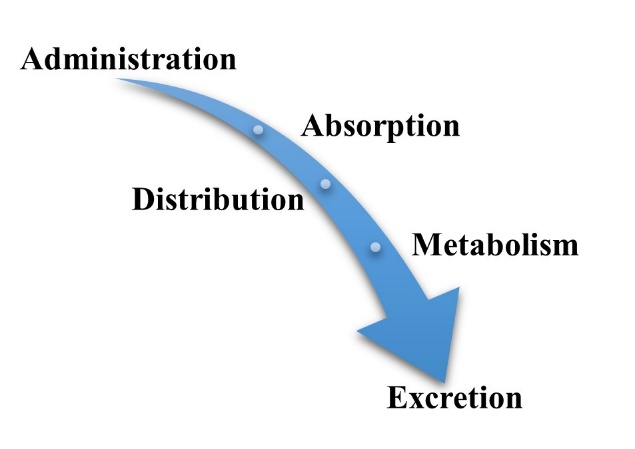
Distribution can also be influenced by physiological and pathological factors, such as species differences in body water content, plasma protein levels, disease-mediated alterations (e.g., edema, inflammation, dehydration), age, or acid-base balance. Parent drug molecules undergo metabolism, which mostly takes place in the liver, to become more water-soluble metabolites that can be eliminated. Phase I (oxidation, reduction, hydrolysis) and Phase II (conjugation) are the two phases that often make up this process. Together, they aid in detoxification, activation (for pro-drugs), or, in certain situations, the production of hazardous metabolites (Mills et al., 2025). Metabolic enzyme inadequacies differ greatly between species (Table 3). Dogs exhibit delayed acetylation, pigs have poor sulfation capacity, birds exhibit rapid metabolic clearance, and cats lack glucuronidation. Due to these variations, medication therapy must be chosen and modified according to the species (Anadón, 2016).
Excretion
The last stage of pharmacokinetics is drug excretion, which controls how parent chemicals and their metabolites are removed from the body. There are several ways that excretion can happen, including the kidneys (urine), the gastrointestinal system (bile → feces), the lungs (volatile chemicals), and milk in nursing animals (Lees and Toutain, 2012). The physicochemical characteristics of the medication (such as lipophilicity and ionization), specific to species physiology, and the type of metabolic transformation all influence the relative role of each route.
Routes of excretion
A significant route for many veterinary medications is renal excretion (Anadón, 2016). Active tubular secretion, glomerular filtration, and occasionally passive or active tubular reabsorption are all involved (Javed et al., 2006). The balance between these activities determines the net excretion through the urine: the glomerulus filters only the unbound part of the drug in plasma; active secretion thus increases elimination exceeding filtration, whereas reabsorption can decrease net excretion. Crucially, the ionization state of many medications is influenced by urine pH, which impacts their passive reabsorption and eventual elimination (Luo et al., 2019).
| Species/ Condition | Key Distribution Feature | Clinical Impact | References |
|---|---|---|---|
| Obese dogs | High adipose tissue → increased volume of distribution for lipophilic drugs | Barbiturates accumulate, leading to prolonged recovery | Cheymol, 1993 |
| Birds | Elevated metabolic rate → faster redistribution and clearance | Inhalant anesthetics require increased frequency or concentration | Woods et al., 2023 |
| Geriatric animals | Reduced perfusion to the liver and kidney → slower elimination | NSAIDs may accumulate → toxicity risk | Toutain et al., 2010 |
| Cats | Limited glucuronidation impacts distribution and metabolism | Morphine and aspirin require modified dosing | Baggot, 1992 |
| Cattle (adult) | High rumen volume dilutes drugs → slower systemic availability | Lipophilic drugs may distribute into ruminal contents | Caldwell et al., 1995 |
| Horses (athletic) | Large muscle mass increases intramuscular uptake | IM injections are absorbed rapidly, with a short duration of effect | Baggot, 1992 |
| Reptiles | Ectothermic distribution varies with temperature | Cold environment ↓ distribution → delayed drug effect | Ting et al., 2022 |
| Fish | High water content → hydrophilic drugs distribute widely | Water-soluble antibiotics rapidly reach systemic levels | Yu et al., 2023 |
| Pregnant animals | Increased blood volume + placental transfer | Local anesthetics and corticosteroids may cross to the fetus | Lin et al., 2021 |
For lipophilic substances or those that undergo substantial metabolism, hepatobiliary excretion, the removal of drugs or metabolites through bile into the gastrointestinal tract, and eventually feces, is especially important (King and Jung, 2021). The intricacy of elimination pathways is further shown by studies conducted on vitacoxib in rodents that showed notable drug (and metabolite) recovery through urine, feces, and bile (Wang et al., 2022). Less frequently, medications can be expelled by perspiration, saliva, milk in nursing animals, or exhalation (volatile anesthetics) (Lees and Toutain, 2012). When creating dosing schedules or withdrawal times for food animals, these other routes are especially crucial in some species or under particular physiological circumstances (such as breastfeeding, renal impairment, or hepatic dysfunction) (Lees and Toutain, 2012; Jerzsele, 2012).
PHARMACODYNAMICS IN ANIMALS
Pharmacodynamics (PD) describes how medications interact with biological targets, cause physiological reactions, and have either therapeutic or harmful effects on the body, whereas pharmacokinetics defines how the body reacts to a drug. Understanding medication efficacy, potency, duration of action, and species-specific sensitivity in veterinary medicine is guided by PD principles.
| Species | Deficient / Altered Metabolic Pathway | Clinical Implication / Example | References |
|---|---|---|---|
| Cats | Glucuronidation deficiency | High susceptibility to acetaminophen (paracetamol) toxicity | Court, 2013 |
| Dogs | Slow acetylation pathway | Sulfonamides may accumulate → risk of hepatotoxicity and keratoconjunctivitis sicca | Court, 2013 |
| Pigs | Reduced sulfation capacity | Poor metabolism of phenolic drugs → prolonged effects or toxicity | Martin and Hsu, 2008 |
| Horses | Variable CYP450 isoenzyme activity | Adjust dosing of sedatives and NSAIDs to avoid over-sedation or GI complications | Toutain et al., 2010 |
| Cattle | Limited hepatic oxidation at high rumen load | Drug withdrawal times must be extended for food safety | Caldwell et al., 1995 |
| Sheep and goats | Faster hepatic metabolism compared to cattle | Require higher or more frequent dosing of certain anthelmintics | Aksit et al., 2015 |
| Birds | Rapid metabolic clearance through the liver | Higher dose/kg needed for many antibiotics; short dosing intervals | Aksit et al., 2015 |
| Reptiles | Temperature-dependent enzyme activity | Cold conditions slow metabolism → prolonged anesthetic recovery | Ting et al., 2022 |
| Fish | Low glucuronidation, high renal excretion | Waterborne drugs must be carefully monitored to avoid accumulation | Yu et al., 2023 |
Drug – Receptor Interactions
The majority of clinically significant medications work by attaching themselves to certain cellular macromolecules, such as transporters, enzymes, or receptors. The ligand (drug) binds in reverse to its receptor in receptor-mediated drug action; this binding is controlled by the number of accessible receptor sites (Bmax) and affinity, or how strongly the drug binds (Lees et al., 2004). Increasing a drug's concentration above a particular point may no longer boost its efficacy since receptors are saturated and have a limited quantity. The typical sigmoidal form of dose-response curves used in pharmacodynamics is caused by this saturation phenomenon (Buxton, 2006). Therefore, predicting both positive and negative pharmacological effects in animals requires an understanding of receptor occupancy, binding kinetics, and subsequent signaling.
Signal Transduction Pathways
A series of intracellular signal transduction processes is frequently set off when a drug interacts with a receptor. Depending on the kind of receptor (ion-channel, G protein-coupled receptor, enzyme-linked receptor, nuclear receptor), second messengers (like calcium or cAMP), phosphorylation cascades, alterations in gene transcription, or direct control of enzyme activity may all be involved in the downstream signaling (Buxton, 2006). These routes affect the type, duration, and severity of pharmacological effects. Agonist coupling to a GPCR, for instance, can result in slower effects (like changed gene transcription) or faster changes (like ion channel opening). In a similar vein, antagonists may reduce or eliminate the physiological effect by blocking or modifying these pathways.
Dose – Response Relationships
Dose-response relationships in pharmacology measure the link between drug concentration and effect. The graded dose-response curve and the quantal dose-response curve are the two main models that are employed (Lees et al., 2004).
Graded dose – response curve
A continuous connection between the level of drug and action in a single person or tissue is described by the graded dose-response curve. The effect usually increases with increasing drug concentration until it reaches a maximum (Emax). This connection aids in defining efficacy and potency (Faccenda et al., 2018).
Quantal dose–response curve
The quantal dose-response curve, on the other hand, depicts the percentage of the population that displays a specific outcome against dose. In veterinary medicine, this approach is especially helpful for assessing individual variance, safety margins, and population-level reactions. For instance, determining the level of dose at which 50% of a group reacts (ED-50) or has negative effects (TD-50) helps with risk-benefit analysis and regulatory choices.
| Drug Class | PK/PD Driver | Key Dosing Strategy | Examples |
|---|---|---|---|
| Aminoglycosides | Concentration-dependent | High dose, long interval; aim for Cmax/MIC ≥ 8–10 | Gentamicin Amikacin |
| Beta-lactams | Time-dependent | Frequent dosing or continuous infusion; maintain %T>MIC > 40–50% | Penicillin Amoxicillin Cephalosporins |
| Fluoroquinolones | Concentration-dependent (AUC/MIC) | Once daily; maximize AUC/MIC ratio | Enrofloxacin Marbofloxacin |
| Macrolides | Time-dependent with post-antibiotic effect (PAE) | Long-acting formulations preferred | Tilmicosin Erythromycin Azithromycin |
| Tetracyclines | Time-dependent | Maintain steady plasma concentration; oral/IM sustained release | Oxytetracycline Doxycycline |
| Lincosamides | Time-dependent | Multiple daily dosing | Clindamycin Lincomycin |
| Polymyxins | Concentration-dependent | High peak plasma levels; careful toxicity monitoring | Polymyxin B Colistin |
| Phenicols | AUC/MIC-dependent | Adjust based on species metabolism | Florfenicol Chloramphenicol |
| Pleuromutilins | Time-dependent | Maintain exposure above MIC | Tiamulin (mainly in swine/poultry) |
PK/PD INTEGRATION
A potent technique for improving medication therapy in veterinary medicine is the combined use of pharmacokinetics and pharmacodynamics, which connects concentration-time profiles (PK) with concentration-effect connections (PD). Clinicians may anticipate the onset, intensity, and duration of pharmacological effects by combining PK data with PD factors. This allows them to customize dosage regimens that maximize efficacy and reduce toxicity (Ahmad et al., 2016, Toutain et al., 2021). Antimicrobial dosage techniques are determined by PK/PD indices, as Table 4 summarizes. Designing successful and resistant-preventing antimicrobial regimens for a variety of veterinary animals requires an understanding of these principles.
Clinical Significance
PK/PD indices, such as the proportion of the area that lies under the free-drug plasma concentration–time curve to the lowest inhibitory concentration (fAUC/MIC) or the amount of time that free drug concentration surpasses MIC (fT > MIC), have been widely used in veterinary practice to guide dosing regimens for various species in antimicrobial therapy (Luo et al., 2019, Toutain et al., 2021) This strategy reduces the possibility of toxicity or resistance development while ensuring adequate drug exposure to eradicate or suppress infections. PK/PD integration facilitates logical choice of doses for analgesics, anti-inflammatories, and other therapeutic groups in addition to antimicrobials, particularly in situations when species-specific data are not available. In these situations, extrapolation and correction are made possible by merging known PK parameters (such as clearance and half-life) with PD data, which lowers the risk of underdosing or overdose (Toutain and Lees, 2004, Visser, 2018).
SPECIES AND BREED DIFFERENCES IN PHARMACOKINETICS (PK) AND PHARMACODYNAMICS (PD)
Because anatomical, physiological, and genetic characteristics (enzyme systems, transporters, body composition, GI physiology) produce significant and frequently unanticipated variation in drug exposure and reaction, species and breed differences are a major issue in veterinary pharmacology. The ABCB1 (MDR1) deletion in Collies that results in ivermectin and other P-gp substrate neurotoxicity, the feline deficiency in UGT-mediated glucuronidation that causes acetaminophen toxicity, and the breed differences in anesthetic drug metabolism associated with CYP variability in sighthounds (Greyhounds) are classic examples (Court, 2013, Martinez et al., 2020). Therefore, to create safe and efficient regimens, clinicians must rely on species-specific PK/PD investigations, breed-specific genetic testing when applicable, and therapeutic medication monitoring (Fleischer et al., 2008).
Why Species and Breed Differences Matter
The effectiveness and safety of veterinary treatments can be significantly impacted by differences in physiology, metabolism, and drug management between and within species (breeds). Data from one species or breed cannot always be successfully generalized to others due to observed differences in ADME, receptor sensitivity, and downstream pharmacodynamic reactions. For instance, there are significant differences in drug disposition and reaction between species and even between dog breeds due to factors like body composition (fat vs. lean mass), organ size and function, enzyme expression levels, and transporter activity (Fleischer et al., 2008).
Practically speaking, neglecting these differences could result in overdose (toxicity), underdosing (and therapeutic failure), or unanticipated adverse effects. This is particularly important in veterinary care, where professionals frequently treat a wide range of species, each with its own physiology, including cattle, companion animals, and exotic species. The risk of using empirical dosage procedures is further increased by the paucity of data accessible for many species or breeds (Fleischer et al., 2008).
Mechanisms that Drive Inter-Species and Breed Variation
Absorption differences
Oral bioavailability and absorption rate are affected by GI anatomy and transit duration. The big forestomach (rumen) of ruminants can alter or decrease the absorption of oral drugs and potentially allow microbial breakdown. For the identical formulation, the oral bioavailability patterns of horses, dogs, and cats varied significantly (Jenkins, 1986, Aksit et al., 2015).
Distribution differences
Free drug concentration (active part) is impacted by species-specific variations in plasma protein binding (albumin, α1-acid glycoprotein). Interspecies variations in protein binding are clinically significant for a number of antibiotics and other medications. Lipophilic medications' volume of distribution is altered by the quantity of body fat (Colclough et al., 2014).
Metabolism (phase I/II) and transporters
Various species express various glucuronosyltransferases (UGTs) and cytochrome P450 (CYP) isoenzymes. Certain UGTs are necessary for the detoxification of phenolic medicines, although some species lack them. Breed-specific variations in P-glycoprotein transport activity are significant for medications that are P-gp substrates. One of the most significant clinical causes of species/breed medication sensitivity is these metabolic/transport variations (Court, 2013).
Excretion and enterohepatic processes
Biliary excretion and renal physiology (glomerular filtration rates, tubular secretion/reabsorption) vary, affecting half-life and clearance. In certain animals, enterohepatic recycling can extend the half-life of drugs (Lin, 1995).
Breed-Level Pharmacogenomics and Clinically Useful Tests
ABCB1 (MDR1) genotyping
The ABCB1-1Δ deletion in dogs is one of the most clinically significant pharmacogenomic indicators in veterinary practice. Many P-gp substrate medications (anthelmintics like ivermectin or milbemycin; some chemotherapeutics; loperamide; some sedatives) are more likely to cause neurotoxicity as a result of this mutation, which impairs P-gp activity and modifies drug distribution, particularly across the blood–brain barrier (Mealey, 2004, Mealey and Meurs, 2008). Veterinarians can detect at-risk animals before providing potentially harmful drugs by using the straightforward and popular technique of genotyping dogs for ABCB1 (Mealey, 2004, Deshpande et al., 2016).
Breed risk awareness
When testing for genes is not accessible, knowledge of breed propensity aids in directing empirical therapy. The ABCB1-1Δ allele was found in 5,368 dogs of various breeds, mostly in herding breeds (such as collies, Australian shepherds, Shetland sheepdogs, and Border collies) and certain mixed-breed dogs. Veterinarians should therefore be cautious when treating these breeds, even in the absence of genotyping, by lowering dosages or avoiding high-risk medications. Veterinarians should therefore be cautious when treating these breeds, even in the absence of genotyping, by lowering dosages or avoiding high-risk medications (Mealey, 2004).
Furthermore, breed distinctions go beyond ABCB1. Drug management may be impacted by metabolic peculiarities, differences in organ function, body composition, and physiological characteristics (such as renal, hepatic, and gastrointestinal) (Fleischer et al., 2008).
RECENT ADVANCES
Pharmacogenomics in Veterinary Medicine - Precision Dosing for Animals
Pharmacogenomics, or the interaction of genetics and pharmacological response, has gained more attention in veterinary medicine in recent years. The ABCB1-1Δ polymorphism in dogs, which influences P-gp function and drug disposition, is the classic example (Mealey et al., 2019). Beyond ABCB1, it is becoming more widely acknowledged that interbreed differences in drug metabolism and sensitivity may be caused by polymorphisms in cytochrome P450 enzymes, transporters, and conjugating enzymes. Such genetic variations have significant effects on risk prediction, medication selection, and dose adjustment, despite the paucity of available data (Suthamnatpong and Ponpornpisit, 2022). A viable route toward "precision dosing" in veterinary practice, personalized therapy for animals that may lessen adverse medication reactions and increase efficacy, is provided by genotyping for known variations.
Nano-formulations and Controlled Drug-Delivery Systems in Veterinary Practice
Veterinary treatments are rapidly changing due to nanotechnology. Polymeric nanoparticles, liposomes, and nanogels are examples of nanoparticle-based drug delivery systems that provide targeted distribution, enhanced bioavailability, sustained release, and less frequent dosage (Lainetti et al., 2020, Sapino et al., 2022). For instance, liposomal anticancer medication formulations, such as liposomal Doxorubicin, have demonstrated potential in veterinary oncology to boost drug concentration in tumor tissues while lowering systemic toxicity (Kazemi, 2025). Beyond cancer, nanoparticle-mediated delivery may enhance the management of parasite disorders, chronic infections, and inflammatory ailments. It may also facilitate the delivery of vaccines or immunomodulation in animals and companion animals. There are still issues with long-term safety, species-specific carrier pharmacokinetics, regulatory approval, and scalability in large production (Zhou et al., 2024, Soriano Pérez et al., 2025).
PK/PD modelling software - tools that enable rational, model-based dosing
The use of sophisticated PK/PD modeling techniques has enhanced the capacity to forecast drug behavior, simplify dosage schedules, and reduce risk. PK/PD modeling is a potent and increasingly essential method in veterinary drug research and clinical practice, especially for antimicrobials, according to reviews (Toutain et al., 2021, Ahmad et al., 2016). Additionally, recent research shows how integrated PK/PD models can be used with in vivo animal infection models. PK/PD modeling, for example, was utilized in a study involving piglets treated with marbofloxacin to predict the best dosage against bacterial infection, demonstrating the practicality of these approaches (Zeng QingLin et al., 2017). Such models will get more sophisticated as data collection, computing capacity, and interdisciplinary cooperation advance. This will allow for extrapolation across species, modeling of various dosage regimens, and adjustment for physiological or disease characteristics.
Integration of Artificial Intelligence (AI) in drug-response prediction for animals
In order to forecast pharmacokinetic behavior, safety profiles, medication residues, and therapeutic outcomes in veterinary medicine, emerging research investigates the application of AI and machine-learning frameworks. A recent preprint outlines a prediction methodology that forecasts adverse effects and residue hazard in food animals by combining physicochemical drug qualities with actual veterinary safety data (thousands of records) (Lu et al., 2021). Additionally, the creation of "neural-PK/PD" models, or neural-network architectures based on pharmacological principles, has demonstrated potential in human pharmacology and could be modified for use in veterinary settings. These algorithms can forecast reactions to unproven dosage schedules and learn medication concentration- effect time variations from early data (Ye et al., 2018).
CLINICAL IMPLICATIONS
Dose selection and Monitoring
The "one species = one dose" strategy should not be used. When available, use species-specific PK data; when extrapolating, exercise caution when using allometric scaling and, if feasible, validate with PK sample or therapeutic drug monitoring (TDM). Always adhere to authorized withdrawal periods for food animals (Lin, 1995)
Avoid Particular Drugs in Certain Species/Breeds
Cats: Avoid or reduce the use of medications that are highly removed by glucuronidation, such as acetaminophen and several phenolic chemicals (Court, 2013).
MDR1 mutant dogs: Steer clear of high-dose ivermectin and other known P-gp substrates (or take lower dosages and keep an eye on things). genotype that poses a risk (Mealey et al., 2001).
Greyhounds: Steer clear of thiopental; anticipate a lengthy recovery from certain anesthetics; modify protocols as necessary.
Therapeutic drug monitoring and PK/PD indices
Use TDM for antimicrobials and narrow-therapeutic-index medications where dosage is determined by PK/PD indices (AUC/MIC, Cmax/MIC, T>MIC); species variations alter these indices. Examples include the need to use species-specific PK/PD when determining antibiotic dosage for companion animals versus food animals (Toutain et al., 2010).
Formulation and route changes
Use parenteral medications or modify release characteristics for species with low oral bioavailability. Consider employing injectable methods or formulations that avoid the rumen in ruminants (such as oral boluses that close the esophageal groove in newborns) (Jenkins, 1986, Marriner and Bogan, 1979).
References
- Ahamd I, L Huang, H Hao et al., 2016. Application of PK/PD modeling in the veterinary field: dose optimization and drug resistance prediction. BioMed Research International 2016:5465678.
- Aksit D, HS Yalinkilinc, S Sekkin et al., 2015. Comparative pharmacokinetics and bioavailability of albendazole sulfoxide in sheep and goats, and dose-dependent plasma disposition in goats. BMC Veterinary Research 11:124.
- Anadón A, 2016. Perspectives in veterinary pharmacology and toxicology. Frontiers Media SA 3
- Baggot JD, 1992. Clinical pharmacokinetics in veterinary medicine. Clinical pharmacokinetics 22:254-73.
- Blaschke T, 2012. Pharmacokinetics: Absorption, Distribution, Metabolism, Excretion Overview Chapter. Principles of Pharmacogenetics and Pharmacogenomics; Flockhart, D., Goldstein, DB, Altman, RB, Eds, pp:21-26.
- Buxton IL, 2006. Pharmacokinetics and pharmacodynamics. Goodman and Gilman’s the Pharmacologic Basis of Therapeutics, 11th Ed. New York: McGraw-Hill, pp:1-52.
- Caldwell J, I Gardner and N Swales, 1995. An Introduction to Drug Disposition: the Basic Principles of Absorption, Distribution, Metabolism, and Excretion. Toxicologic Pathology 23:102-14.
- Cheymol G, 1993. Clinical pharmacokinetics of drugs in obesity: an update. Clinical Pharmacokinetics 25:103-14.
- Colclough N, L Ruston, JM Wood et al., 2014. Species differences in drug plasma protein binding. MedChemComm 5:963-67.
- Court MH, 2013. Feline drug metabolism and disposition: pharmacokinetic evidence for species differences and molecular mechanisms. The Veterinary Clinics of North America. Small Animal Practice 43:1039-54
- Currie GM, 2018. Pharmacology, part 2: introduction to pharmacokinetics. Journal of Nuclear Medicine Technology 46:221-30.
- Deshpande D, K Hill, K Mealey et al., 2016. The effect of the canine ABCB1‐1Δ mutation on sedation after intravenous administration of acepromazine. Journal of Veterinary Internal Medicine 30:636-41.
- Faccenda E, S Maxwell and JL Szarek, 2018. The IUPHAR pharmacology education project. Clinical Pharmacology and Therapeutics 105:45-48.
- Fleischer S, M Sharkey, K Mealey et al., 2008. Pharmacogenetic and metabolic differences between dog breeds: their impact on canine medicine and the use of the dog as a preclinical animal model. The AAPS Journal 10:110-19.
- Javed I, Z Rahman, F Khan et al., 2006. Renal clearance and urinary excretion of kanamycin in domestic ruminant species. Pakistan Veterinary Journal 26:1-8.
- Jenkin WL, 1986. Disposition of anesthetic and anesthetic-related agents in ruminants. Veterinary Clinics of North America: Food Animal Practice 2:527-52.
- Jerzsele A, 2012. Comparative veterinary pharmacokinetics. Readings in advanced pharmacokinetics-theory, Methods and applications pp:179-198.
- Kang J, MA Hossain and HC Park, 2019. Pharmacokinetic and pharmacodynamic integration of enrofloxacin against Salmonella Enteritidis after administering to broiler chicken by per-oral and intravenous routes. Journal of Veterinary Science 20:15.
- Kazemi M, 2025. Revolutionizing veterinary medicine: the role of nanoparticles in advancing animal health, nutrition and disease management. Veterinary medicine and science 11:70528.
- King JN and M Jung, 2021. Determination of the route of excretion of robenacoxib (Onsior™) in cats and dogs: A pilot study. Journal of Veterinary Pharmacology and Therapeutics 44.
- Korzekwa K and S Nagar, 2016. Drug distribution part 2. Predicting volume of distribution from plasma protein binding and membrane partitioning. Pharmaceutical Research 34: 544-551.
- Kreuder AJ, JF Coetzee, LW Wulf et al., 2012. Bioavailability and pharmacokinetics of oral meloxicam in llamas. BMC Veterinary Research 8:85.
- Lainetti PDF, F Zuliani, AF Leis-Filho et al., 2020. Controlled drug delivery vehicles in veterinary oncology: State-of-the-art and future directions. Processes 8:541.
- Lees P, F Cunningham and J Elliott, 2004. Principles of pharmacodynamics and their applications in veterinary pharmacology. Journal of veterinary pharmacology and therapeutics 27:397-414.
- Lees P and PL Toutain, 2012. The role of pharmacokinetics in veterinary drug residues. Drug testing and analysis 4:34-39.
- Lin IH, L Yang, TY Hsueh et al., 2021. Blood–placental barrier transfers and pharmacokinetics of unbound morphine in pregnant rats with multiple microdialysis systems. ACS Pharmacology and Translational Science 4:1588-97.
- Lin JH, 1995. Species similarities and differences in pharmacokinetics. Drug Metabolism and Disposition 23:1008-21.
- Lu J, B Bender, JY Jin et al., 2021. Deep learning prediction of patient response time course from early data via neural-pharmacokinetic/pharmacodynamic modelling. Nature Machine Intelligence 3:696-704.
- Luo W, D Chen, M Wu et al., 2019. Pharmacokinetics/Pharmacodynamics models of veterinary antimicrobial agents. Journal of Veterinary Science 20:40
- Marriner S and J Bogan, 1979. The influence of the rumen on the absorption of drugs: studies using meclofenamic acid administered by various routes to sheep and cattle. Journal of Veterinary Pharmacology and Therapeutics 2:109-15.
- Martin RJ and WH Hsu, 2008. Principles of drug absorption, drug disposition, and drug action. Handbook of Veterinary Pharmacology, pp:1-28.
- Martinez MN, MG Papich and R Fahmy, 2022. Impact of gastrointestinal differences in veterinary species on the oral drug solubility, in vivo dissolution, and formulation of veterinary therapeutics. ADMET and DMPK 10:1-25.
- Matinez SE, MC Andresen, Z Zhu et al., 2020. Pharmacogenomics of poor drug metabolism in Greyhounds: Cytochrome P450 (CYP) 2B11 genetic variation, breed distribution, and functional characterization. Scientific Reports 10:69.
- Mealey K, 2004. Therapeutic implications of the MDR‐1 gene. Journal of Veterinary Pharmacology and Therapeutics 27:257-64.
- Mealey KL, SA Bentjen, JM Gay et al., 2001. Ivermectin sensitivity in collies is associated with a deletion mutation of the mdr1 gene. Pharmacogenetics and Genomics 11:727-33.
- Mealey KL, SE Martinez, NF Villarrino, 2019. Personalized medicine: going to the dogs? Human Genetics 138:467-81.
- Mealey KL and KM Meurs, 2008. Breed distribution of the ABCB1-1Δ (multidrug sensitivity) polymorphism among dogs undergoing ABCB1 genotyping. Journal of the American Veterinary Medical Association 233:921-24.
- Mills T, MA Robinson, C Barr et al., 2025. A Randomized, Blinded, Placebo‐Controlled Crossover Study of the Pharmacokinetics and Pharmacodynamics of Naloxone, Naltrexone, and Nalmefene in Methadone‐Sedated Working Dogs. Journal of Veterinary Pharmacology and Therapeutics 48:359-67.
- Murrell J, 2010. Pharmacokinetics and pharmacodynamics for VNs. The Veterinary Nurse 1:178-81.
- Myers MJ, KD Howard and JC Kawalek, 2021. Pharmacokinetic comparison of six anthelmintics in sheep, goats, and cattle. Journal of Veterinary Pharmacology and Therapeutics 44:58-67.
- Sapino S, G Chindamo, D Chirio et aal., 2022. Nanocarriers in Veterinary Medicine: A Challenge for Improving Osteosarcoma Conventional Treatments. Nanomaterials 12:4501.
- Shellim C, 2011. Parenteral drug administration. Veterinary Nursing Journal 26:117-19.
- Smith JS, J Gebert, K Bennett et al., 2023. The pharmacokinetics and pharmacodynamics of esomeprazole in sheep after intravenous dosing. Frontiers in Veterinary Science 10:1172023.
- Soriano Pérez ML, MC Flores Bracamonte, R Bellingeri et al., 2025. Recent advances in nanogels in veterinary medicine. Veterinary Research 56:164.
- Sutton SC, 2004. Companion animal physiology and dosage form performance. Advanced Drug Delivery Reviews 56:1383-98.
- Ting AKY, VSY Tay, HT Chng et al., 2022. A critical review on the pharmacodynamics and pharmacokinetics of non-steroidal anti-inflammatory drugs and opioid drugs used in reptiles. Veterinary and Animal Science 17:100267.
- Toutain PL, A Ferran and A Bousquet-Mélou, 2010. Species differences in pharmacokinetics and pharmacodynamics. Comparative and Veterinary Pharmacology, pp:19-48.
- Toutain PL and P Lees, 2004. Integration and modelling of pharmacokinetic and pharmacodynamic data to optimize dosage regimens in veterinary medicine. Journal of Veterinary Pharmacology and Therapeutics 27:467-77.
- Toutain PL, L Pelligand, P Lees et al., 2021. The pharmacokinetic/pharmacodynamic paradigm for antimicrobial drugs in veterinary medicine: Recent advances and critical appraisal. Journal of Veterinary Pharmacology and Therapeutics 44:172-200.
- Visser M, 2018. Translating pharmacokinetic and pharmacodynamic data into practice. Veterinary Clinics: Exotic Animal Practice 21:169-82.
- Wang J, J Kong, Y Yang et al., 2022. Pharmacokinetics, Tissue Distribution, Metabolism and Excretion of a Novel COX-2 Inhibitor, Vitacoxib, in Rats. Frontiers in Veterinary Science 9:884357.
- Woods SJ, NJ Hughes-Medlicott and A Mcdowell, 2023. Pharmacokinetics in penguins compared to other avian species: a review of enrofloxacin and voriconazole. Molecular pharmaceutics 20:4430-42.
- Ye Z, Y Yang, X Li et al., 2018. An integrated transfer learning and multitask learning approach for pharmacokinetic parameter prediction. Molecular Pharmaceutics 16:533-41.
- Yu Y, L Dong, L Zhang et al., 2023. Effect of flowing water on the pharmacokinetic properties of norfloxacin in channel catfish (Ictalurus punctatus) after single‐dose oral administration. Veterinary Medicine and Science 9:1201-10.
- Zeng QL, X Mei, J Su et al., 2017. Integrated pharmacokinetic-Pharmacodynamic (PK/PD) model to evaluate the in vivo antimicrobial activity of Marbofloxacin against Pasteurella multocida in piglets. BMC Veterinary Research 13:178.
- Zhou Y, L Guo, G Dai et al., 2024. An overview of polymeric nanoplatforms to deliver veterinary antimicrobials. Nanomaterials 14:341.